Why It Happens Here
La Presa's houses were mostly built around 1975, which puts a big share of the garage doors here on hardware that's older than the homeowner using it. Doors from that build era commonly ran a single torsion spring rated for a lighter door, and a lot of those original springs - or direct swaps of the same spec - are still hanging on tracks that have never been upgraded.
The wider San Diego area this door was built for stretches from 1967 to 1992, but La Presa sits closer to the early end of that range. That matters because a 50-year-old spring, even one replaced once along the way, has gone through tens of thousands of open-close cycles, and steel fatigues whether or not anyone's paying attention to it.
The mild temperate climate here doesn't add rust or ice-driven stress the way it would somewhere with hard freezes or coastal salt air, so the failure is almost always plain metal fatigue from age and cycle count, not corrosion. That's actually the simpler problem to diagnose - but it means the spring gives out with very little warning, since there's no rust bloom or visible decay to flag it coming.
How We Fix It
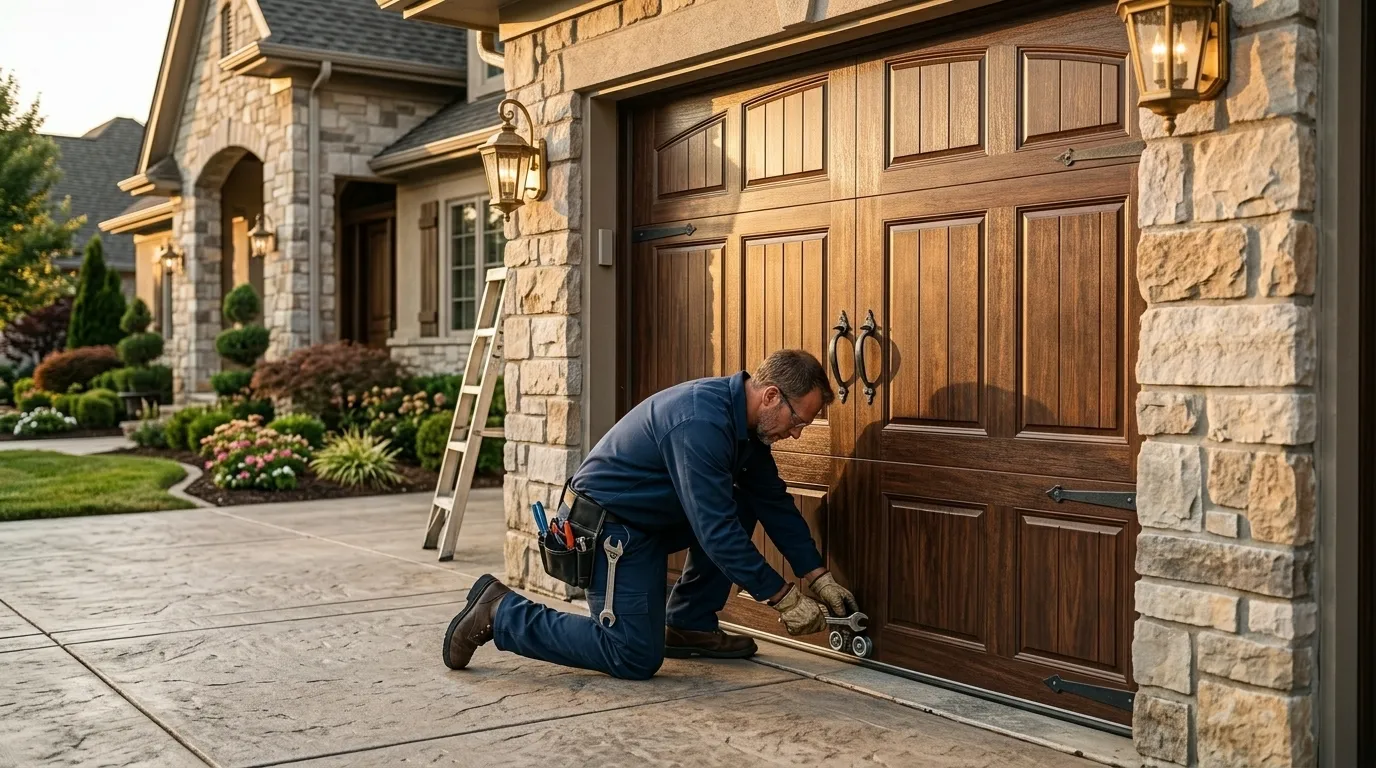
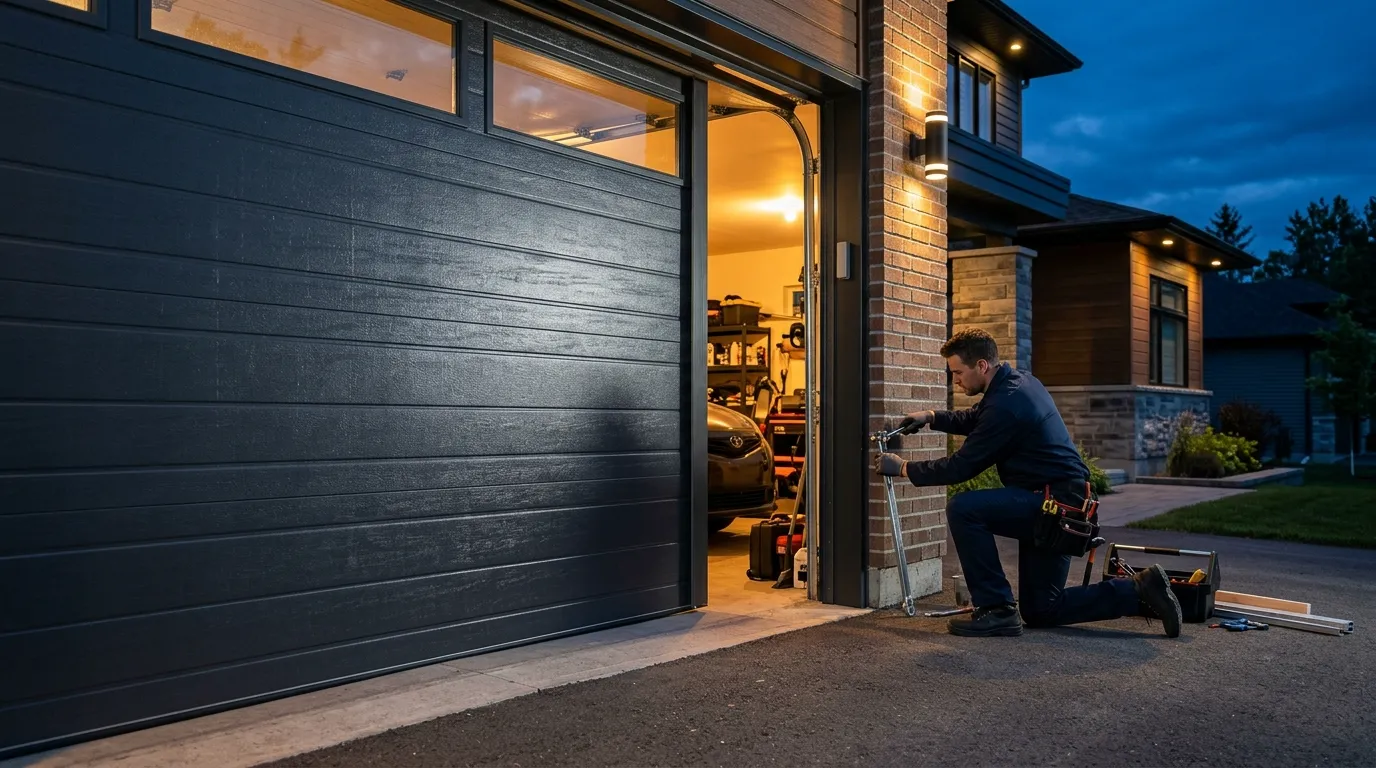
We drive the 10 miles out from San Diego to La Presa with the spring stock sized for what these doors actually use - the shorter-wire, single or dual torsion setups that match 1970s door weights, plus the standard modern replacements if your door's been swapped to a heavier panel since then.
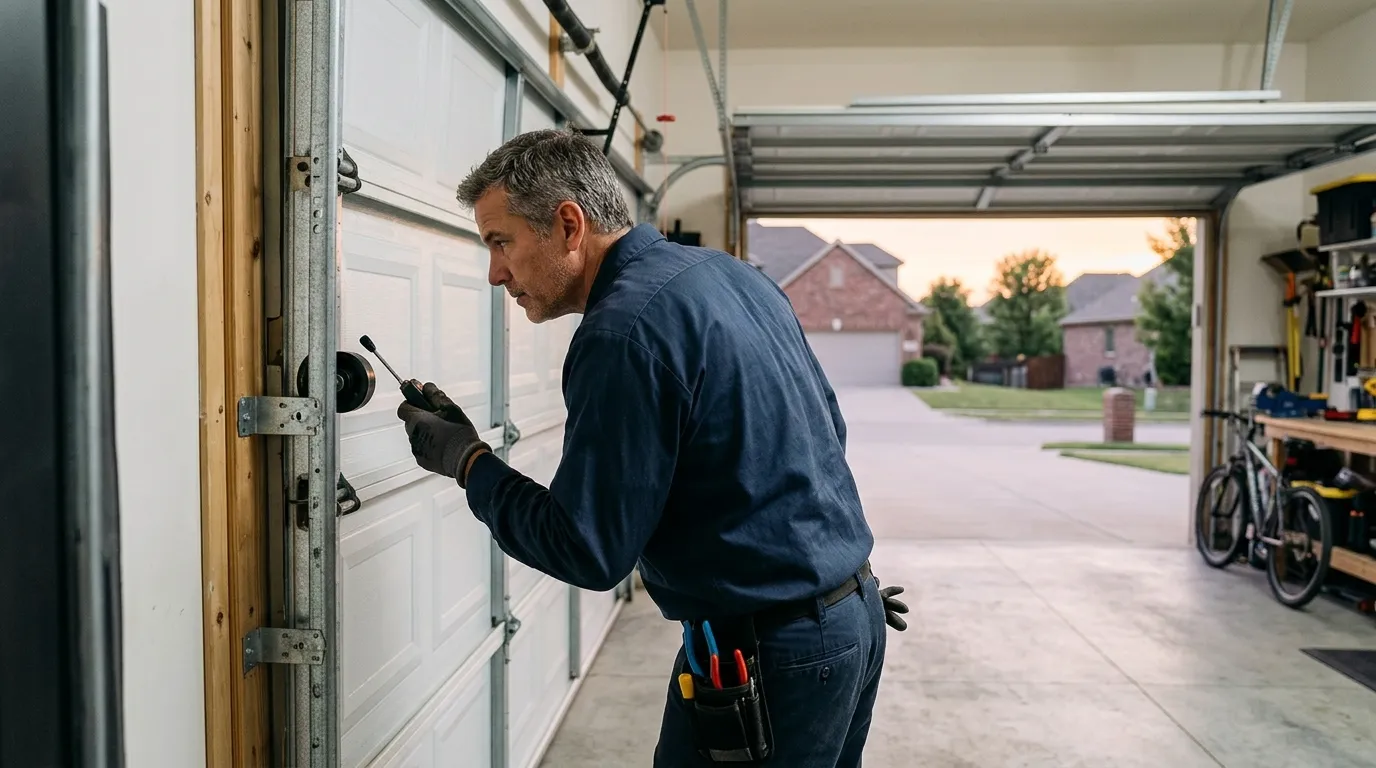
On site, we check the door weight against the spring wire size and winding count before we touch the winding bars. A lot of the 'it broke again in six months' calls we hear about elsewhere come from a spring installed to a rough estimate instead of a measured match. We measure.
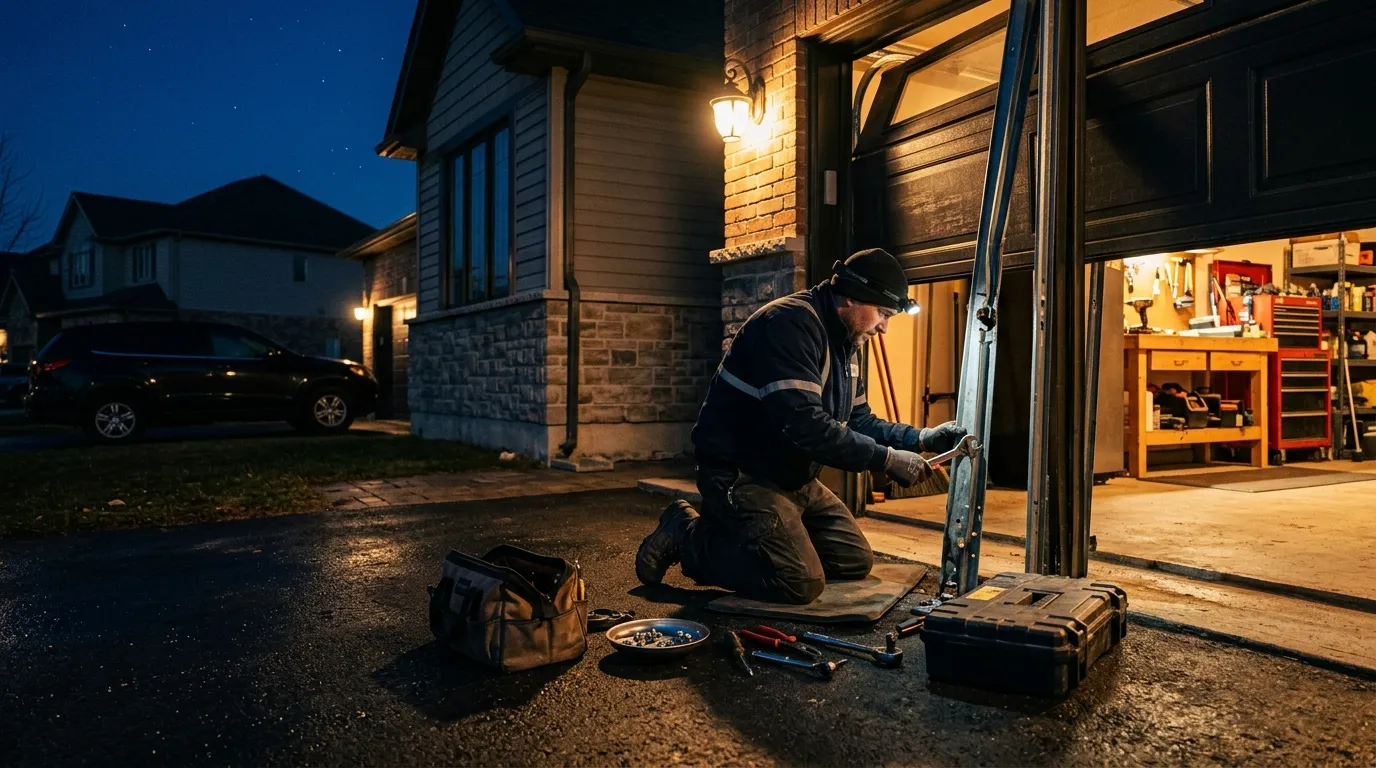
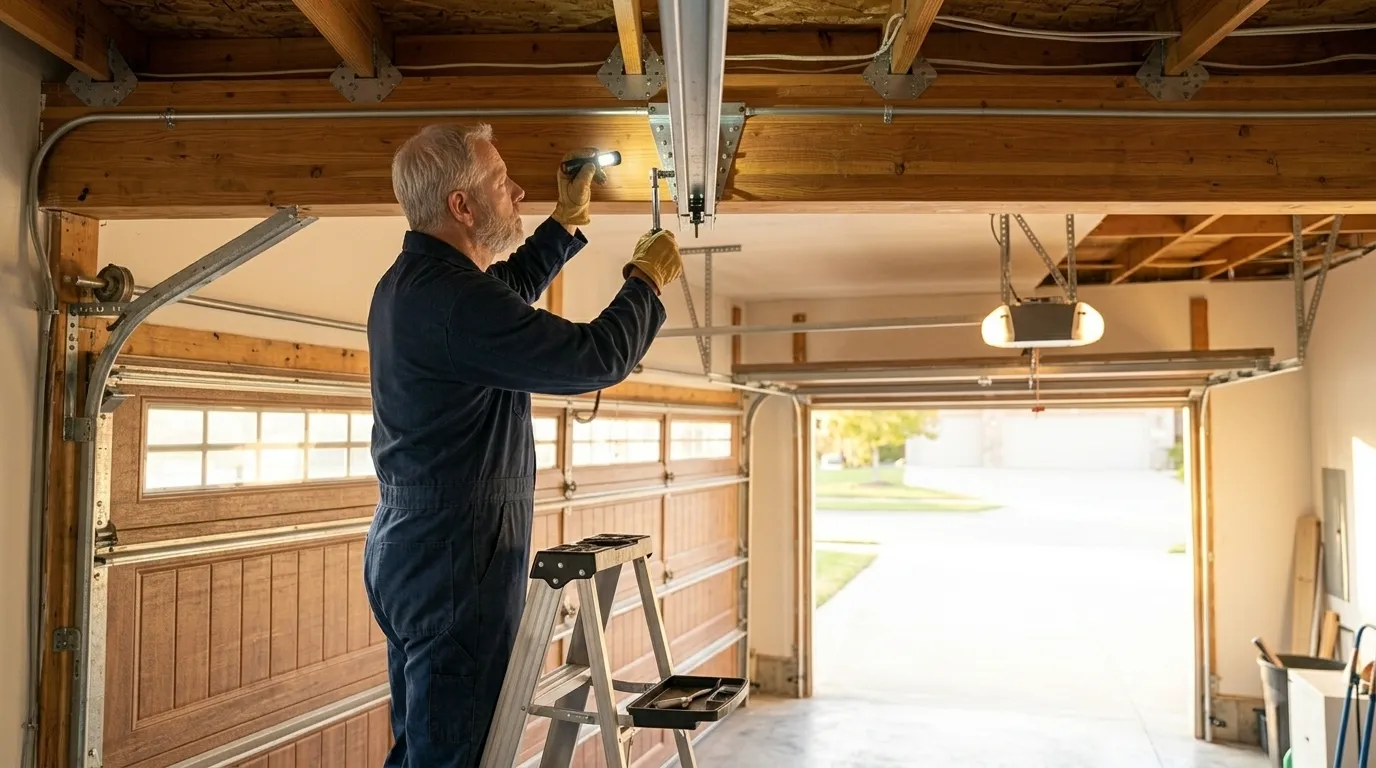
If it's a straightforward broken torsion spring, that's usually a same-visit fix. If we find the drums, bearings, or track are also worn from the same 50 years of use, we'll tell you what's failing alongside the spring rather than replacing one part and leaving the rest to fail next season.
How It Shows Up
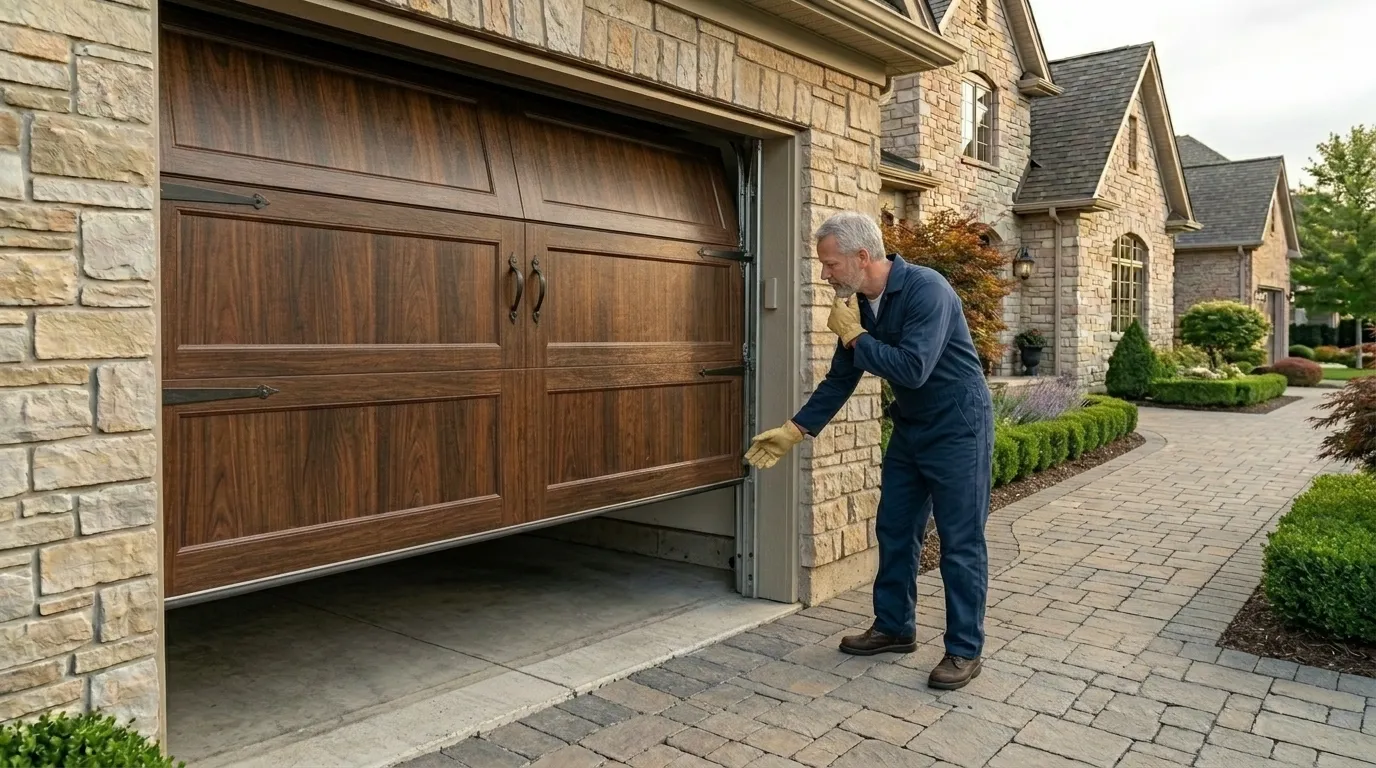
The clearest sign is a door that suddenly feels twice as heavy - if you've got a manual door or the opener's grinding and stalling, that's a broken spring, not a weak battery or a motor problem. On doors from La Presa's 1975-era stock, it often happens on a single-spring torsion setup, so there's no second spring holding the slack. The door drops hard and stays down.
A quieter warning sign, if you catch it early: a visible gap opening up in one coil of the spring while the door still operates, just louder or slower than usual. That gap means the spring has already cracked and is running on borrowed cycles - worth a call before it goes the rest of the way and takes a cable or drum with it.