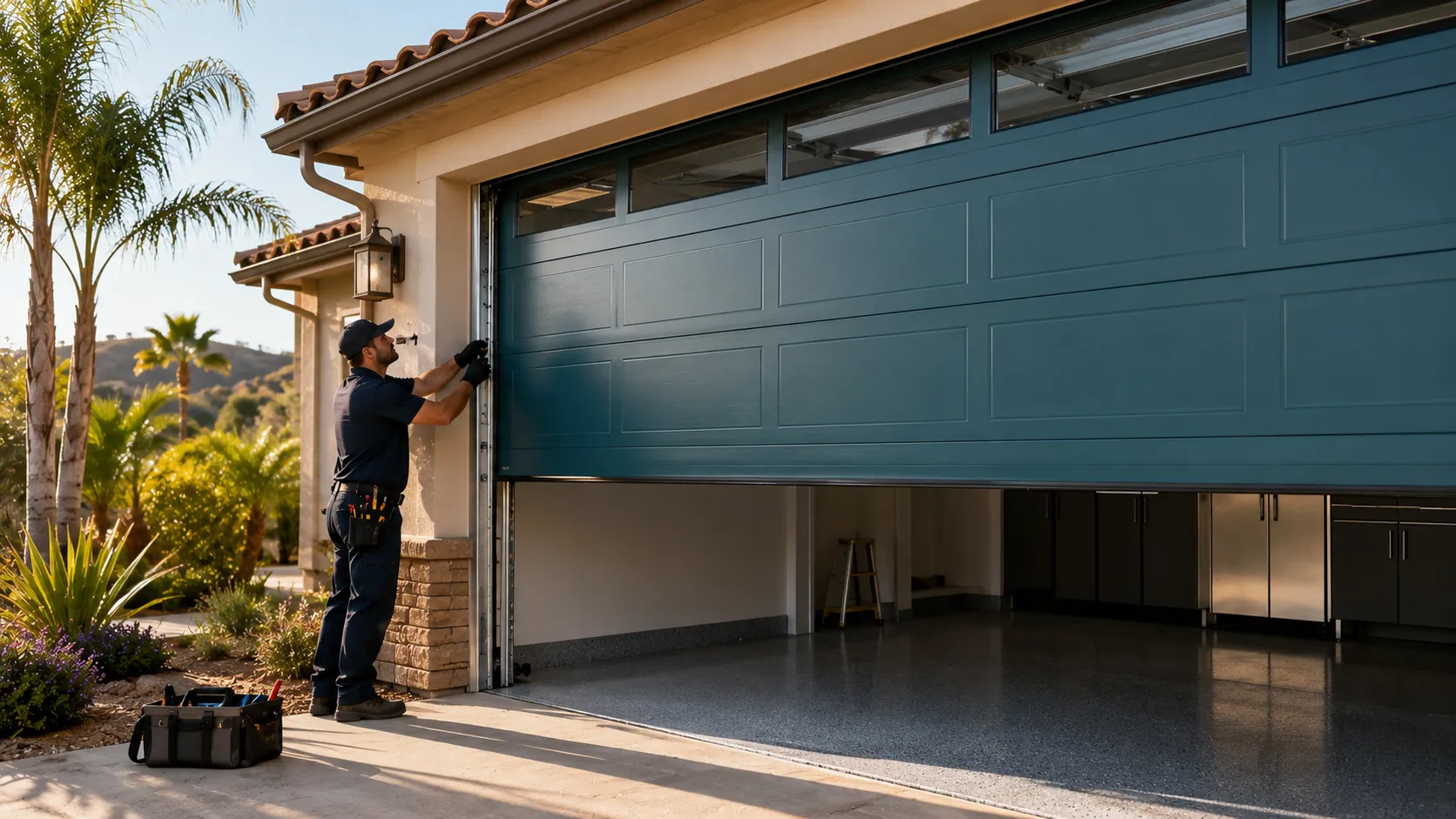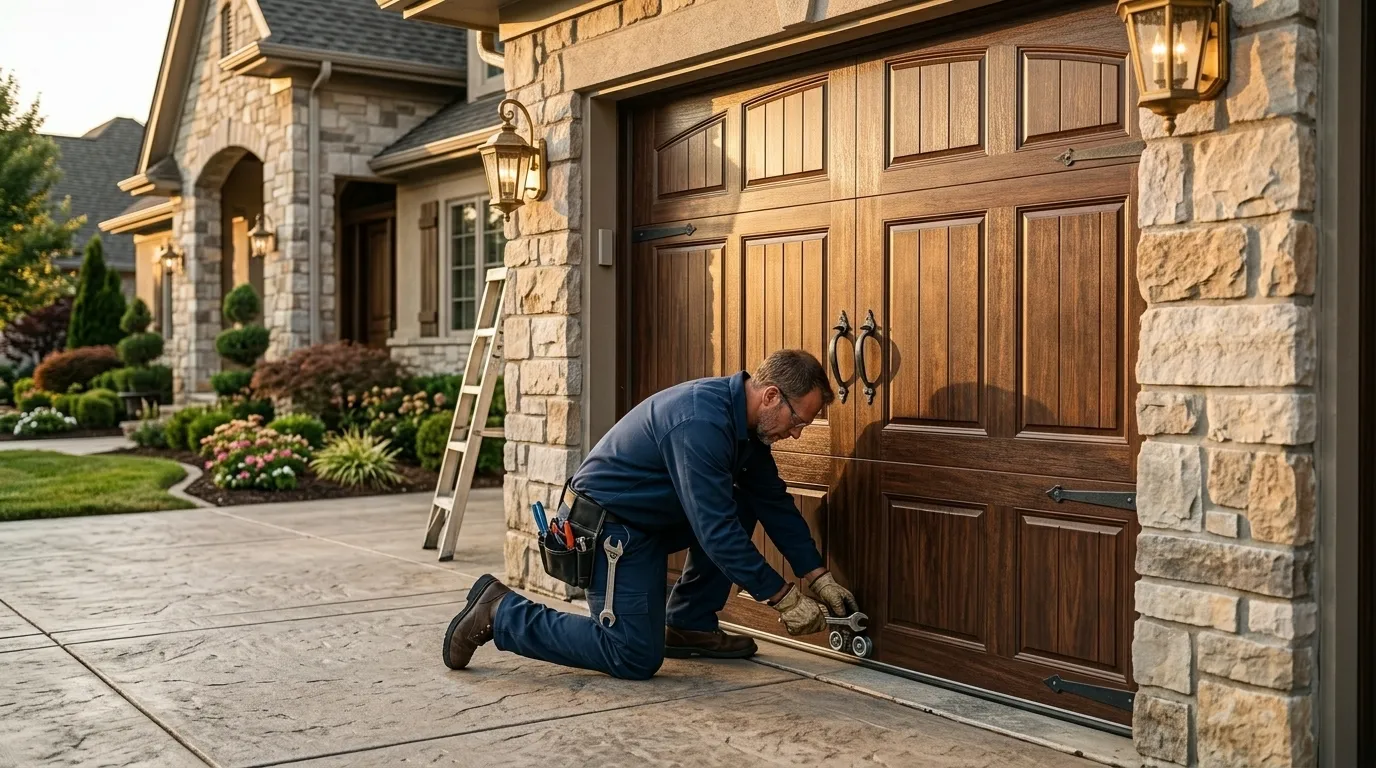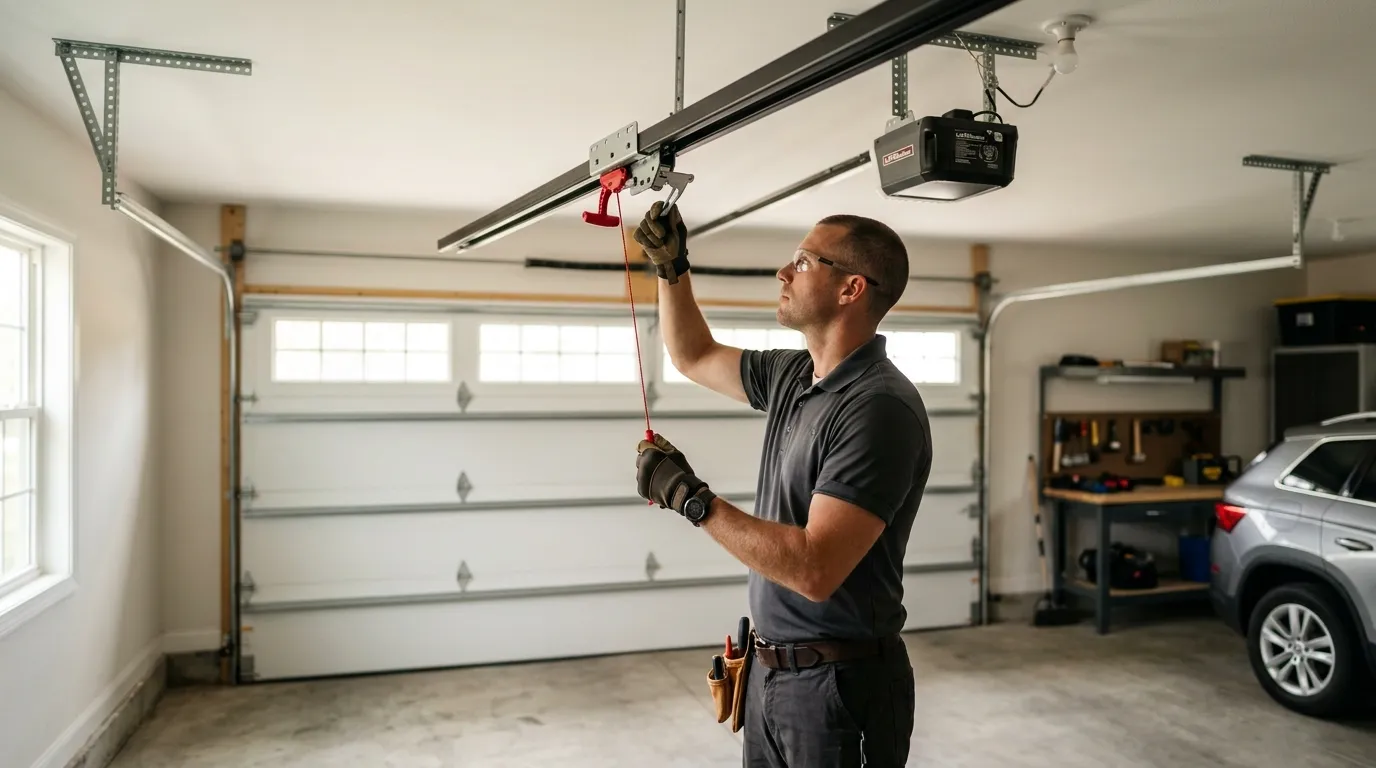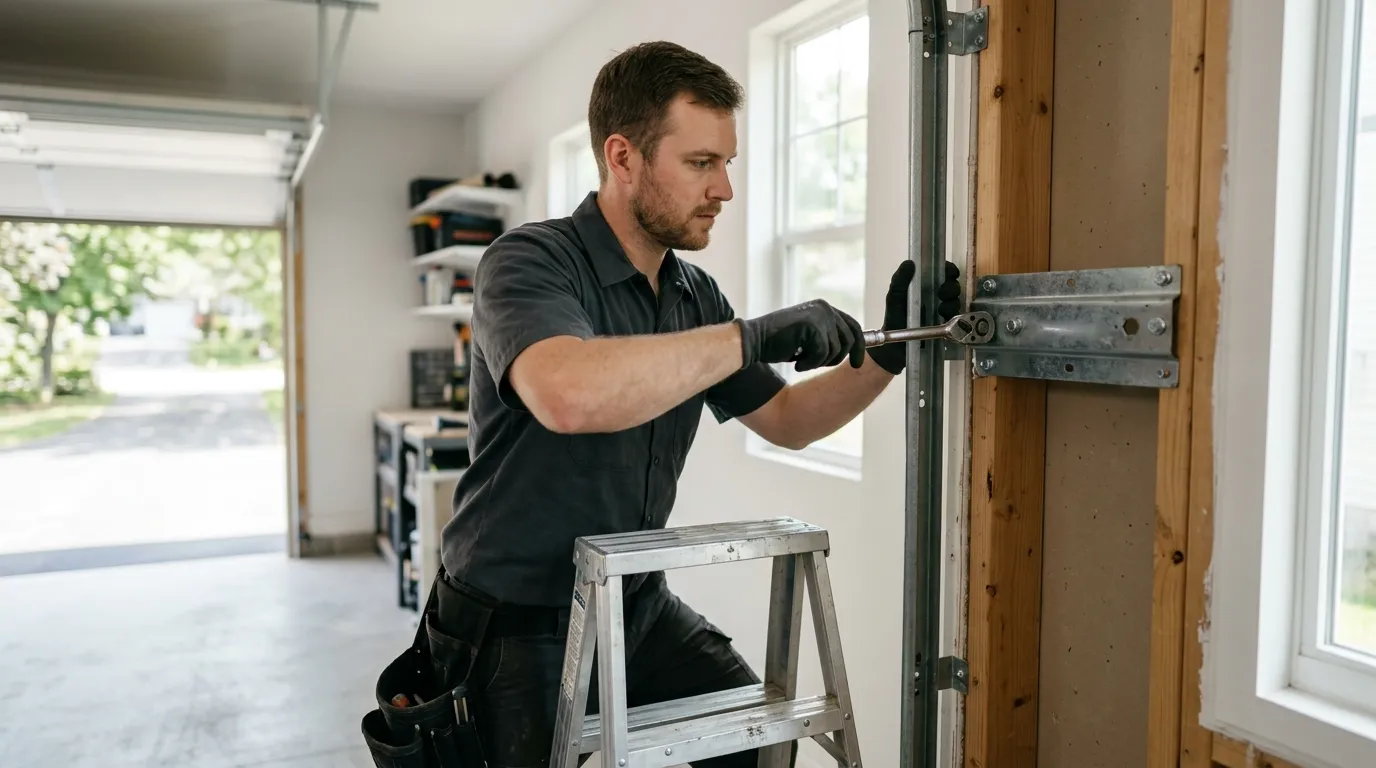
Doing Nothing For Now
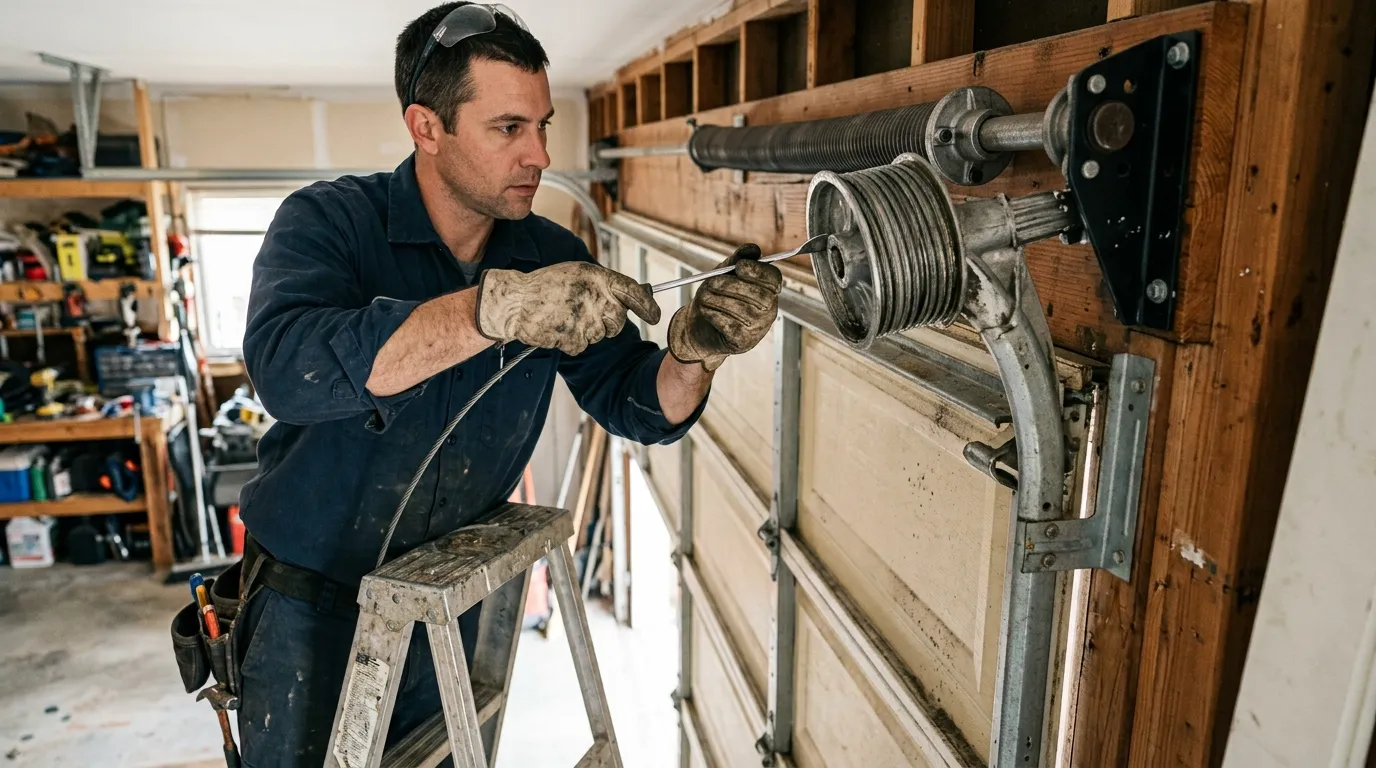
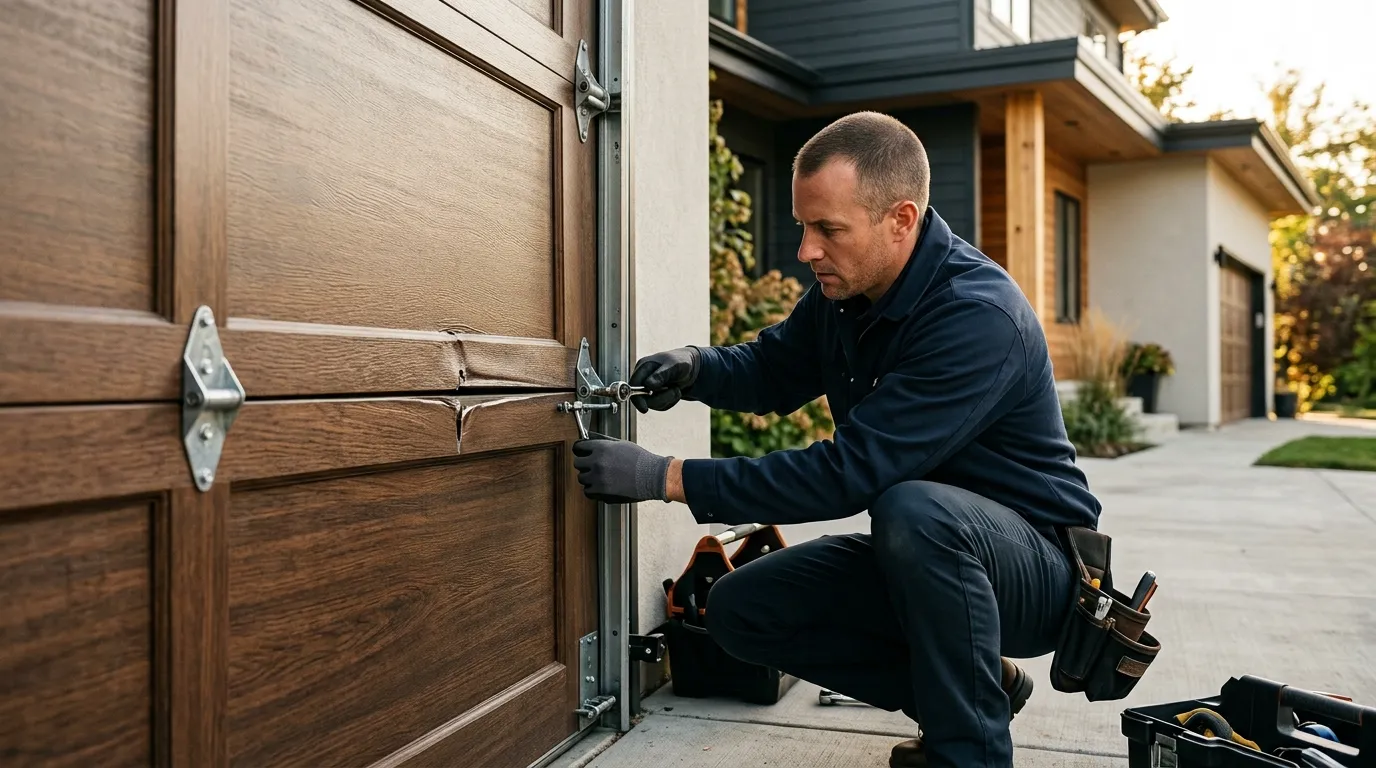
A door that's been cycling since the Nixon or Carter years and still opens fine isn't broken - until the spring that's been doing that work for close to fifty years finally lets go, usually on the coldest morning it's asked to do anything extra. With 48,883 owner-occupied houses among San Diego's 136,422 households, a lot of these original doors are still on the same torsion springs they left the factory with, and springs don't send a warning shot. They just go.
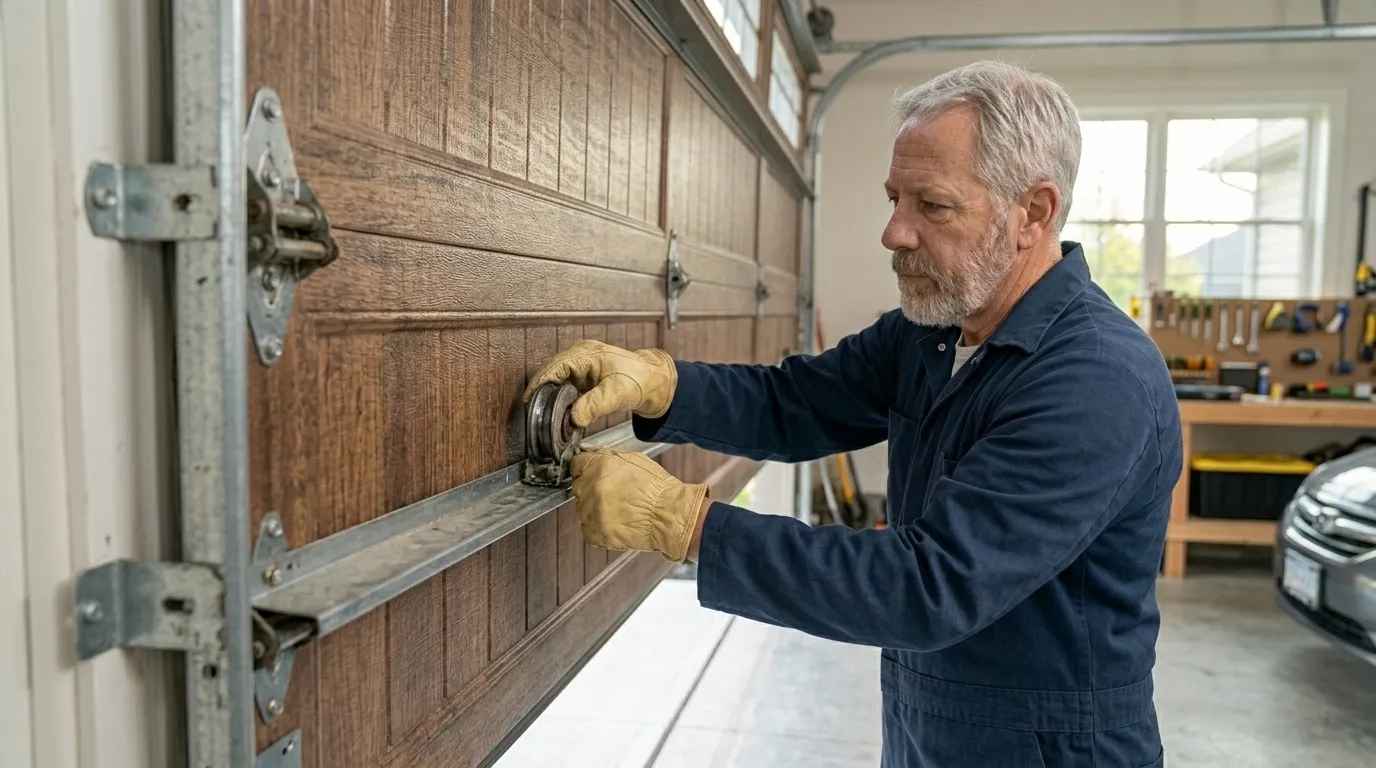
Waiting isn't reckless if you know what you're waiting on. A door with worn rollers and a stiff track that still tracks straight can run another year of careful use. A door with a spring you can't remember ever being replaced, on a house built before 1992, is closer to the end of its cycle count than the middle. That's the difference between deferring a job and gambling on one.
What the Weather Here Does to It
San Diego sits in a mild temperate band, and that actually works in your door's favor compared to most of the country. There's no freeze-thaw cycle cracking the seal at the bottom panel, no monsoon humidity swelling wood doors shut in their tracks, no hard freeze snapping a cable that got brittle overnight. The wear you see here comes from cycle count and age, not from the climate fighting the hardware.
That's actually the argument for fixing rather than replacing more often than not. A door that's been sheltered from real weather extremes for its whole life, even one built in the 1975 median year for this area, often has a track and frame in better shape than the same-age door somewhere with real winters. What fails first here is the moving parts - springs, rollers, cables - worn by opening and closing thousands of times, not by the elements attacking the material. Replace those and the door underneath is often still sound.