Doing Nothing For Now
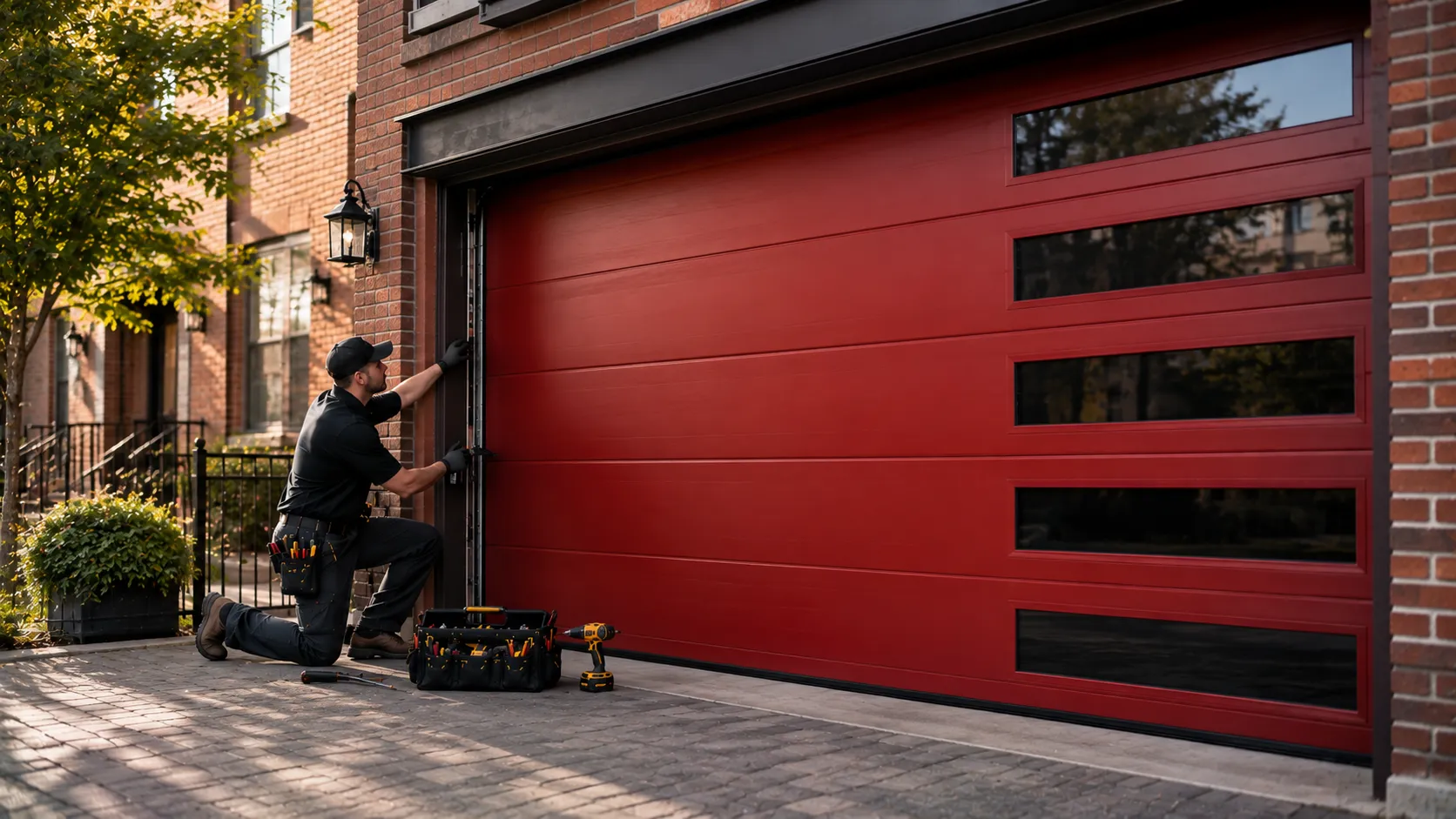
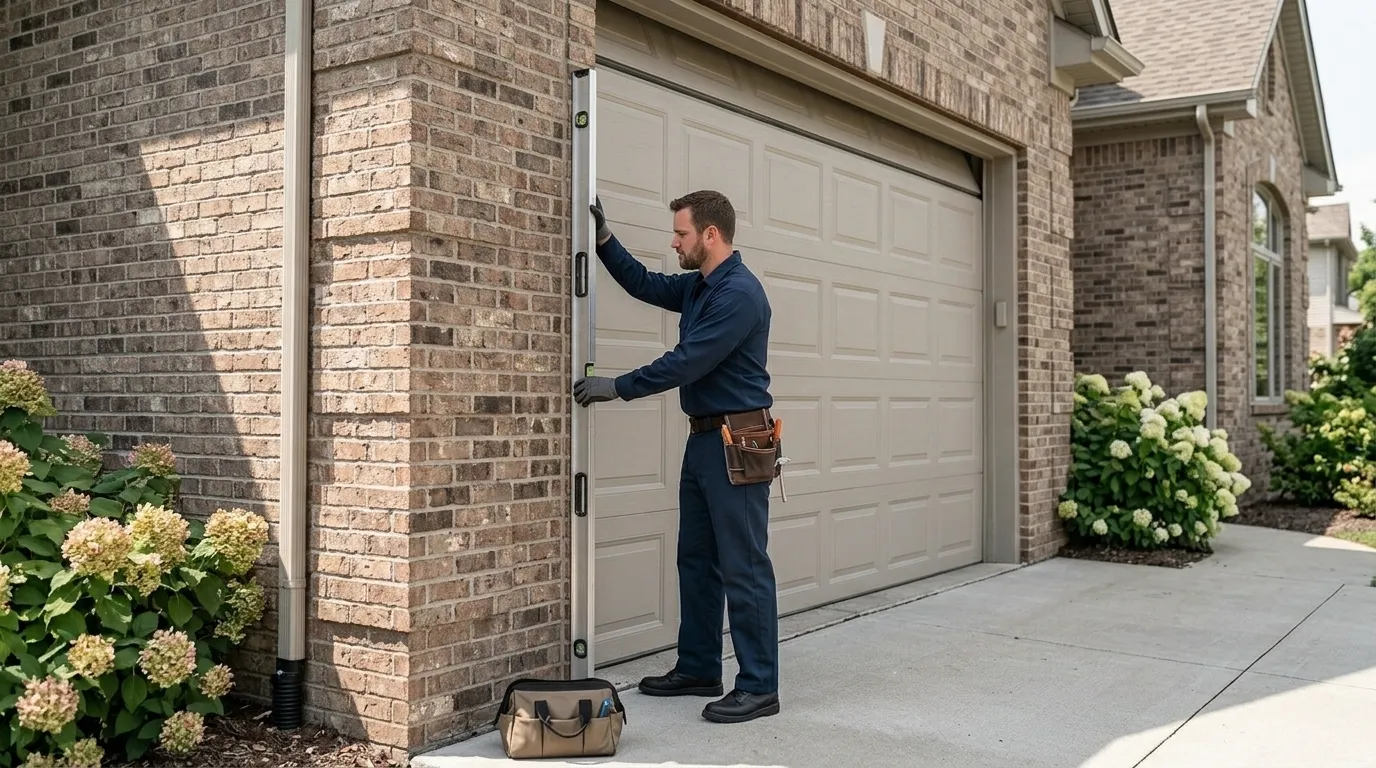
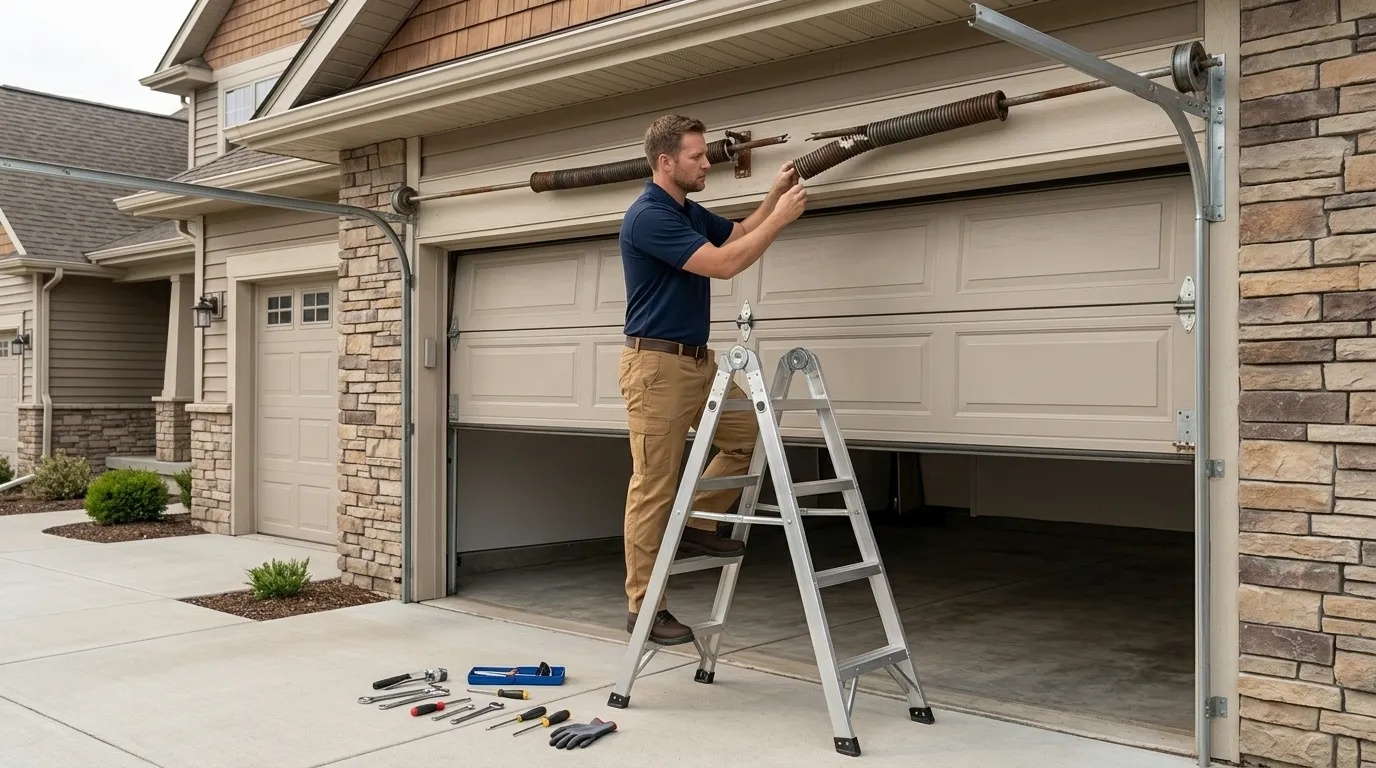
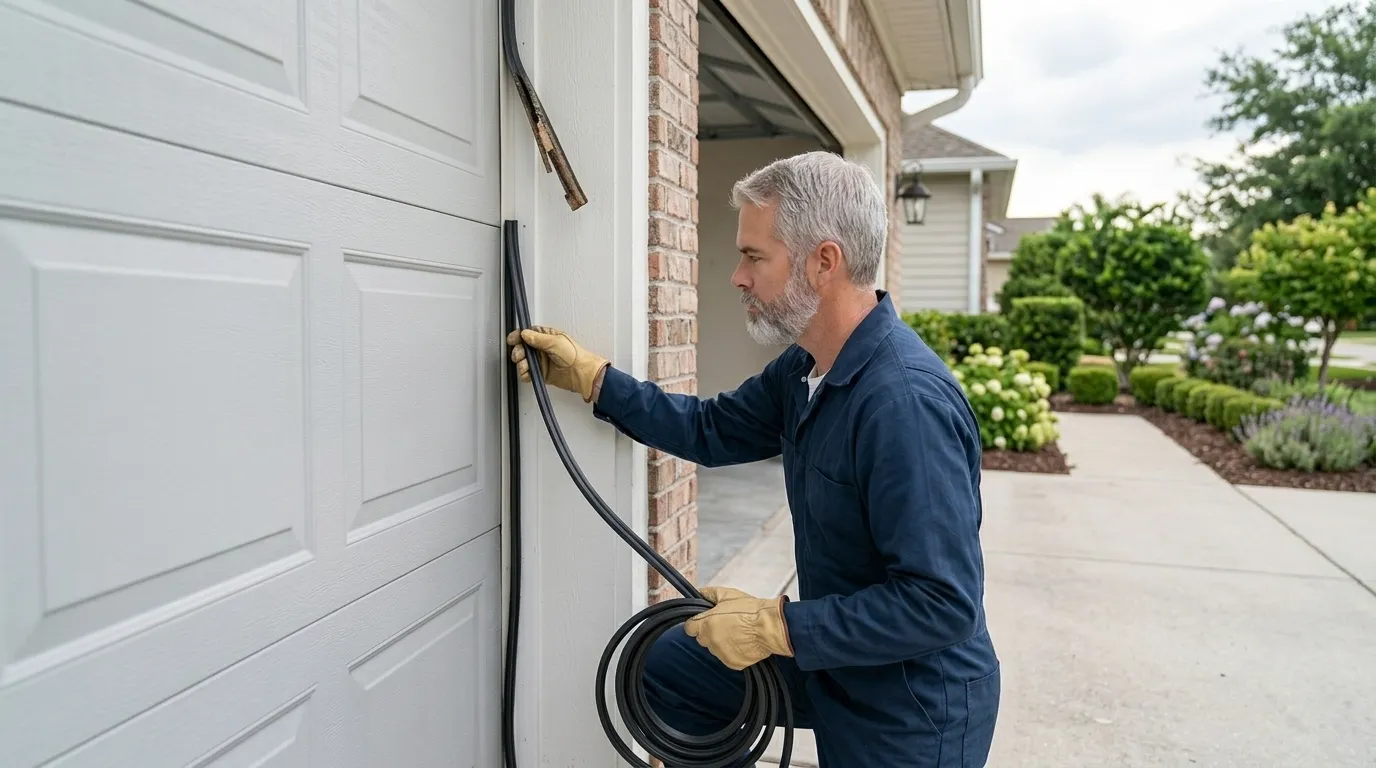
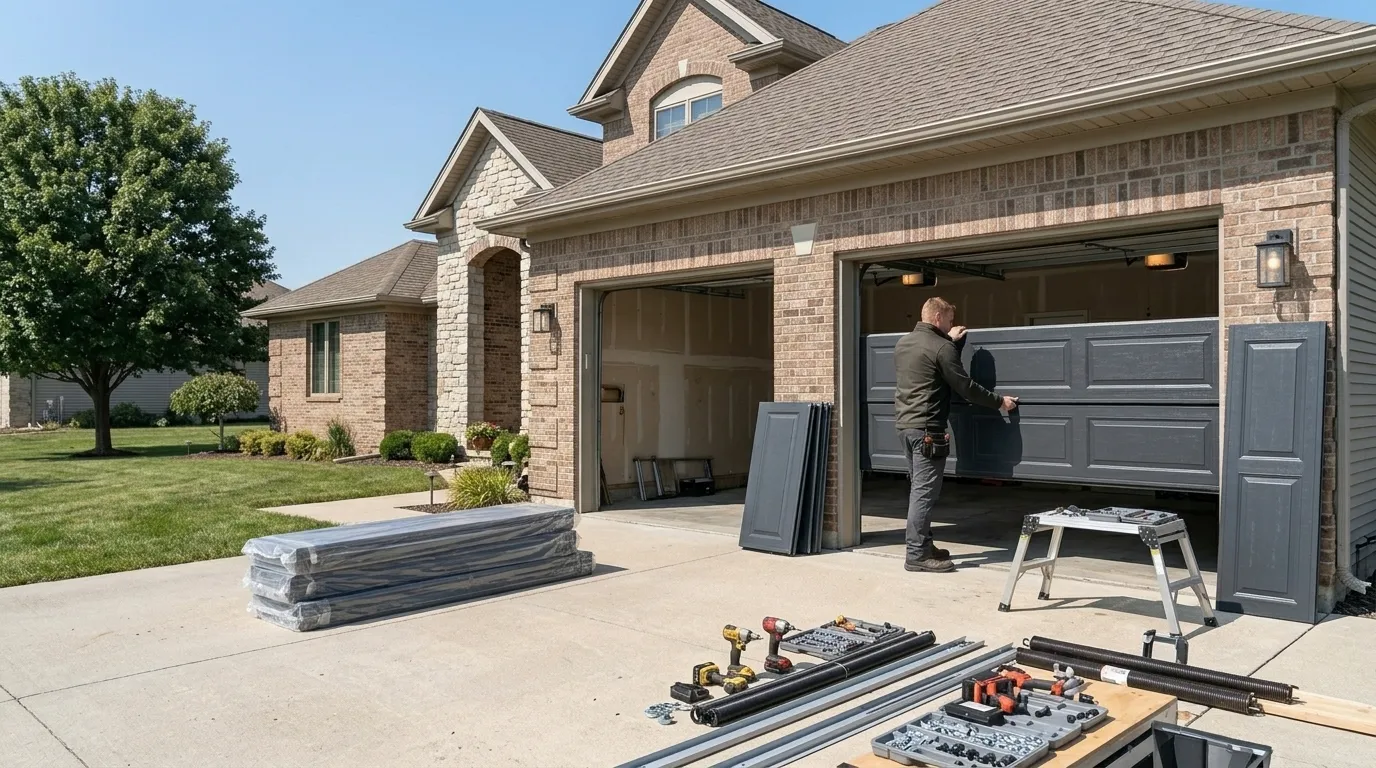
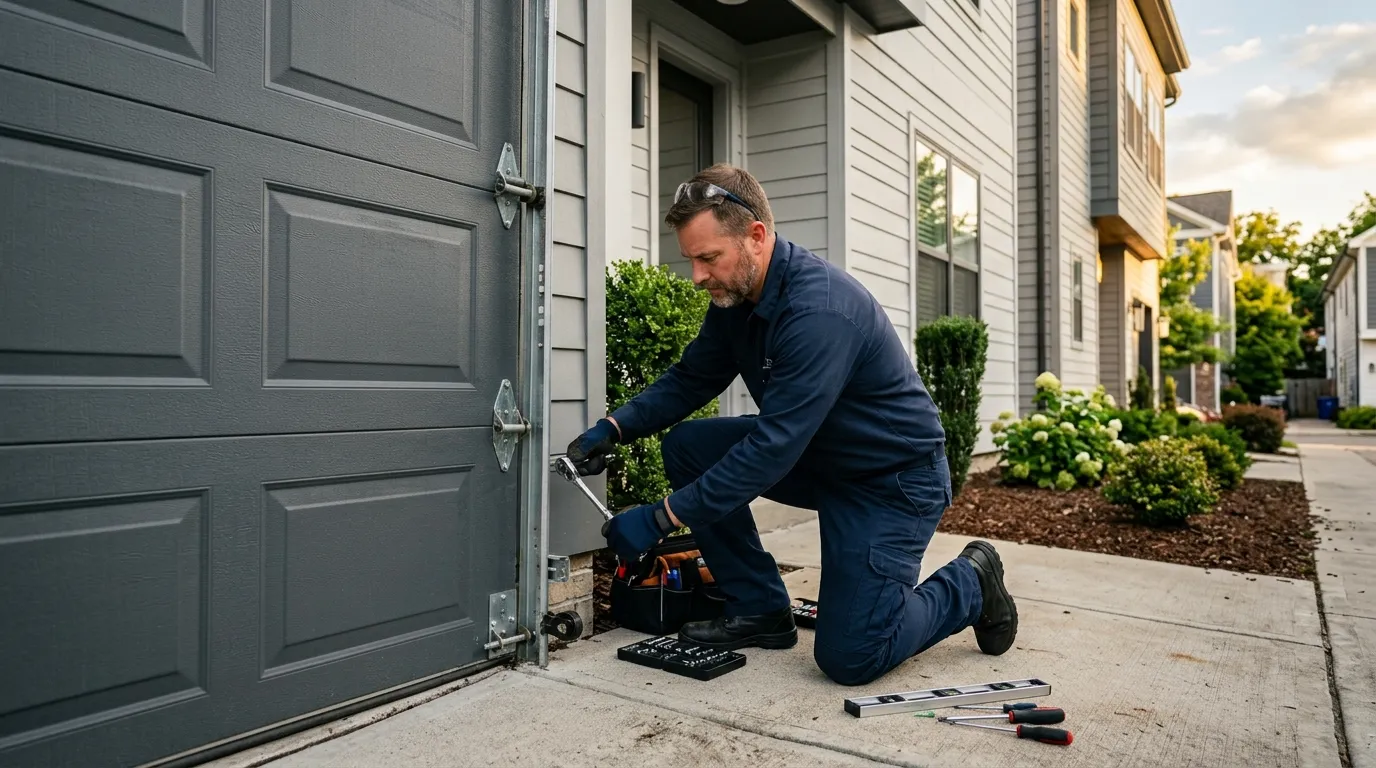
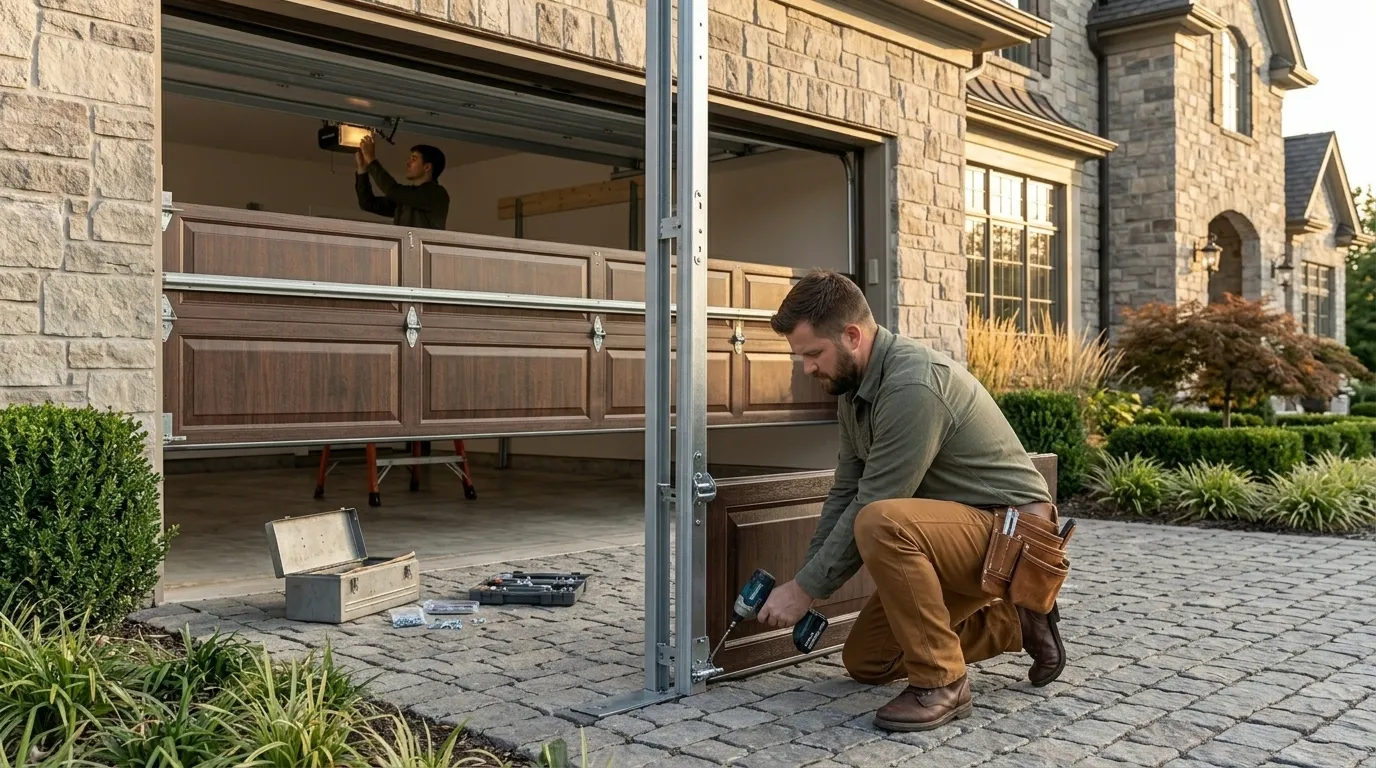
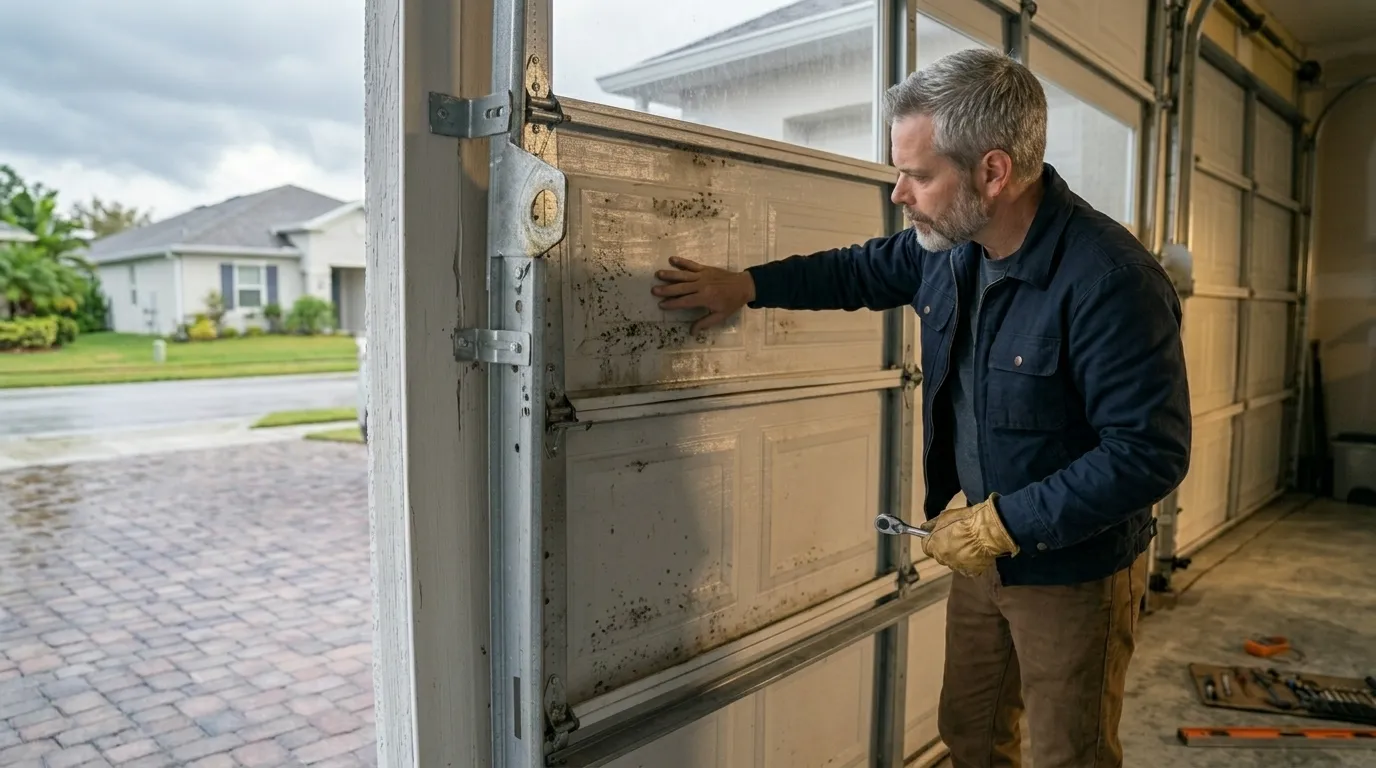
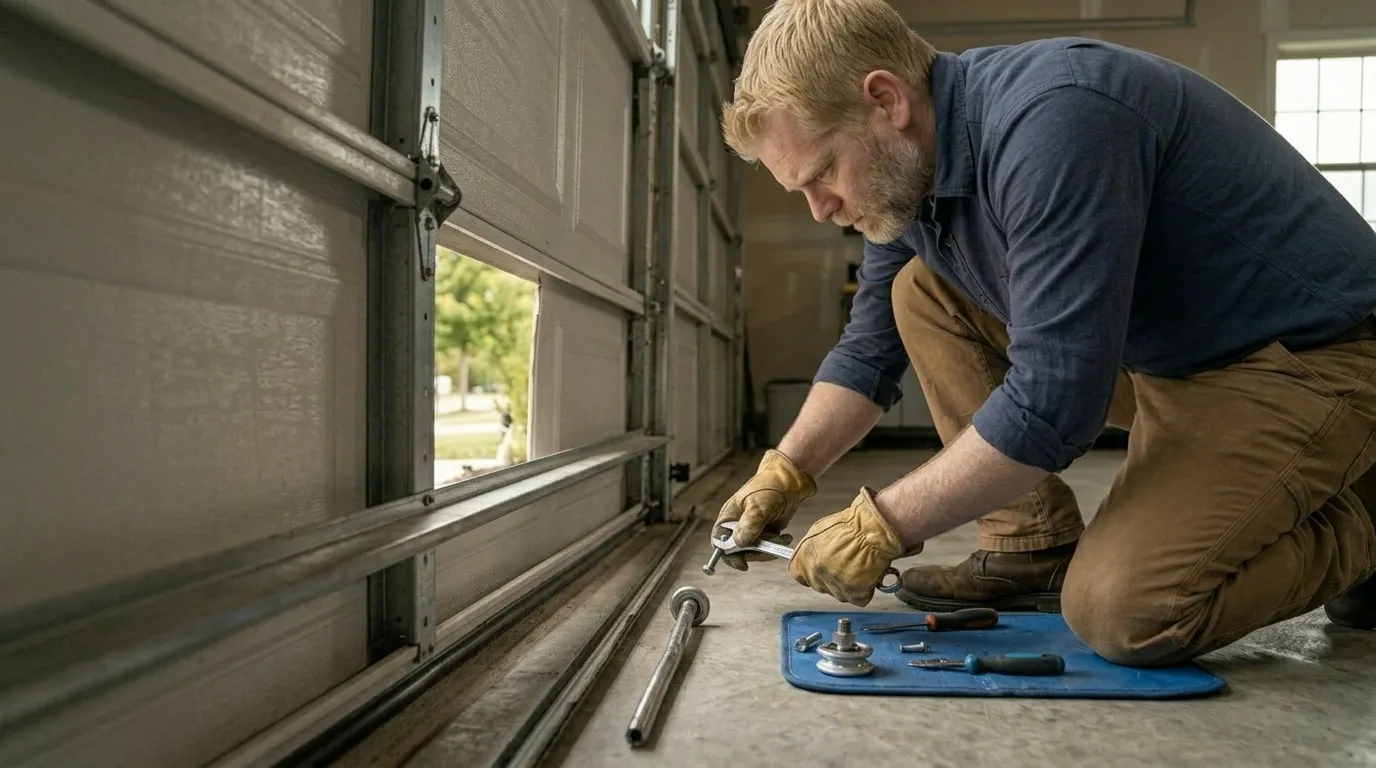
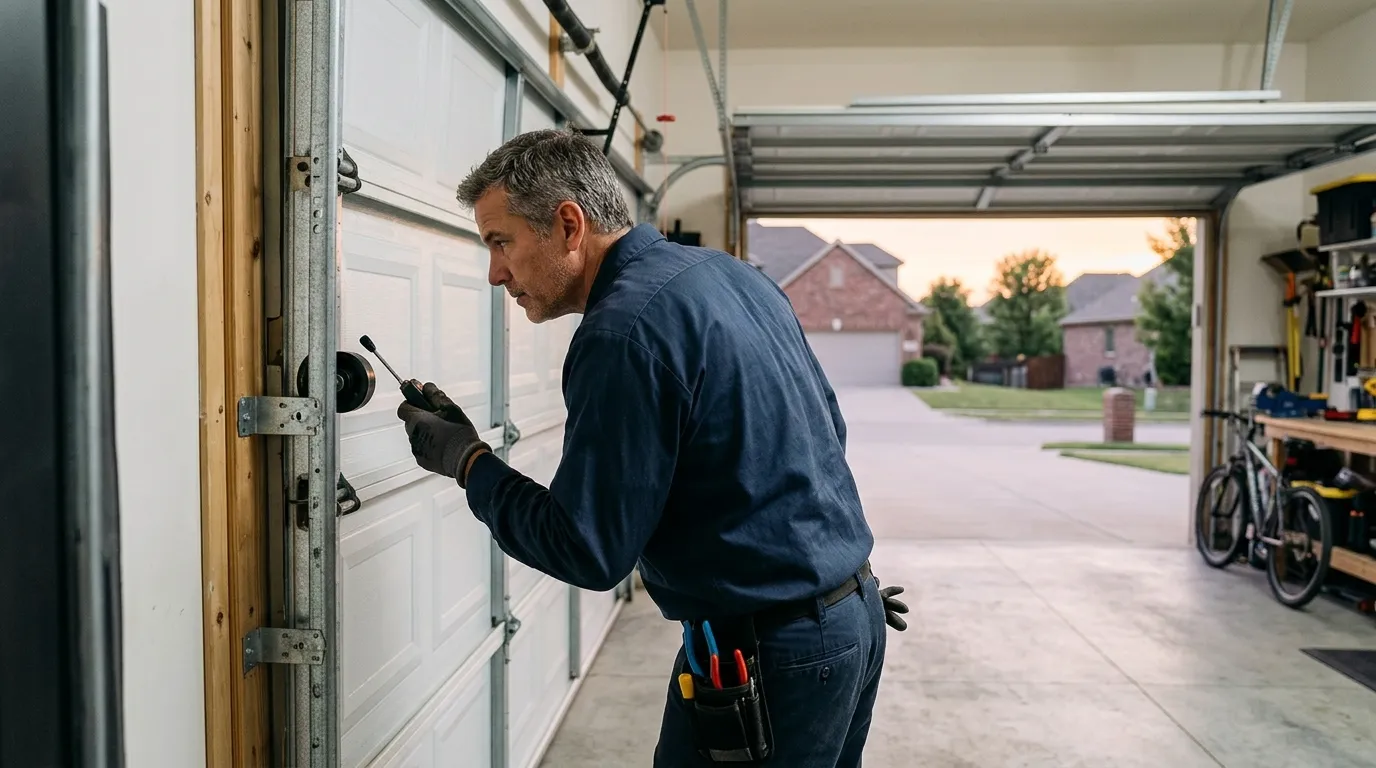
Sometimes doing nothing is the right call, and we'll say so. A door that's a little slow or a little noisy but still opens and closes square isn't an emergency. What we watch for is the point where a symptom on a house from the 1967-1992 wave turns into a failure. A torsion spring on hardware that old doesn't send a warning text; it just lets go, usually on the day you're loading the car. Waiting on a spring that's visibly stretched or a cable that's fraying isn't saving money, it's postponing a job that gets more expensive once something else on the same track gets damaged in the process. On the other hand, a cosmetic dent or a slightly out-of-tune sensor can genuinely wait. The honest limit here: we don't push replacement on a door that's still doing its job. If the opener's original to a house built in the 70s and running fine, we're not going to tell you it needs to go just because of its age.
What the Weather Here Does to It
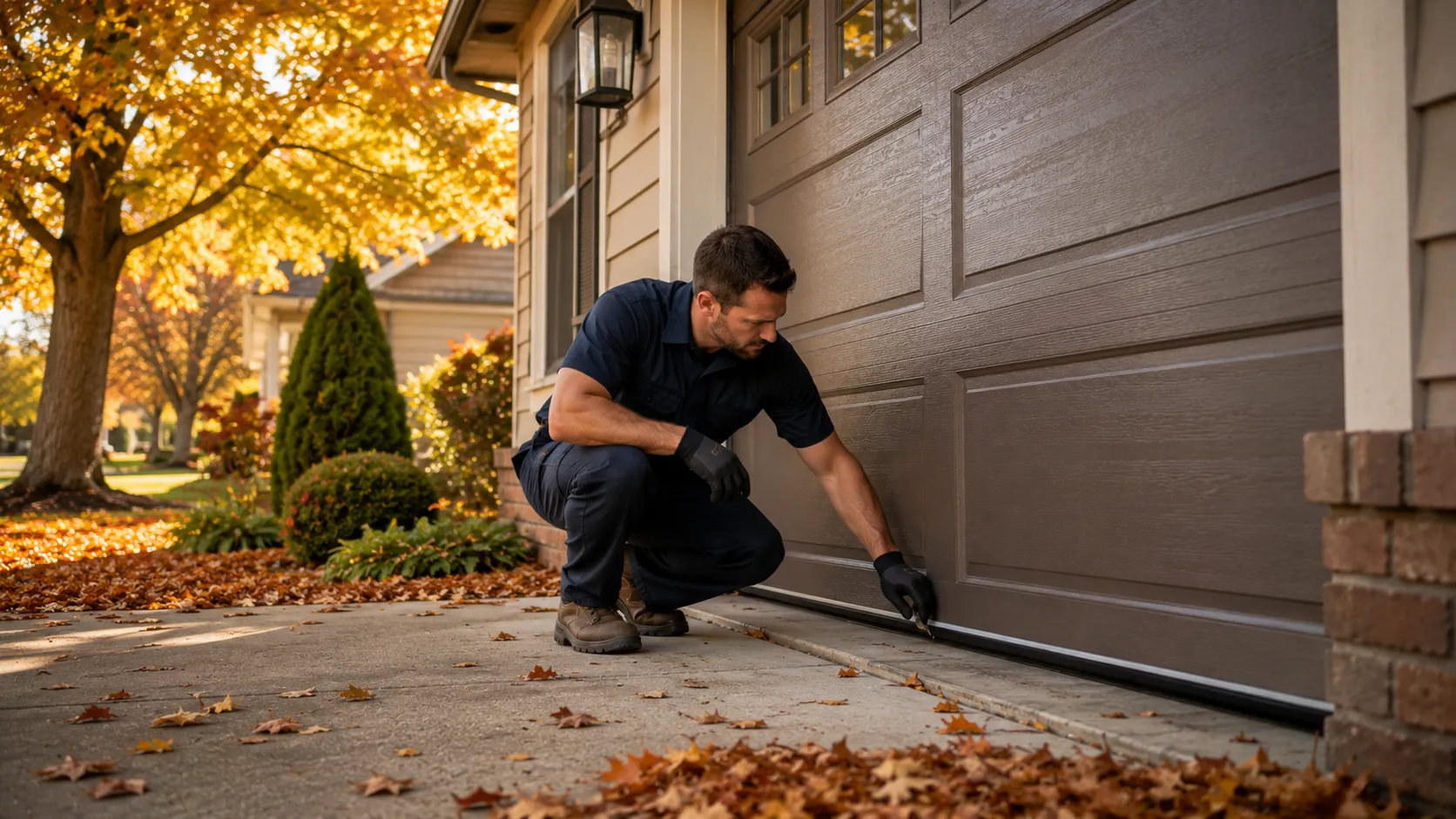
San Diego sits in a mild temperate band, and that matters more than most owners think. We don't get the freeze-thaw cycle that cracks slab foundations and shifts track brackets overnight, and we don't see torsion springs snap cold the way they do somewhere that swings from 20 to 60 degrees in a day. That takes a whole category of emergency call off the table here. But mild doesn't mean no wear. Steady, moderate temperatures mean lubricant on rollers and hinges dries out slowly rather than being stripped by extreme heat or cold, which means a lot of owners go years past when a track should've been re-lubed simply because nothing forced the issue. The failure mode here tends to be slow stiffening and quiet wear rather than a sudden weather-driven break. That's actually good news for planning a service call around your schedule instead of an emergency, but it also means problems can sit unnoticed longer before they show up as a door that won't close square.