Opener installation for San Diego homes built 1967-1992, where original hardware and mild coastal temps shape which drive and safety setup actually holds up long term.
Most opener trouble we see in San Diego isn't a mystery part failing overnight - it's an opener that was never matched to the door it's lifting. Homes across the service area went up mostly between 1967 and 1992, with a median build year around 1975, and a lot of those garages still run whatever chain-drive unit was bolted in decades ago. The gears strip. The circuit board that controls travel limits goes flaky and the door reverses for no reason, or it doesn't reverse when it should and that's a safety problem, not a convenience one. Old openers also predate rolling-code remotes, so some owners are still dealing with a garage that any cheap universal clicker can open. On the newer end of that build window, from the late 70s into the 90s, we find openers with worn drive gears and belts that were never rated for the door weight after a panel upgrade or insulation retrofit added mass the original motor wasn't sized for. None of this is dramatic - it's just thirty-plus-year-old machinery doing a job it was never built to do this long.
How We Fix It
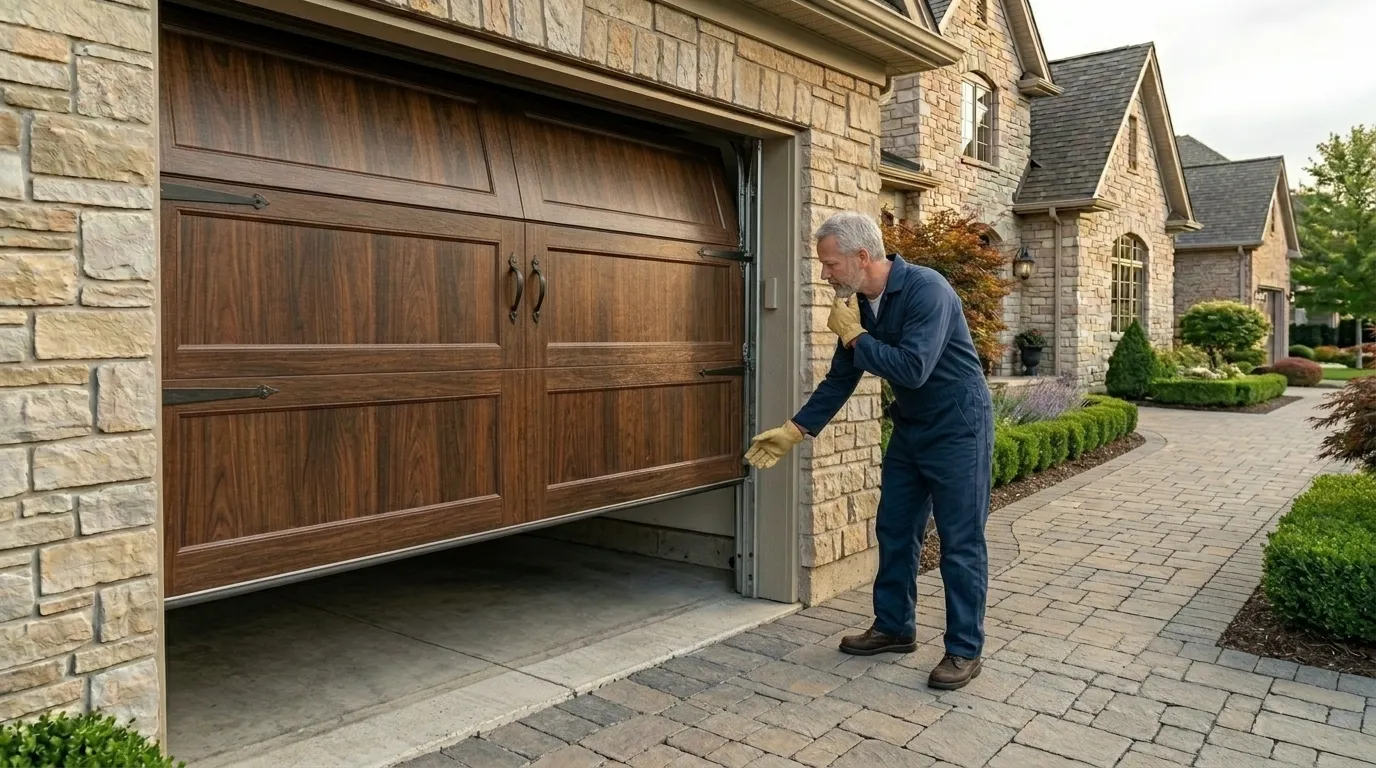
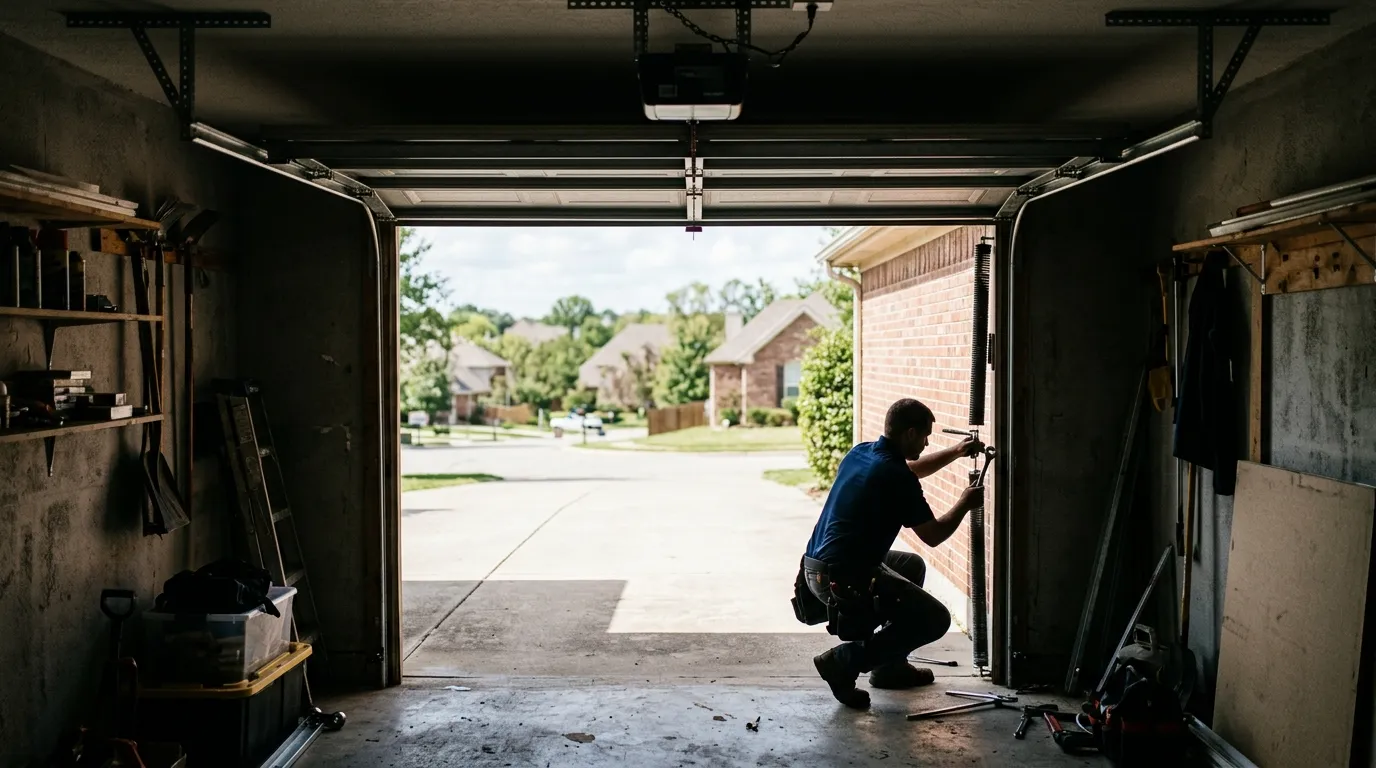
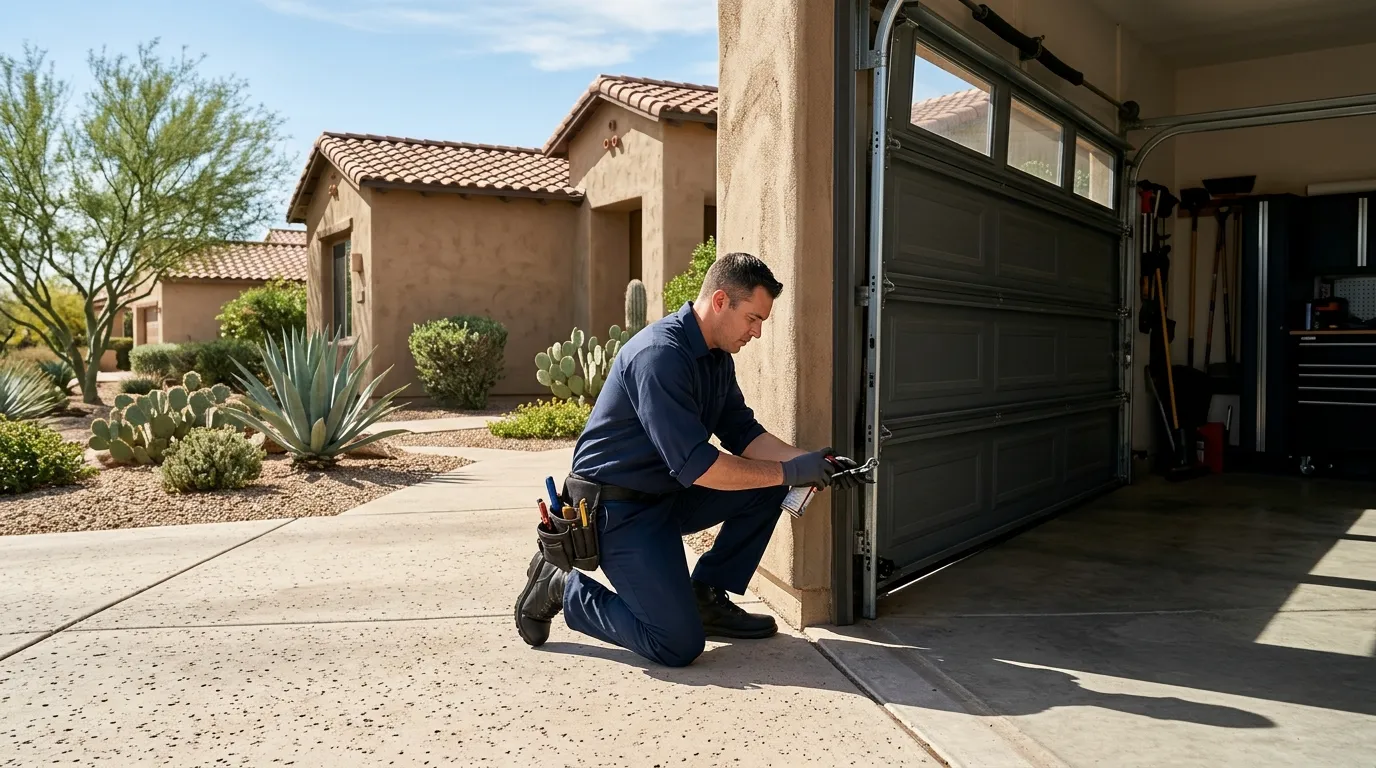
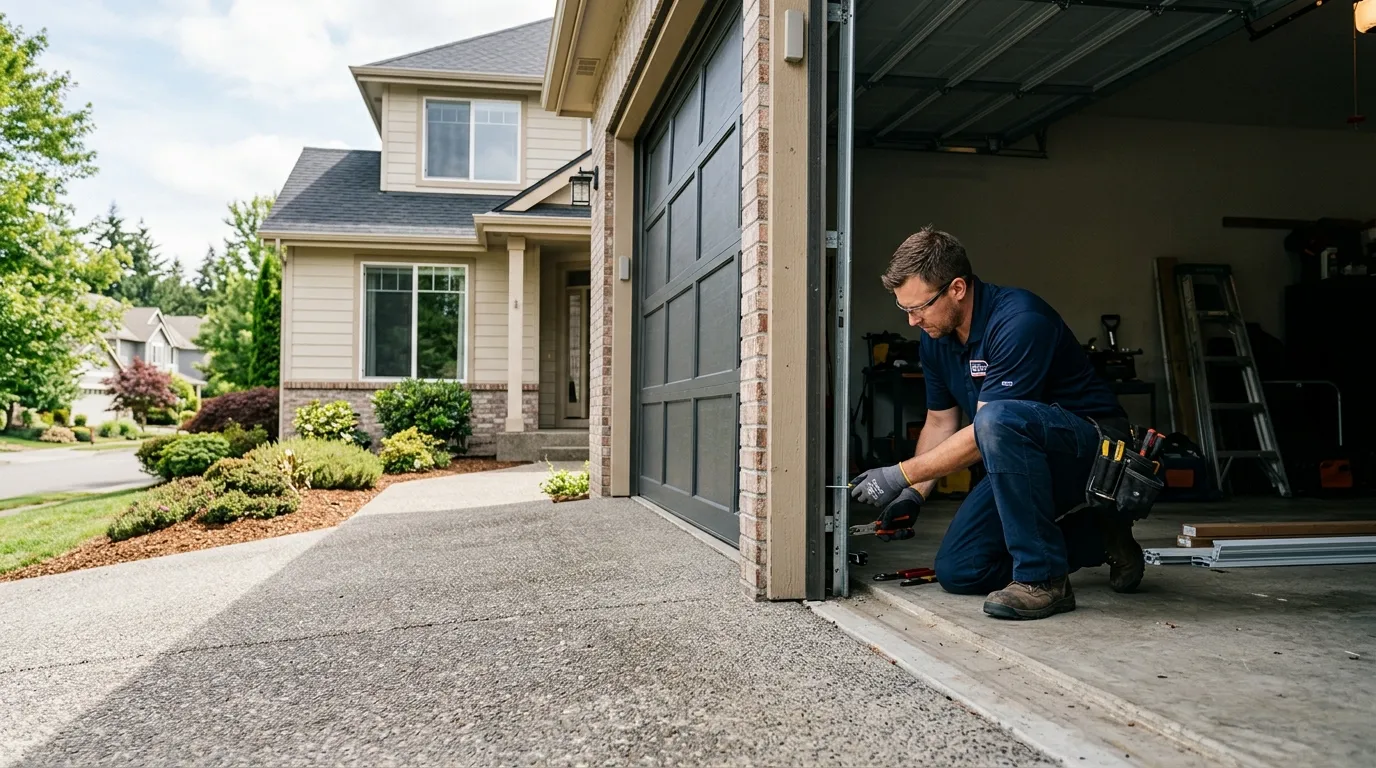
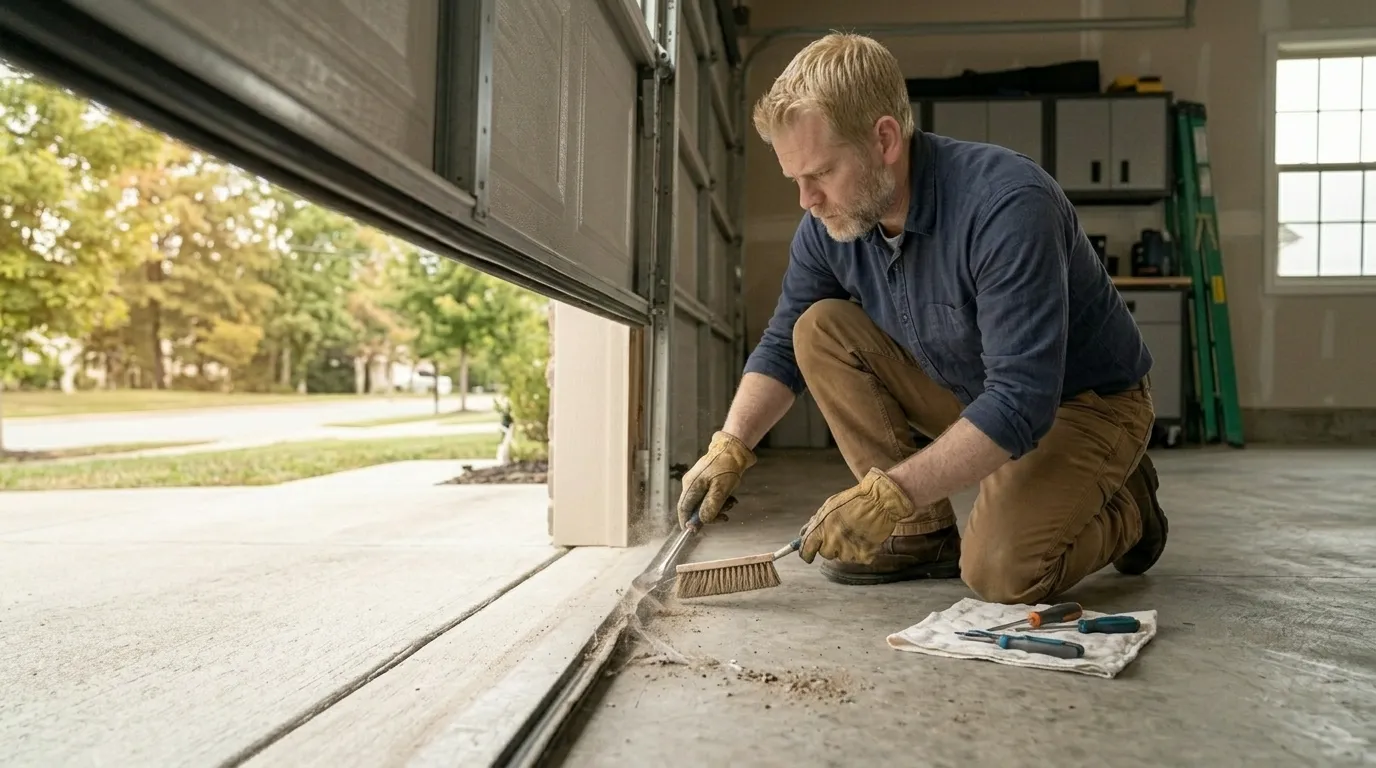
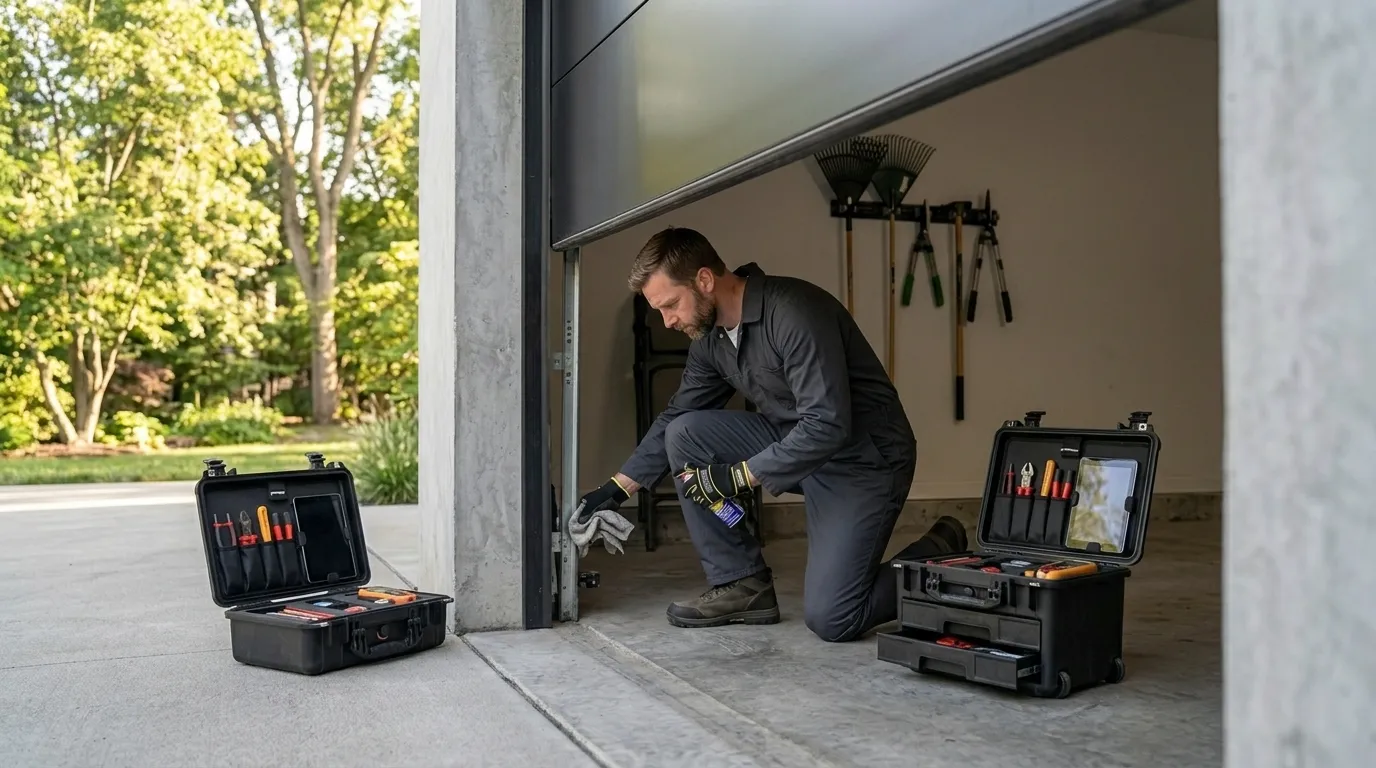
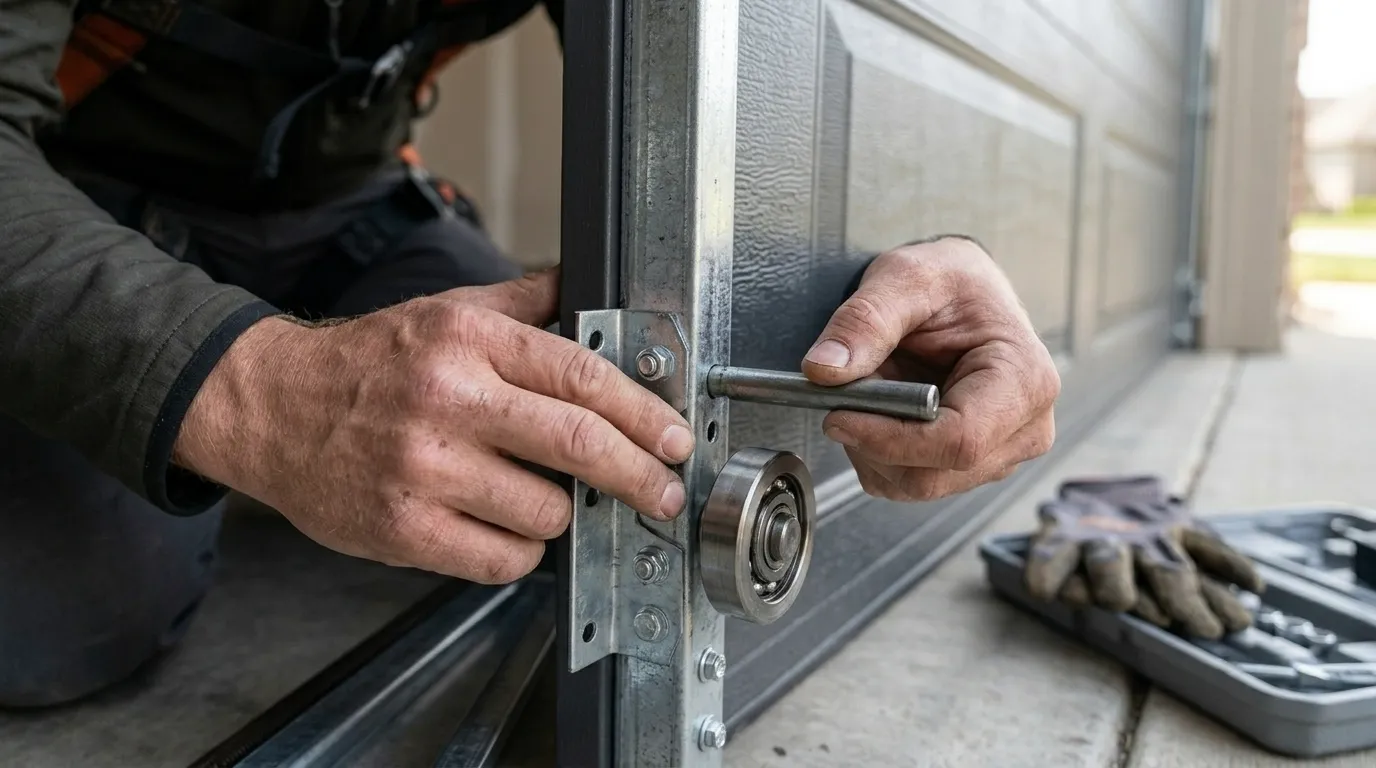
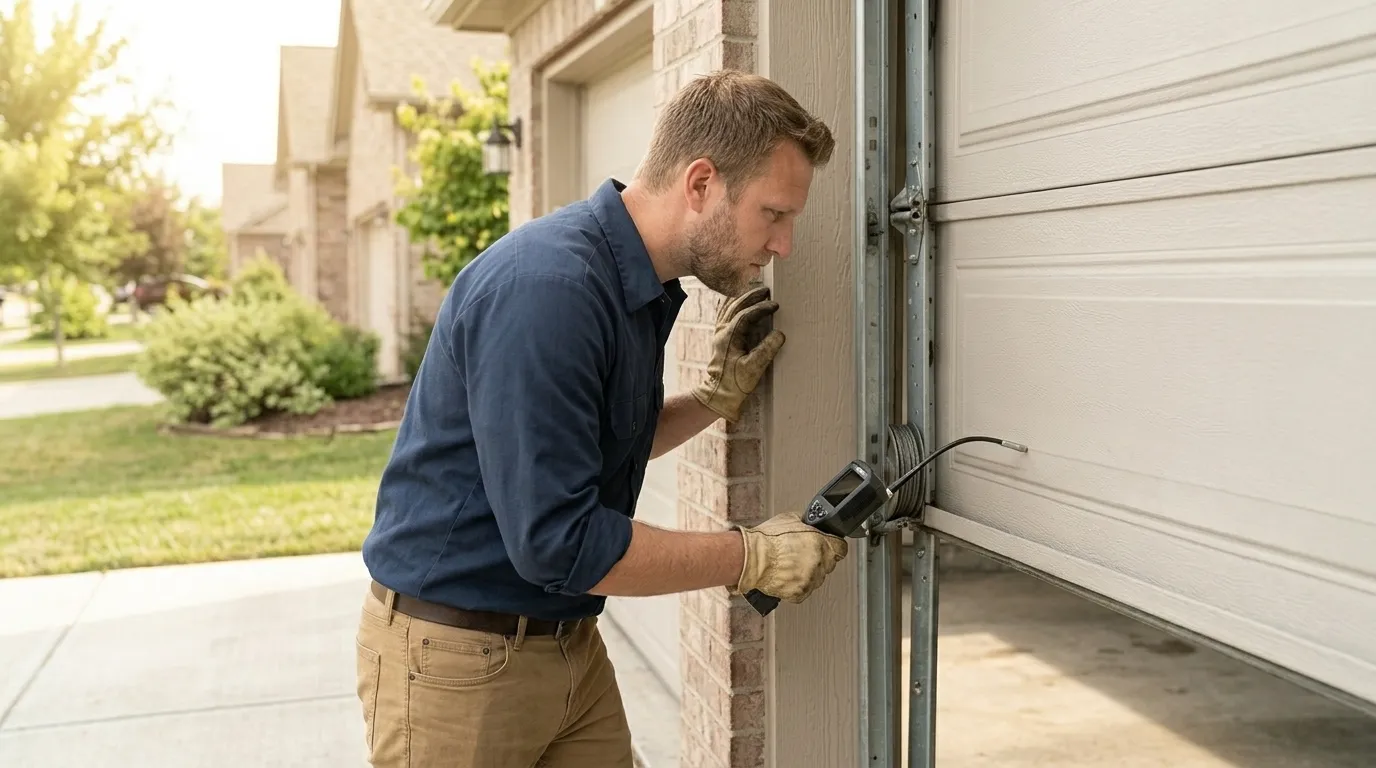
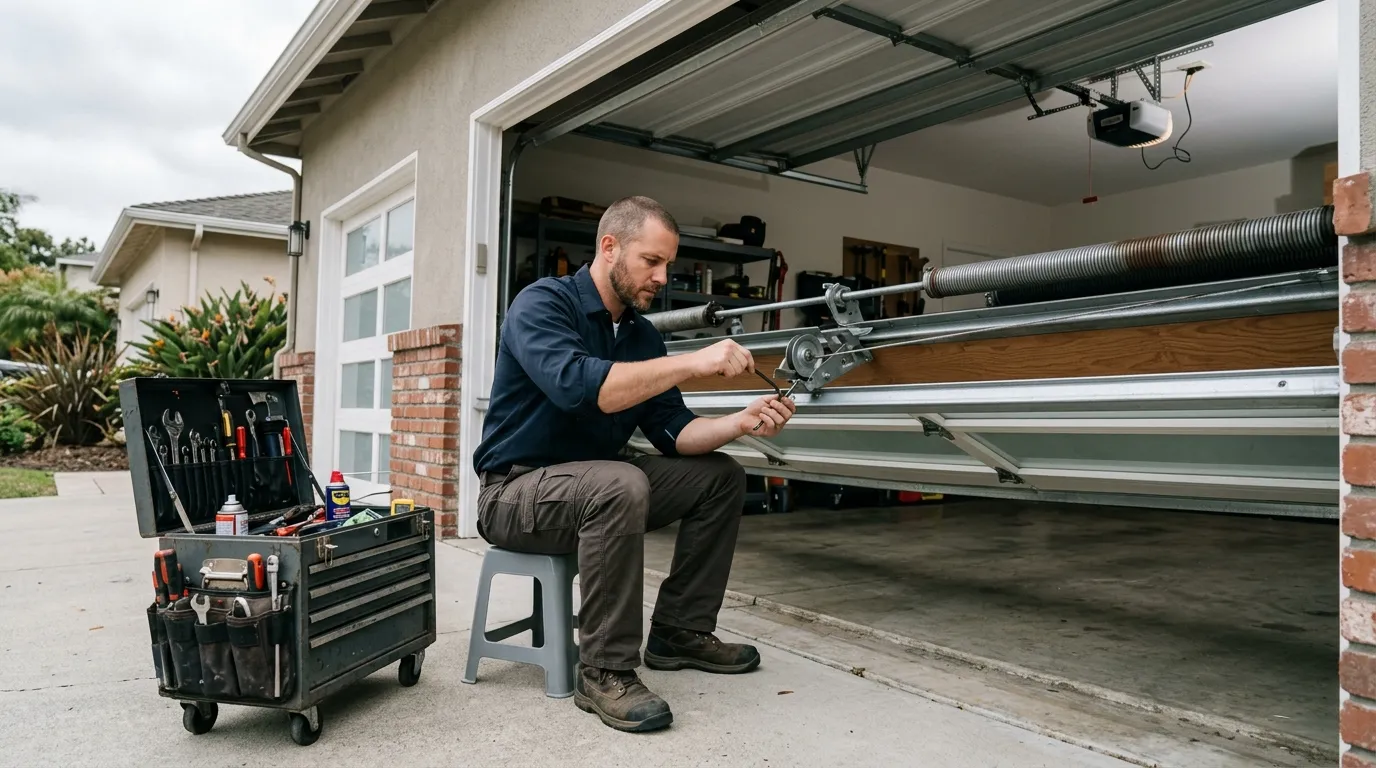
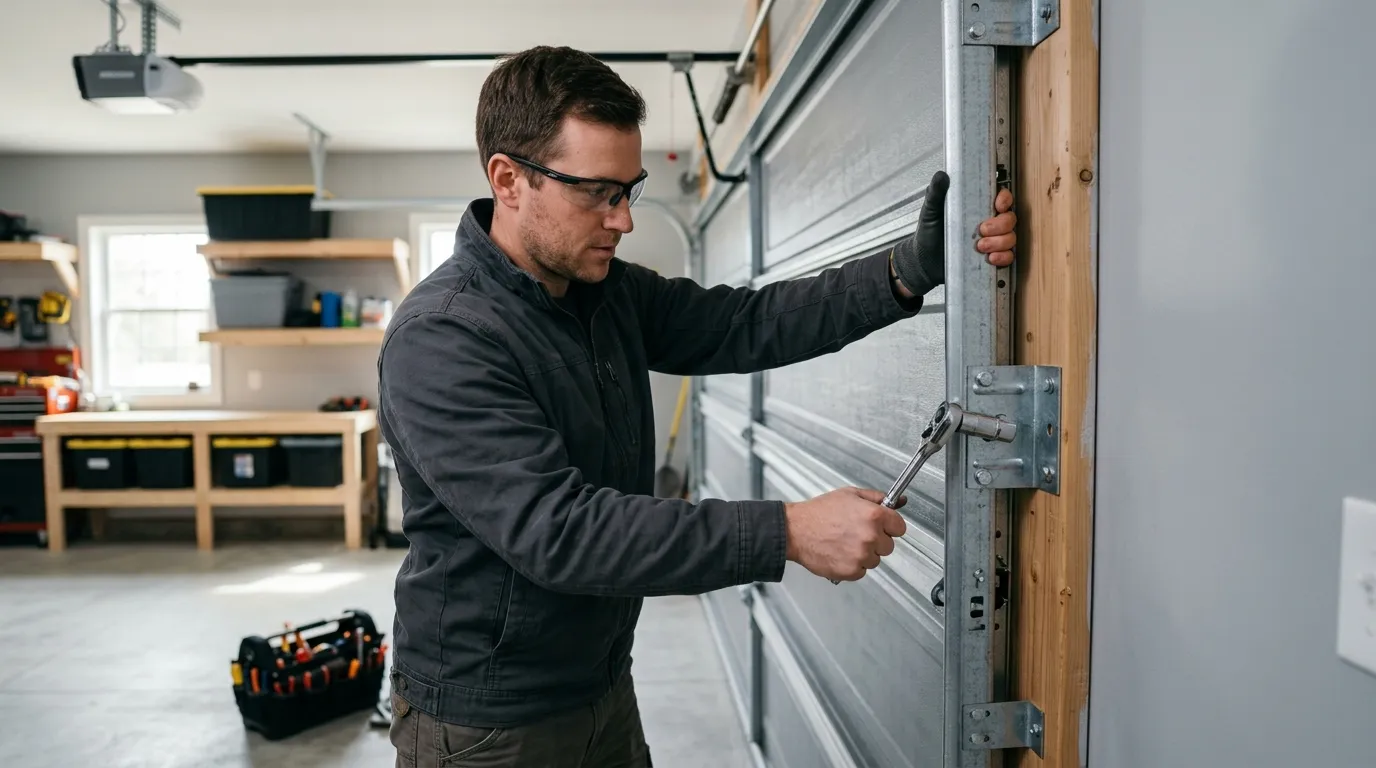
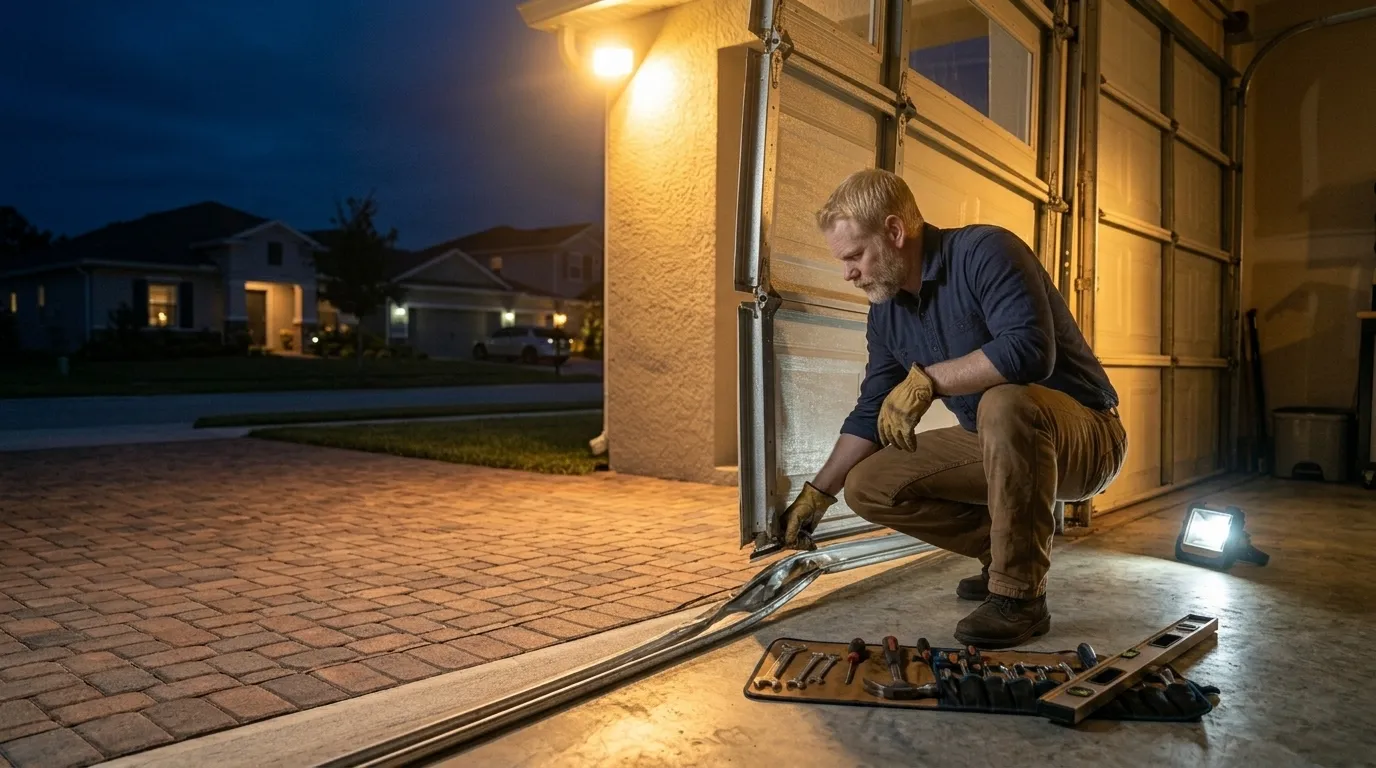
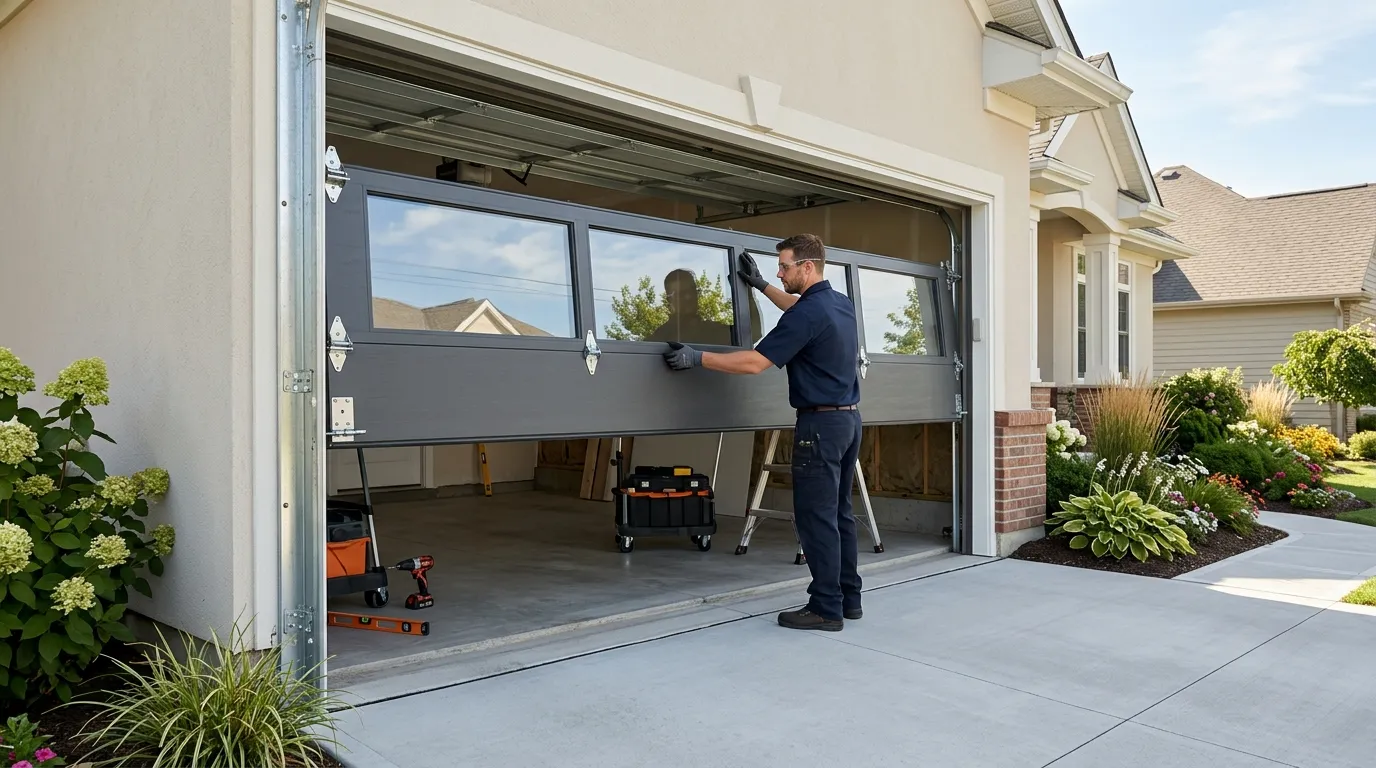
Installation starts with the door, not the opener box. We check spring balance and track condition first, because a new opener bolted onto a door that's out of balance will burn out fast no matter how good the motor is. Once the door lifts clean by hand, we size the unit to the door's actual weight and headroom - a lot of garages in this area have low ceiling clearance from the original framing, which rules out certain drive types before we even open the box. We wire in a modern safety sensor pair and rolling-code receiver as standard, since a large share of what we're replacing predates both. For households wanting a smart-home tie-in, we set that up at install rather than leaving it as an afterthought. One honest limitation: if the door itself has a bent track or a spring near failure, we're not going to hang a new opener on it and call the job done - that gets fixed first, even if it means a second trip for parts that aren't on the truck.
How It Shows Up
The complaint usually starts small. The door hesitates before it moves, or it opens fine but closes with a shudder halfway down. Sometimes it's noise - a grinding or clicking that wasn't there a year ago. Other times it's the remote losing range, working from the driveway but not from the street, which points to a receiver on its way out rather than anything mechanical. We also hear from owners whose door reverses randomly on a warm afternoon; that's often a limit switch drifting out of calibration on an aging board, not a sensor problem. Because San Diego sits in a mild temperate band without the deep freeze-thaw cycles or extreme heat swings that stress openers elsewhere, we don't see a lot of weather-triggered failures - what we see instead is straightforward wear building slowly over many years of daily use, which is why the symptoms creep in rather than hit all at once.
Why It Happens Here
Across the roughly 136,422 households in this service area, and 48,883 owner-occupied houses specifically, a large chunk of that stock was built during the same twenty-five year window - 1967 through 1992 - which means a large chunk of the openers installed in those garages are also aging out on the same rough schedule. That's not true everywhere; a city with a wider spread of build decades would see opener failures spread out more evenly instead of clustering. Add a median household income of $118,431 for the area and you get a pattern we see a lot: owners who could keep patching an old unit choosing instead to replace it before it strands them, often bundling in a quieter belt drive or a smart opener with camera and phone alerts. The mild climate here means the motor itself usually isn't the weak link - it's the drive mechanism, the gears, and control boards from an era before rolling codes and modern safety reversal were standard.
How it works
From “it’s stuck” to “it’s fixed”
1
Tell us what’s wrong
Describe the symptom - won’t open, loud bang, opener runs but the door won’t move.
2
On-site diagnosis
A technician tests the door under power and by hand and finds what actually failed.
3
Clear, up-front plan
You get the fix that’s needed and what drives the cost - before any work starts.
4
Repaired & tested
The repair is done, the door is set true and tested, and the work area left clean.
Serving San Diego, CA - tell us what your door’s doing and we’ll take it from there.
How do I know if I need a new opener or just a repair?
If the door moves smoothly by hand and the opener just runs rough, noisy, or intermittently, a repair or part swap might be enough. If the unit predates rolling-code remotes and modern safety sensors - common in houses built in the 1967-1992 range across this area - replacement is usually the better call even if it still technically works.
Will a new opener work with my old garage door?
In most cases, yes, once we confirm the door's weight and balance. Some houses in this area have lower headroom from original framing, which limits which drive types fit. We check the door and track before recommending a specific opener rather than guessing.
Does San Diego's climate affect opener lifespan?
Less than you'd think. The mild temperate conditions here don't put openers through the freeze-thaw or extreme heat cycles that wear out motors and boards faster in other climates. Most failures we see are tied to age and outdated hardware, not weather.
Can you add smart-home features during install?
Yes. If you want phone alerts, camera monitoring, or app-based control set up, we wire that in at the time of installation rather than adding it later. It's simpler to configure once, during the initial setup, than to retrofit afterward.
Ready to get your garage door sorted?
Tell us what it’s doing and where you are in San Diego - we’ll take it from there.