Doing Nothing For Now
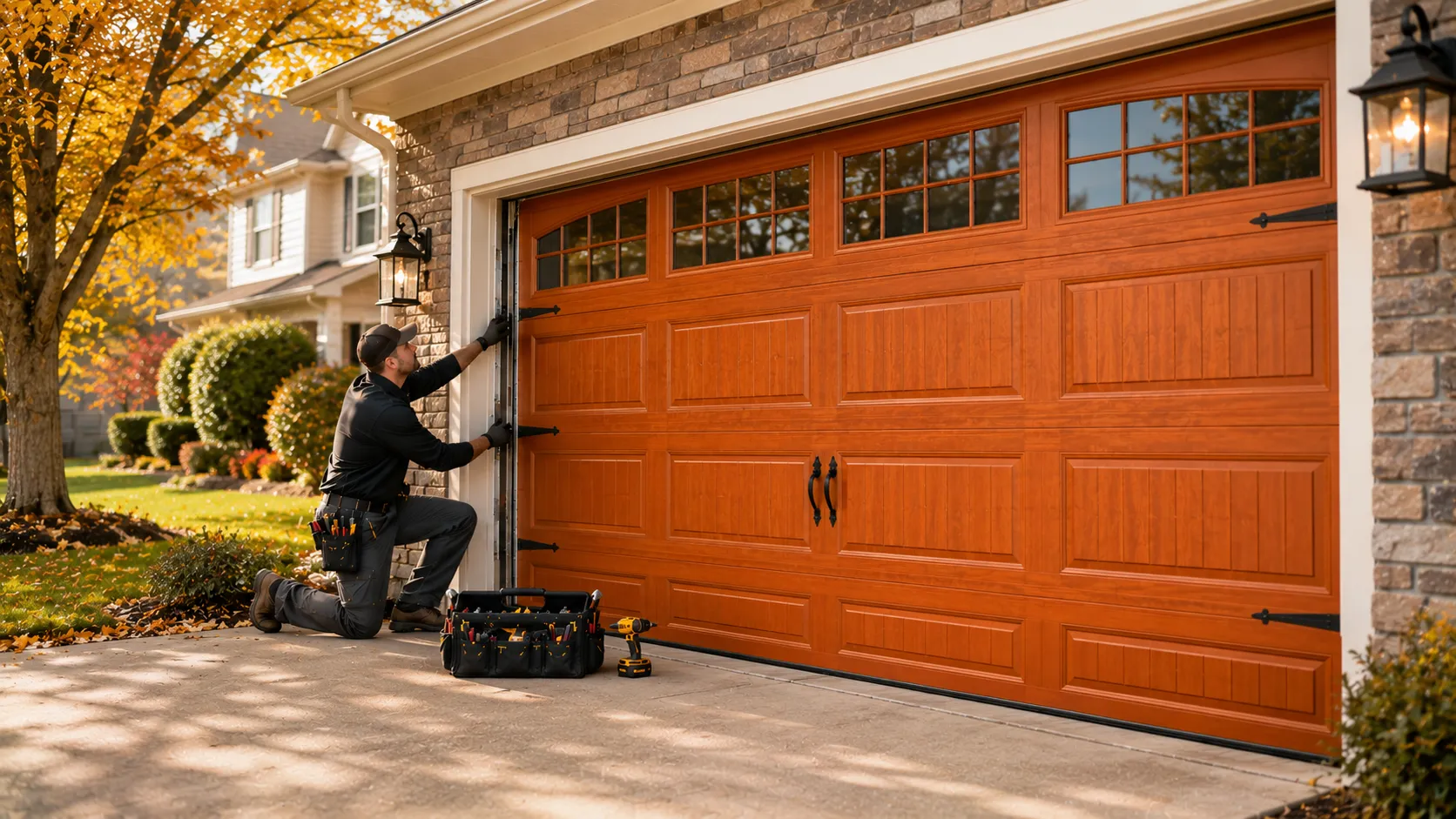
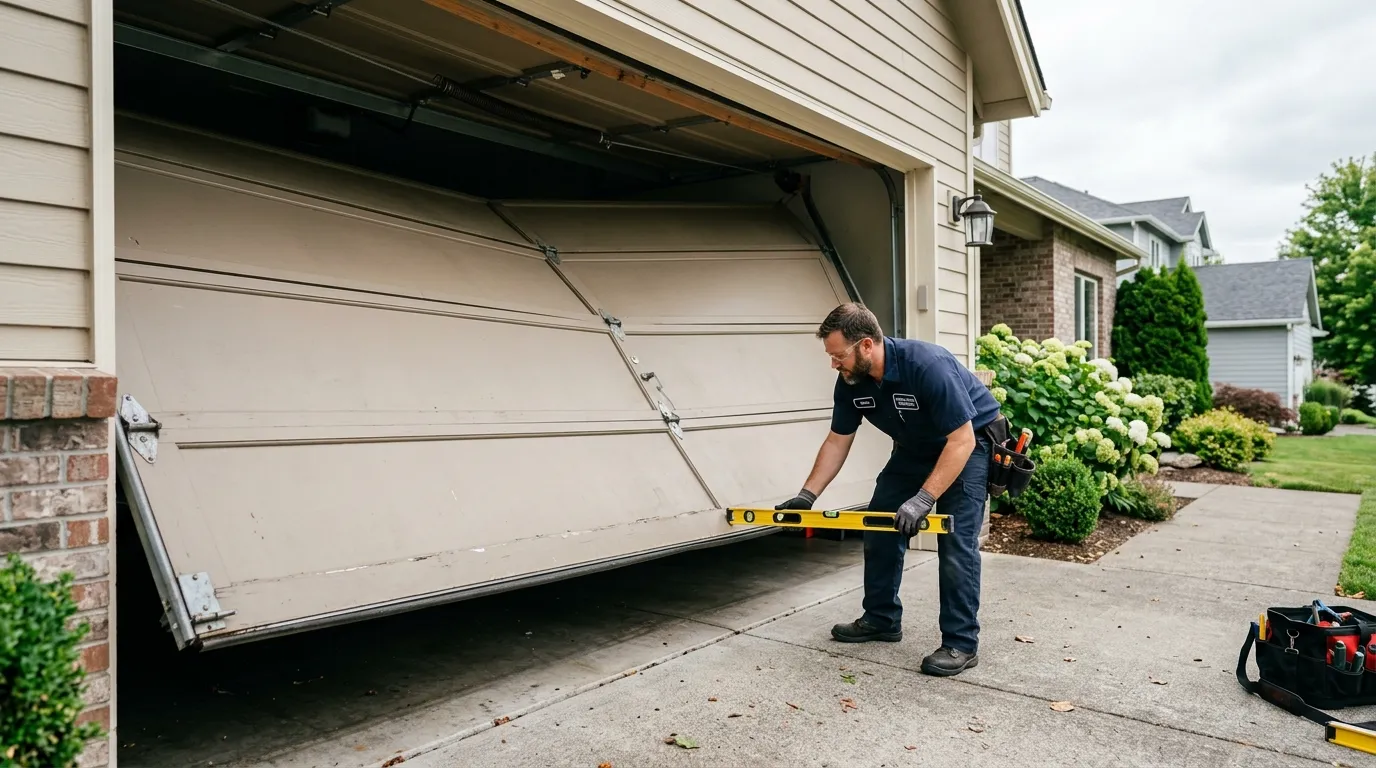
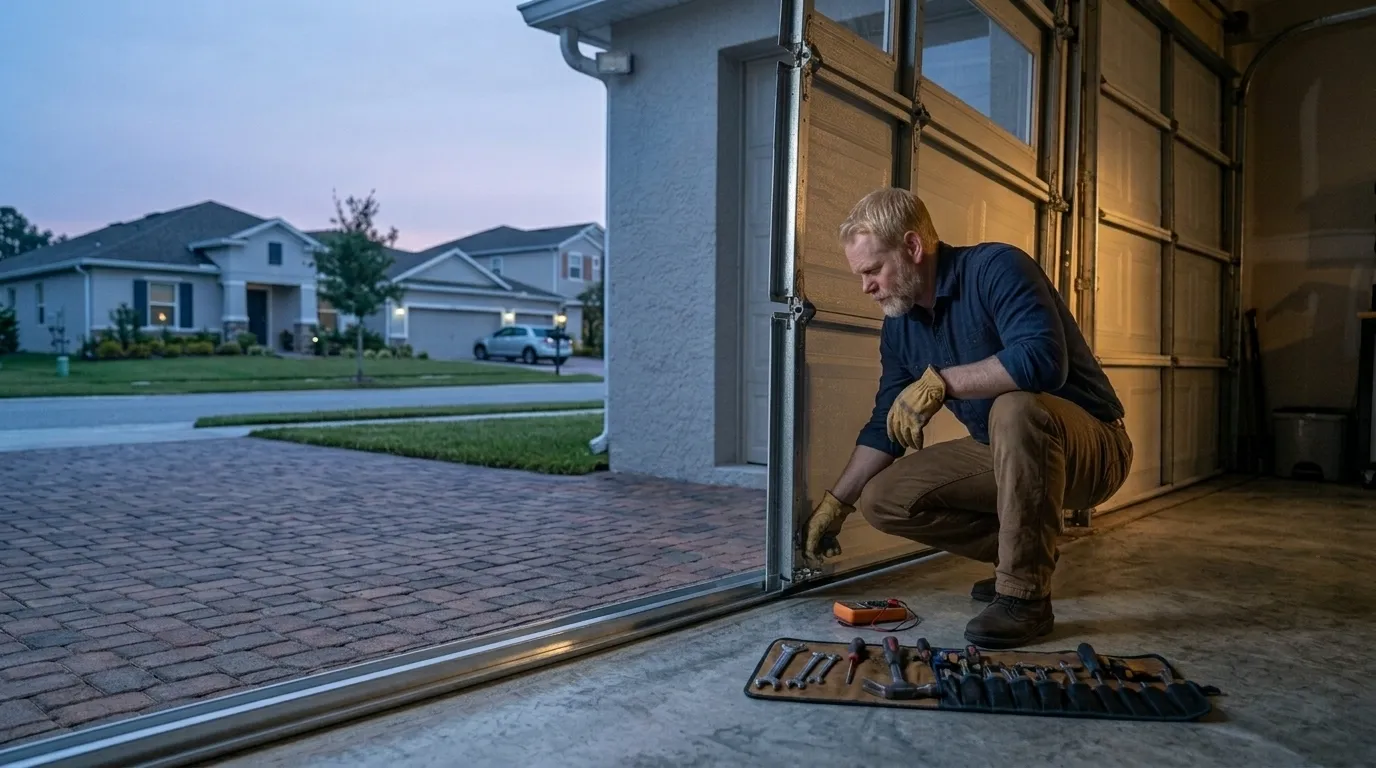
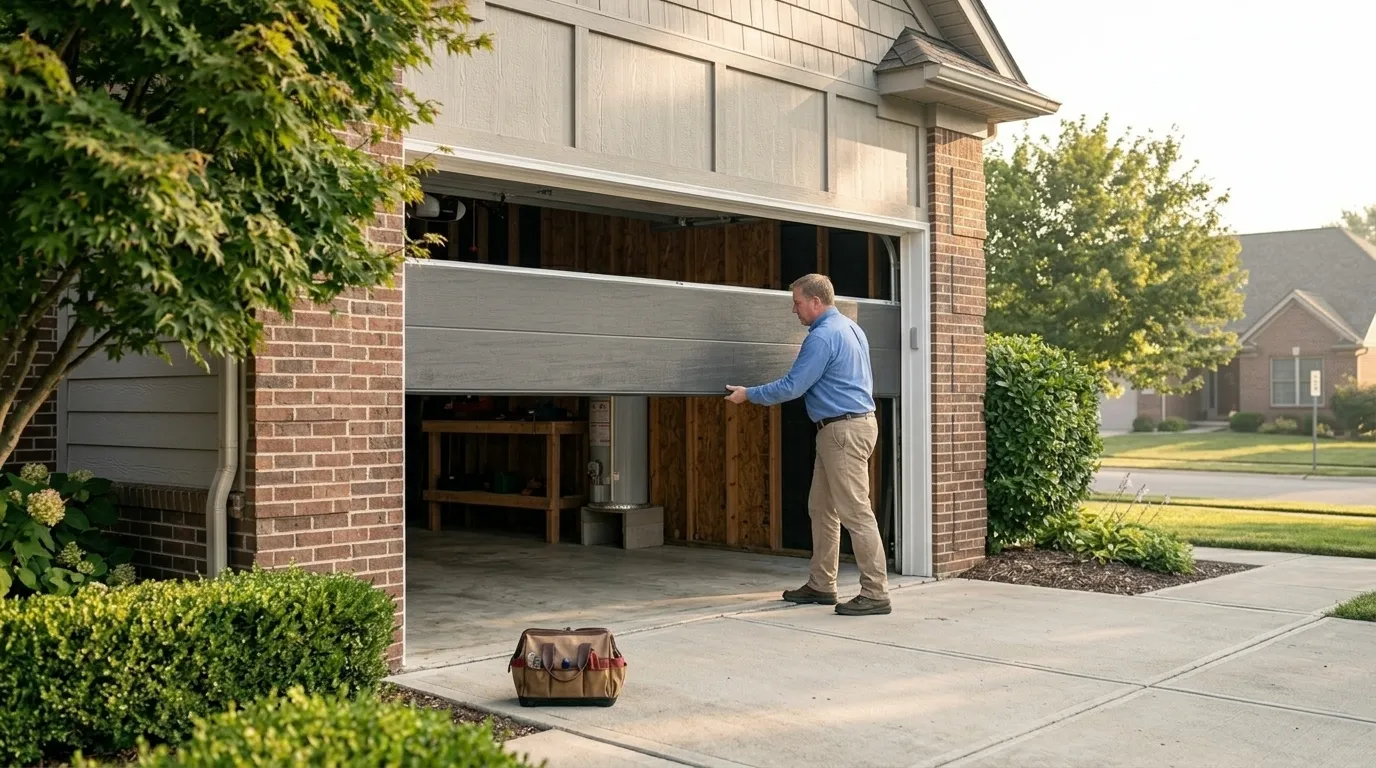
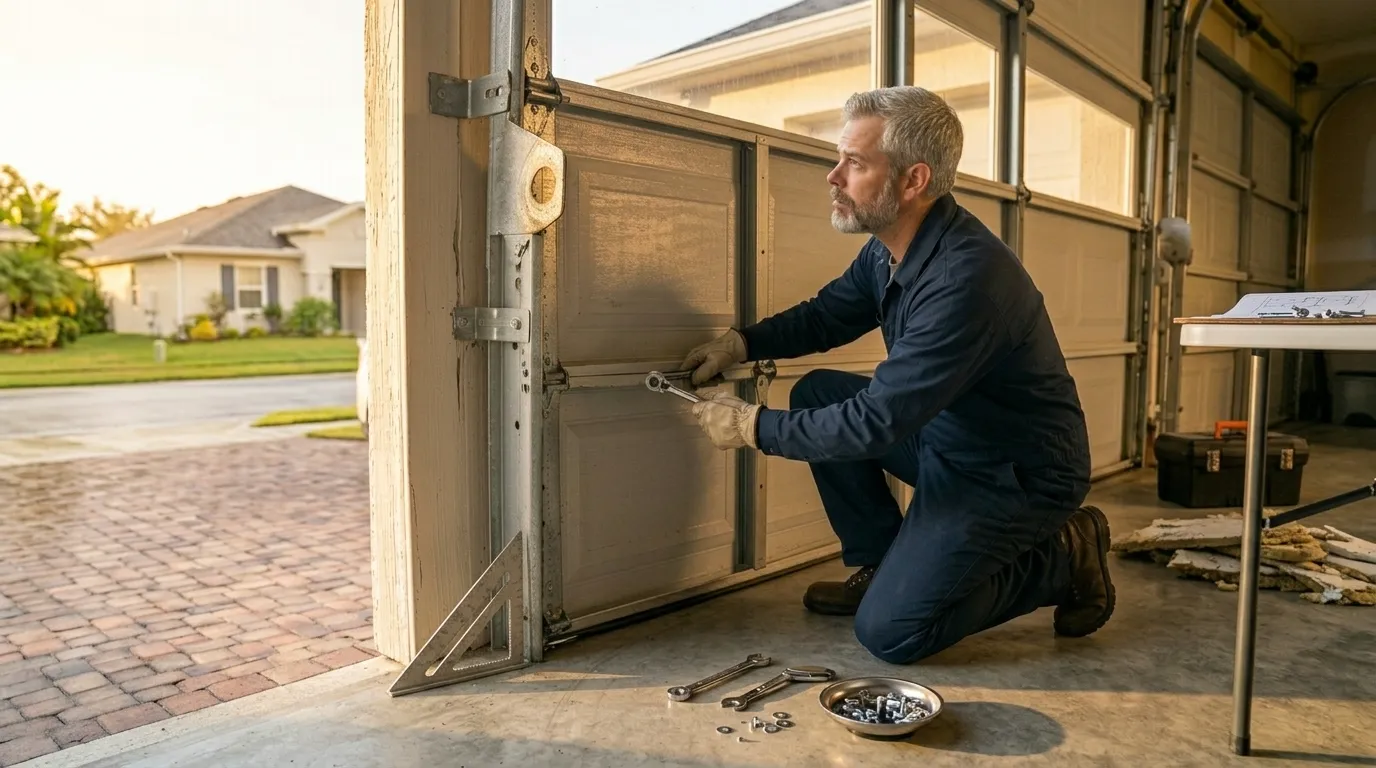
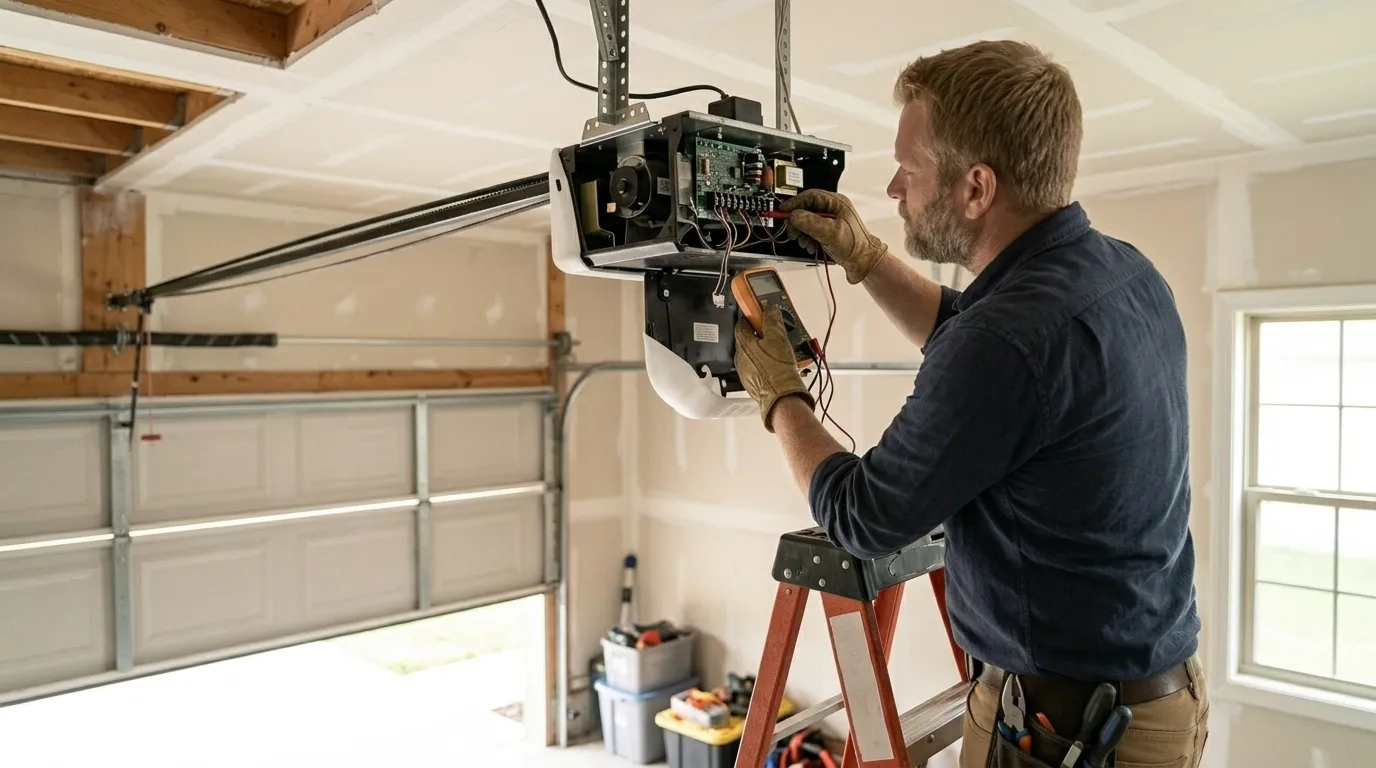
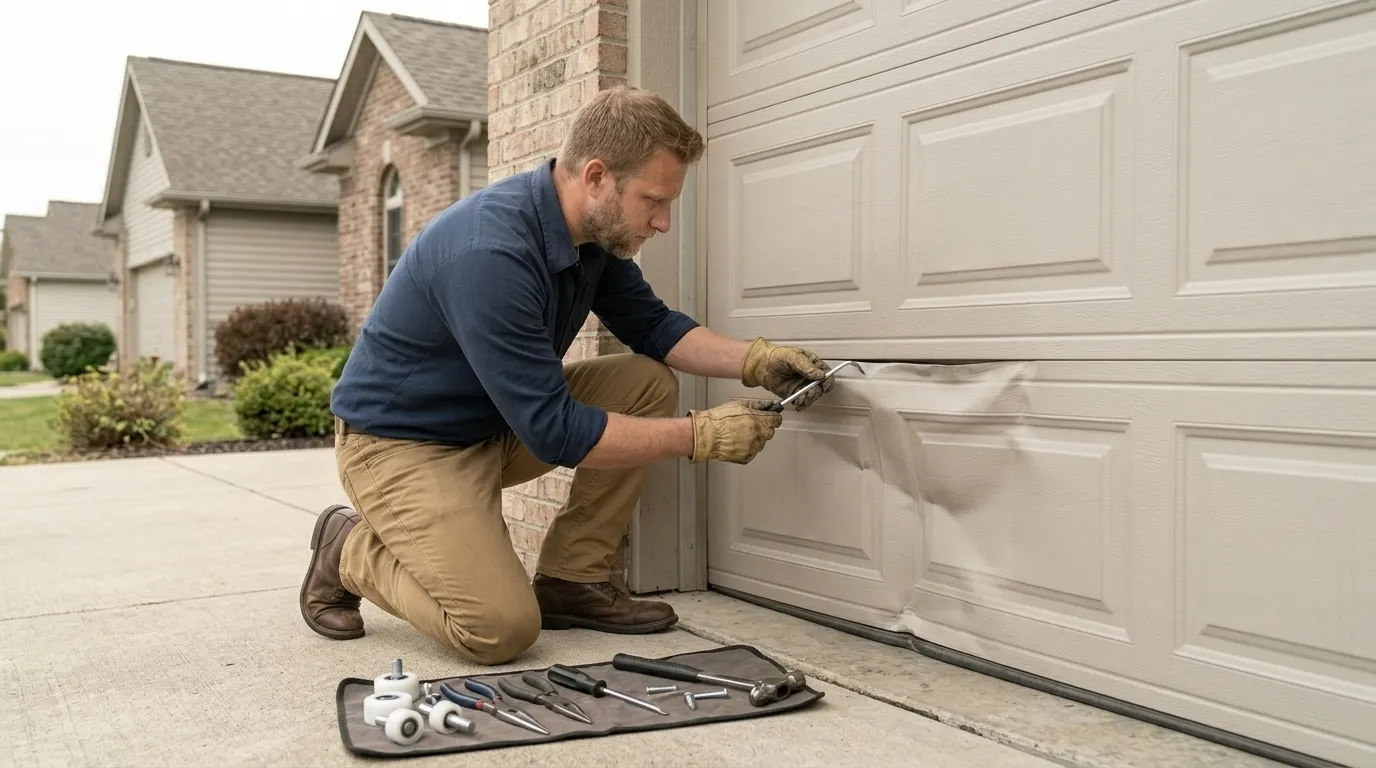
A door that's partway off track will usually still open and close, which is exactly what makes people put off the call. But a roller riding outside its rail is putting sideways load on the opener's drive system that it was never built to carry, and the cables on either side of the door are no longer sharing the door's weight evenly. Keep running it and you're more likely to end up with a snapped cable or a cracked panel than with the same minor misalignment you started with. The other cost of waiting is timing: once a bracket has pulled far enough from the framing, the fix moves from a rail adjustment to a bracket reset, which takes longer and costs more. None of that means every off-track door is an emergency - a door that's binding but still moving slowly under its own power can usually wait a day or two for a scheduled visit rather than an after-hours one. But leaving it running while it's visibly off the rail is the one choice that reliably turns a small job into a bigger one.
What the Weather Here Does to It
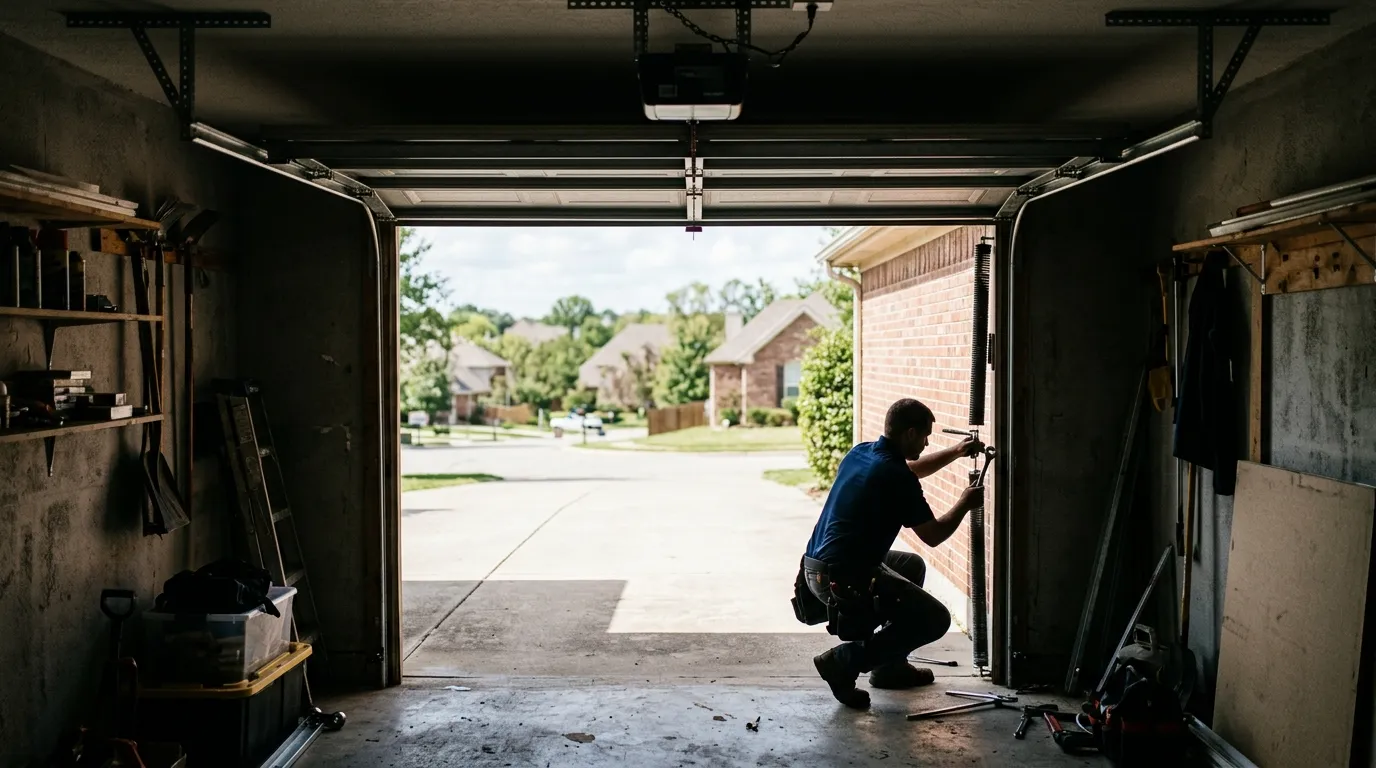
San Diego sits in a mild temperate band, and that actually works in a homeowner's favor here compared to a lot of the country. The aluminum and steel track on a garage door expands and contracts with temperature, and in cities with hard freezes and hot summers that constant cycling is what loosens track brackets and warps rail over time. That's mostly not what's happening in this climate. When a door here jumps track, weather is rarely the direct cause - you're looking at a physical hit to the door, a roller that's simply worn out, or hardware that's been in place since the house was built and has finally loosened on its own. That's worth knowing because it changes where you look for the problem: instead of checking for frost heave or a track that's warped from summer heat, the more useful question is when the door and its hardware were last touched. If nobody's serviced the track and rollers since the house was built, age and use are doing the work that weather does in other places.