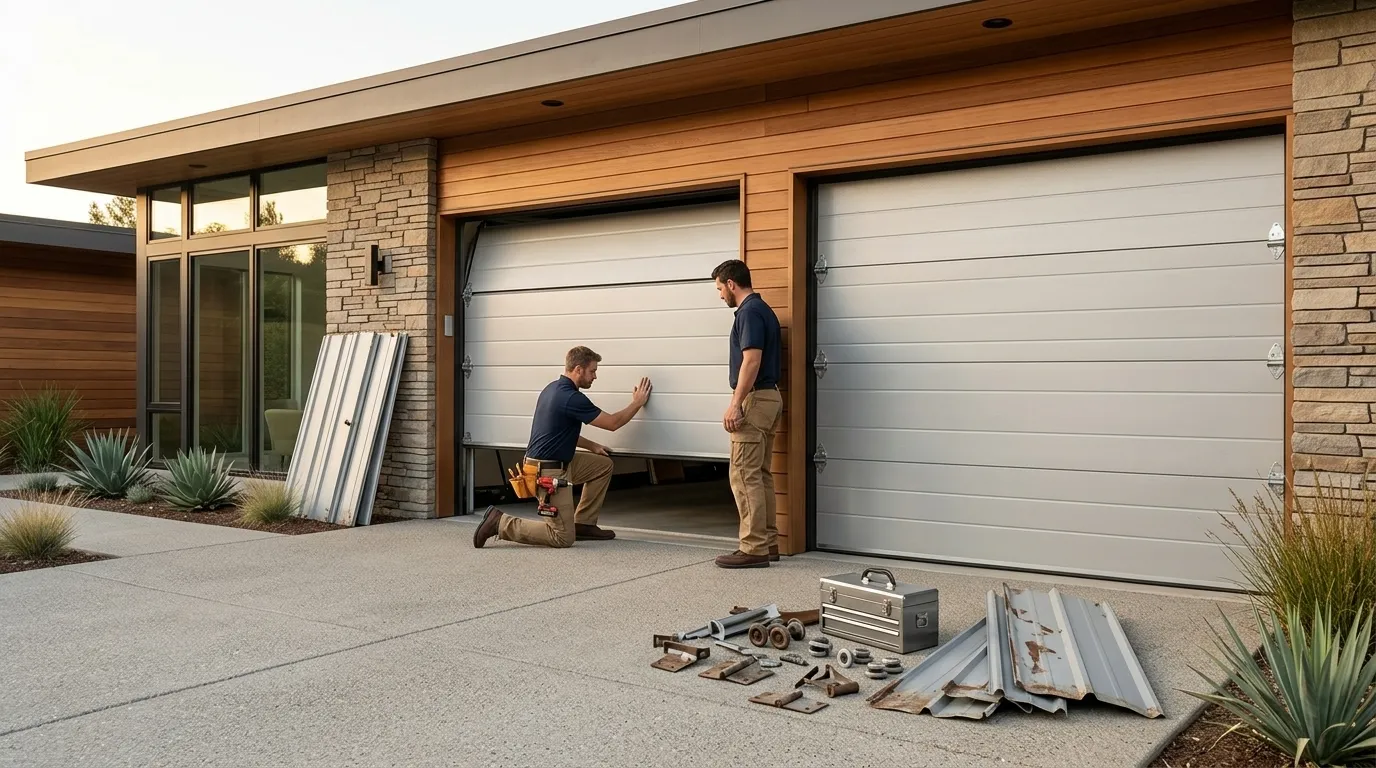
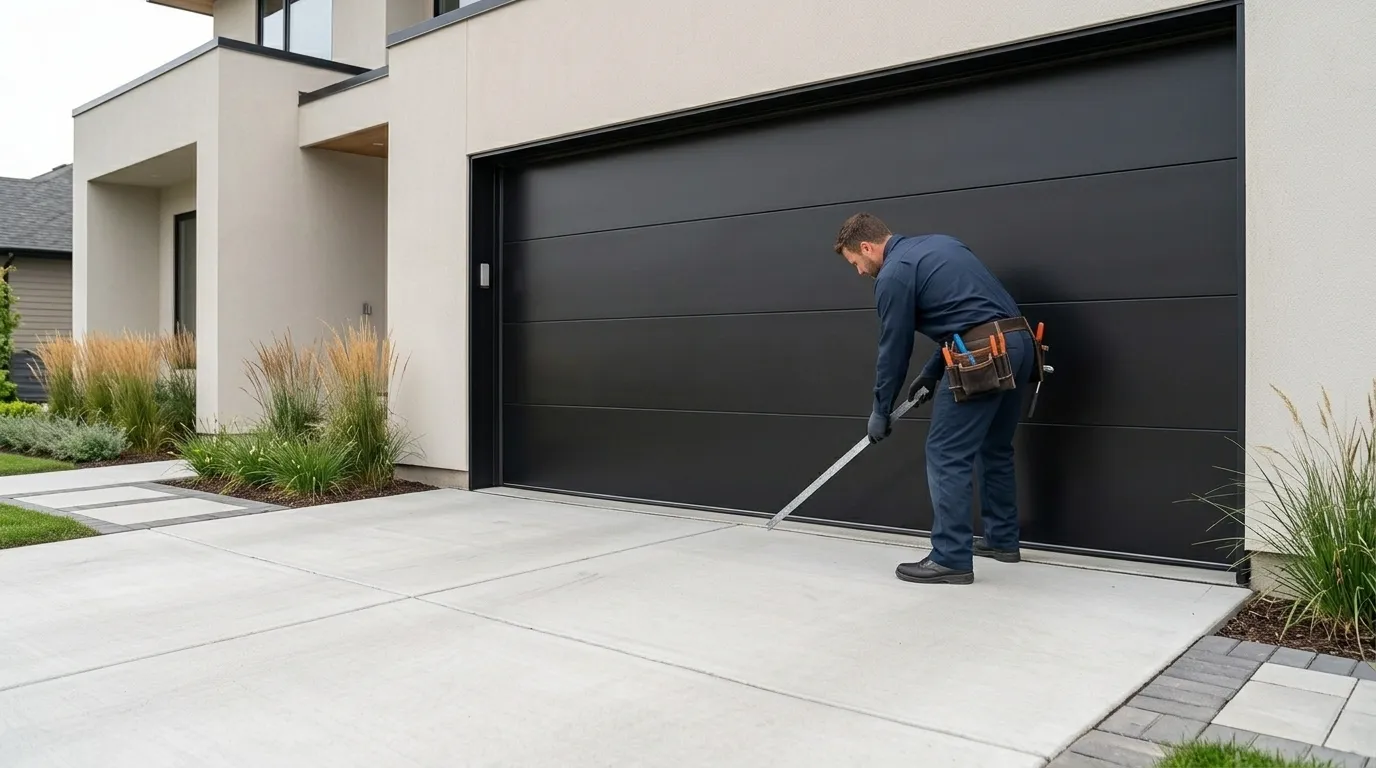
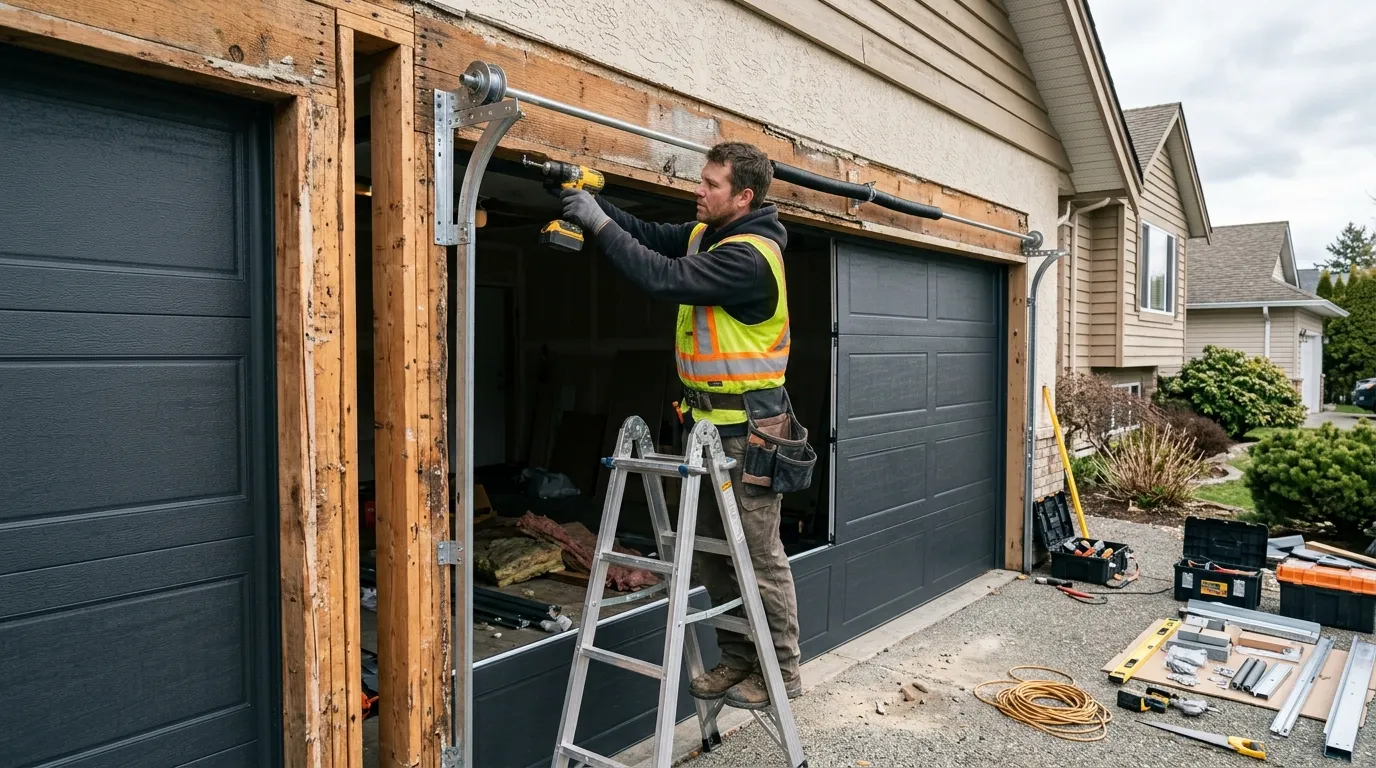
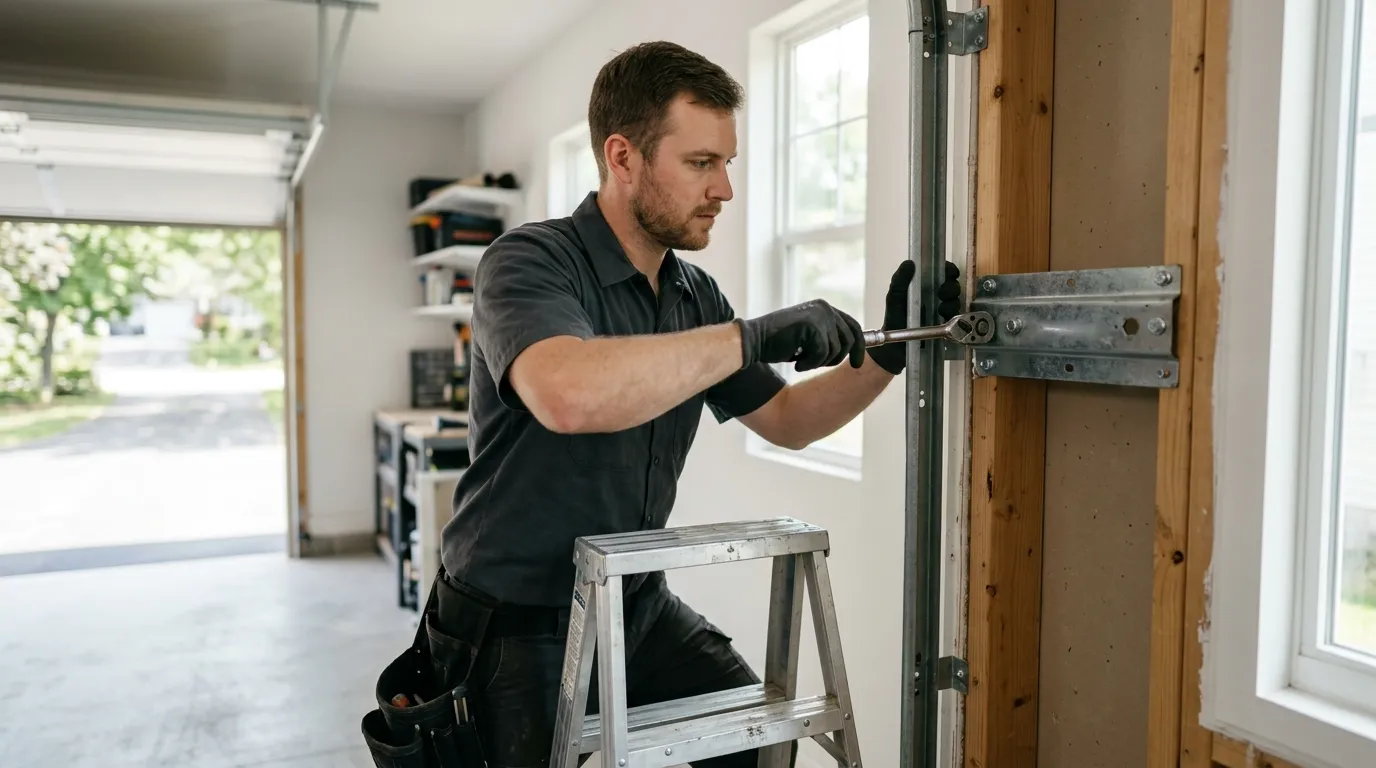
Dented, cracked, or rusted garage door panels on a San Diego home built between the 1960s and 90s? We match and replace single panels or full sections, and know when replacement beats repair.
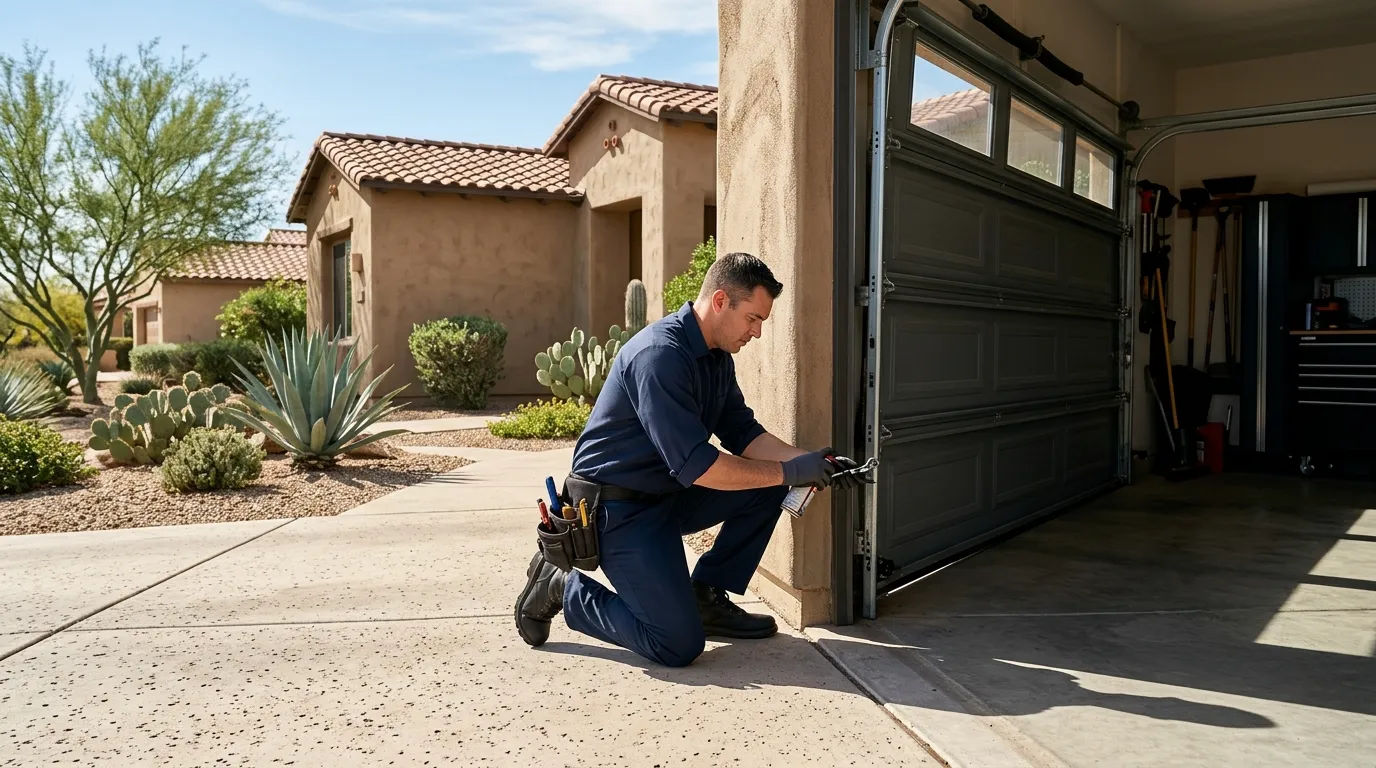
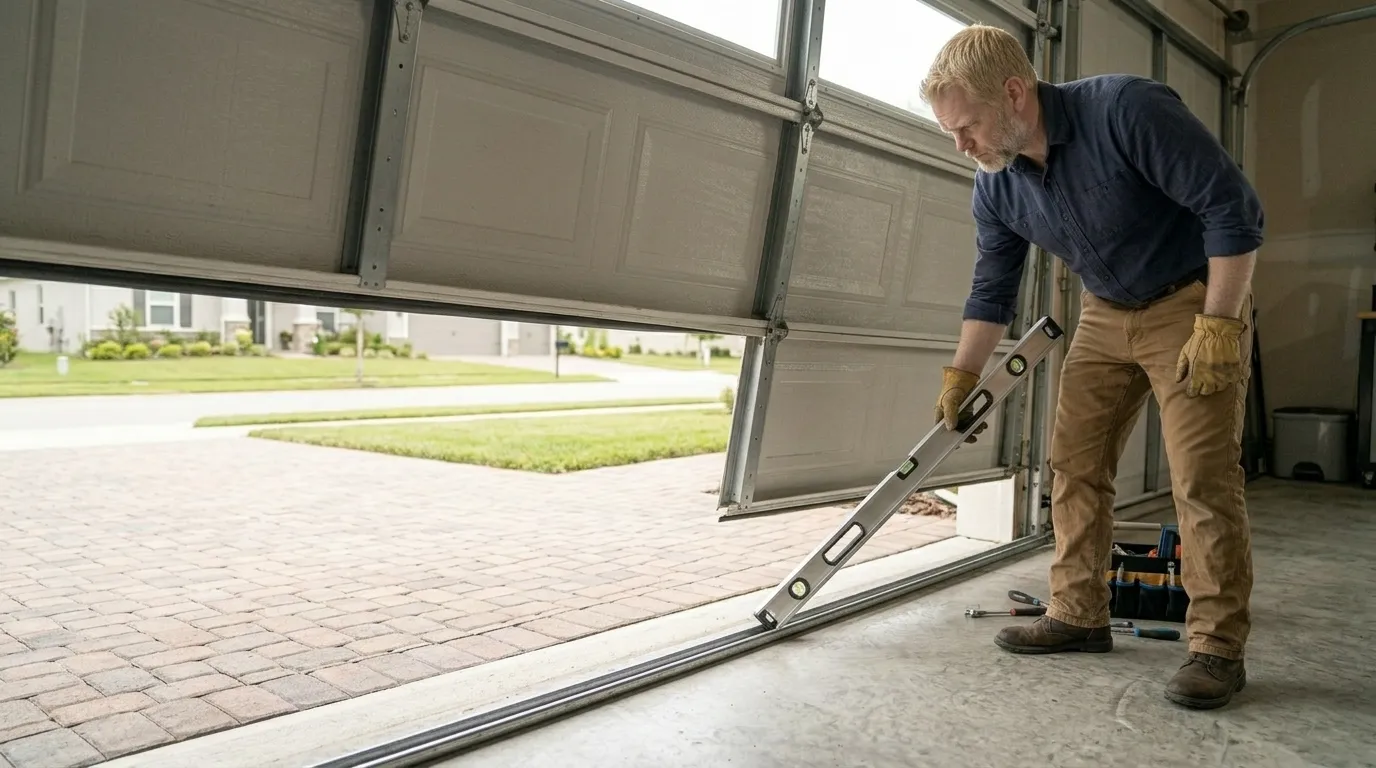
A garage door panel fails in a few predictable ways. A backed-up car or a trash can clips the bottom section and dents the steel or cracks the fiberglass. Sun exposure over decades chalks the paint and makes the panel brittle at the seams, so what used to flex now splits. On the older sectional doors common across San Diego, the panel profile itself can go out of production, which means a full section replacement instead of a patch. We also see mismatched panels from a prior repair where whoever did the work grabbed the closest size instead of the right one, and now the door doesn't sit flush in the track. Rust shows up mostly at the bottom panel, where sprinkler overspray or a damp slab keeps the steel wet longer than the rest of the door ever gets. None of this is really about one bad day for the door. It's wear that shows up fastest on houses that have had the same door since it went up, which around here is a lot of houses.
How We Fix It
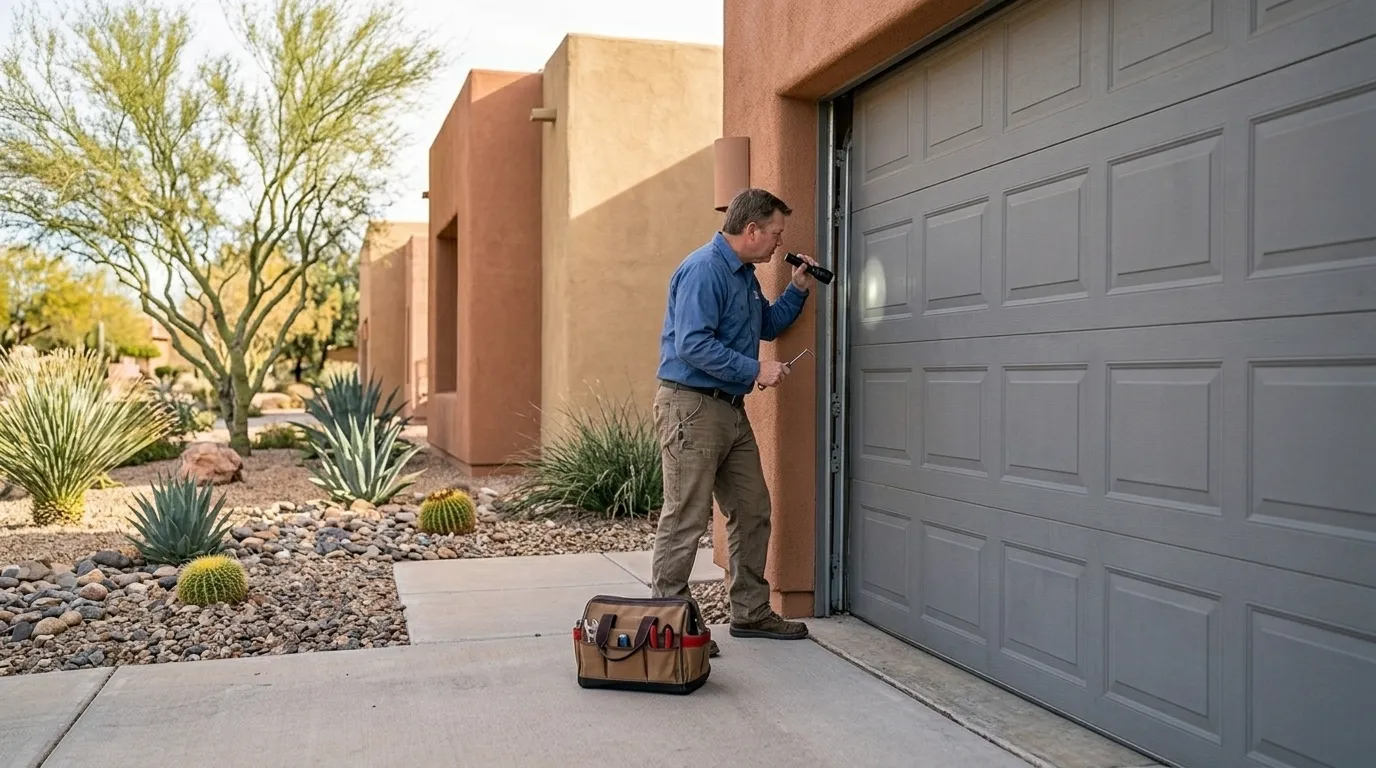
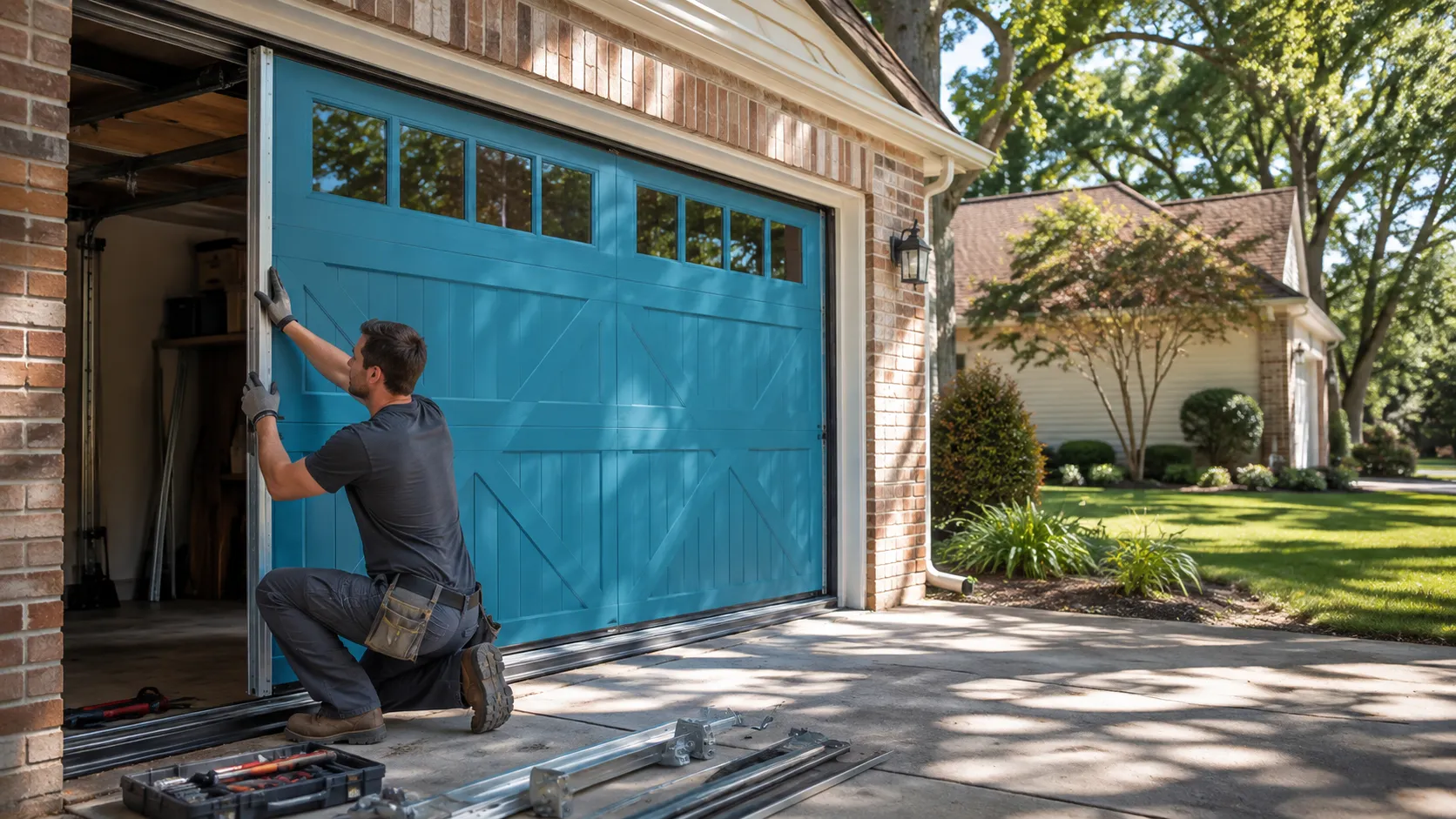
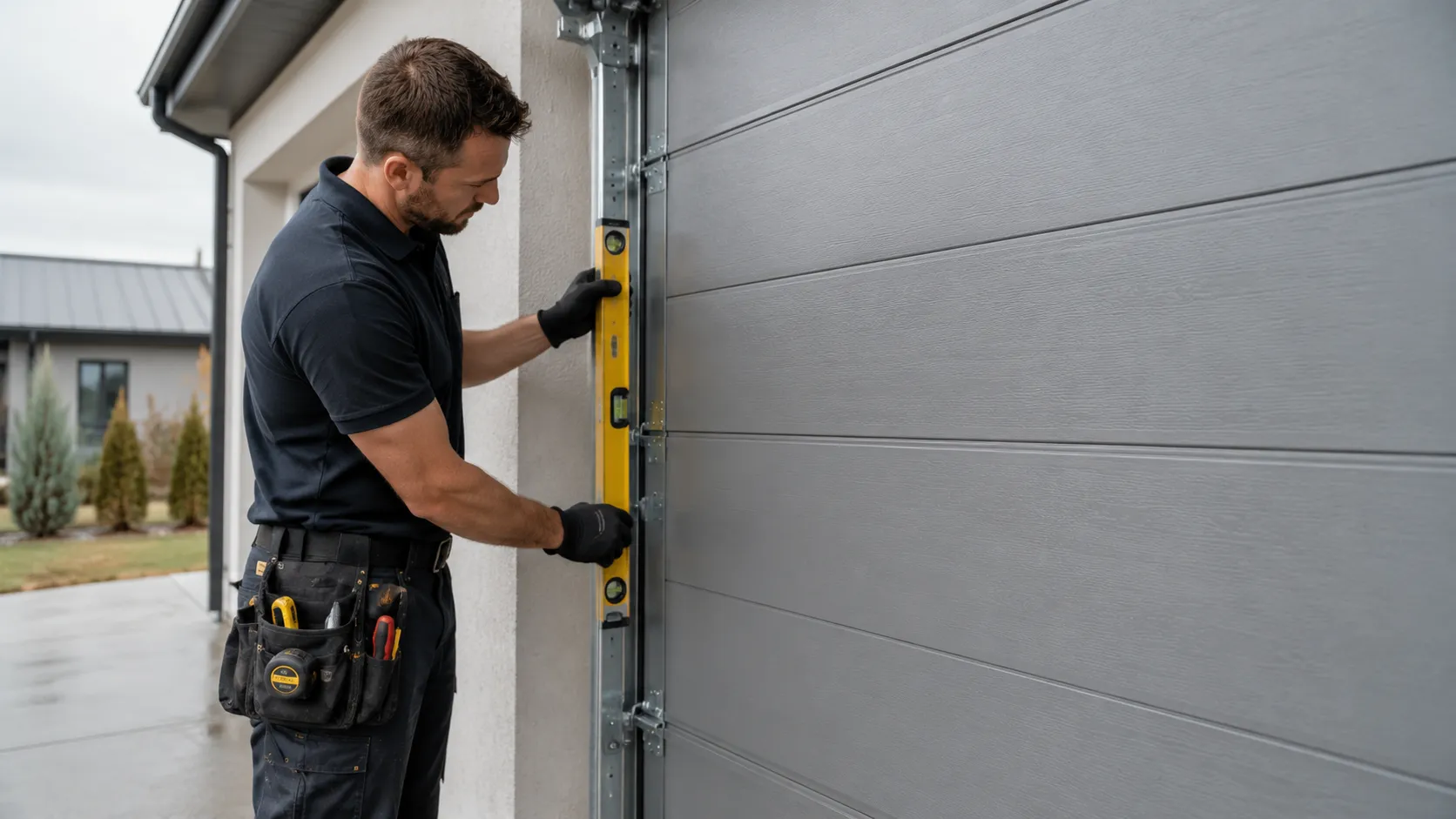
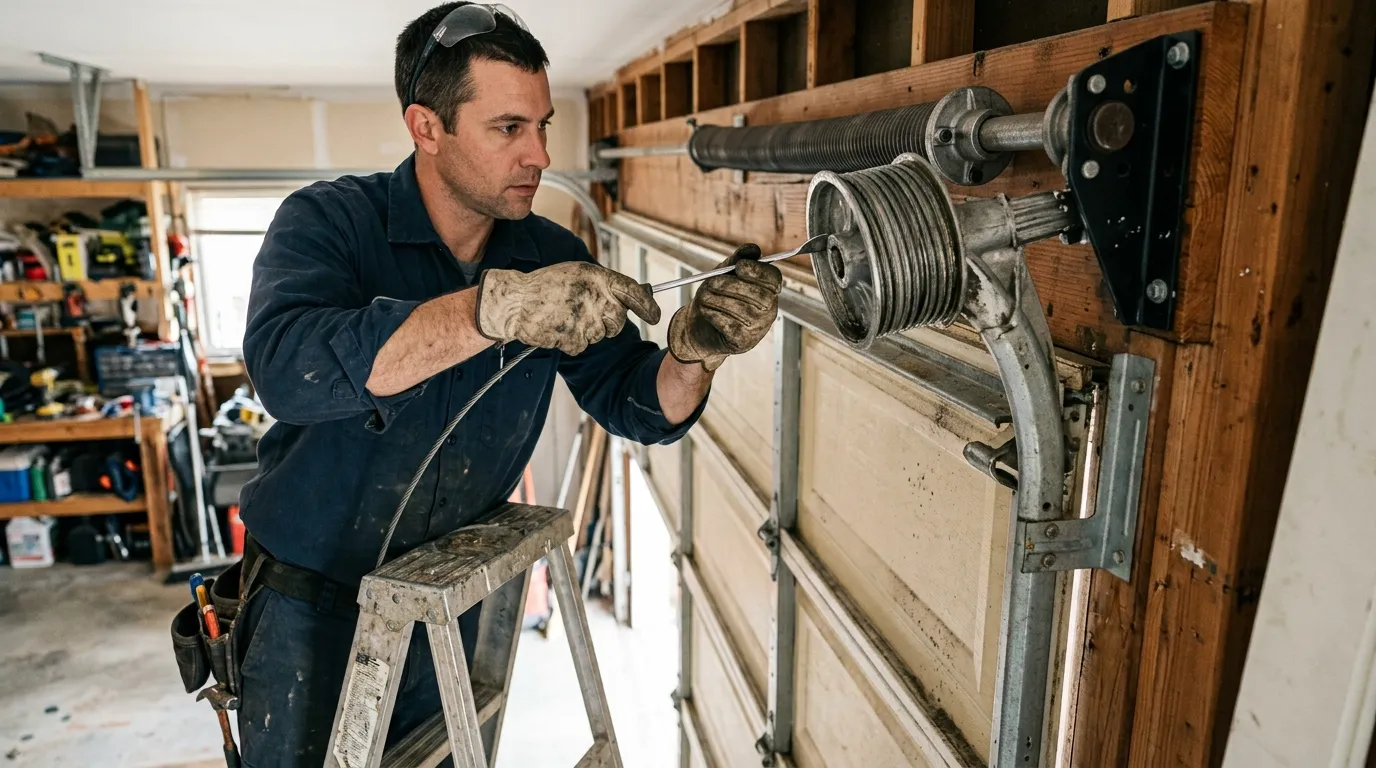
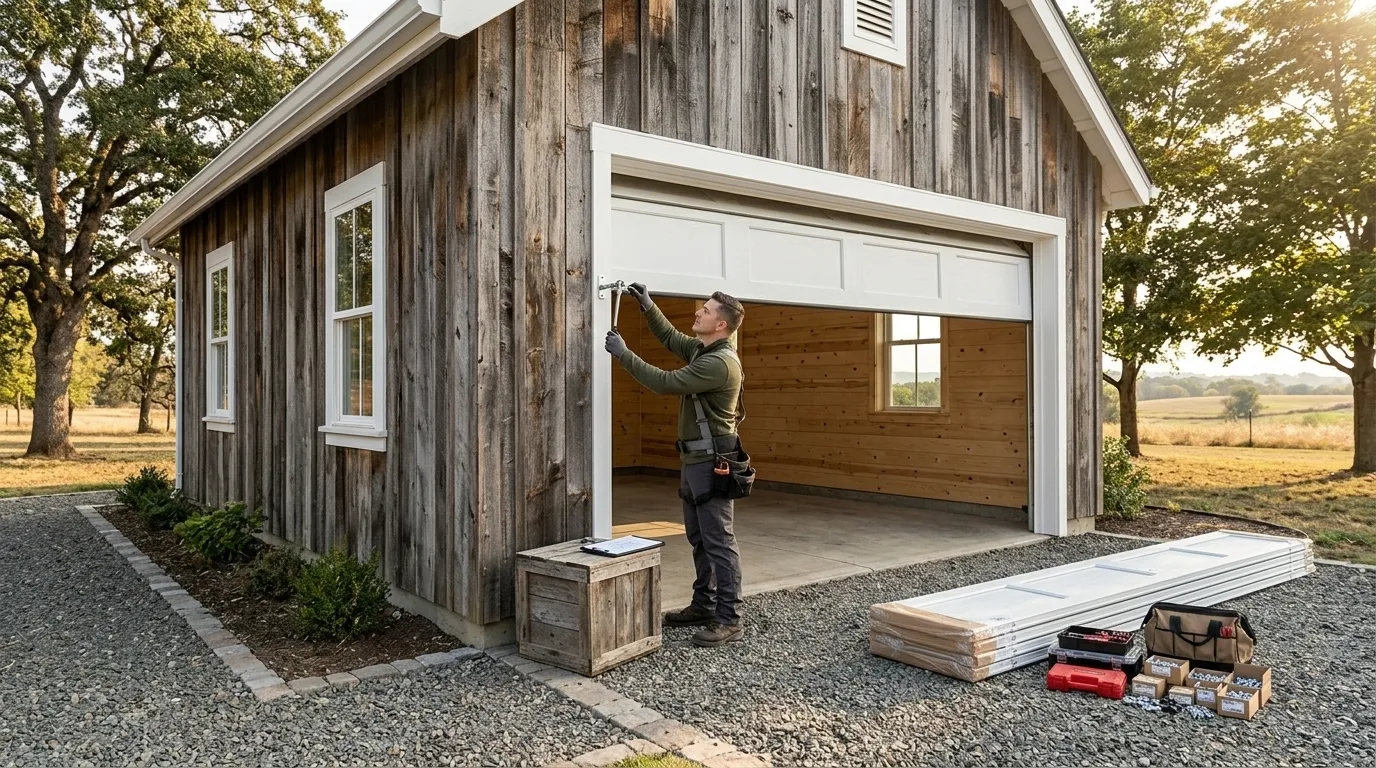
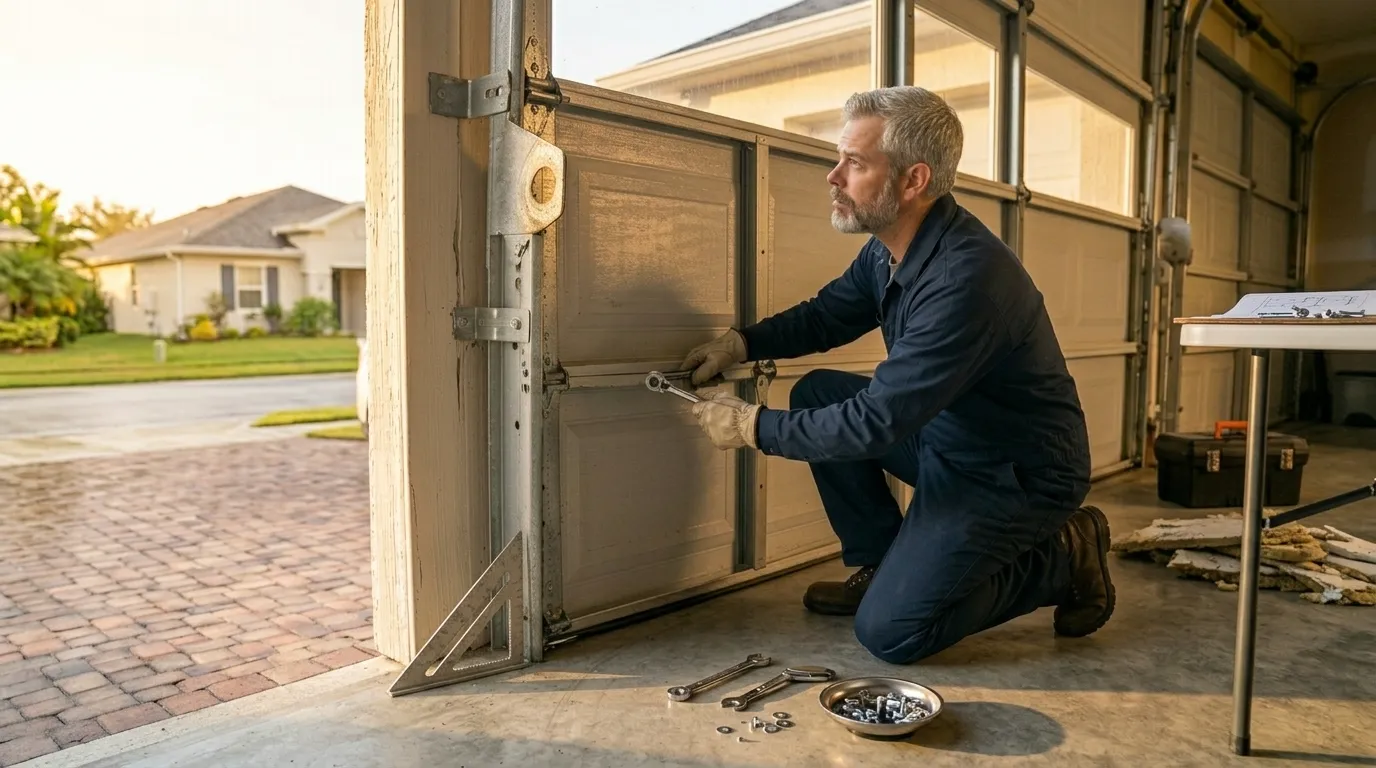
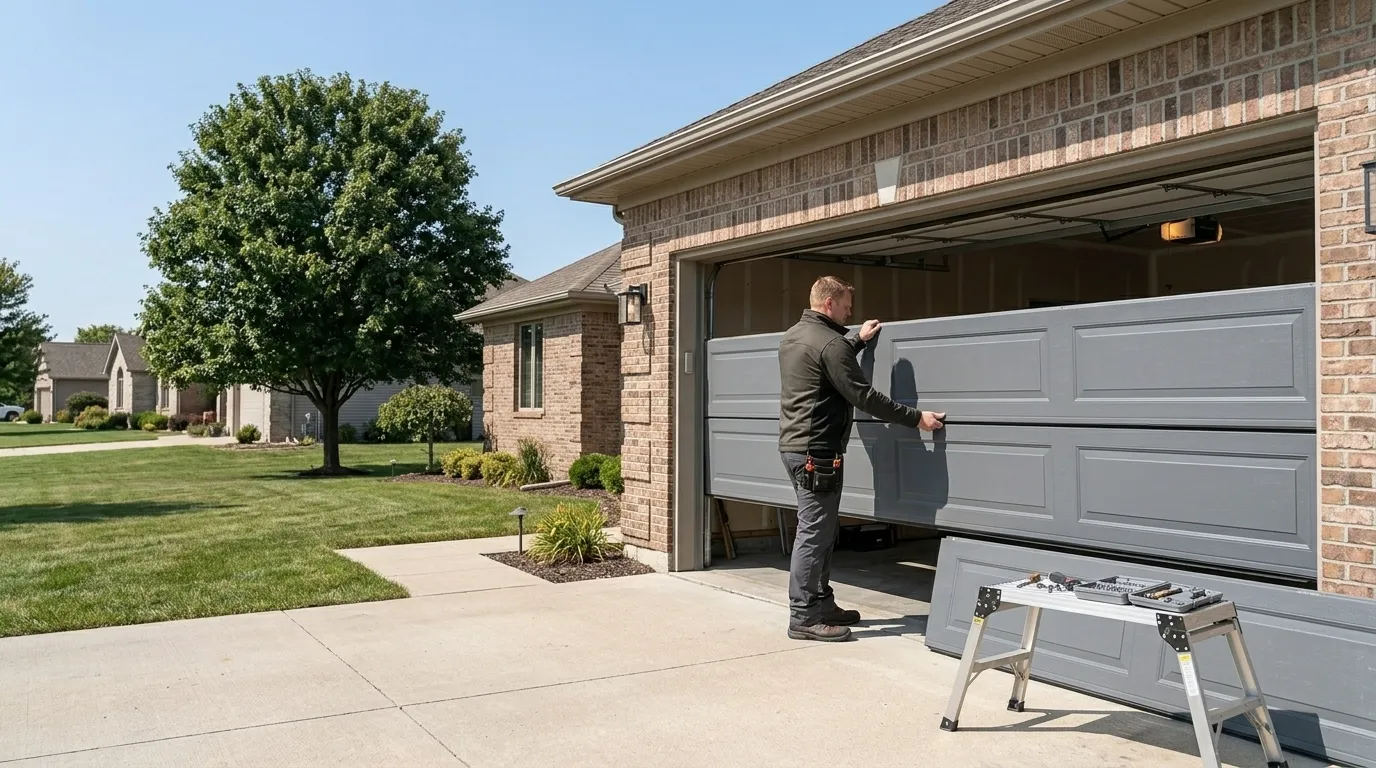
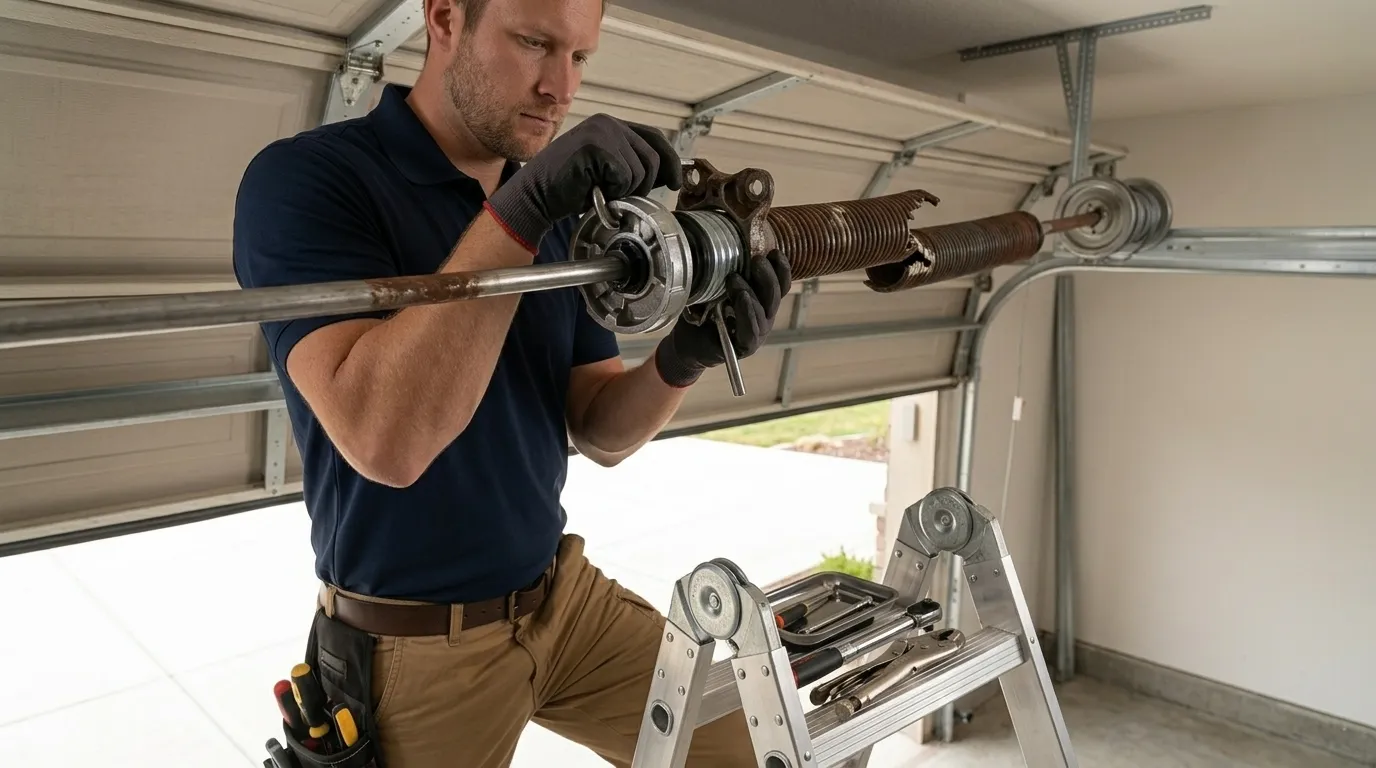
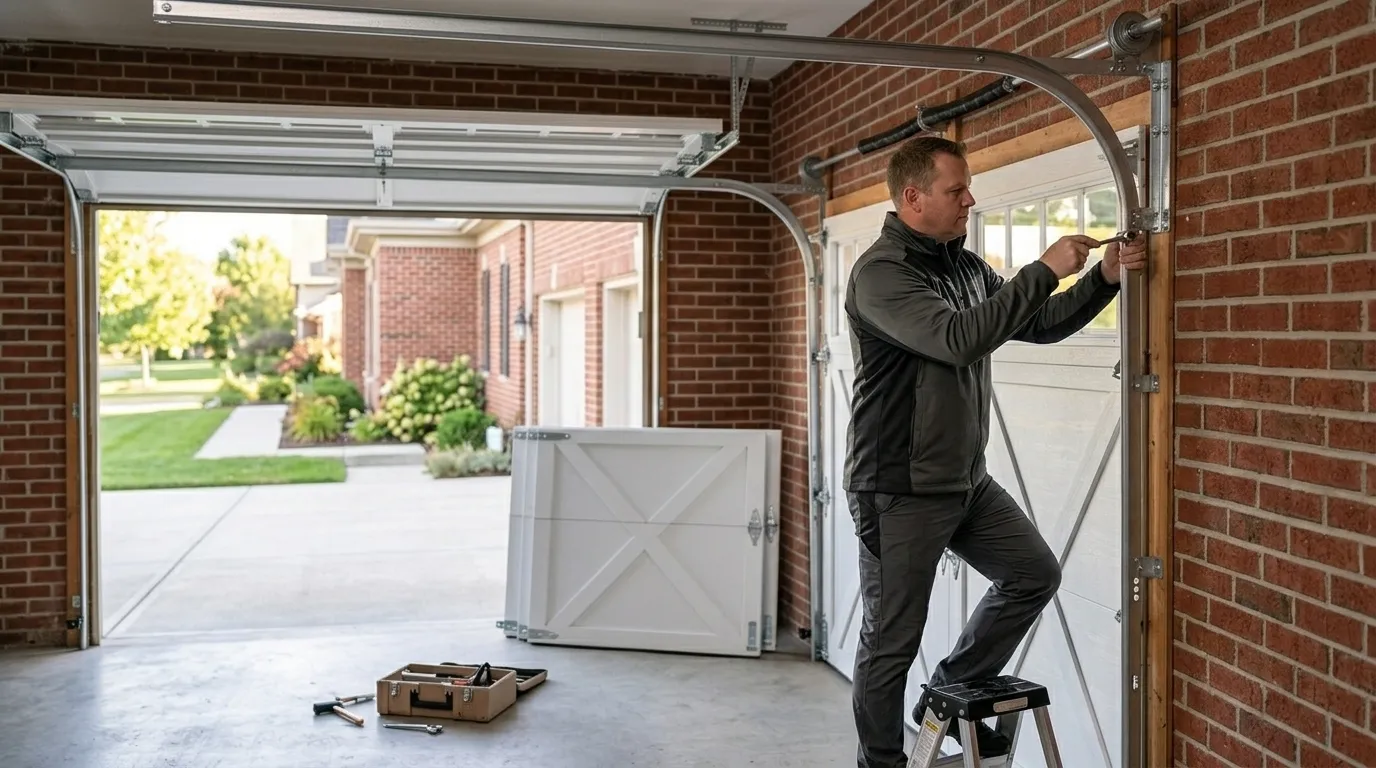
If the door still runs true and only one or two panels are damaged, we pull the specific section and replace it rather than the whole door. That's the cheaper job when it's available. Matching an obsolete panel profile from a door installed decades ago sometimes takes sourcing time, and we'll tell you upfront if that's the case rather than promise a same-day swap we can't deliver. Where the panel damage has spread to the hinges, rollers, or track on that section, we replace those parts at the same time so the new panel doesn't immediately get stressed by worn hardware around it. On doors where the whole panel run is fatigued - chalky paint, hairline cracks on more than one section, hinges pulling loose at multiple points - we'll say so plainly: a full door replacement is the better use of your money at that point, even though a panel swap is the smaller invoice today. We're not going to sell you four individual panel jobs over two years when one door replacement solves it once.
How It Shows Up
Most owners notice a panel problem before they'd call it that. The door looks fine closed but daylight shows at one bottom corner. The door catches or shudders at the same spot every time it travels, which usually means a bowed panel is binding against the track rather than sliding through it cleanly. Sometimes it's just cosmetic - a visible dent or a rust line at the bottom edge that wasn't there a year ago and is spreading. On older doors, a cracked panel section can also throw off the whole door's balance, so the opener strains harder than it used to and you can hear it. If you're feeling the door hesitate or seeing gaps that come and go with temperature, that's usually the panel telling you it's flexing more than it should, not a one-time fluke.
Why It Happens Here
Most of the garage doors we're replacing panels on across the San Diego service area went up between 1967 and 1992, with a lot of that stock centered right around 1975 - original doors on original hardware, in a lot of cases. Across the roughly 21 areas we cover, the housing is mostly 1960s and 70s stock, which means steel and fiberglass panels that have had 45 to 55 years of sun and use with no reason to be replaced until something actually breaks. San Diego's mild temperate climate is part of why these doors last as long as they do structurally - there's no freeze-thaw cycle cracking the panel seams the way it would in a harsher climate - but decades of UV exposure still chalks paint and makes older fiberglass brittle even without weather extremes. With 48,883 owner-occupied houses among 136,422 households across the area, and a median household income of $118,431, a lot of these are long-tenure owners who've kept the original door rather than replacing it early, which is exactly why panel matching on an older, sometimes discontinued profile is such a routine part of this job here.
How it works
From “it’s stuck” to “it’s fixed”
1
Tell us what’s wrong
Describe the symptom - won’t open, loud bang, opener runs but the door won’t move.
2
On-site diagnosis
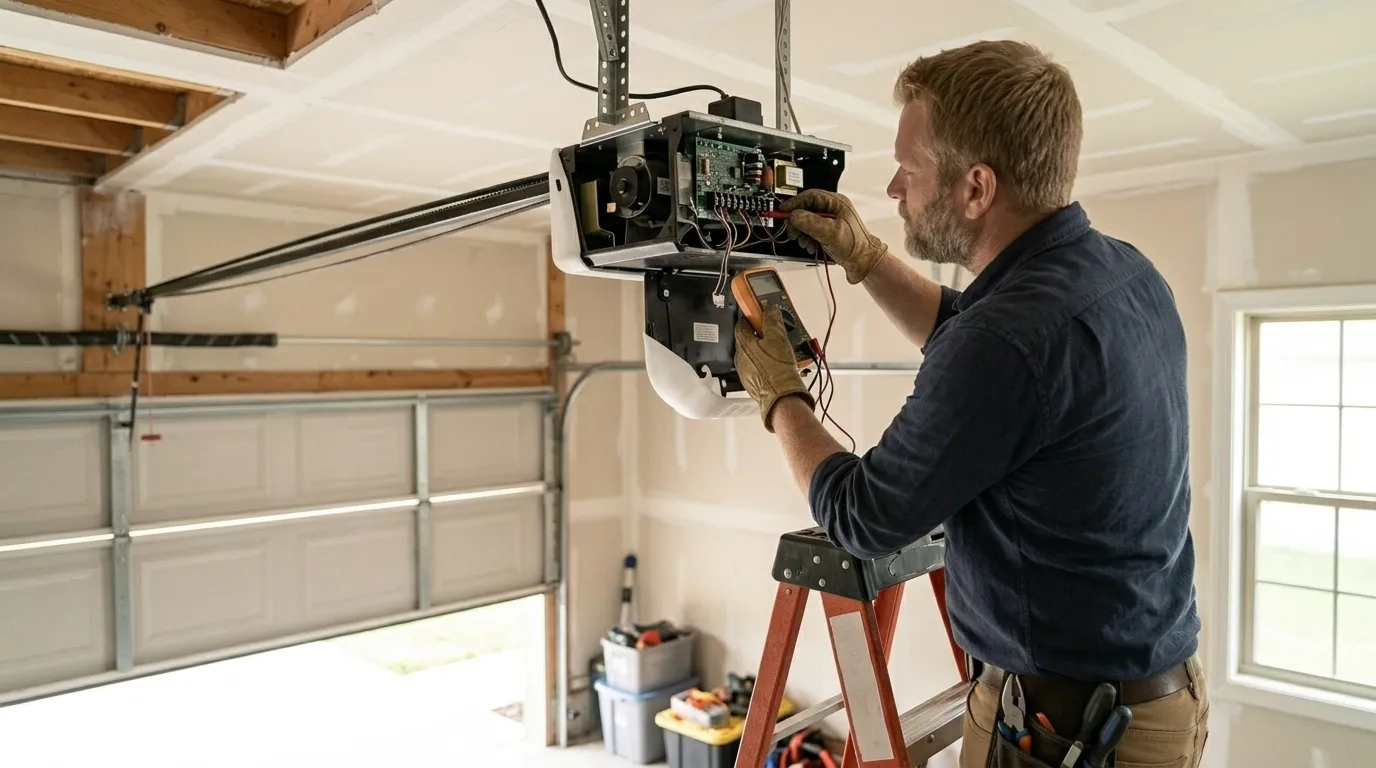
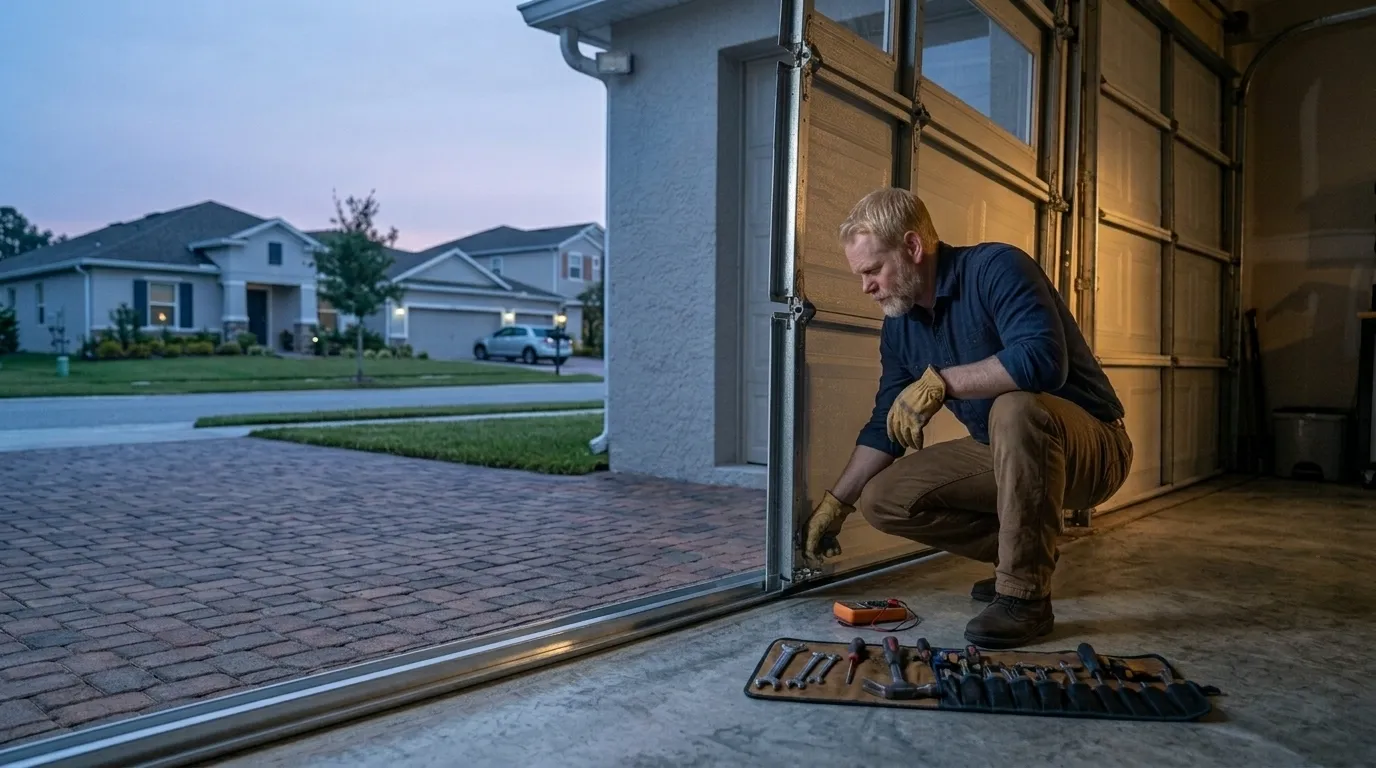
A technician tests the door under power and by hand and finds what actually failed.
3
Clear, up-front plan
You get the fix that’s needed and what drives the cost - before any work starts.
4
Repaired & tested
The repair is done, the door is set true and tested, and the work area left clean.
Serving San Diego, CA - tell us what your door’s doing and we’ll take it from there.
Can you replace just one panel instead of the whole door?
Usually, yes, if the rest of the door is in decent shape and the panel profile is still available or close enough to match. If the door is older and the exact profile is discontinued, sourcing takes longer, and if hinges or rollers on that section are also worn, we'll replace those at the same time so the new panel isn't fighting old hardware.
Why does my bottom panel rust but the rest of the door doesn't?
The bottom panel sits closest to sprinkler overspray, a damp slab edge, or standing water after washing the driveway, so it stays wet longer than panels higher up. On older steel doors especially, that repeated moisture exposure is where rust starts first, even in a mild climate that doesn't see hard freezes.
Is it cheaper to replace one panel or the whole door?
A single panel is almost always the smaller invoice up front. But if the door's paint is chalky and more than one section shows cracking or hinge wear, replacing panels one at a time over a couple of years often costs more total than one full door replacement would have.
Ready to get your garage door sorted?
Tell us what it’s doing and where you are in San Diego - we’ll take it from there.