How We Fix It
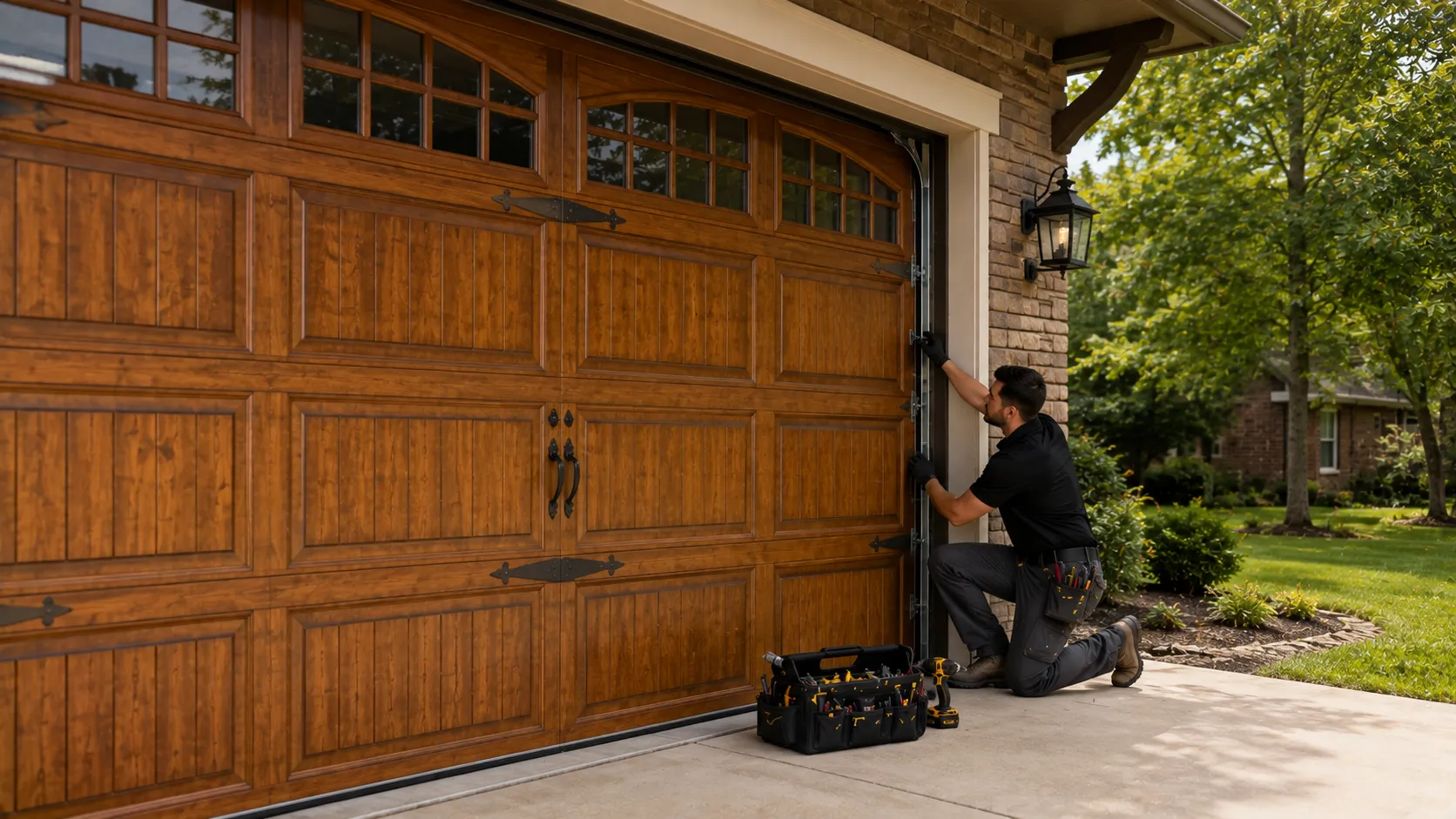
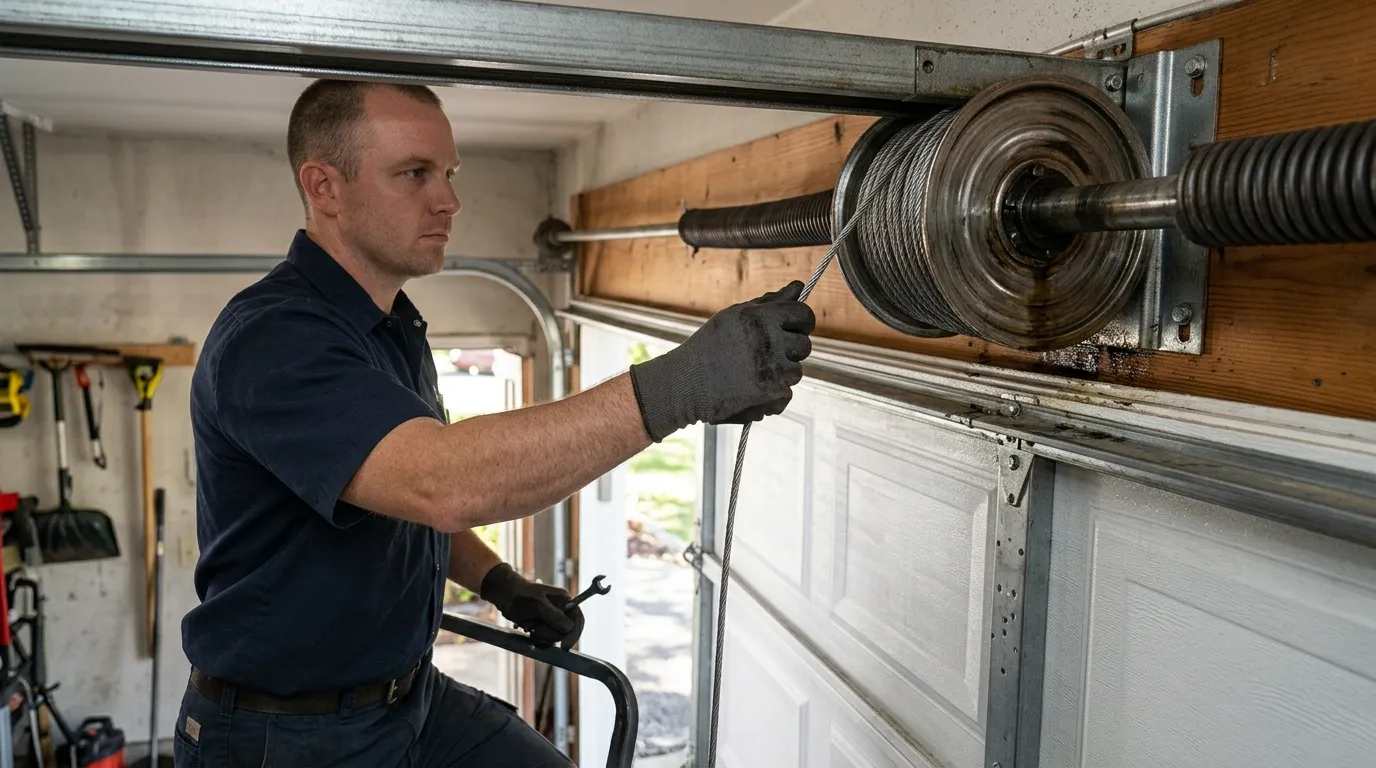
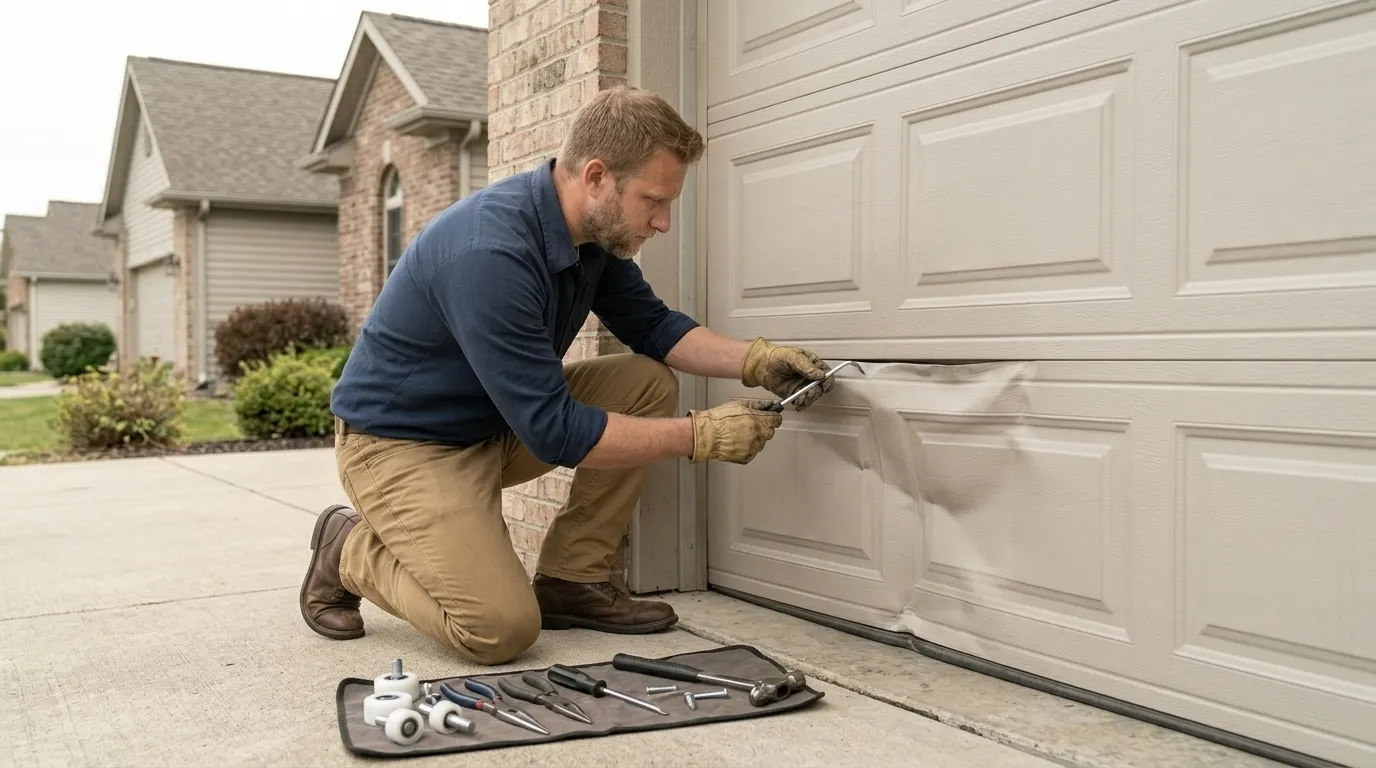
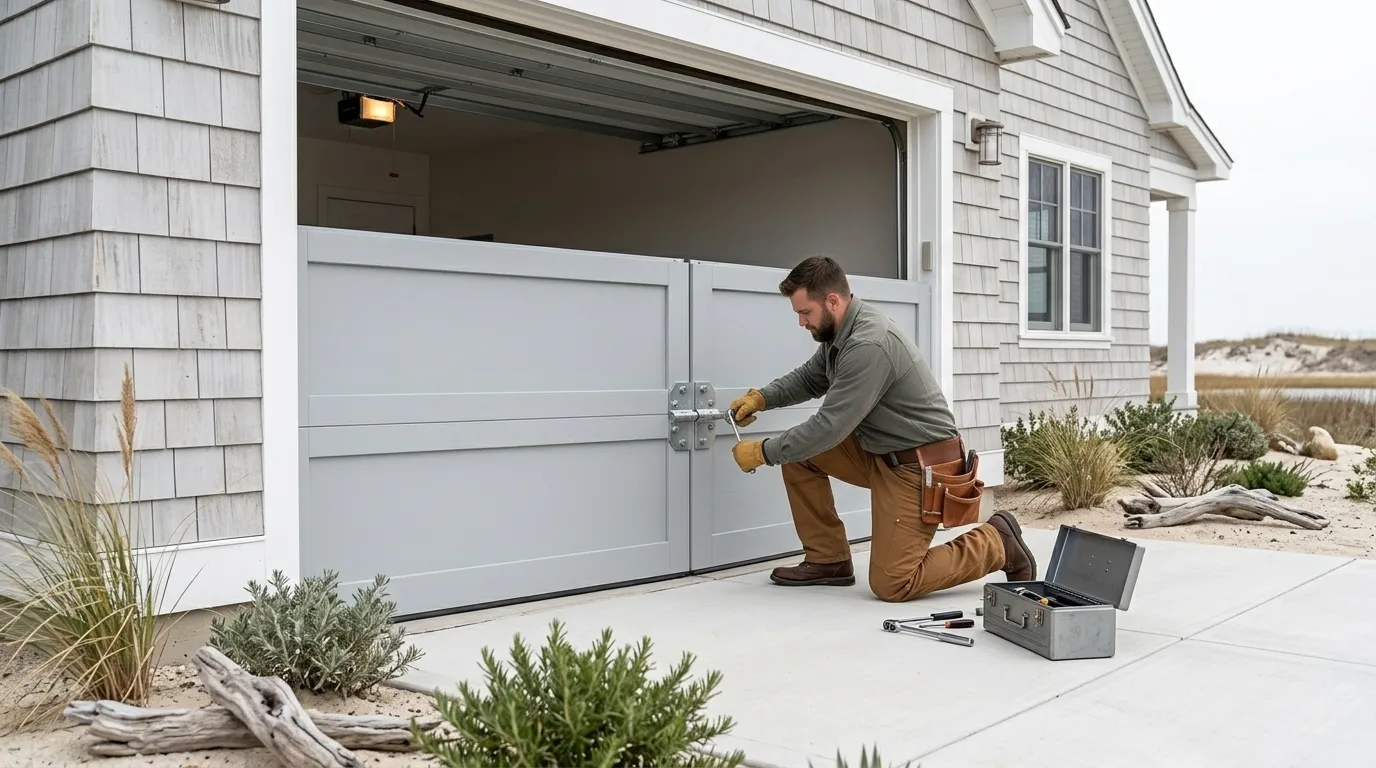
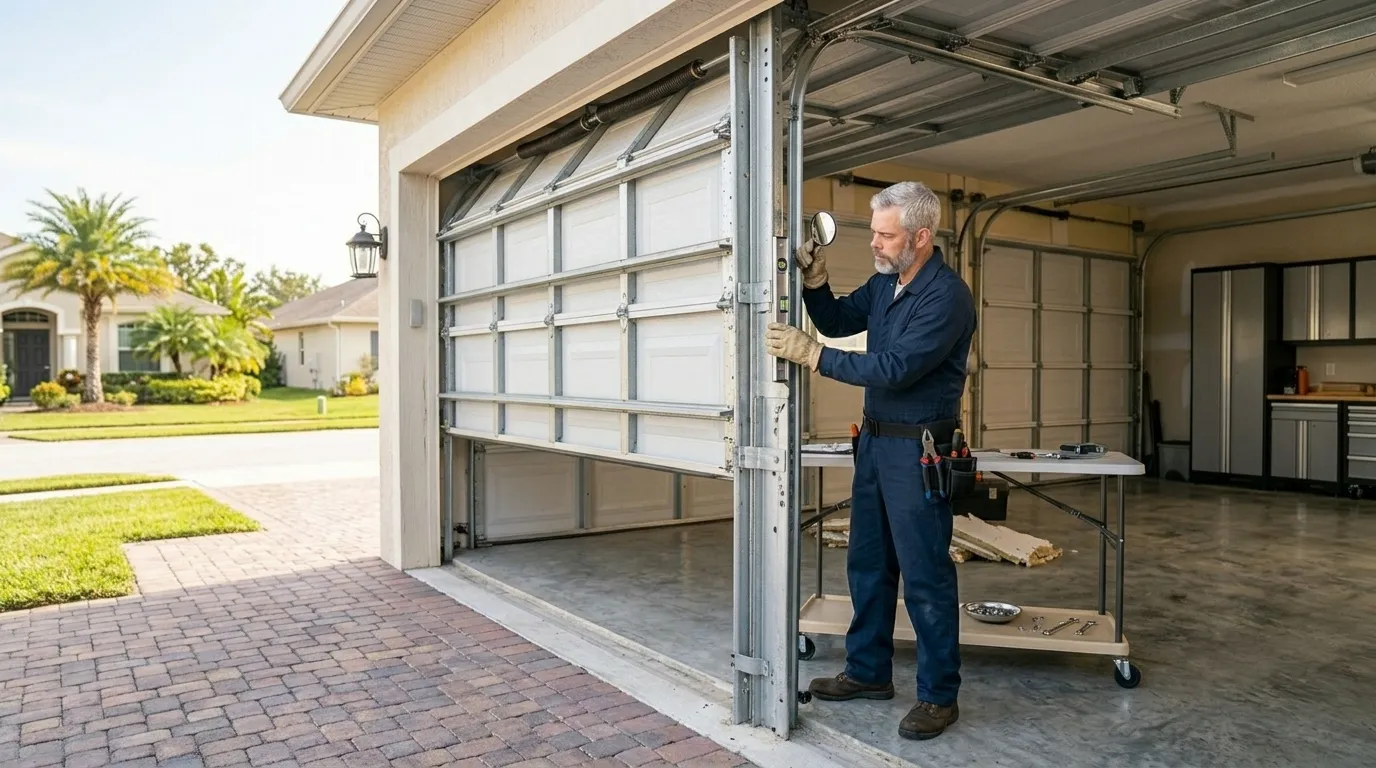
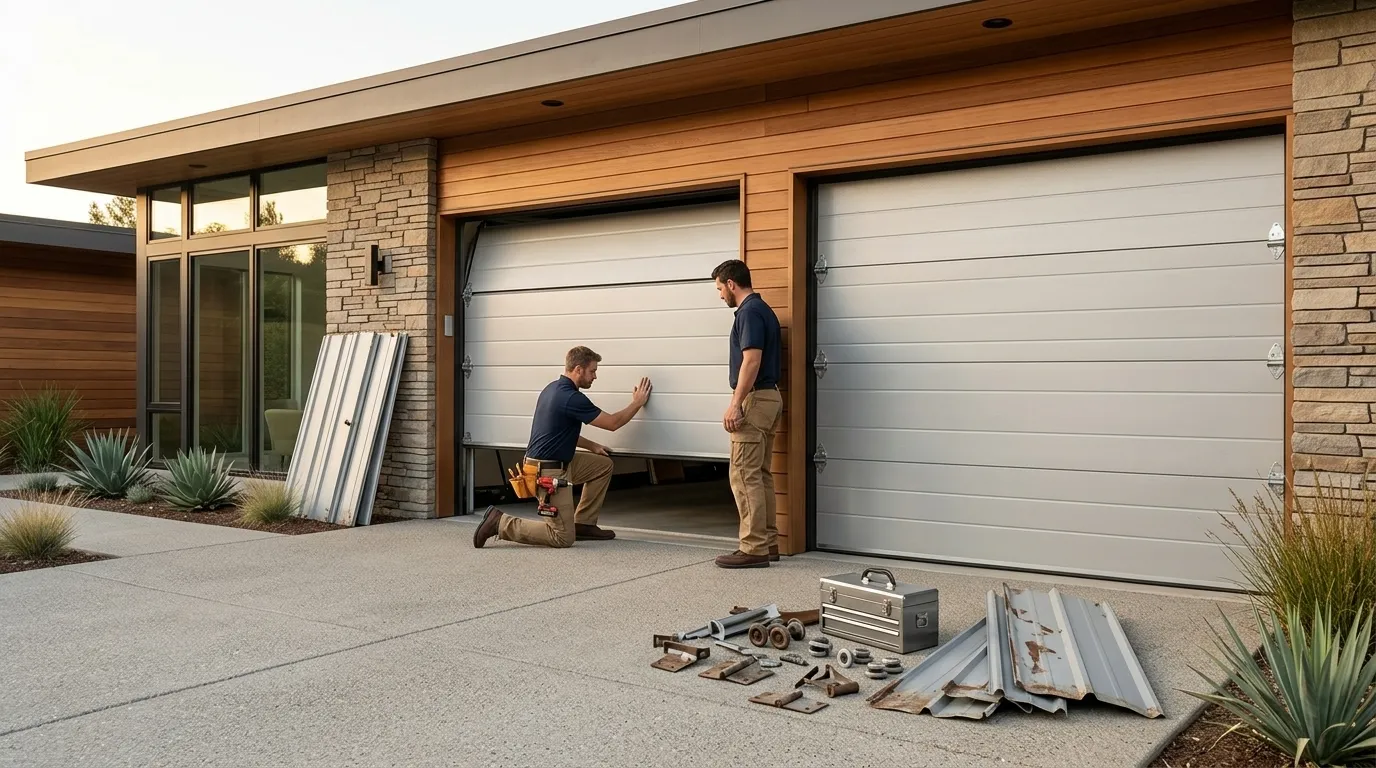
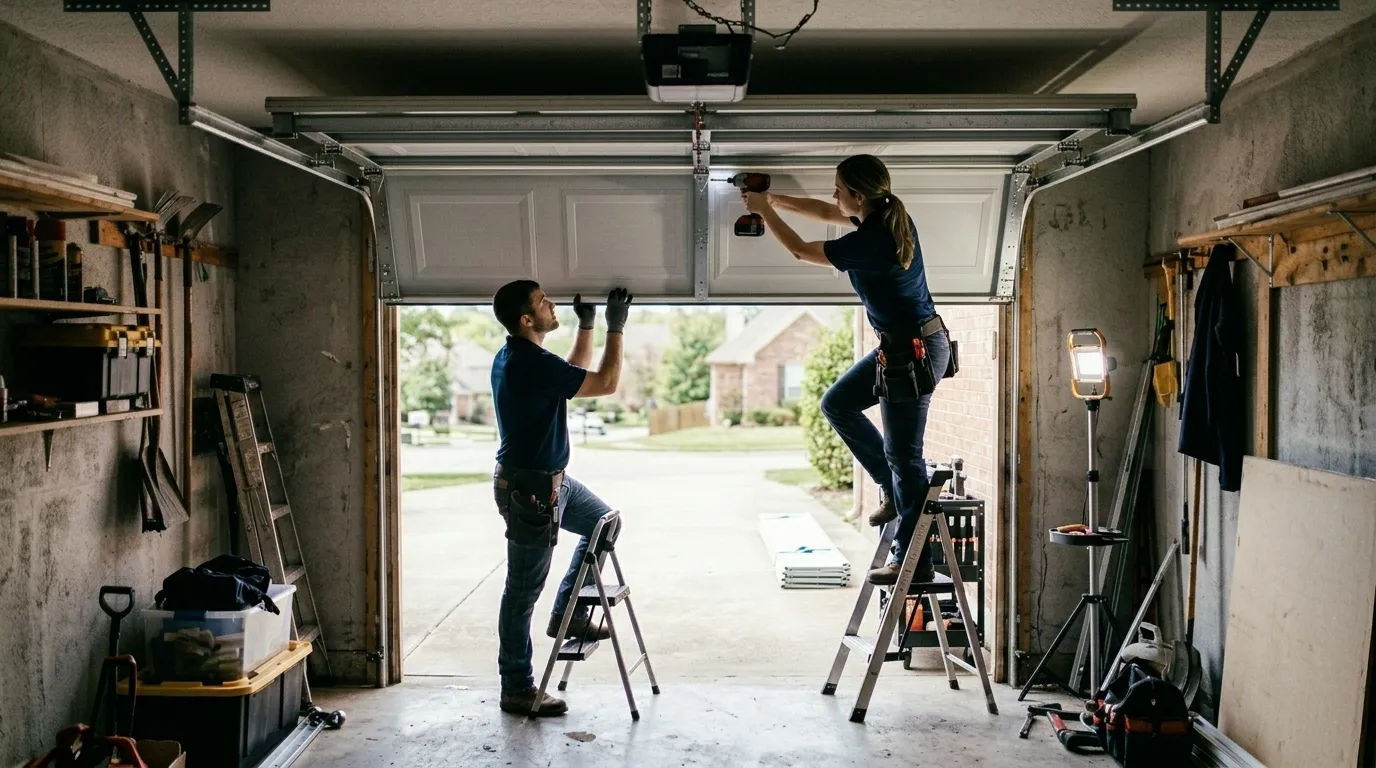
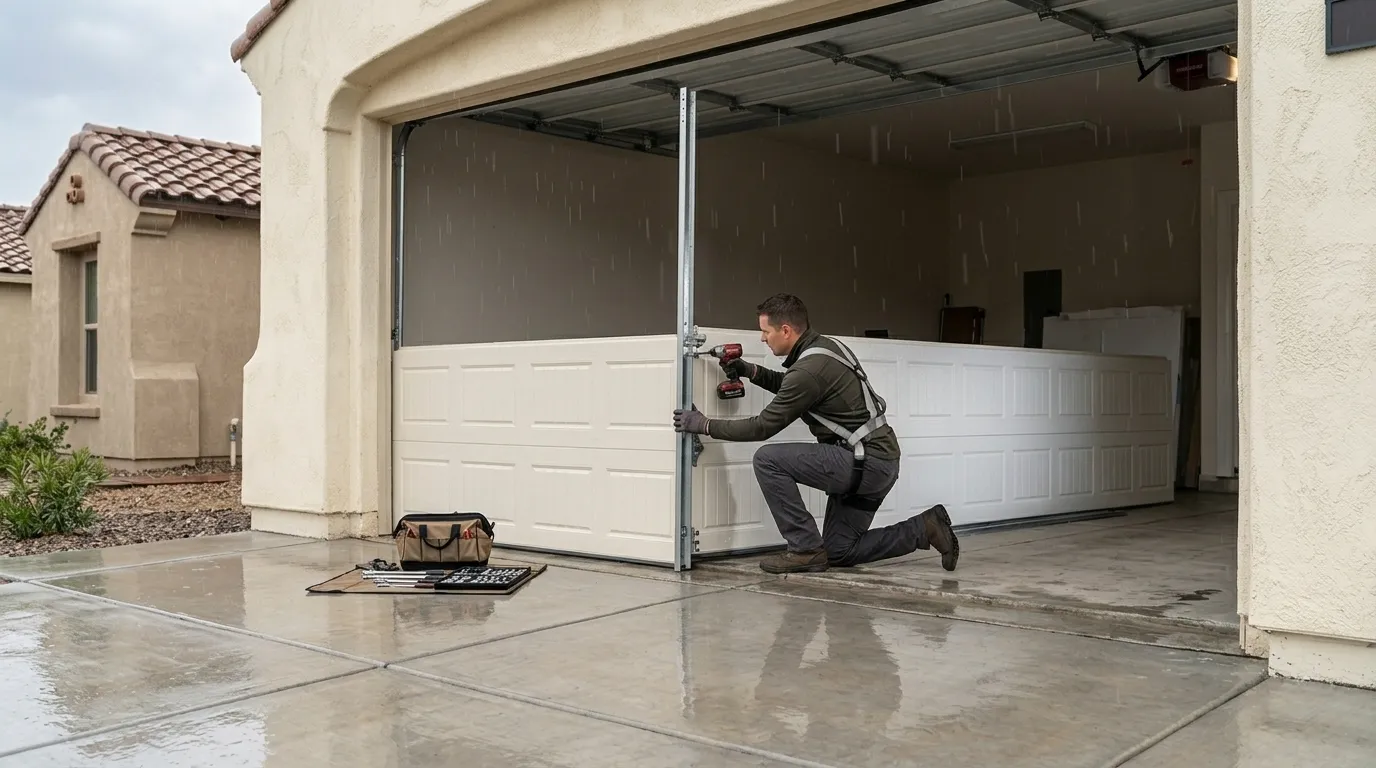
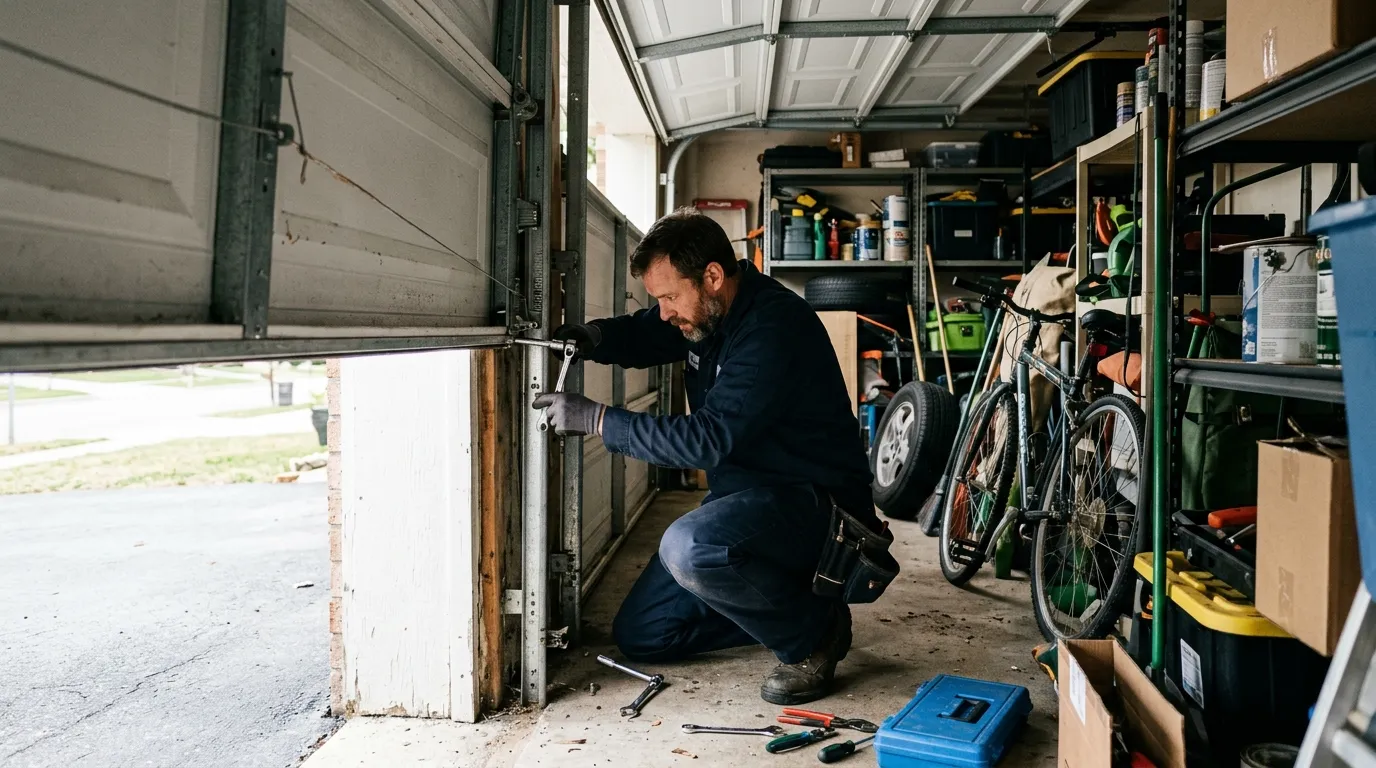
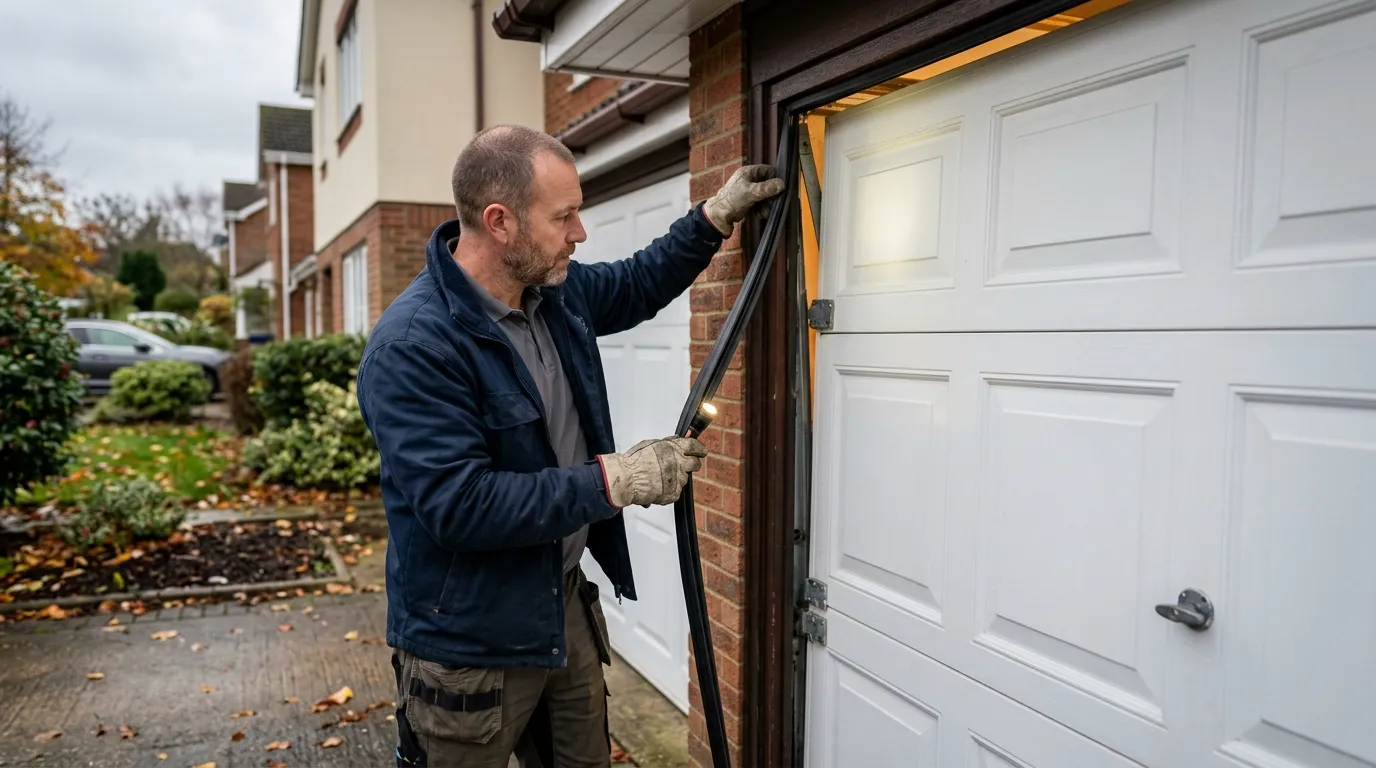
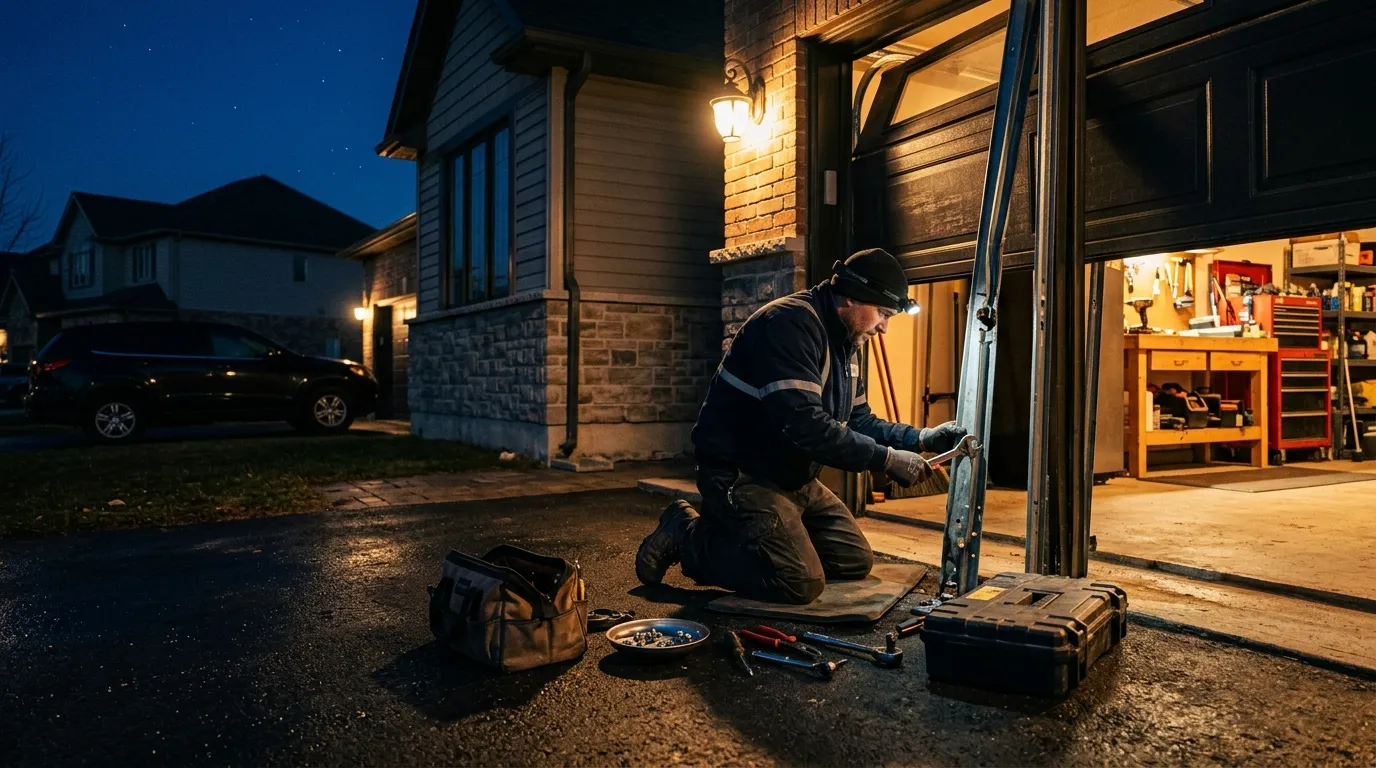
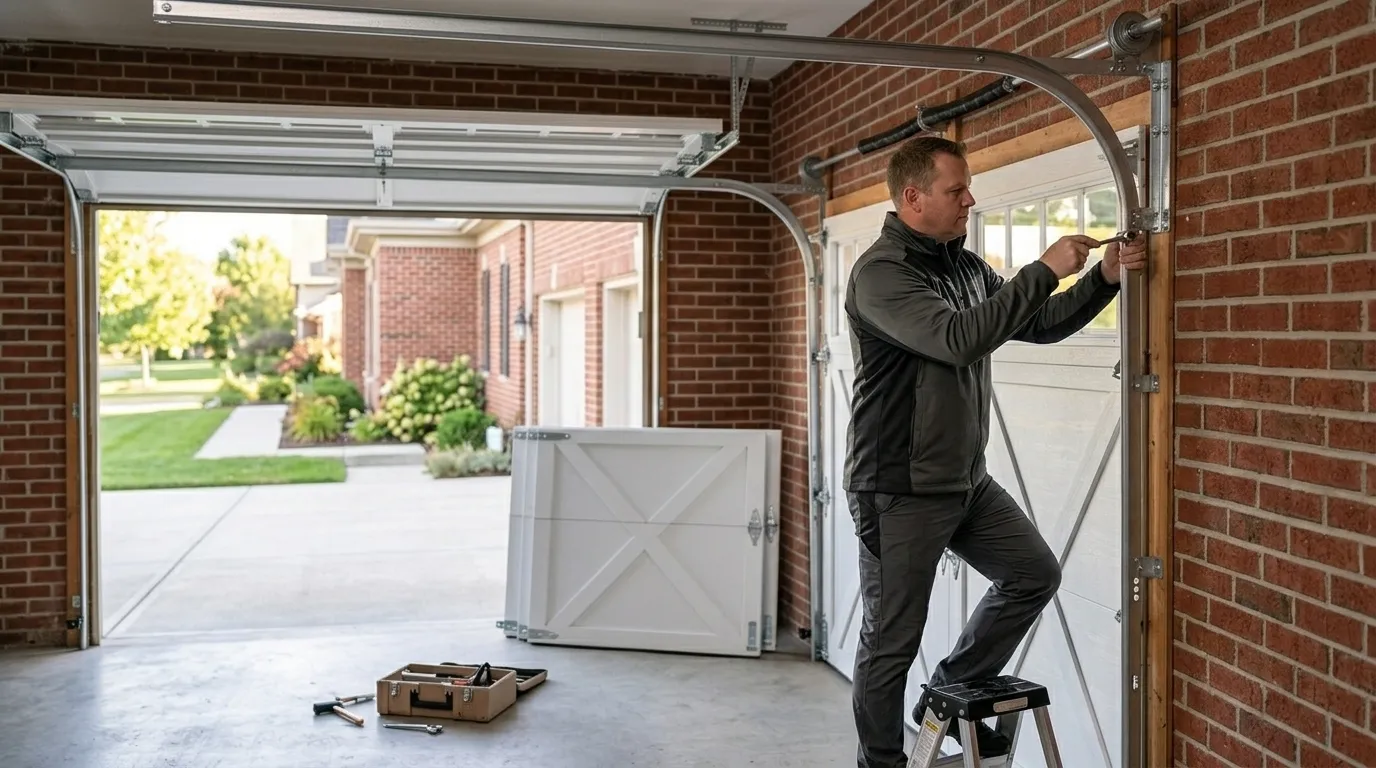
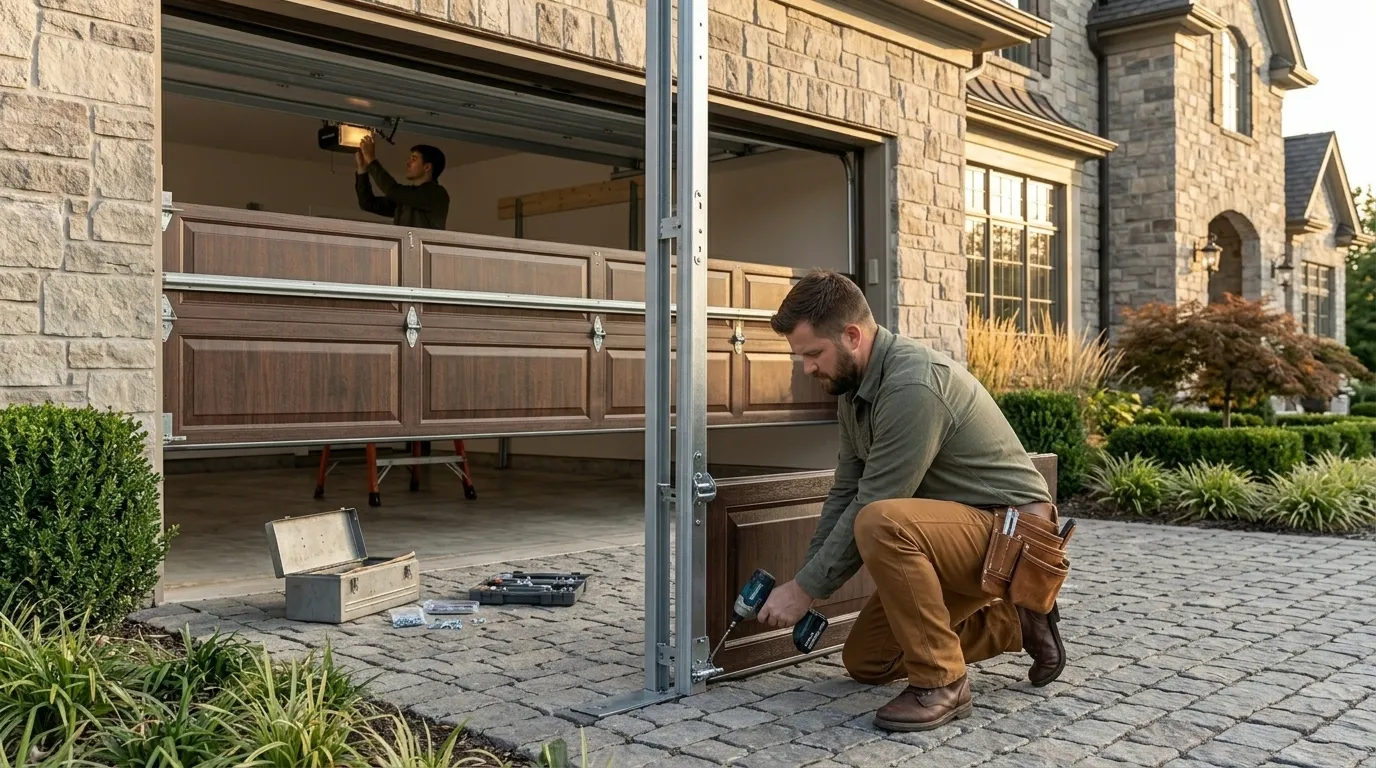
Spring jobs are the bulk of what we do, and on a standard torsion setup it's a same-day fix - pull the old springs, size new ones to the door weight, reset the cables and drums, and test the balance by hand before we ever plug the opener back in. Rollers and hinges we replace as a set when one's worn, since a mismatched set just moves the noise down the track. Openers are a judgment call: if the motor and logic board are sound and it's a gear or sensor issue, we fix it. If the unit itself is original to a 1970s install and parts for it haven't been made in years, replacement is the honest answer, and we'll say so instead of patching something that'll fail again in a month. One limitation worth stating plainly - we don't stock every obsolete panel style from that era, so a cracked original panel on a discontinued door sometimes means a wait on a special order rather than a same-visit swap.
How It Shows Up
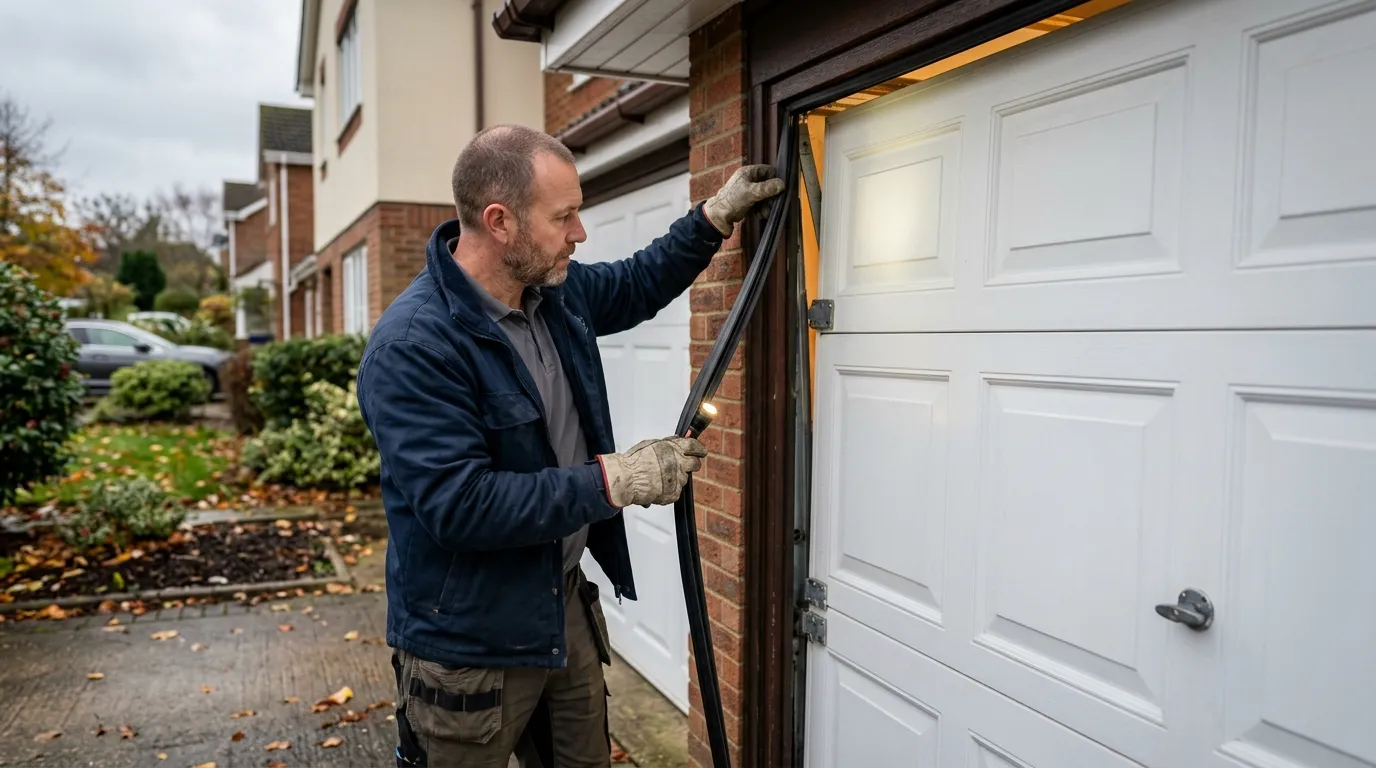
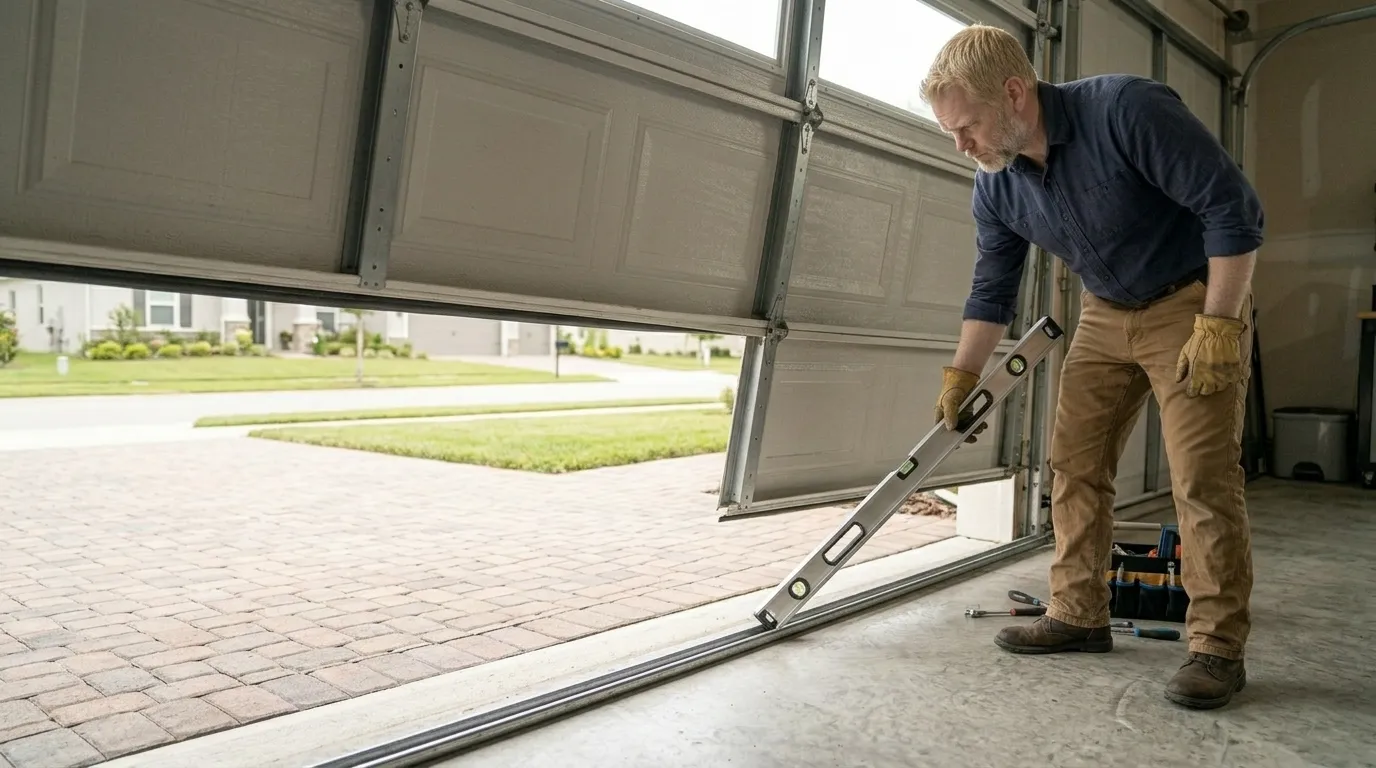
San Diego sits in a mild temperate band, so we don't get the freeze-thaw cycling that snaps springs cold in a single winter the way colder cities do. Here it's slower - steady use over forty-plus years wearing the temper out of the coil until one lift is the one too many. Owners usually notice it as a loud bang from the garage, then a door that won't budge, or an opener straining and reversing halfway up. On the track side, it's a grinding or popping sound as a roller finally seizes rather than a sudden jam. Because the climate is mild rather than extreme, failures tend to be gradual wear rather than storm damage or ice-jammed track, which is part of why so many of these original 1970s and 80s systems have limped along this long without anyone touching them.