Why It Happens Here
Houses in La Presa were mostly built around 1975, sitting inside the broader 1967-1992 window that covers most of this service area. That matters more for openers than people expect. Federal safety-reversal requirements for garage door openers didn't take effect until 1993, so any unit original to a 1975-built house, or even a direct swap-in replacement from the 1980s or 90s, was very likely installed before that photo-eye sensor requirement existed.
We still find plain chain-drive units in this part of the county with no reversing sensors at all, just a mechanical clutch that's supposed to stop the motor if it hits resistance. That's not a modern safety standard, and it's not something you patch by adding a sensor kit to an old motor housing. The mild coastal-influenced climate here means the mechanical parts aren't fighting extreme heat or cold cycling the way they would inland, so wear tends to be slow and gradual rather than sudden, which is part of why these old units stay in service so long. Slow failure, not a dramatic one, is the pattern.
How We Fix It
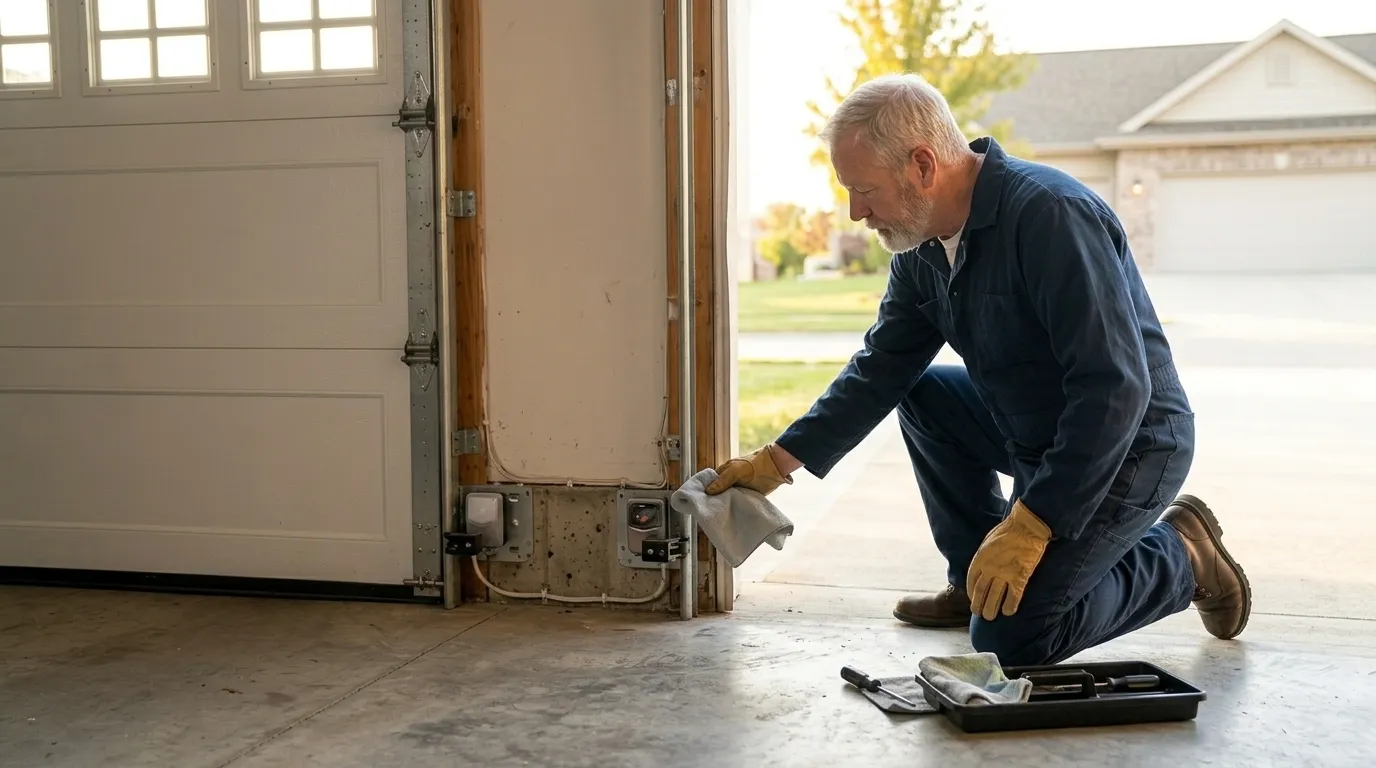
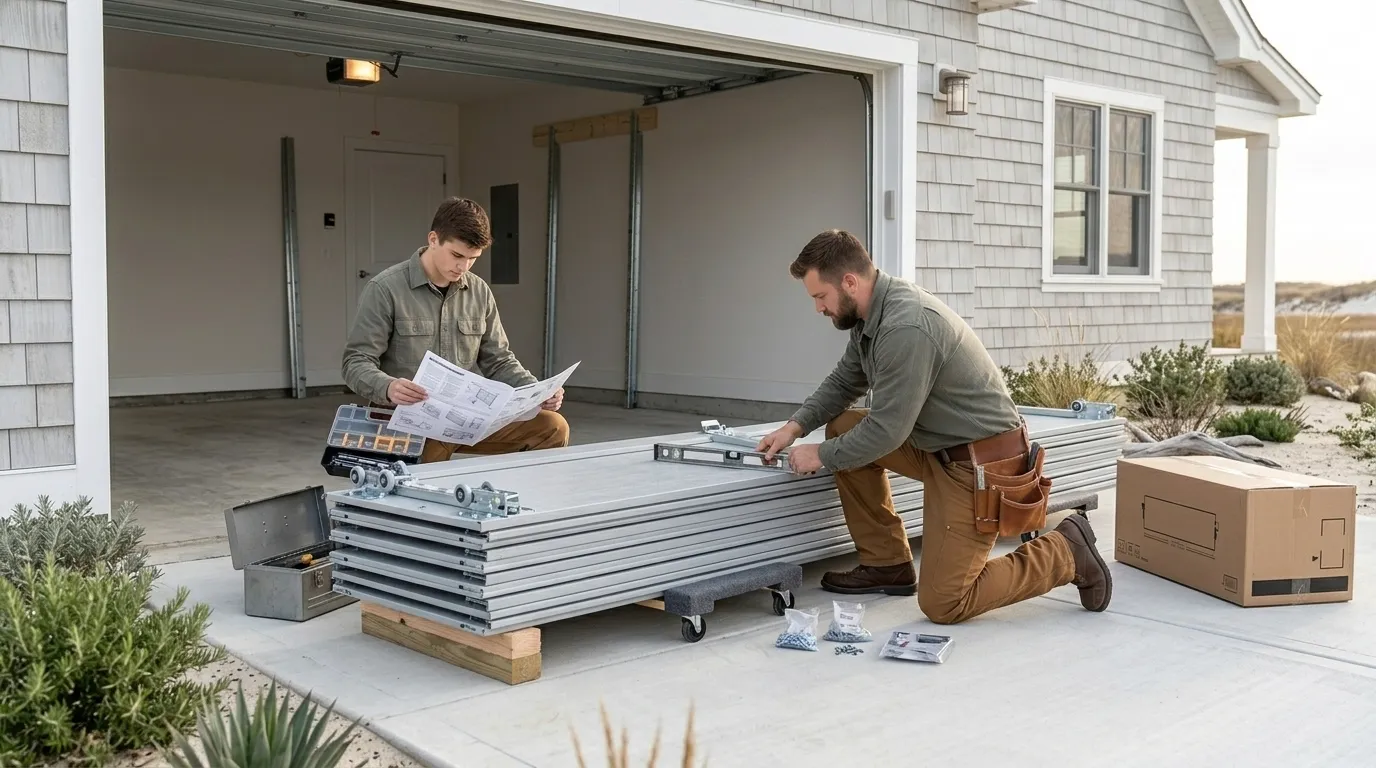
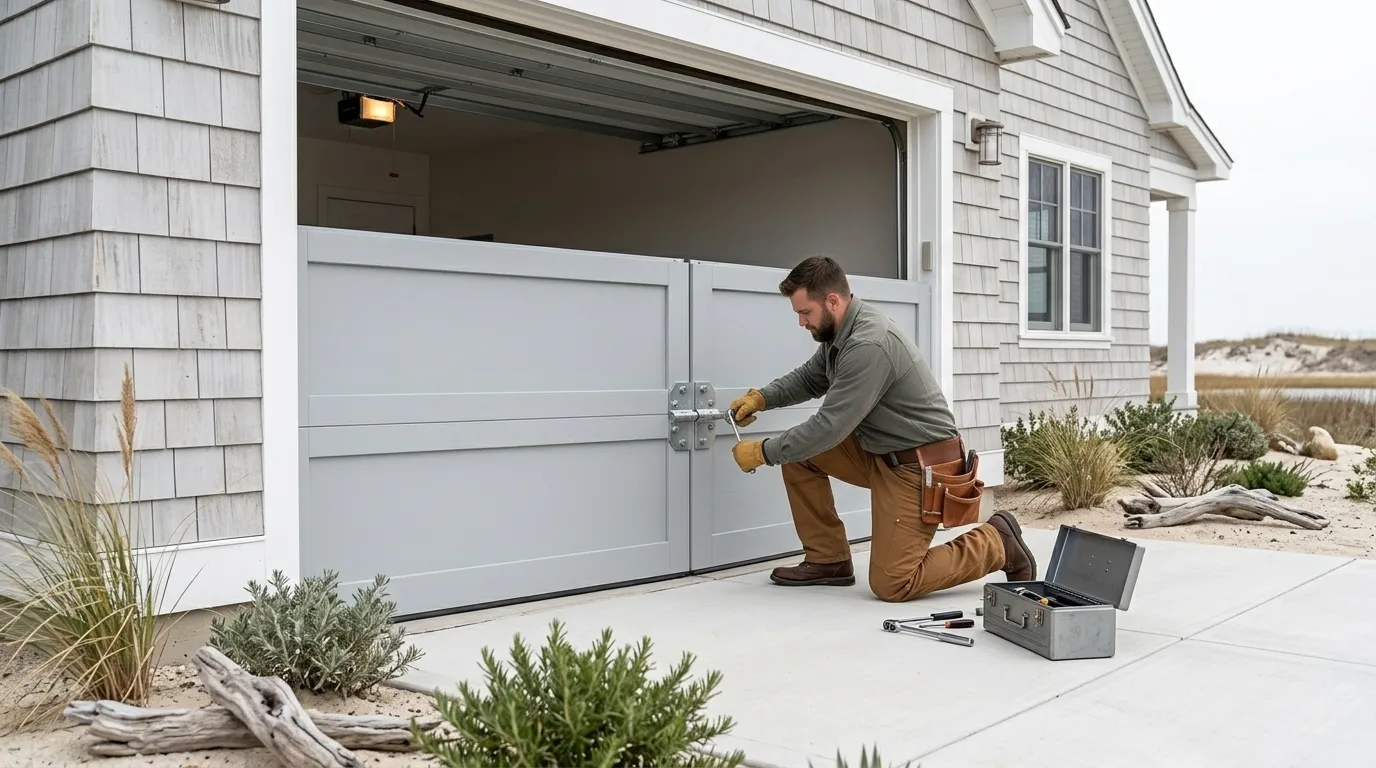
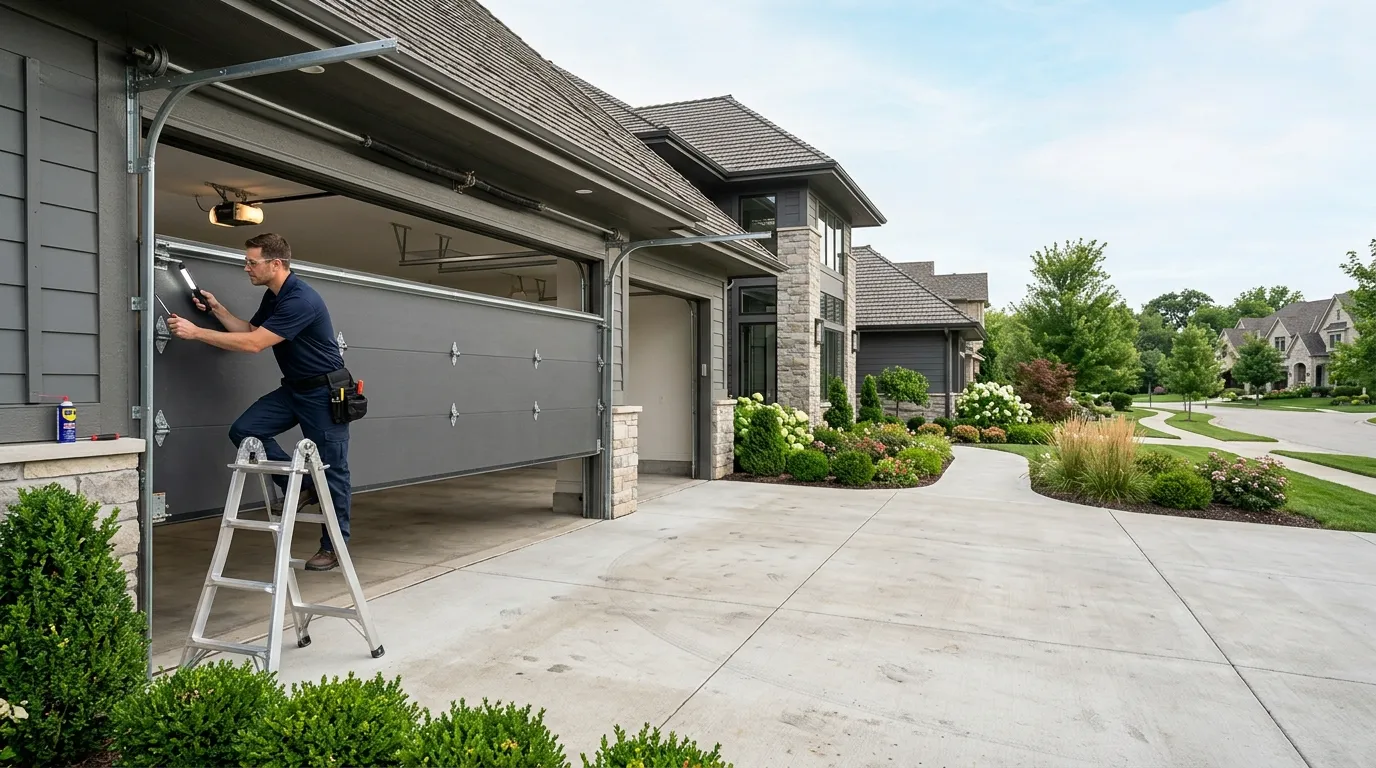
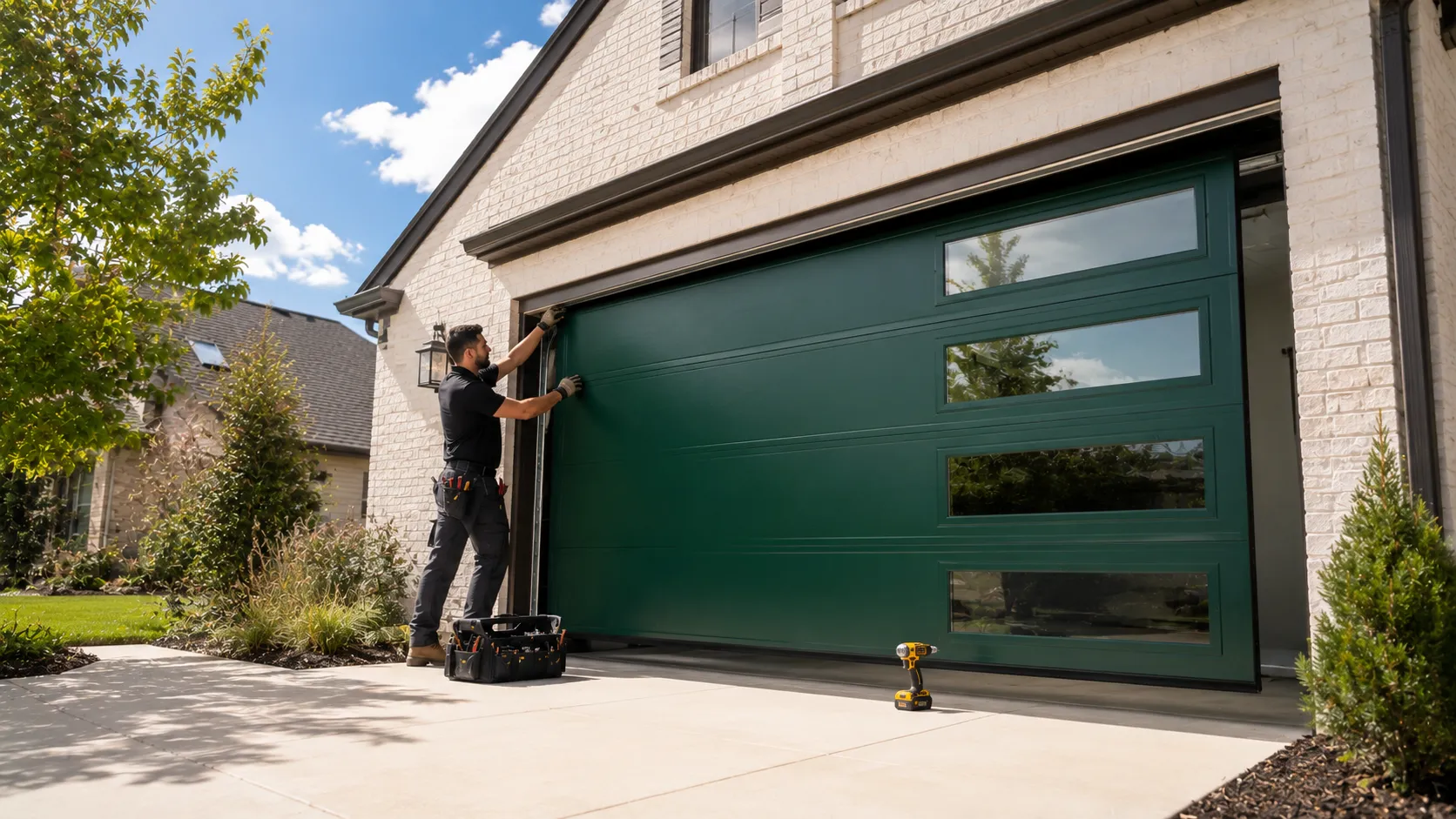
For most La Presa homes, the job is a full swap: old opener off the header, new belt-drive or chain-drive unit mounted, and both photo-eye sensors set to current code height so the door reverses correctly if anything breaks the beam. We test the reversal with real resistance, not just the sensor beam, since a door that only stops for the photo-eye and not for physical contact isn't fully compliant.
We won't install a new opener onto a header that's cracked, undersized, or already sagging under the old unit's weight. That's a carpentry problem first, and forcing a new motor onto bad framing just moves the failure point up a few inches. If we find that, we'll say so before we start, not after we've already mounted hardware that has to come back down.
We also don't stock every wall-console or smart-hub accessory on the truck for every visit, since some of that is special order depending on the opener brand. If you want a specific smart-home integration, tell us when you book so we can bring the right unit the first time instead of a second trip.
How It Shows Up
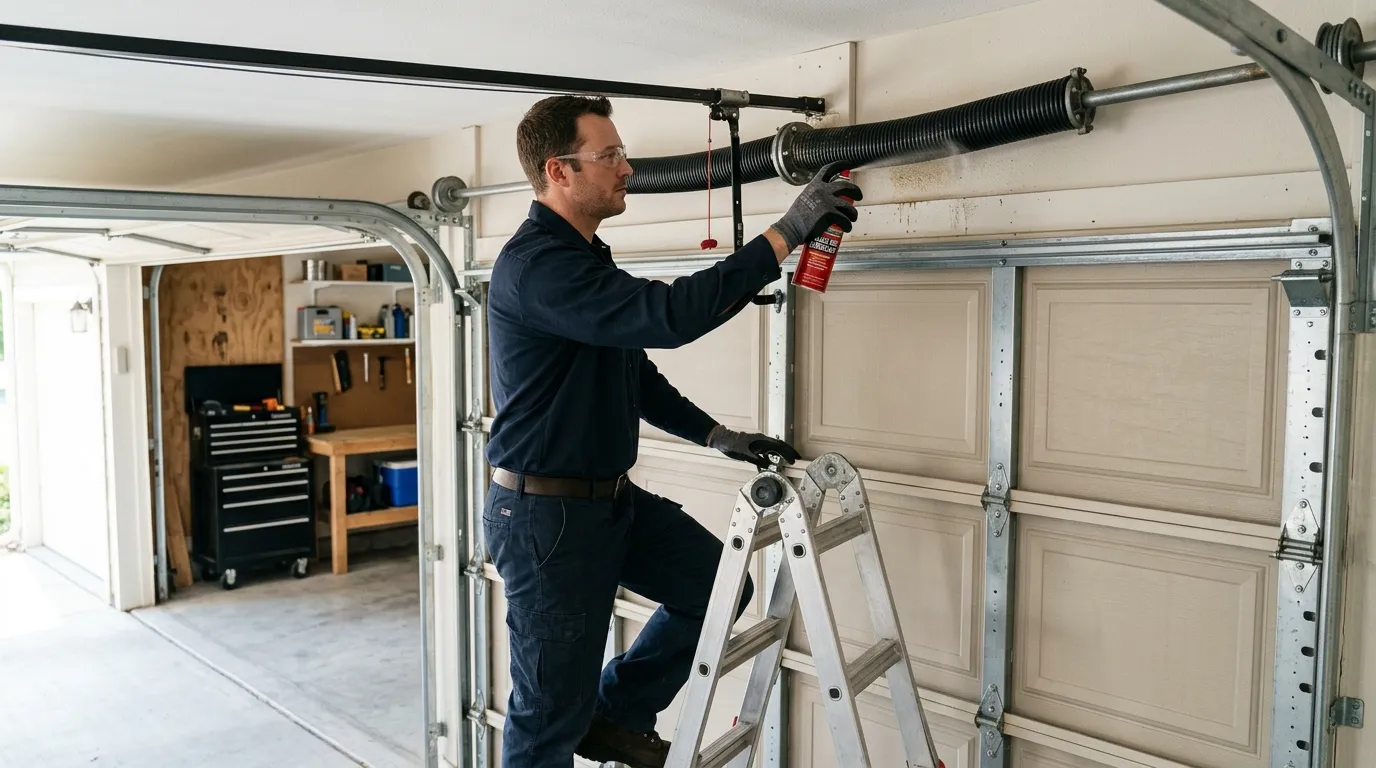
The most common call from this area isn't a dead opener, it's a slow one. The motor still runs, but the door takes an extra beat to start moving, or it strains audibly partway up. That's usually a chain-drive unit from the 1980s or 90s finally losing the fight against gear wear it's had decades to accumulate.
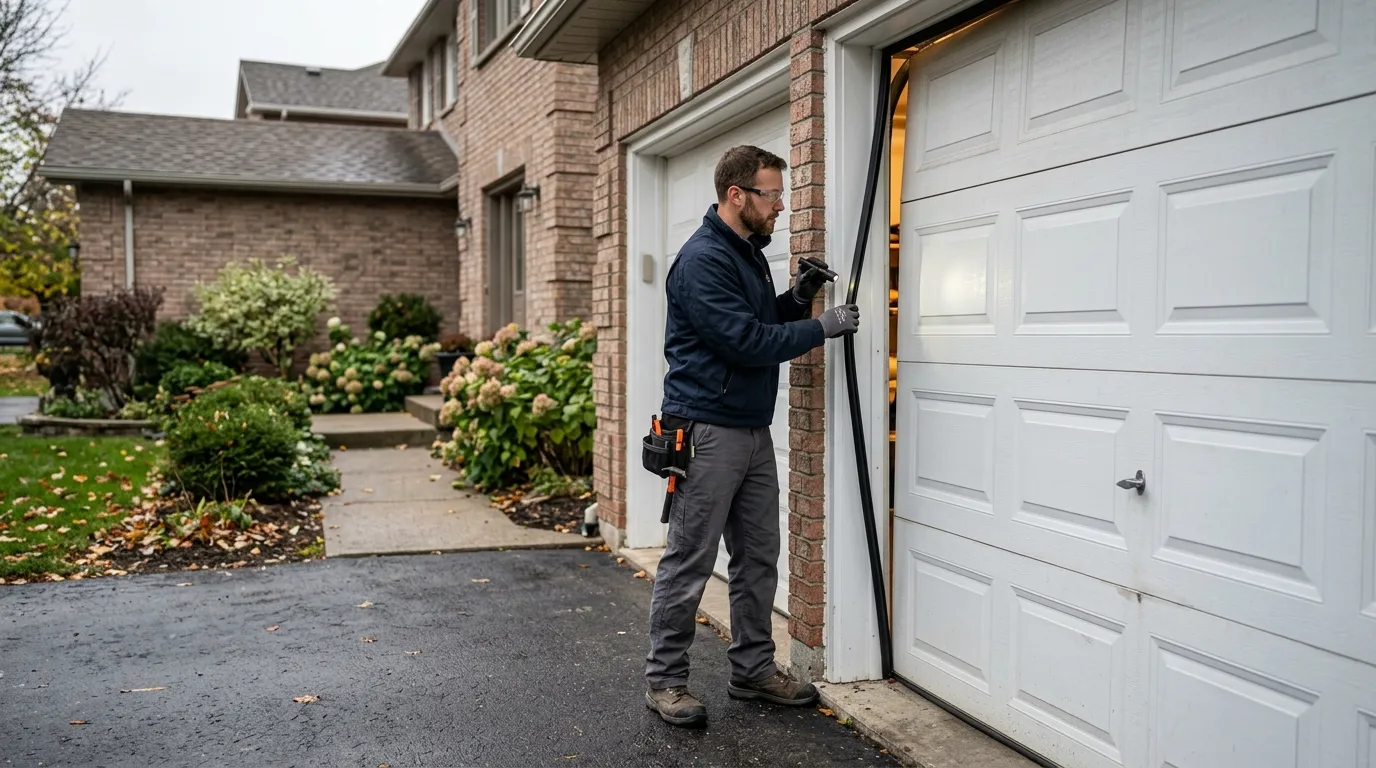
The second most common sign is a remote that's stopped working reliably while the wall button still works fine. On older units that's often a dying circuit board, not the remote battery, and it's usually cheaper to replace the whole opener than to source a board for a motor that old. The safety-reversal test is the one we'd ask every homeowner here to run themselves at least once: block the door with something a few inches tall and see if it actually stops and reverses. If it doesn't, that's not a maintenance item, that's a today problem.