Why It Happens Here
Walk a block of La Presa built in the mid-1970s and you'll see the same door twice: single-layer steel or a painted wood-panel door, no insulation, hung on the extension-spring track hardware that was standard for that decade of construction. That's the housing stock here - most of it went up between 1967 and 1992, with 1975 as the typical year, and the door on the garage is often as original as the roof.
The mild, temperate climate in this part of San Diego County isn't putting extreme stress on that hardware. There's no hard freeze cracking a bottom seal, no heavy humidity swelling a wood panel overnight. What's wearing these doors out is age, plain and simple - fifty years of daily cycling on springs and cables that were never meant to last that long.
With close to 11,155 households in La Presa carrying that same era of door, we see the same failures on repeat: a frayed extension cable, a rusted-through bottom bracket, an opener whose logic board simply stopped taking a signal. It's not one bad batch of doors. It's one era of doors, all reaching the same age at once.
How We Fix It
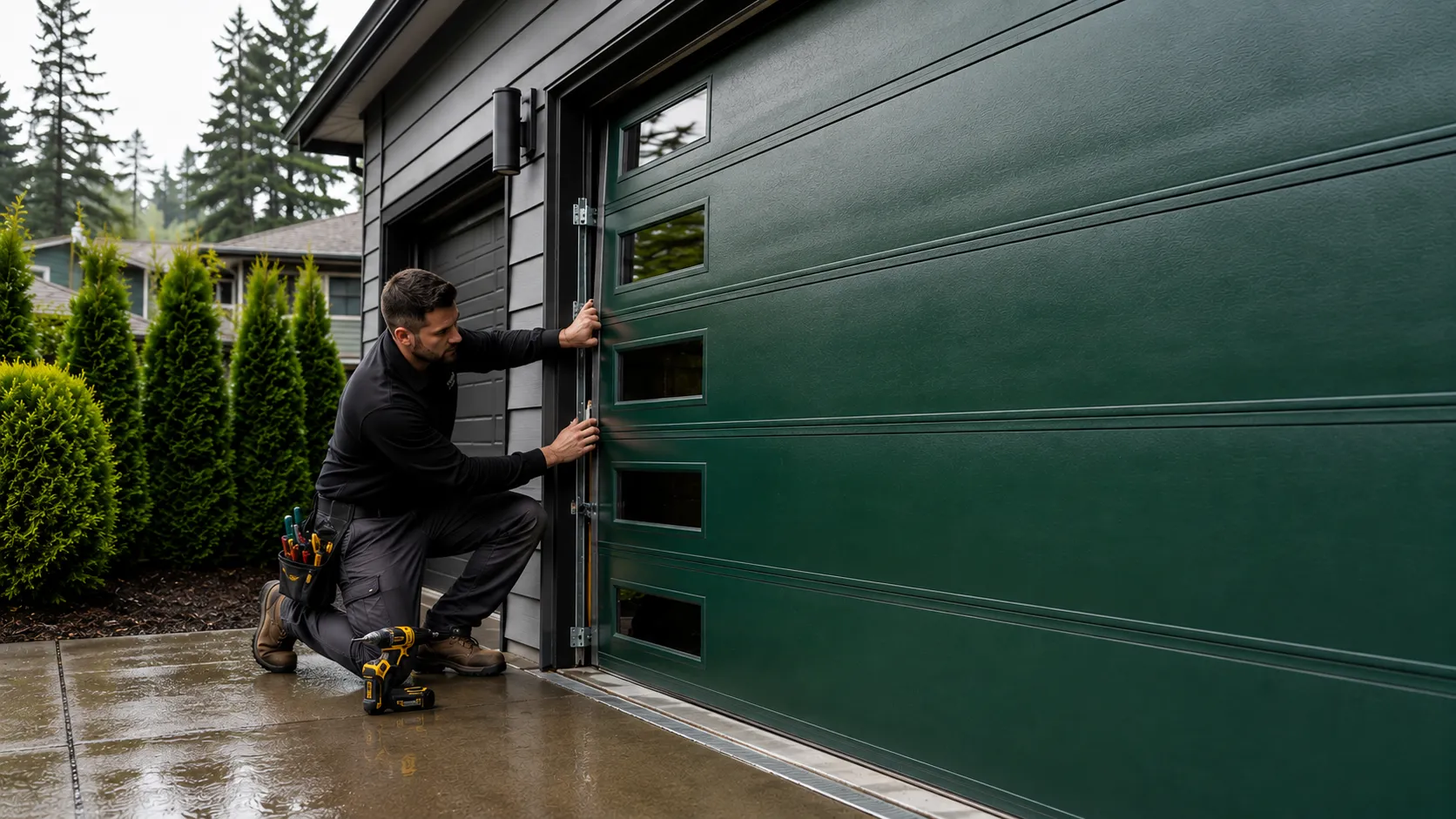
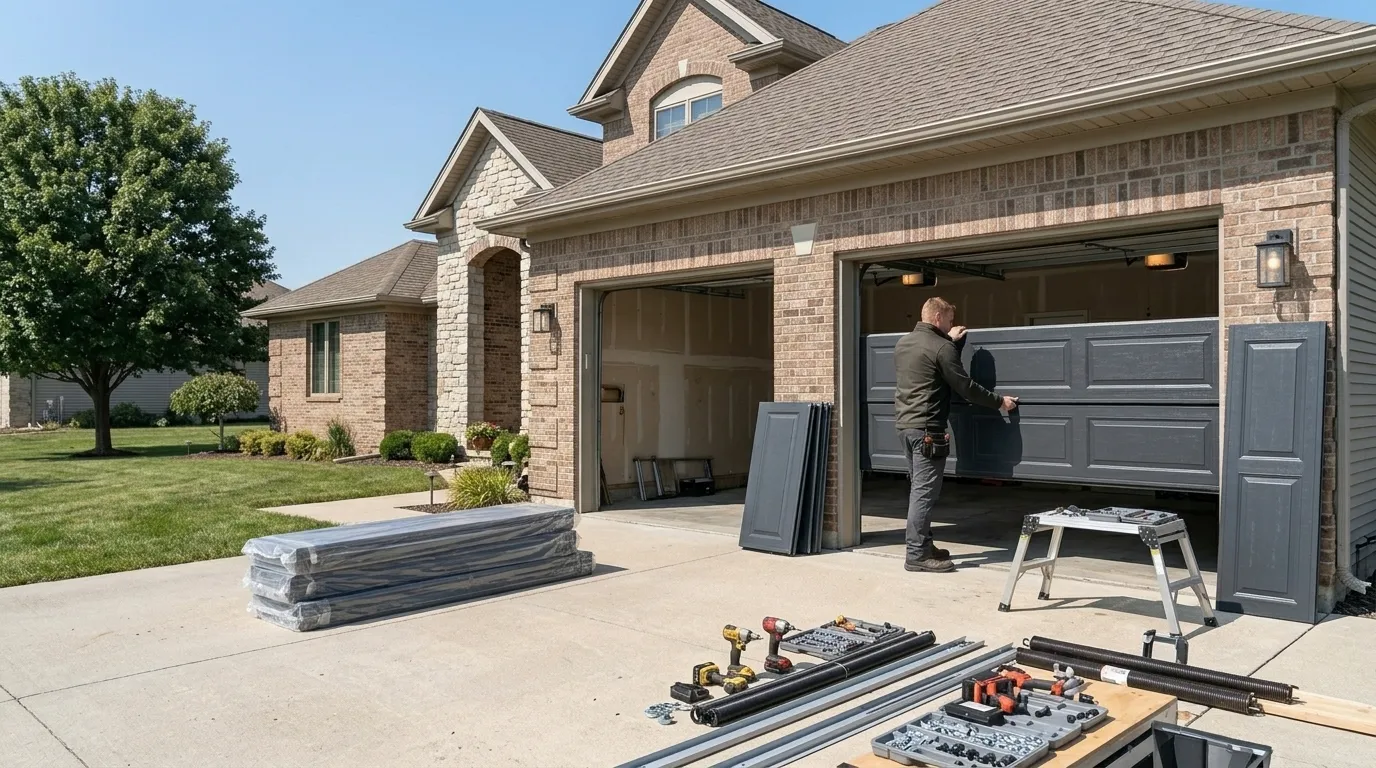
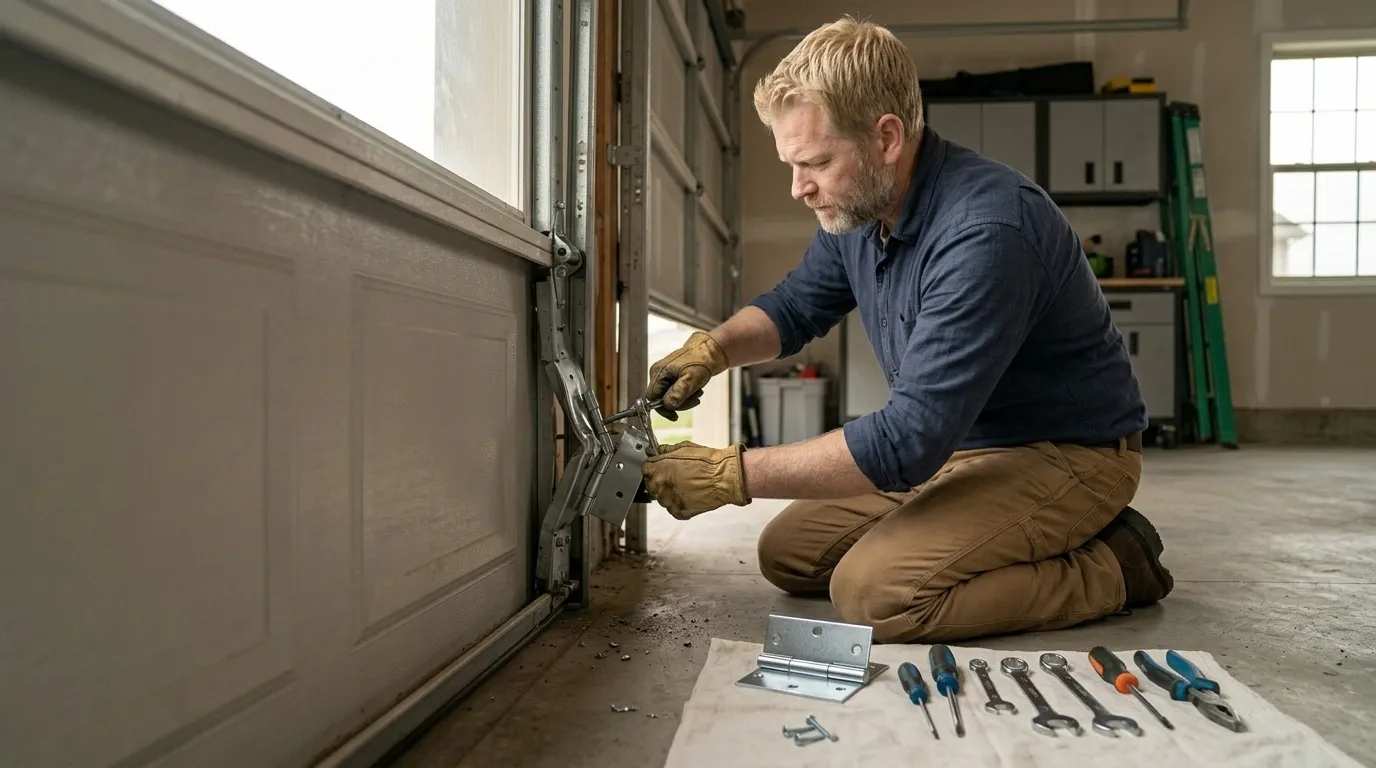
For most of these original doors, the repair is a straight swap of the failed part - cable, spring, roller, or bottom bracket - matched to the same track configuration that's already on the wall. We don't push a full door replacement on someone who has a sound panel and a dead spring.
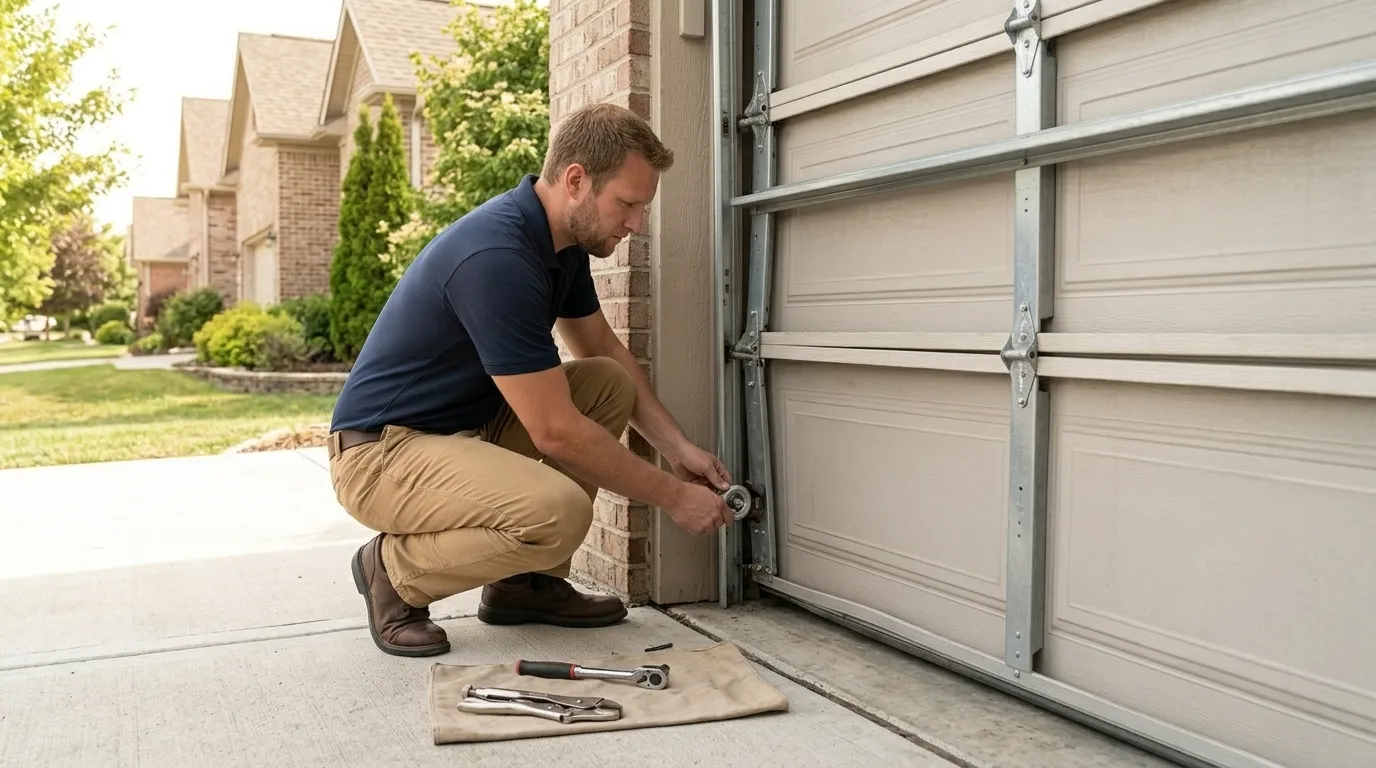
Where it gets more involved is the extension-spring-to-torsion conversion. A fair number of La Presa homeowners ask for this once we're already out there fixing something else, because torsion hardware is safer and easier to service down the line. It's a bigger job than a spring swap, and it's worth doing right rather than fast.
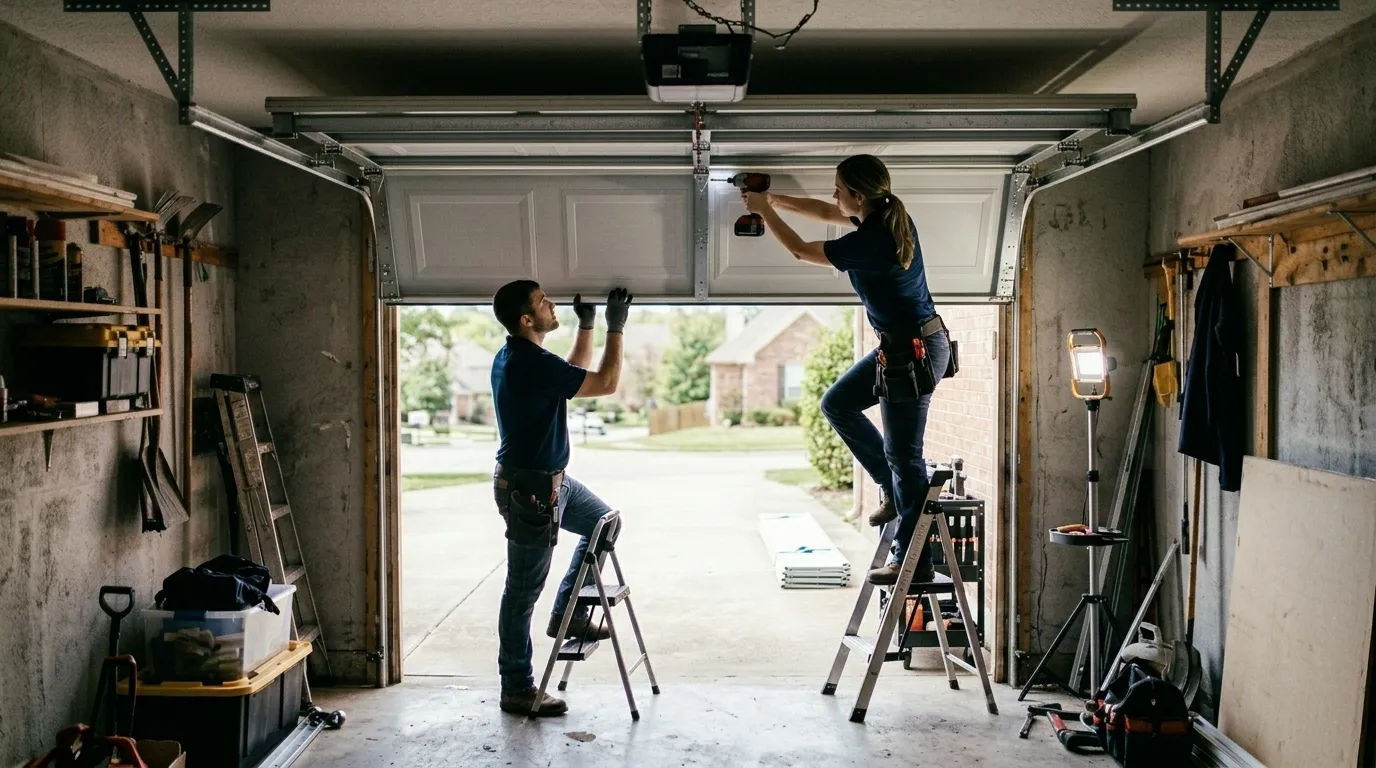
Openers are usually a straight replacement rather than a repair once the motor or logic board goes. Original 1970s openers weren't built with the safety reversal sensors required on new units, so if yours has never been upgraded, that's a separate conversation worth having before anything breaks.
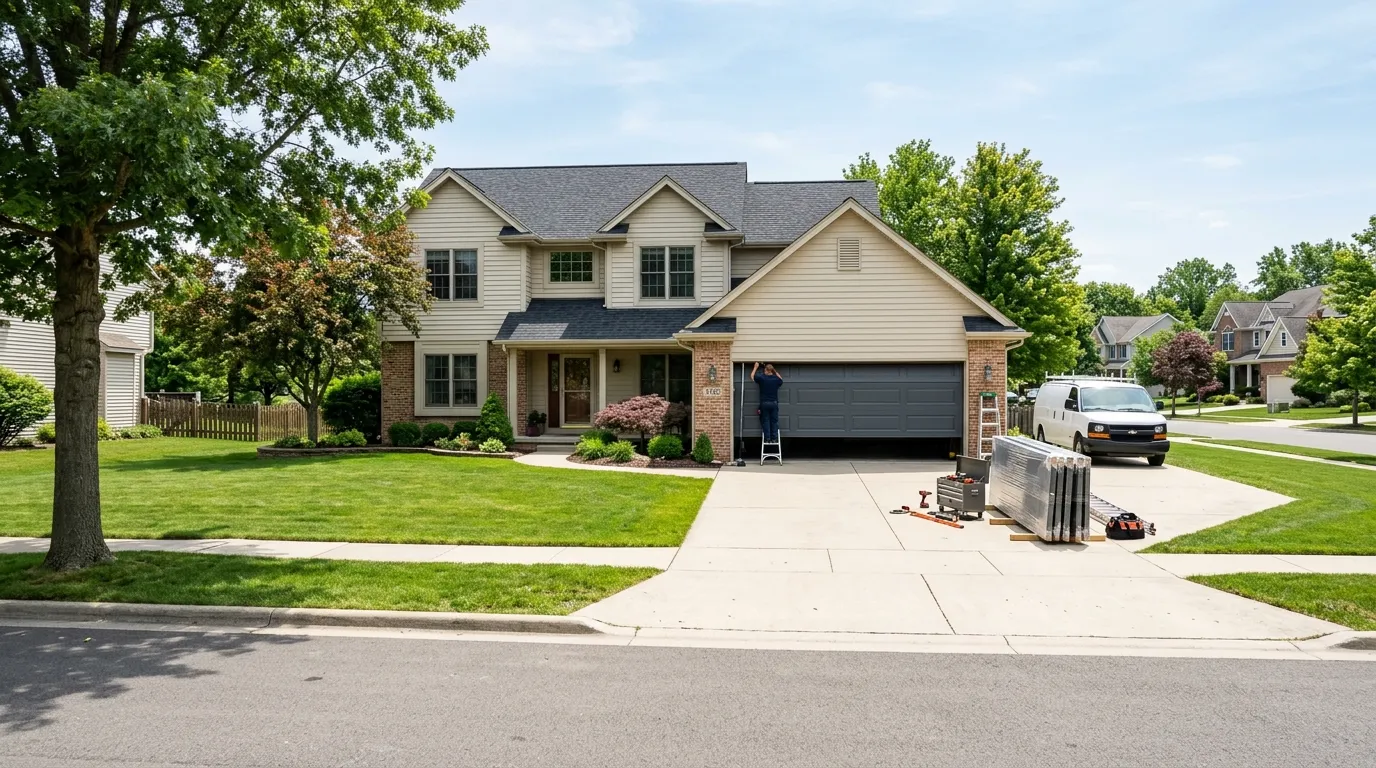
We travel from San Diego to get to La Presa, about ten miles each way, so we plan the truck's parts load around what a door of this age is likely to need before we ever knock on the door.
How It Shows Up
On a door this age, failure rarely comes out of nowhere. It usually starts as a sound - a pop, a scrape, a new rattle on the way up - a few weeks before the part actually lets go. On the extension-spring doors common to La Presa's 1975-era houses, the tell is often one side of the door dropping half an inch before the other catches up, which means one spring has stretched more than its pair.
A snapped cable shows up differently: the door drops fast and unevenly, sometimes with a loud bang, and it won't budge again until the cable's replaced. That one isn't a same-day DIY fix and it isn't safe to force.
Opener trouble on these older units usually shows up as the motor running but the door staying put - the gear inside the unit has stripped, which is common once an opener passes a few decades of use. By the time you hear the motor spin without the door moving, the fix is a new opener, not a repair to the old one.