Why It Happens Here
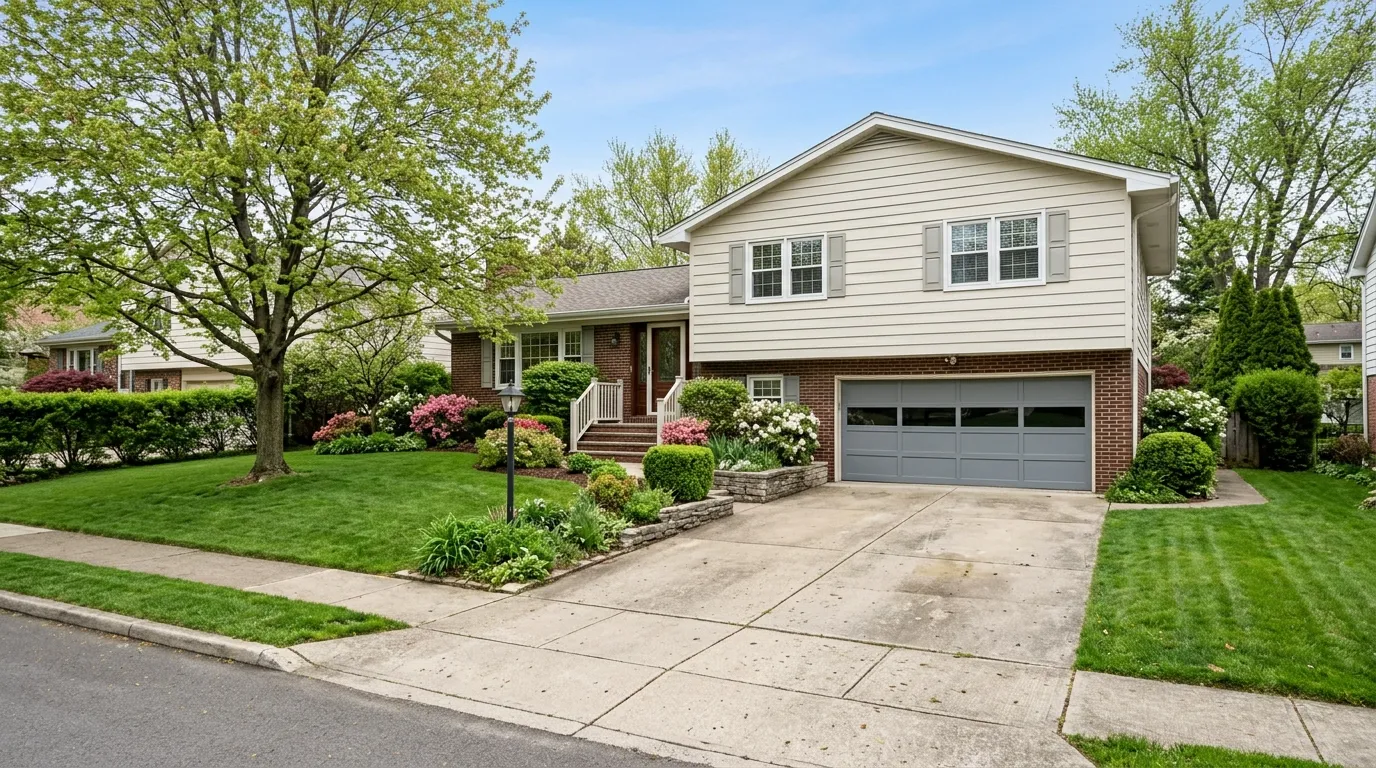
La Presa's housing stock clusters tightly around 1975, which puts most of these homes in the same narrow window as the broader mid-county area - 1960s and 70s construction across the wider service territory. Doors and openers from that generation used lighter gauge steel and simpler spring setups than what's sold now, and after five decades the header framing has usually shifted enough that a stock replacement door doesn't sit flush. The mild coastal-influenced climate here has been kind to the wood and steel - no freeze-thaw cracking, no monsoon rust - so a lot of these original openings have outlasted the doors hung in them. That's actually why replacement, not repair, is usually the right call by this age: the opening is fine, the hardware just isn't.
How We Fix It
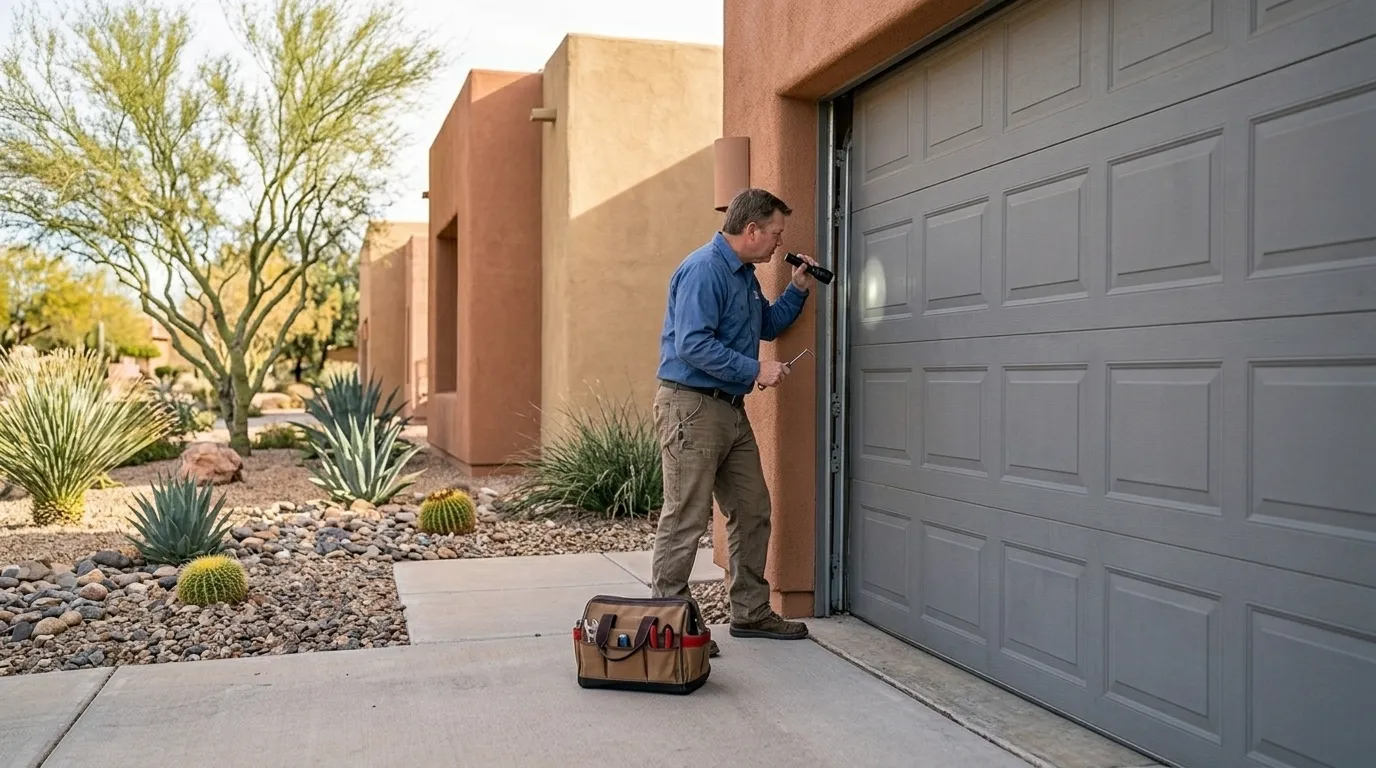
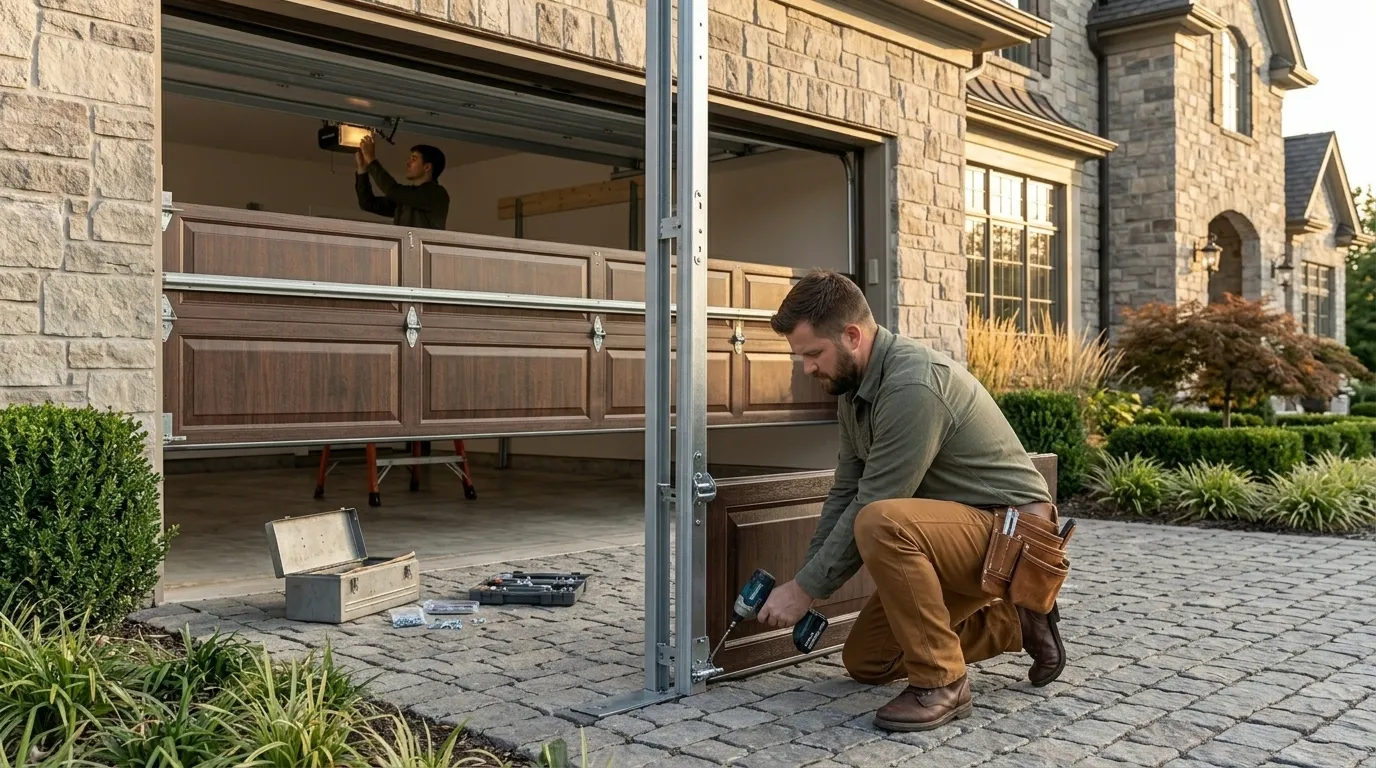
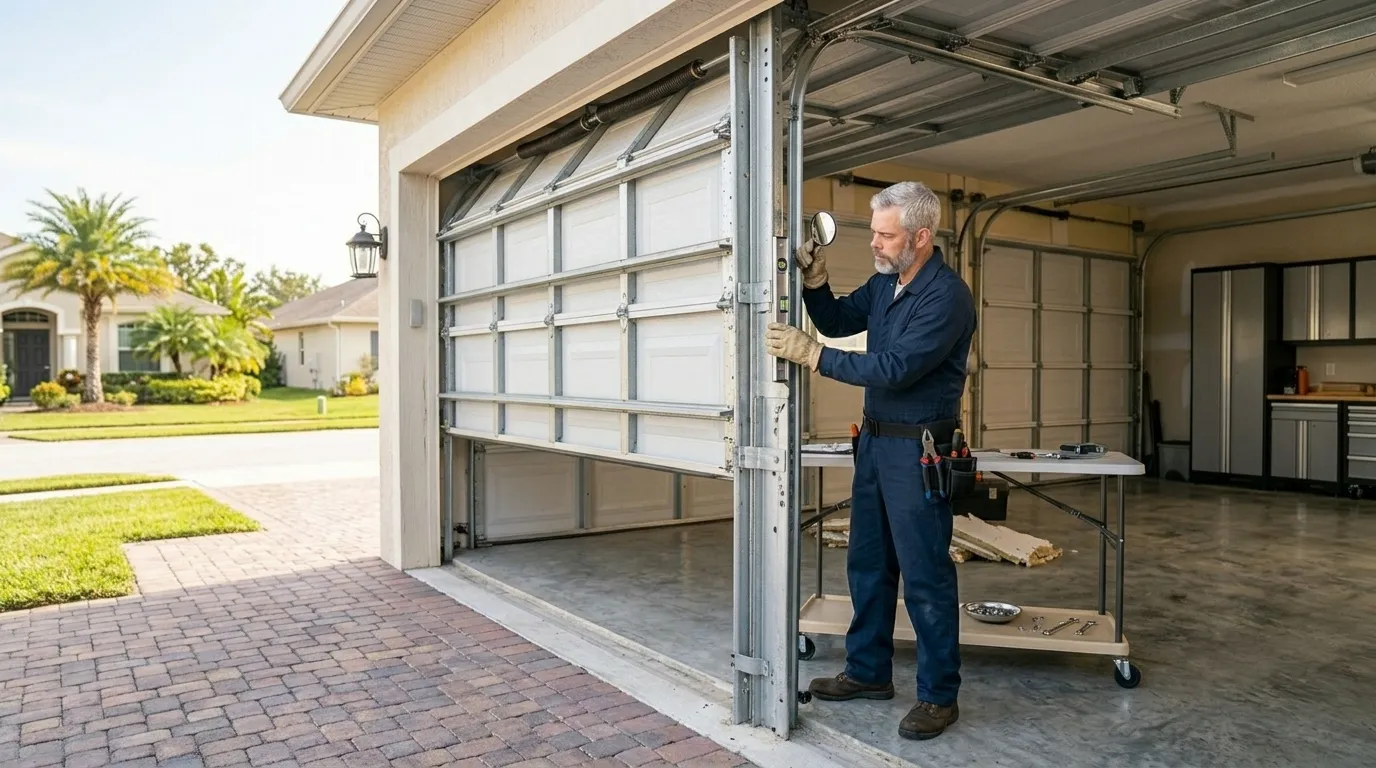
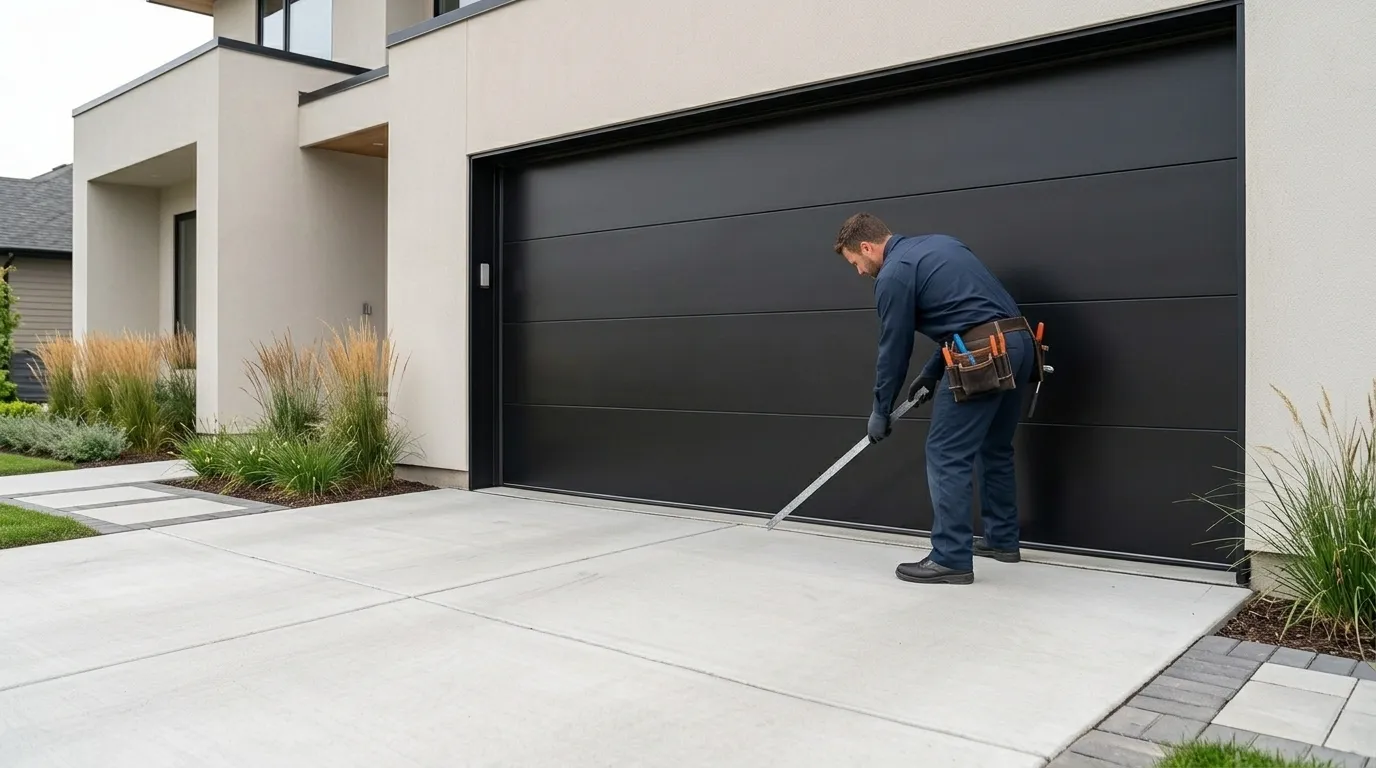
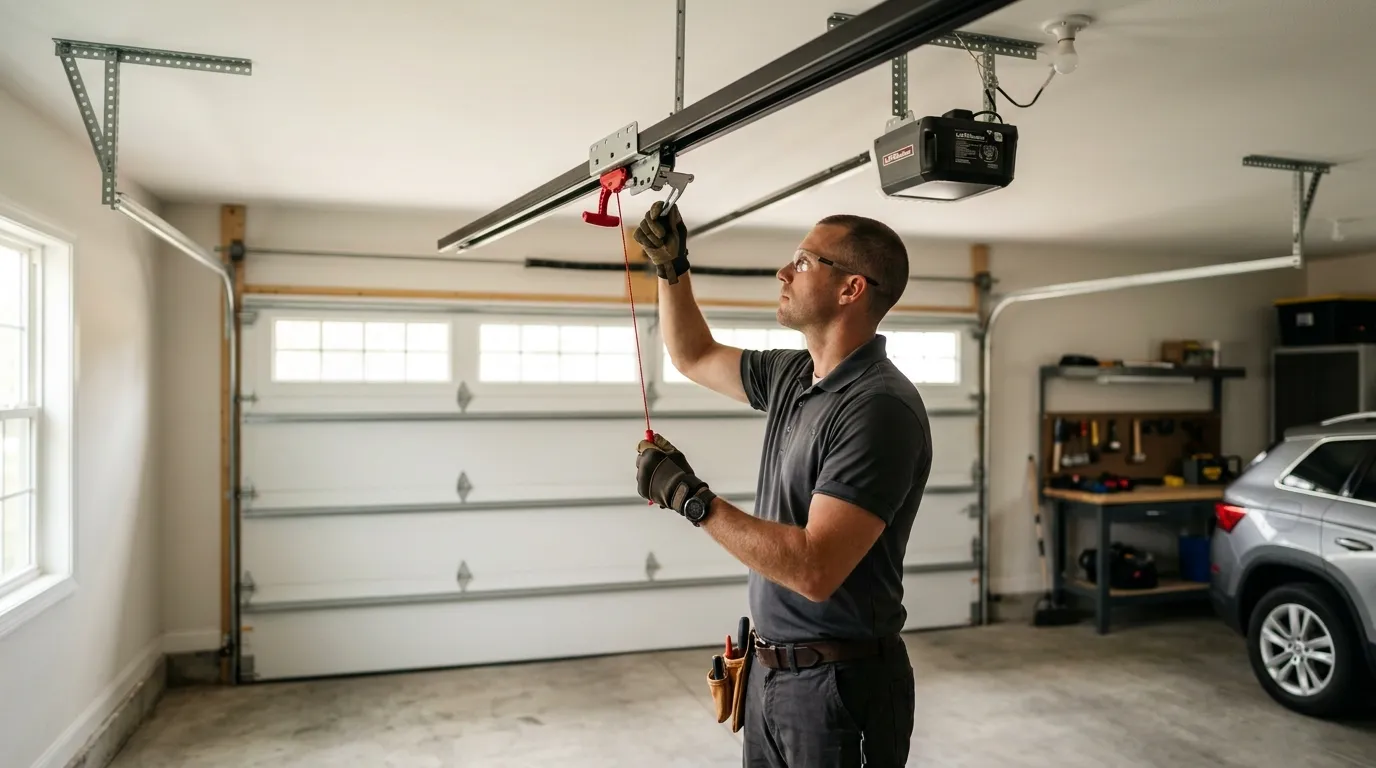
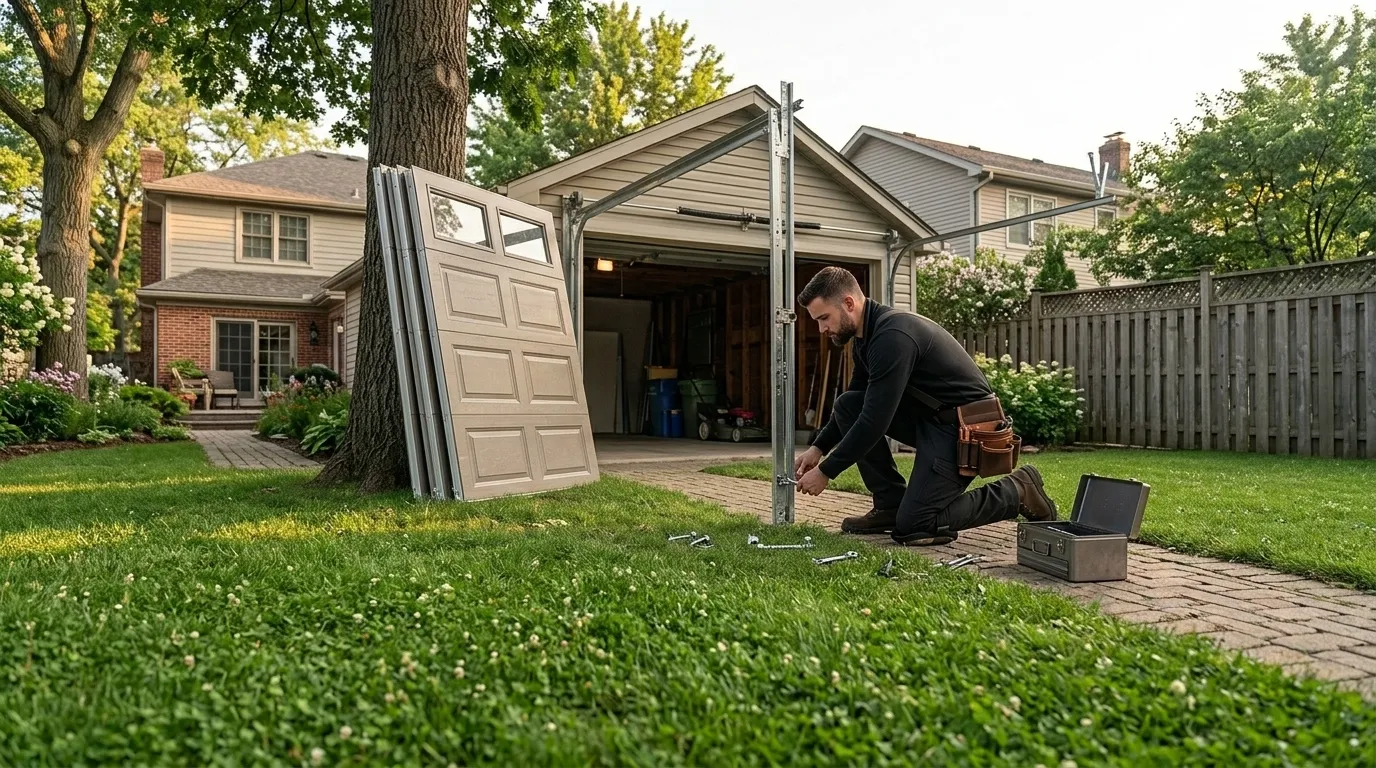
We measure the opening before we quote anything, because on a house this age the rough opening rarely matches the door's nominal size anymore. We shim and re-square the jamb if it's drifted, upgrade the track and springs to current hardware rated for the new door's weight, and set the opener travel limits to match - a step people skip when they install a door themselves and wonder why it doesn't fully seat. For La Presa jobs we bring the door pre-selected for the opening size we measured, not a generic stock unit, since guessing wrong on a 1970s-era opening means a second trip. We don't stock every custom size on the truck; if you want a non-standard width, plan on a short lead time to get the panels in before we schedule the install.
How It Shows Up
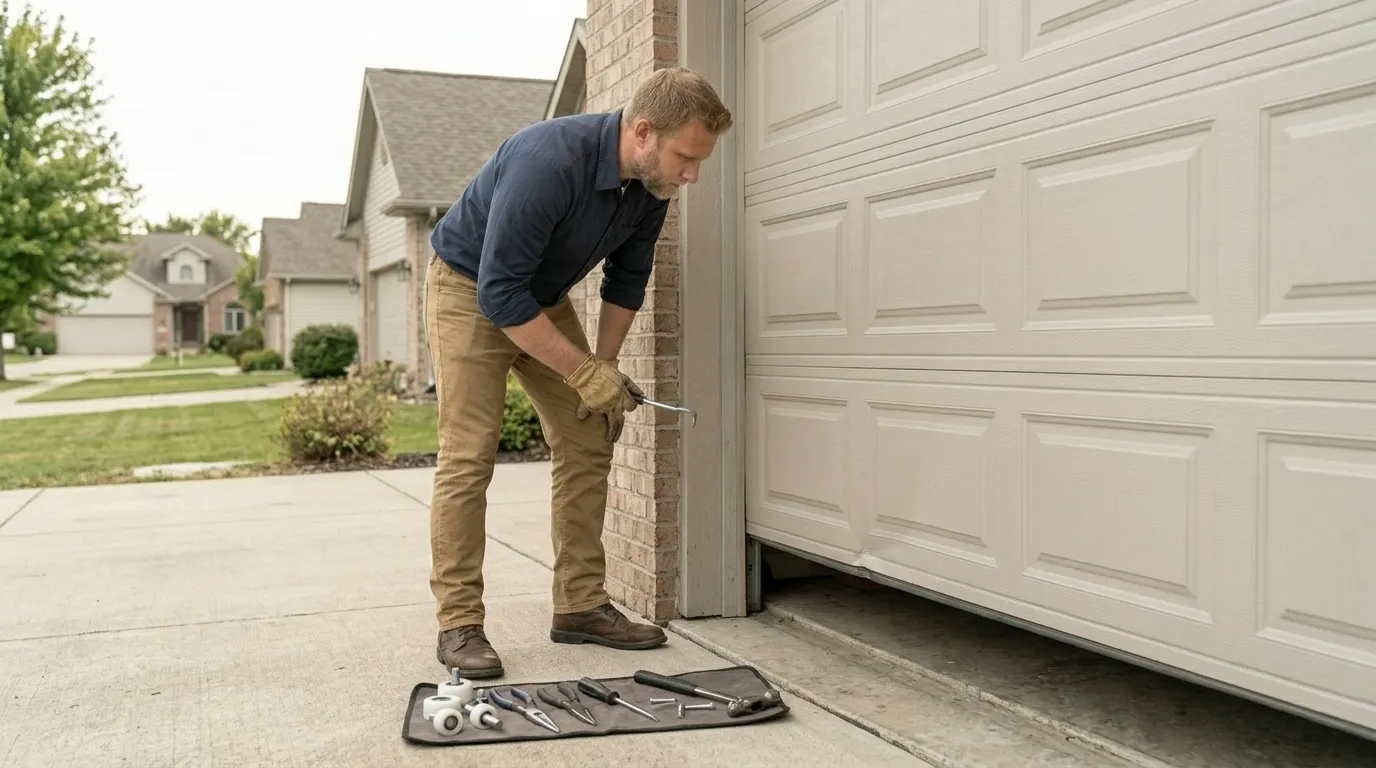
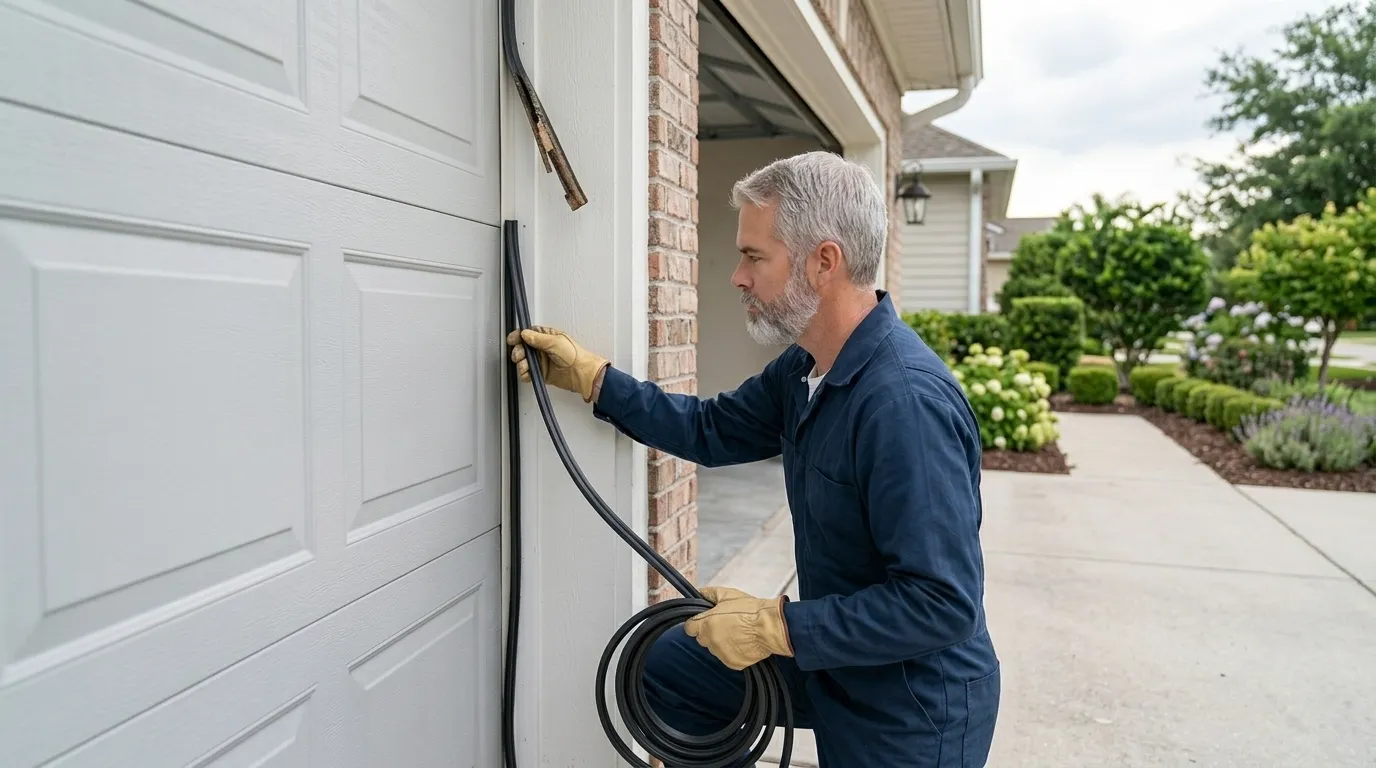
On a 1975-built La Presa house, the usual sign isn't a dead spring - it's a door that runs unevenly, drags on one side of the track, or leaves daylight along the bottom seal even when it's fully closed. That's the opening telling you it's moved a little more than the door has. Some owners get a rattly opener chain and assume the motor's dying when really the door itself is fighting a track that's no longer plumb. If your door is original to a house this age, in this kind of climate, it's not weather damage doing the work - it's just decades of a steel frame settling into a wood-framed opening that was never perfectly square to begin with.