Why It Happens Here
La Presa's housing sits around a 1975 median build year, which puts most garages here on hardware from the same stretch San Diego's broader stock (1967-1992) came out of. That means single torsion springs rated for lighter, thinner steel doors than what's sold today, side-mounted openers with chain drives that have long since been replaced by belt and screw drives elsewhere, and steel tracks that were never adjusted for the extra weight of a modern insulated panel if one ever got swapped in.
The mild coastal-influenced climate out here doesn't rust hardware out the way a harsher climate would, so parts often look fine well past when they should've been replaced - which is part of the problem. A spring or a roller doesn't announce itself is worn out; it just gets a little louder, a little slower, until one day it doesn't move at all.
With 11,155 households in La Presa and a median income of $88,479, a lot of these are owner-occupied houses where the original hardware never got a reason to come out. Nobody replaces a working door.
How We Fix It
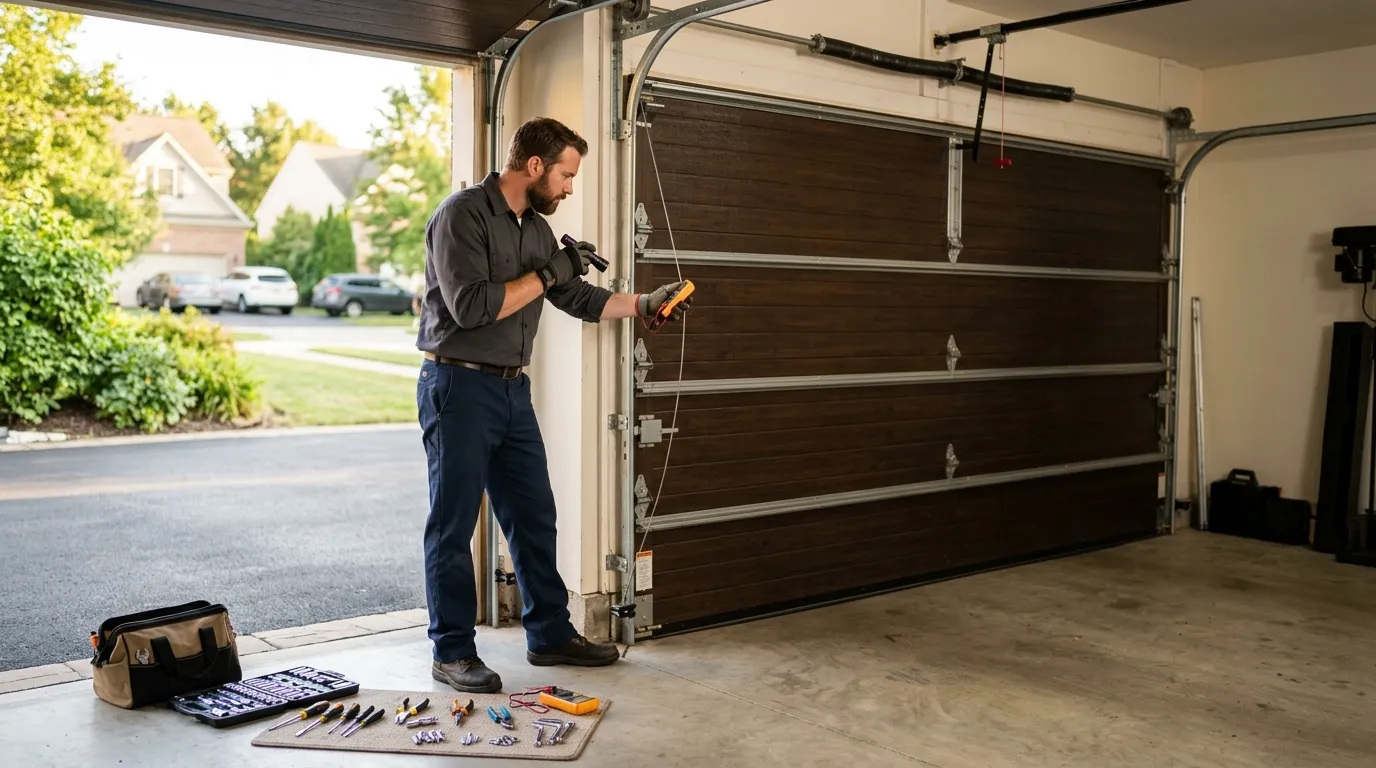
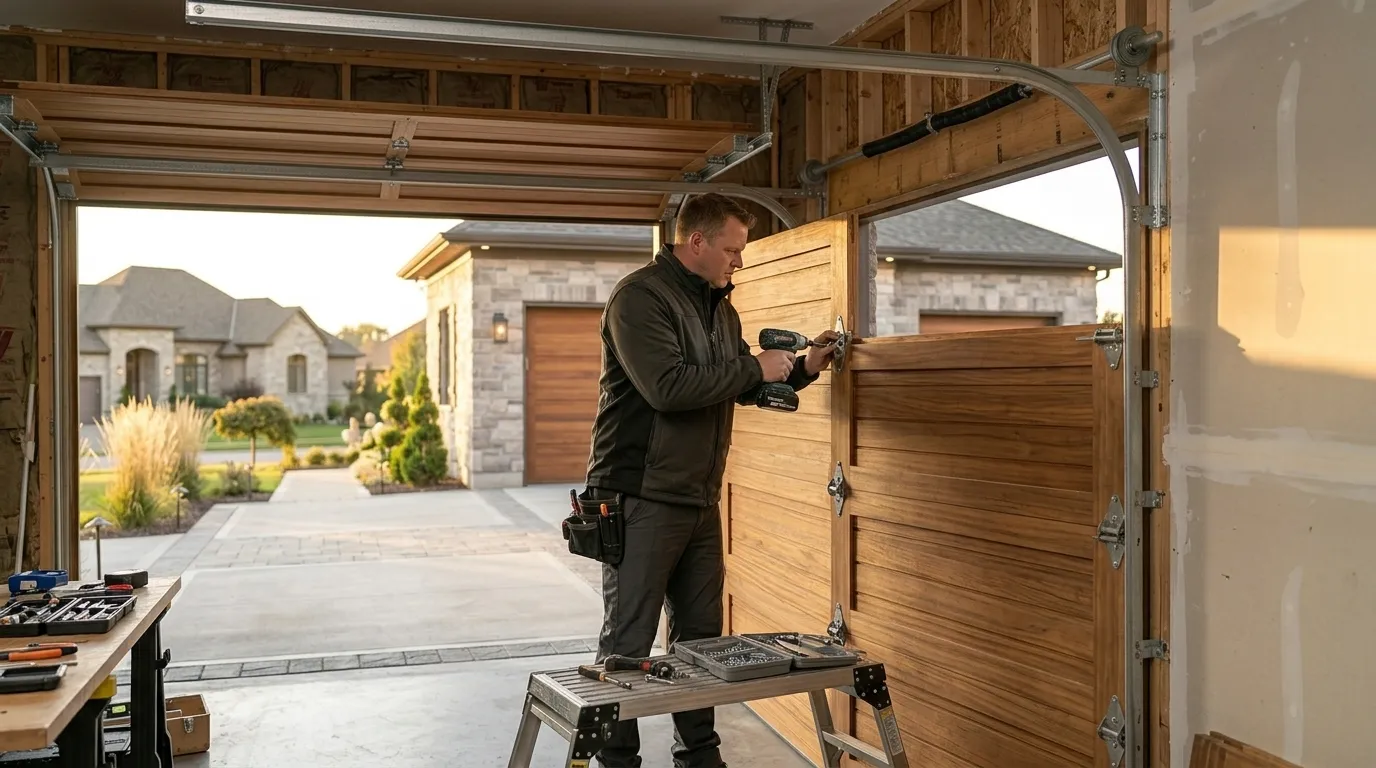
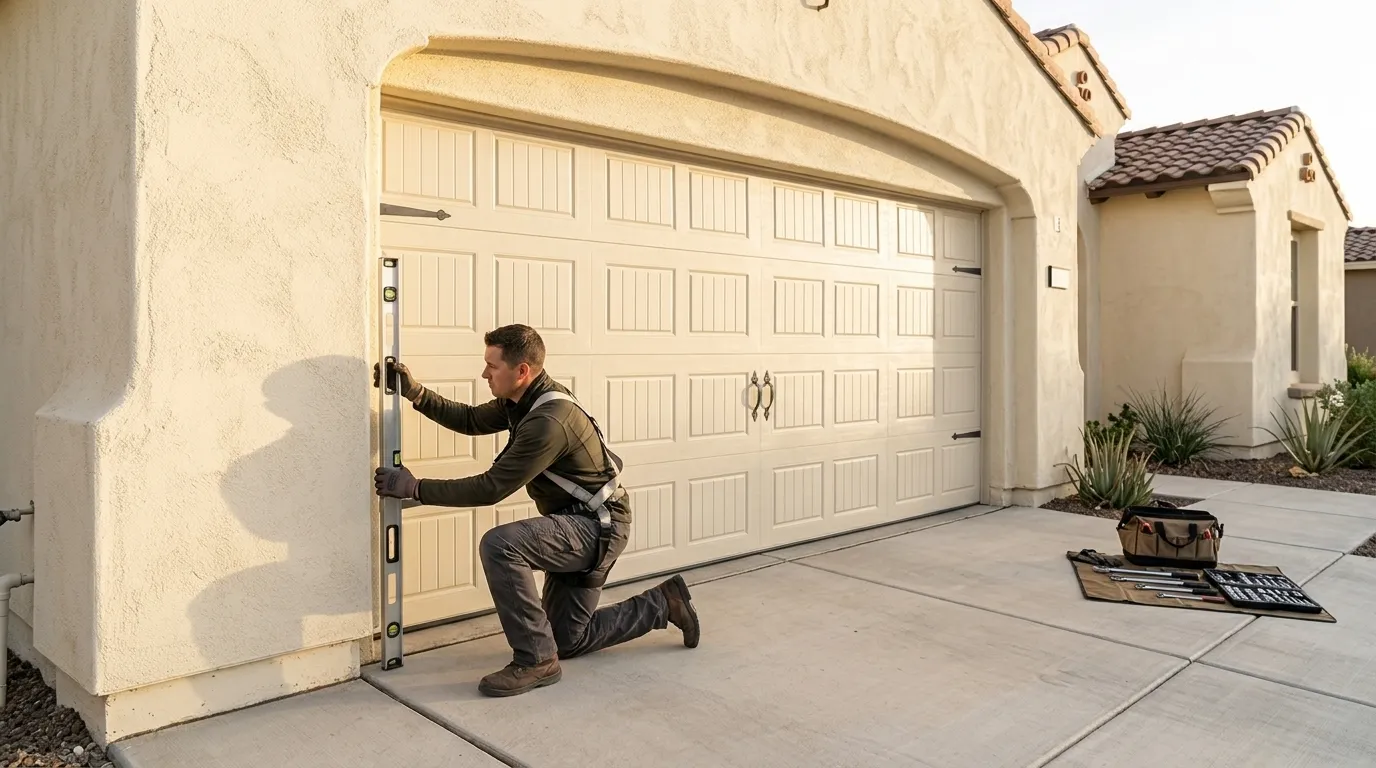
We come out from San Diego, about 10 miles, and most calls in La Presa land on one of three things: a broken torsion spring, a worn-out roller and track assembly, or an opener that's finally quit after running since the house was newer than it is now.
Spring replacement means matching the wire gauge and wind to the door's actual weight - not just swapping in whatever's on the truck. A lot of original 1970s-era doors are lighter wood or single-layer steel, so the spring has to match that, not a heavier modern panel spec. If your door has been swapped for an insulated one at some point without the spring being re-rated, that mismatch is often the actual fault, not the spring itself.
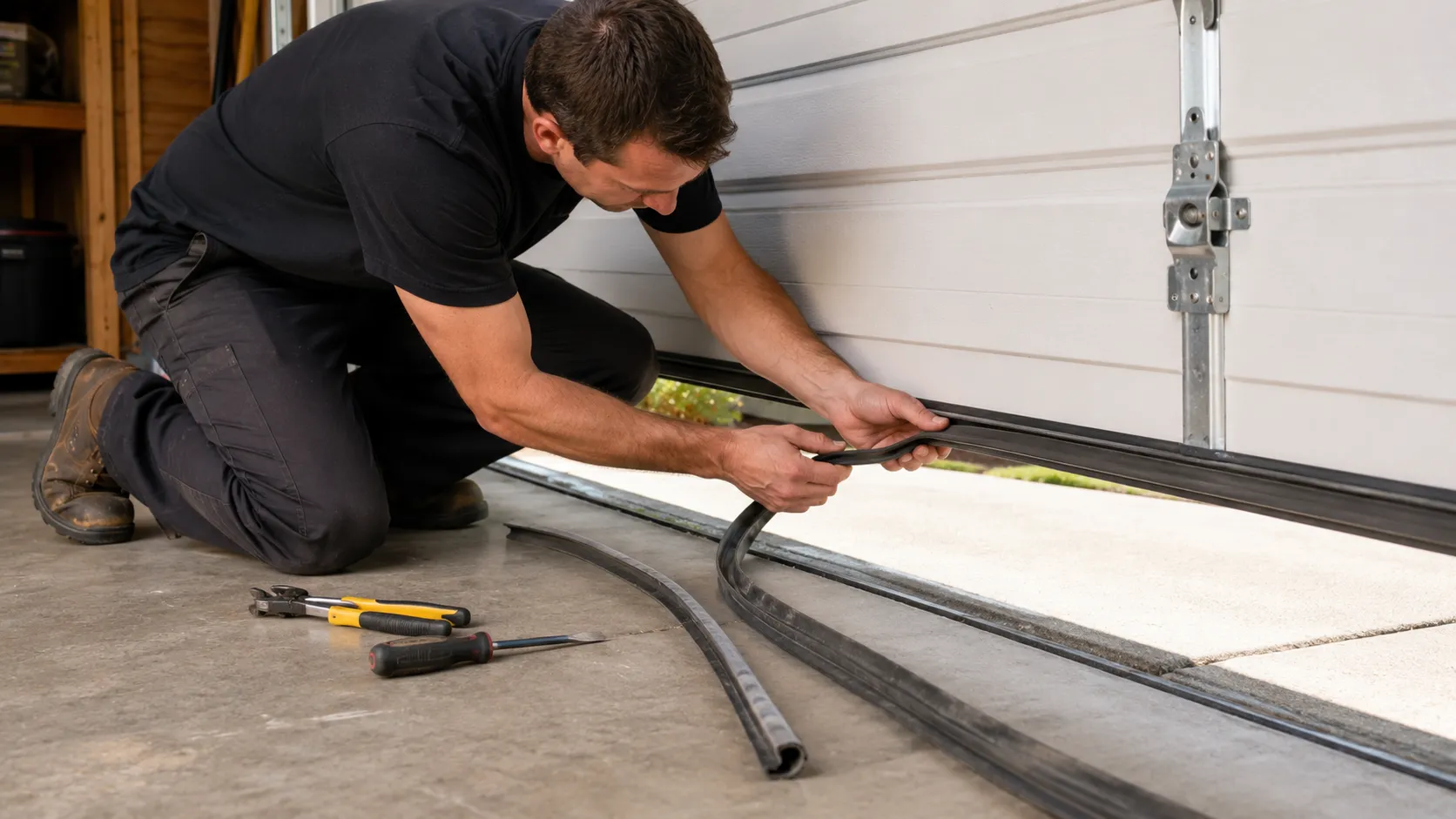
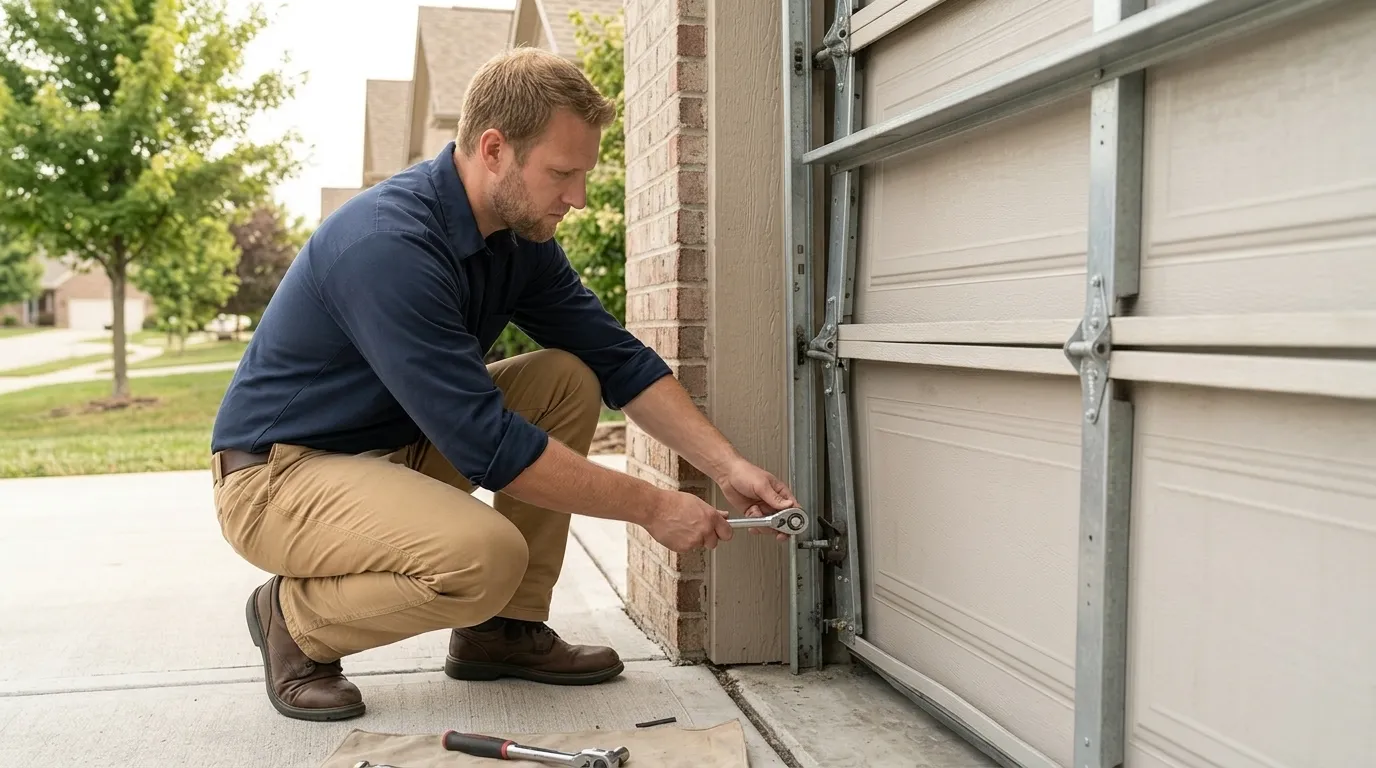
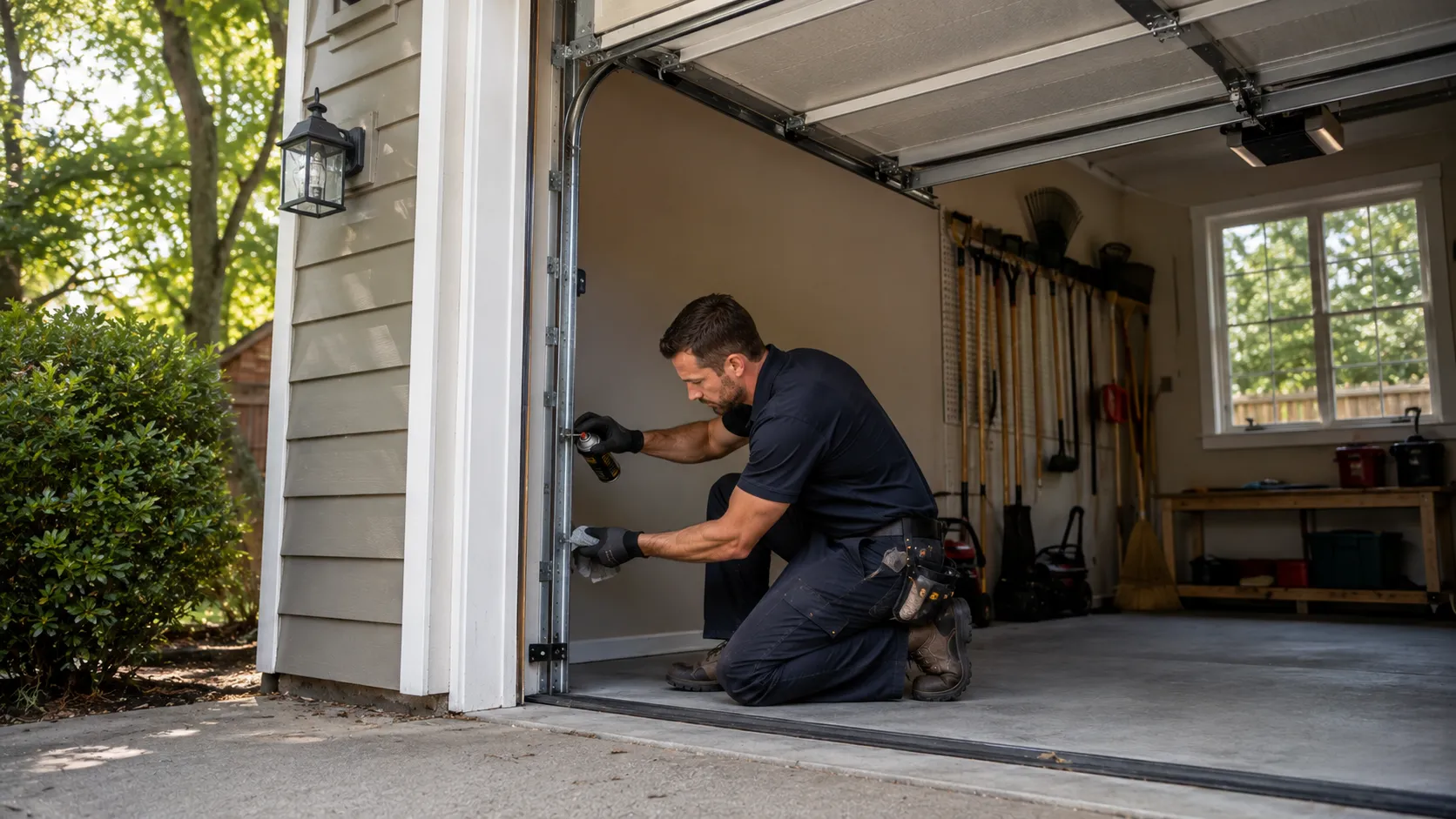
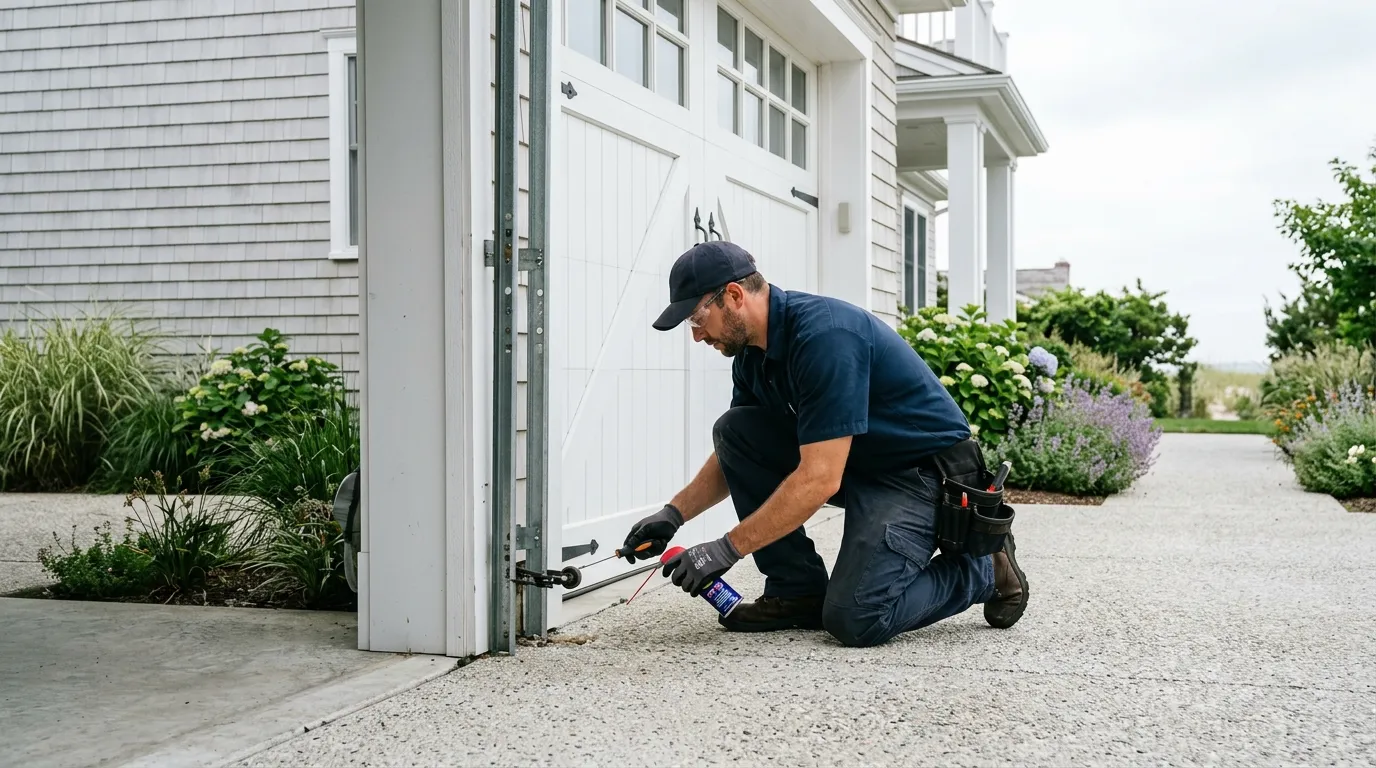
Rollers and track we replace in sets, not one at a time - on a door this age, if one roller's shot the rest aren't far behind. For openers, if the motor's original we'll tell you straight when it's not worth chasing parts for something that old versus just putting in a new unit. That call depends on the door and the opener, and we'll walk you through it before we do anything.
How It Shows Up
On a 1970s-era door, trouble usually starts quiet. The door gets heavier to lift by hand before it ever fails outright - that's the spring losing tension, not the opener struggling. A grinding or popping sound on the way up is often a roller that's worn through its bearing, not the track itself, though on original hardware the two wear together.
If the door reverses right after it touches the floor, that's usually the down-limit setting drifting on an old chain-drive opener, not a safety sensor issue. And if the door won't budge at all and the opener motor just hums, that's very often a broken spring taking all the weight off the opener and putting it somewhere the motor was never built to handle.
None of this is unique to any one house, but on hardware that's been in place since the mid-1970s without much attention, these are the failure points that show up first, in roughly this order.