What the Doors Are Like
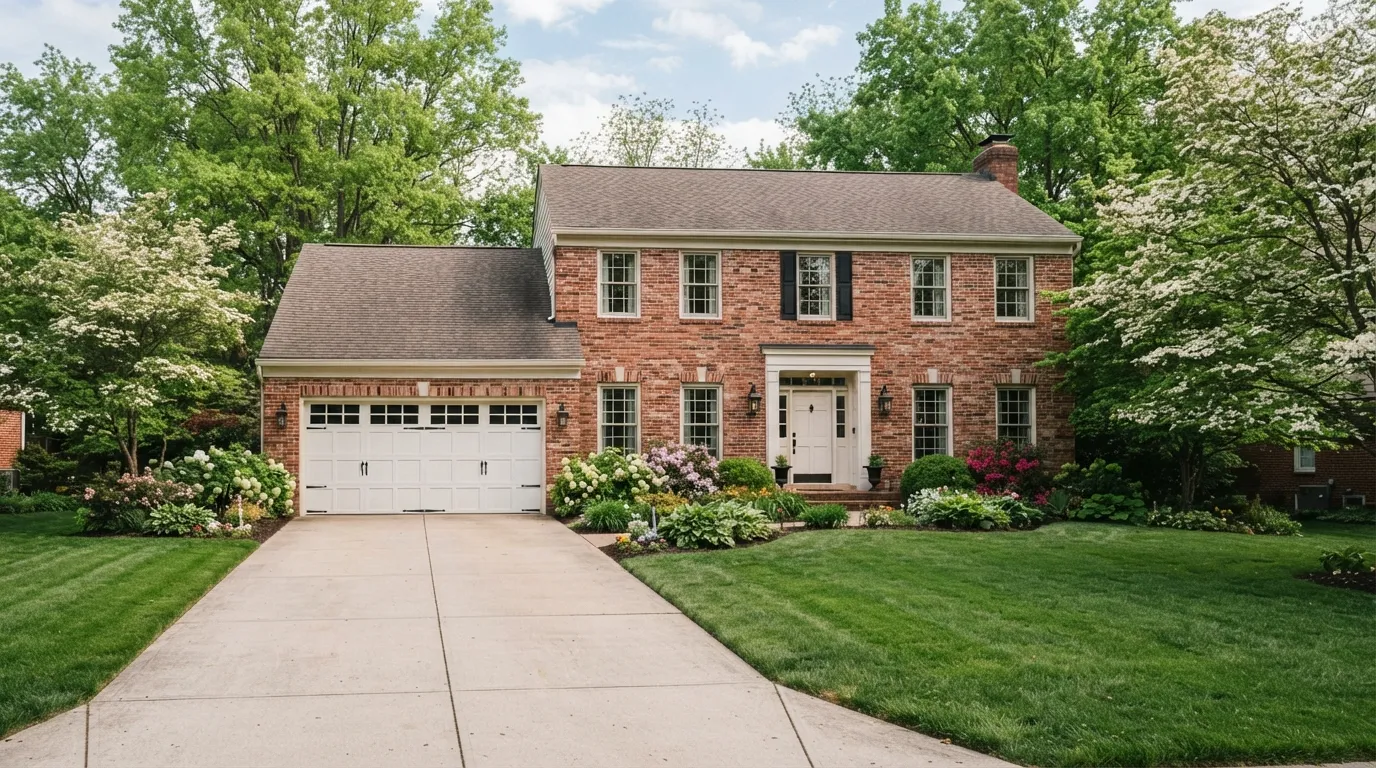
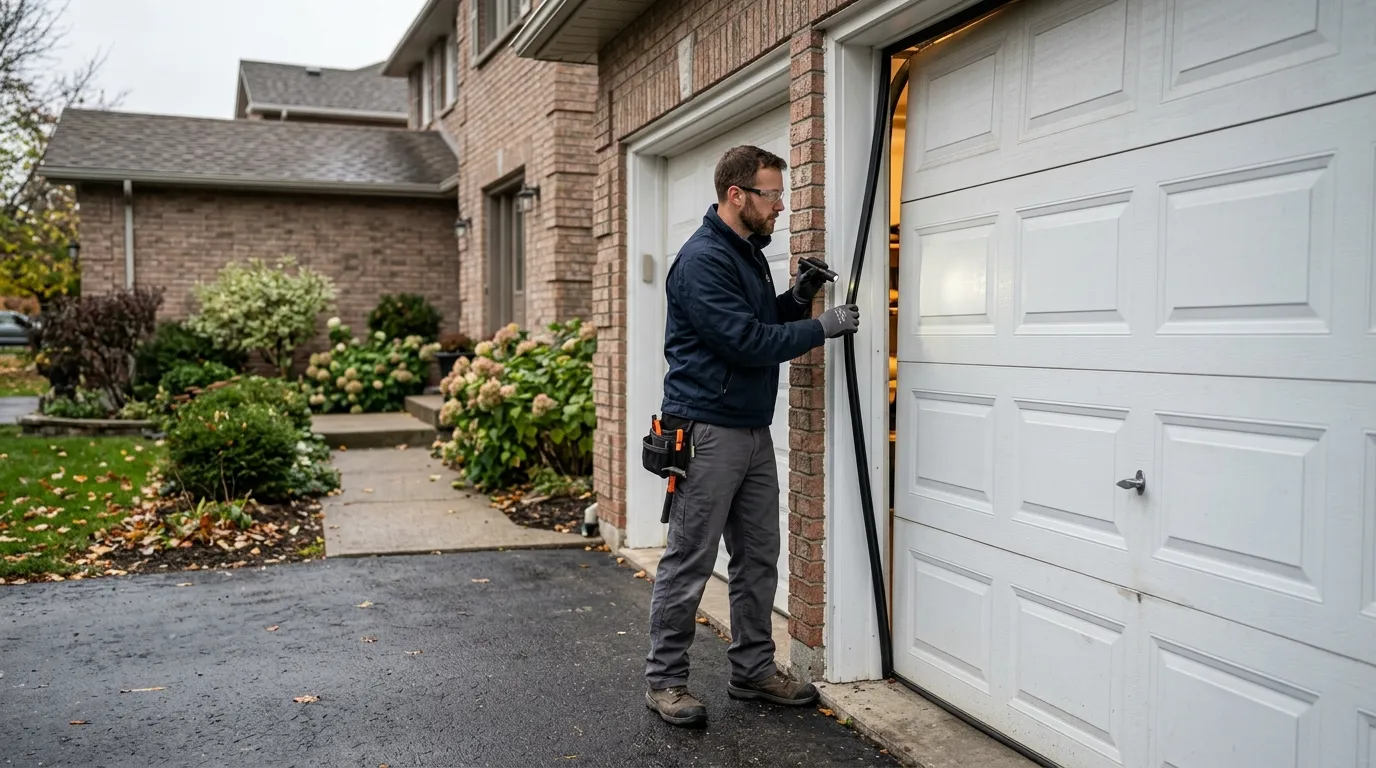
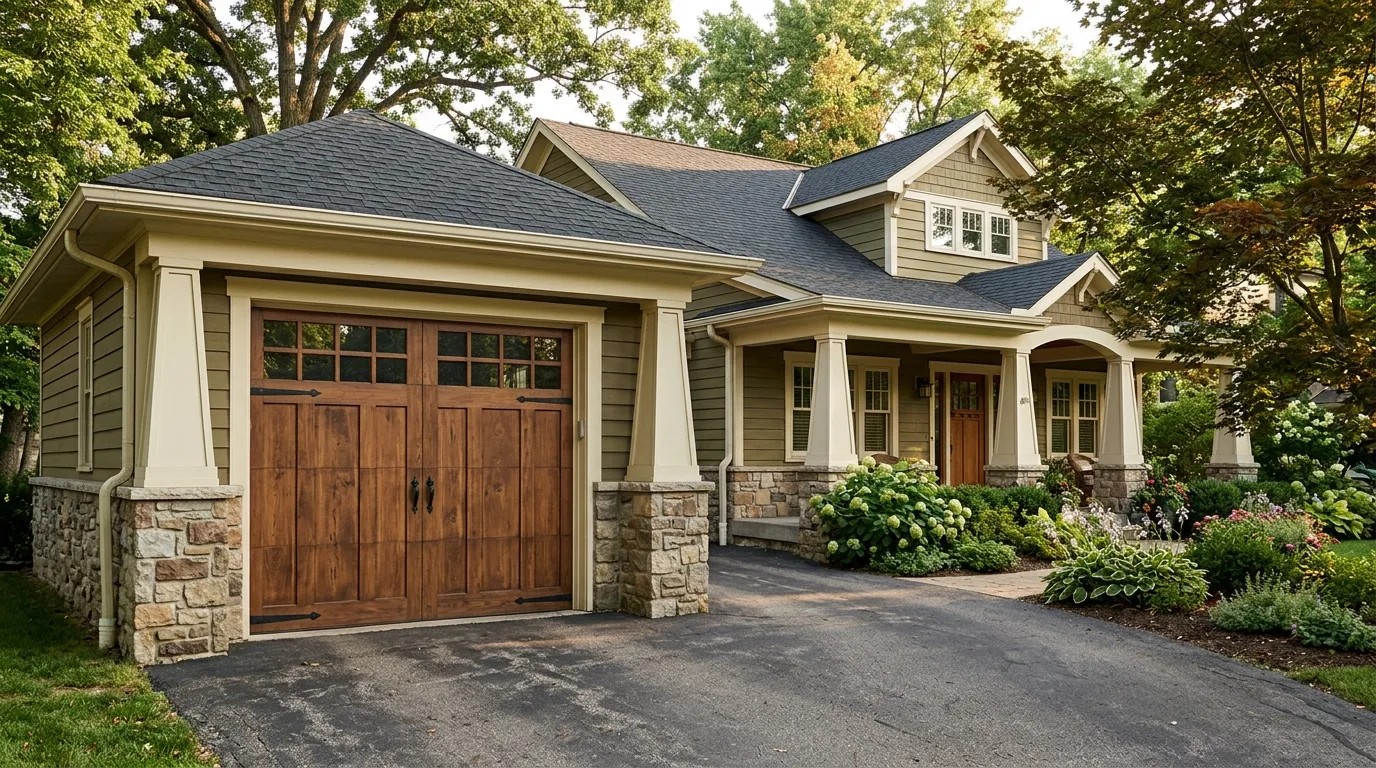
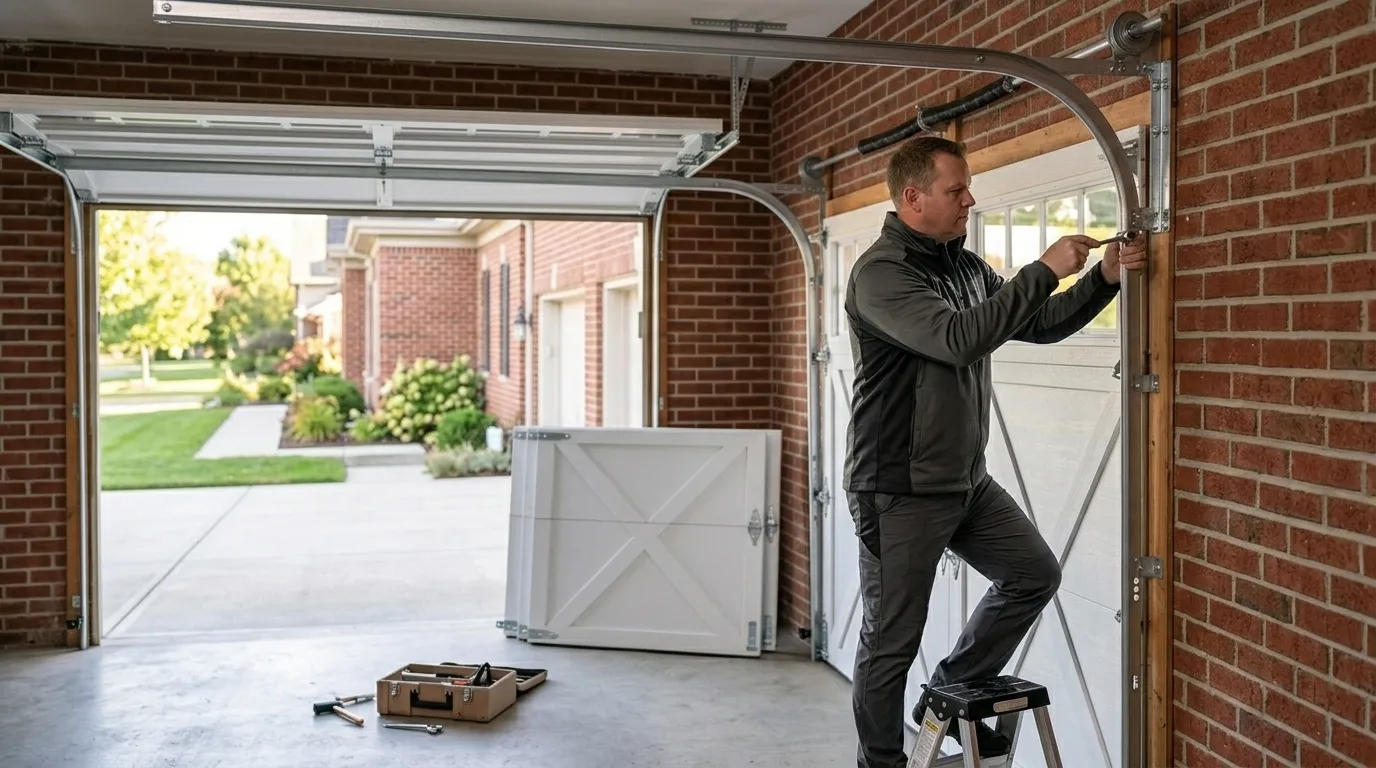
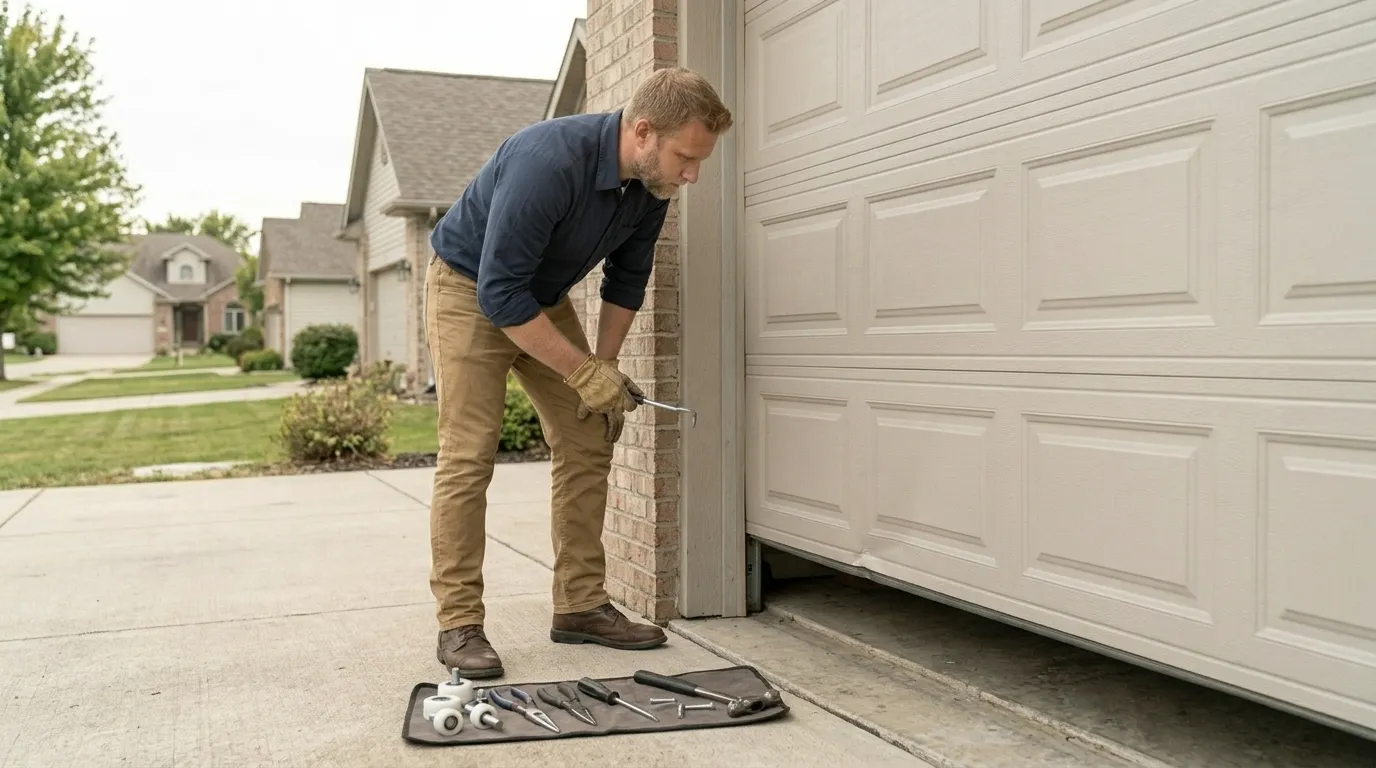
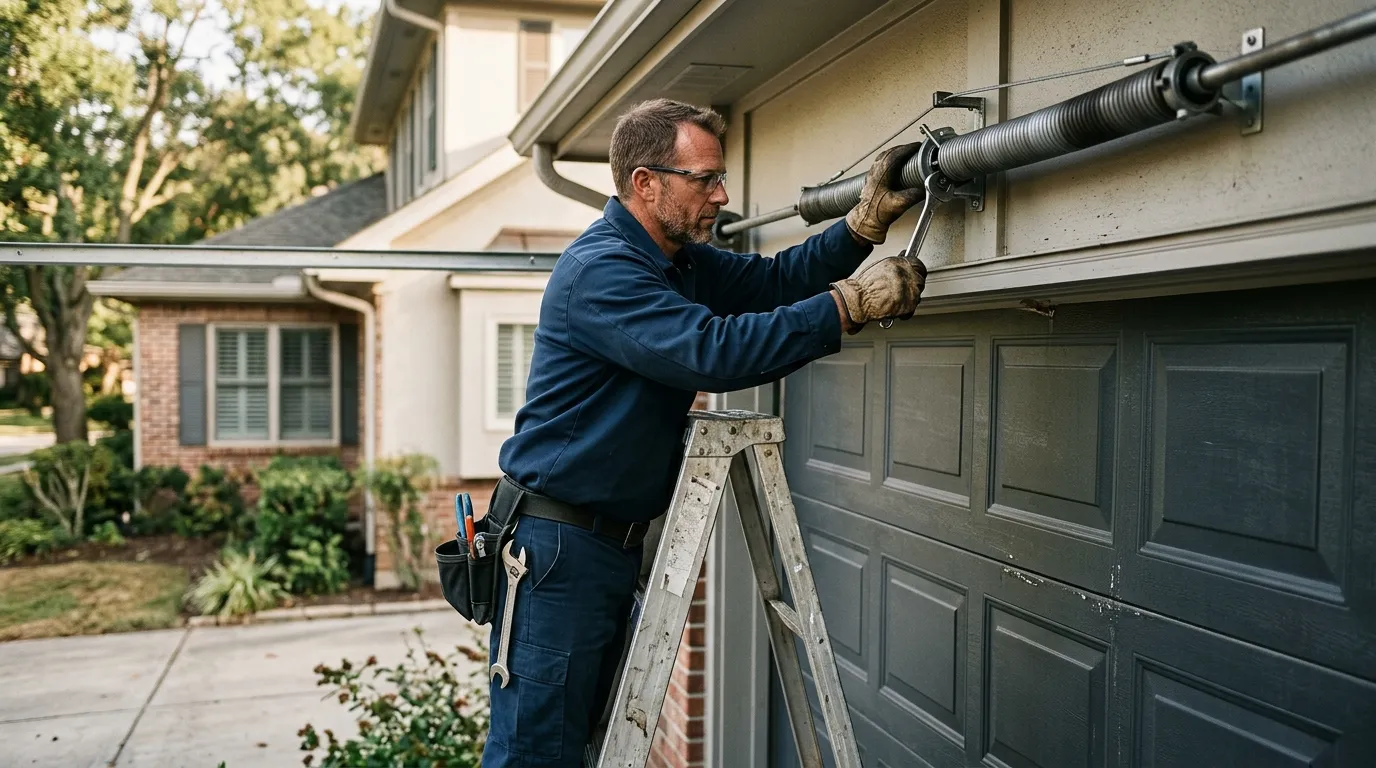
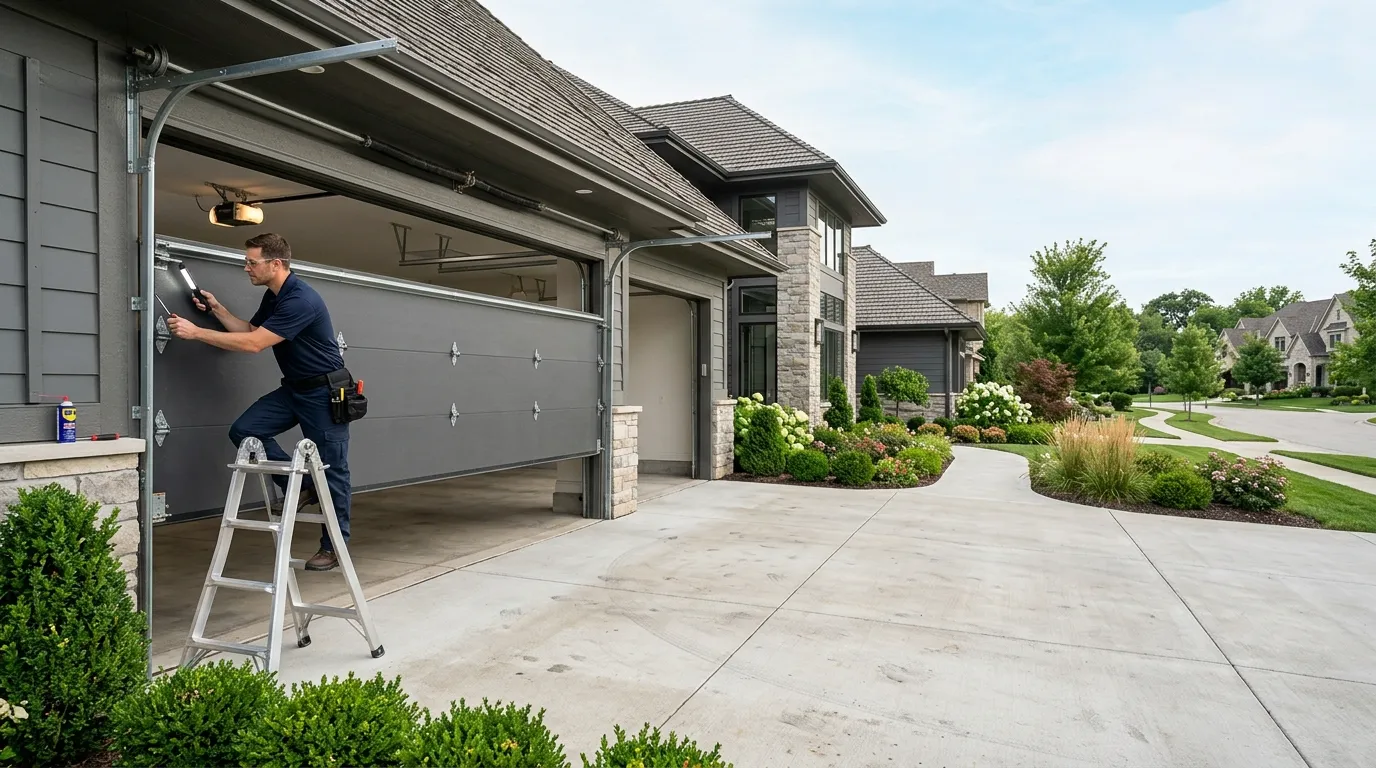
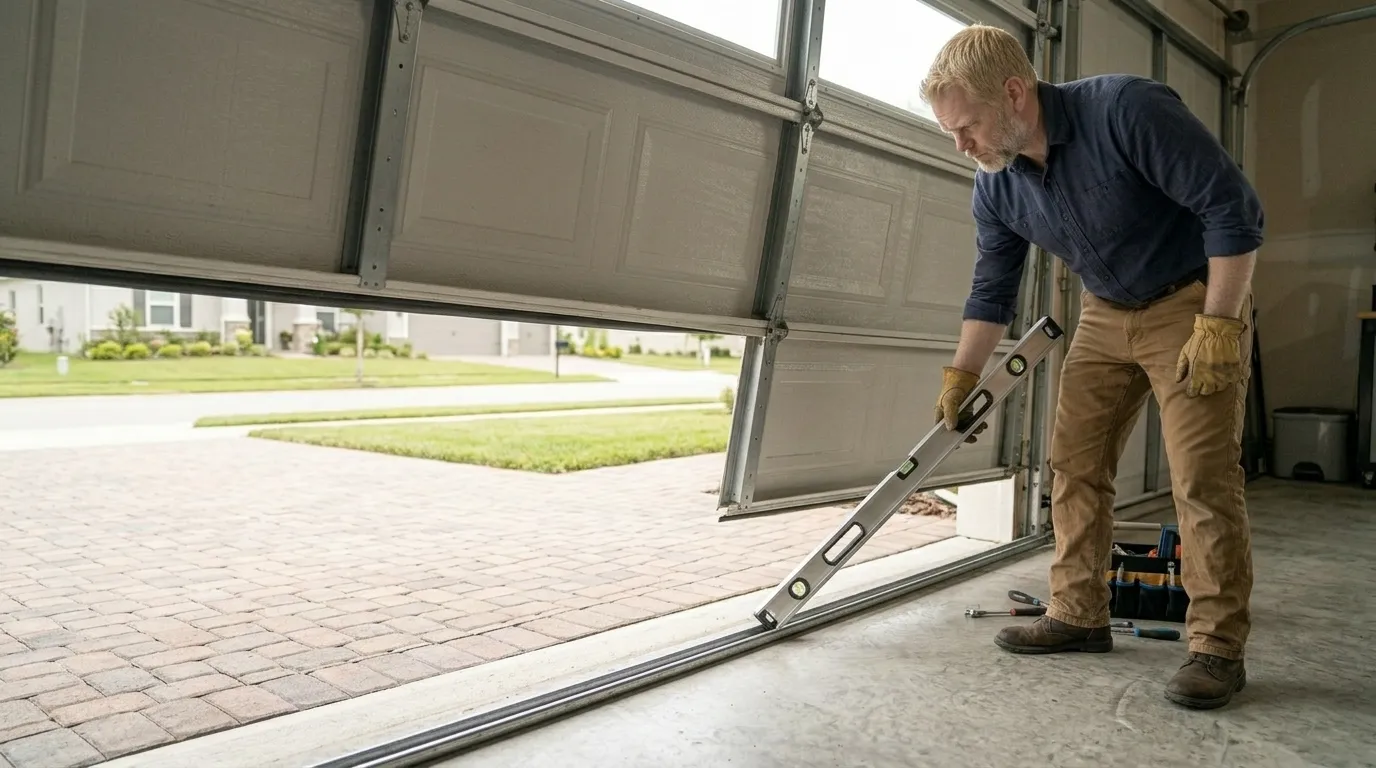
San Diego's mild temperate climate has been kind to these doors in one specific way: you don't get the freeze-thaw cracking or the humidity swelling that chews up tracks and panels in harsher climates. A door from 1975 in this part of town is more likely to fail from age and cycle count than from weather damage, which is actually good news - it means most of what we're fixing is mechanical wear, not rot or rust-through. The households in this general part of San Diego skew toward a median income above $118,000, and what that tends to mean in practice is more owners opting for full opener and spring upgrades rather than patch repairs, since a proper insulated steel door isn't a stretch financially the way it might be elsewhere. That said, we don't push replacement on a door that's still sound. If the panels are straight and the track is true, a spring swap and a new set of rollers will often get another decade out of a door built in that era - no reason to replace what isn't broken.
Booking
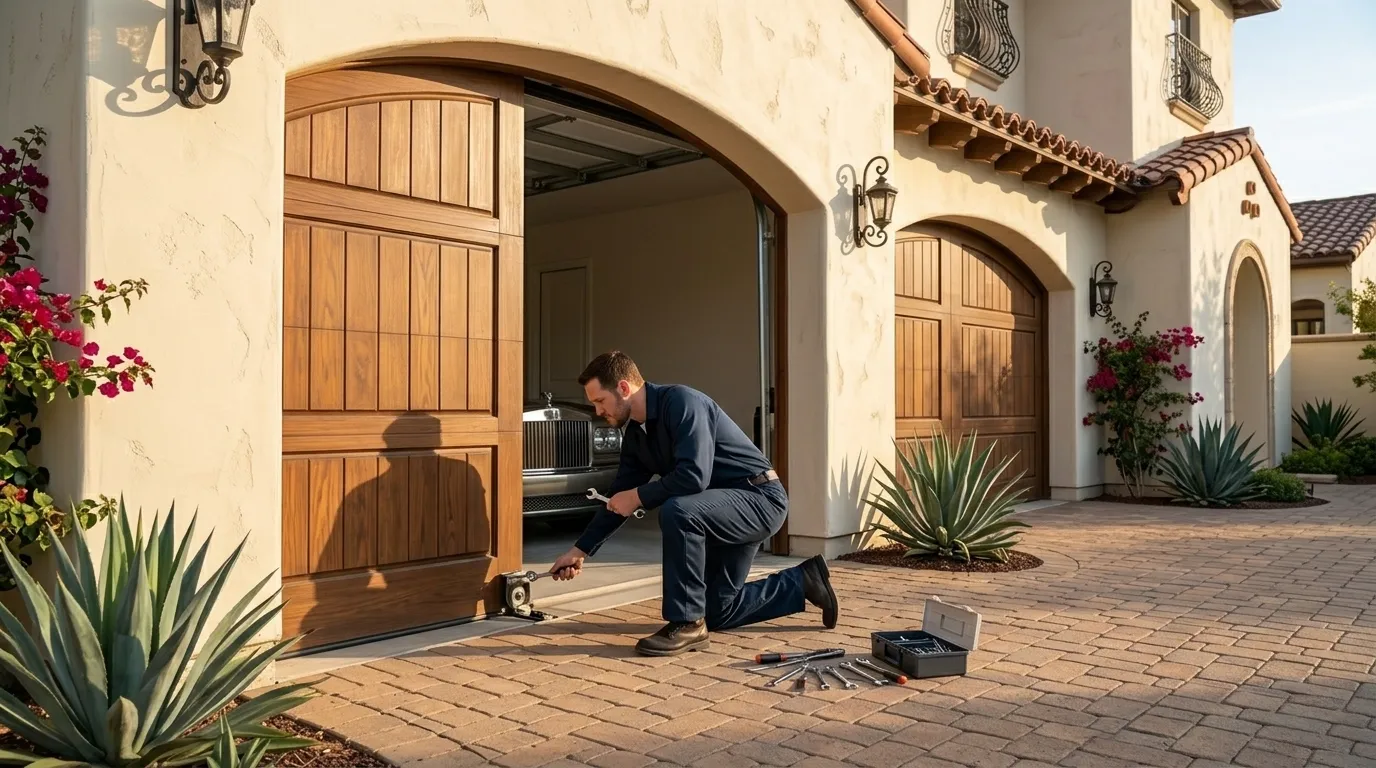
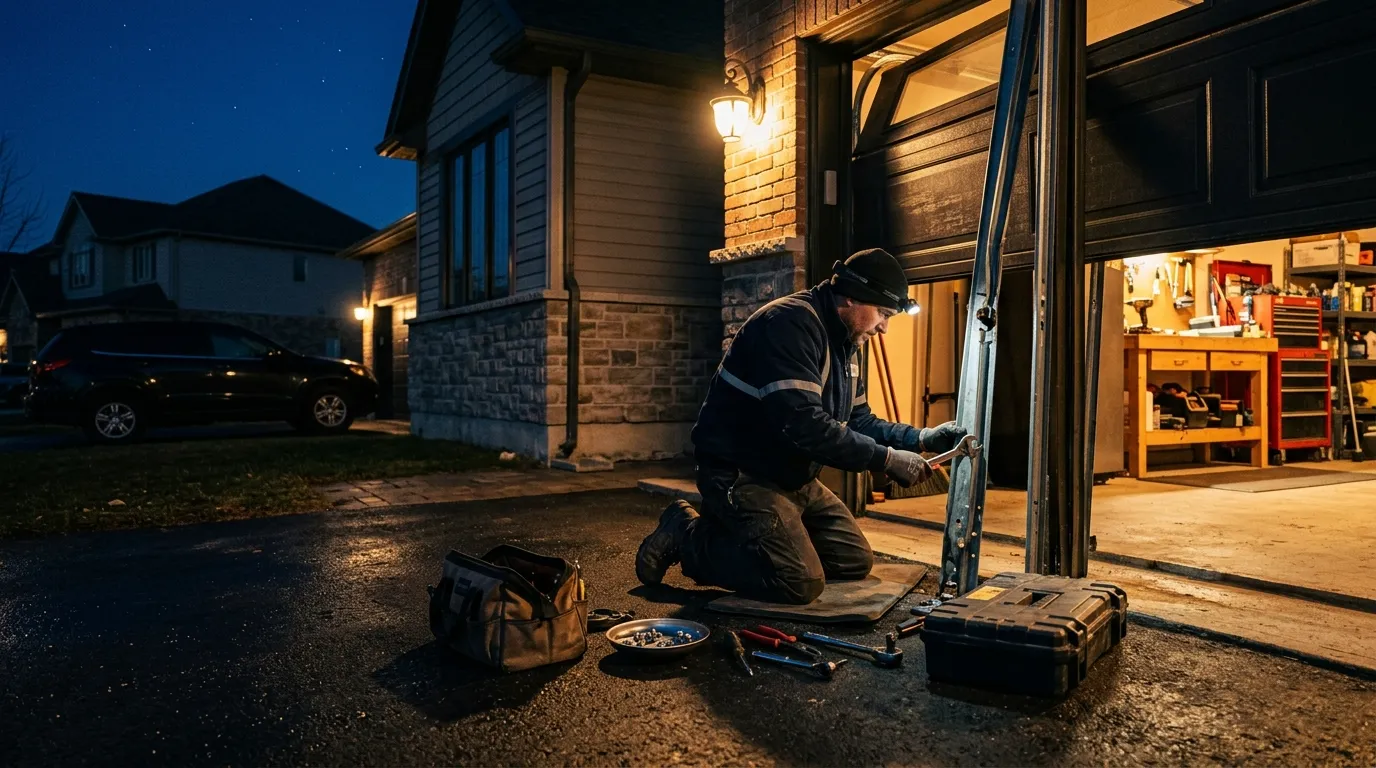
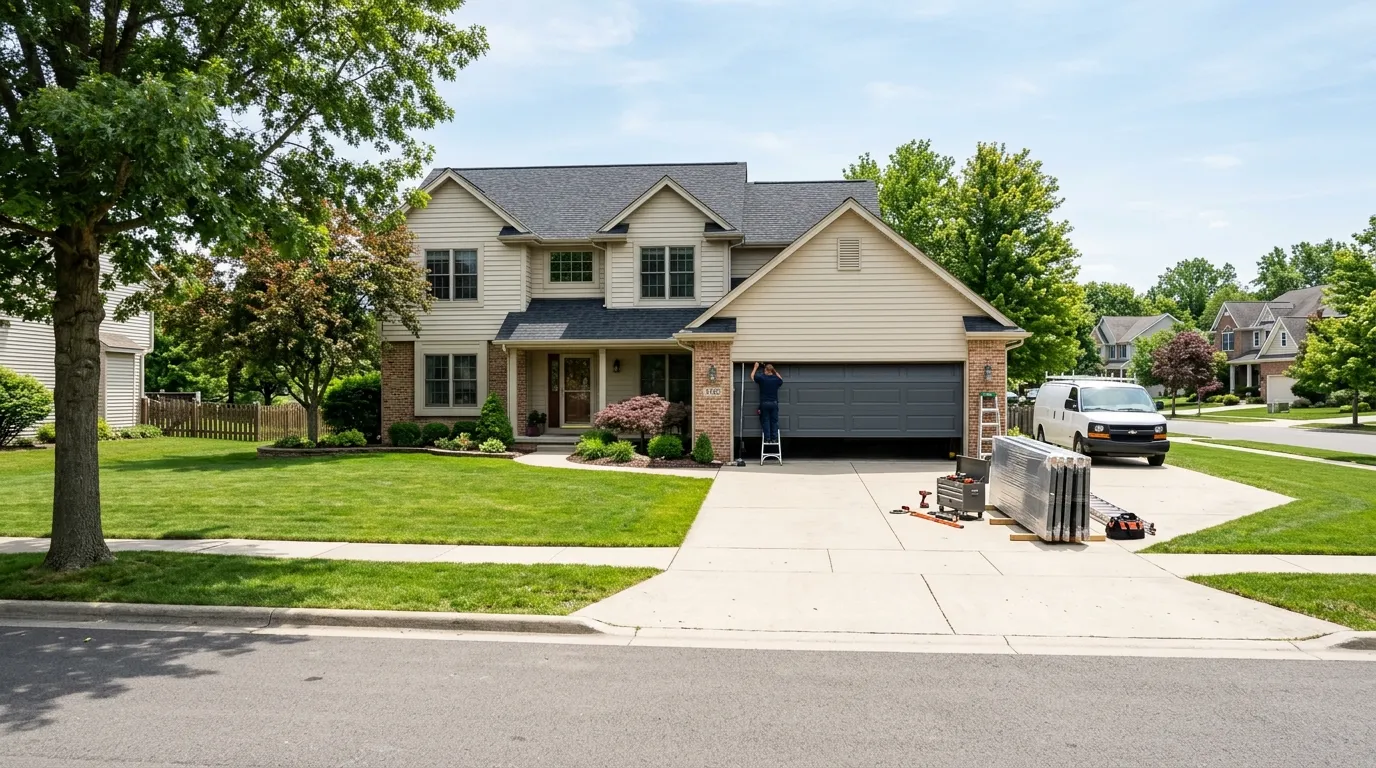
University City is about 5 miles northwest of the city centre, inside our regular run. If your opener is from the original build era and the logic board or gear has gone, we'll tell you straight if it's worth repairing or if the part's obsolete enough that replacement is the honest call - some of those 1970s and 80s opener boards just aren't stocked anymore, and we're not going to string you along on a part we can't get. Same goes for torsion springs sized for doors nobody makes in that exact width anymore; sometimes the fix is a modern equivalent, not an exact match. Call and describe the door - age, whether it's one-piece or sectional, chain-drive or belt - and we can usually tell you over the phone what we're likely dealing with before the truck shows up.