What the Doors Are Like
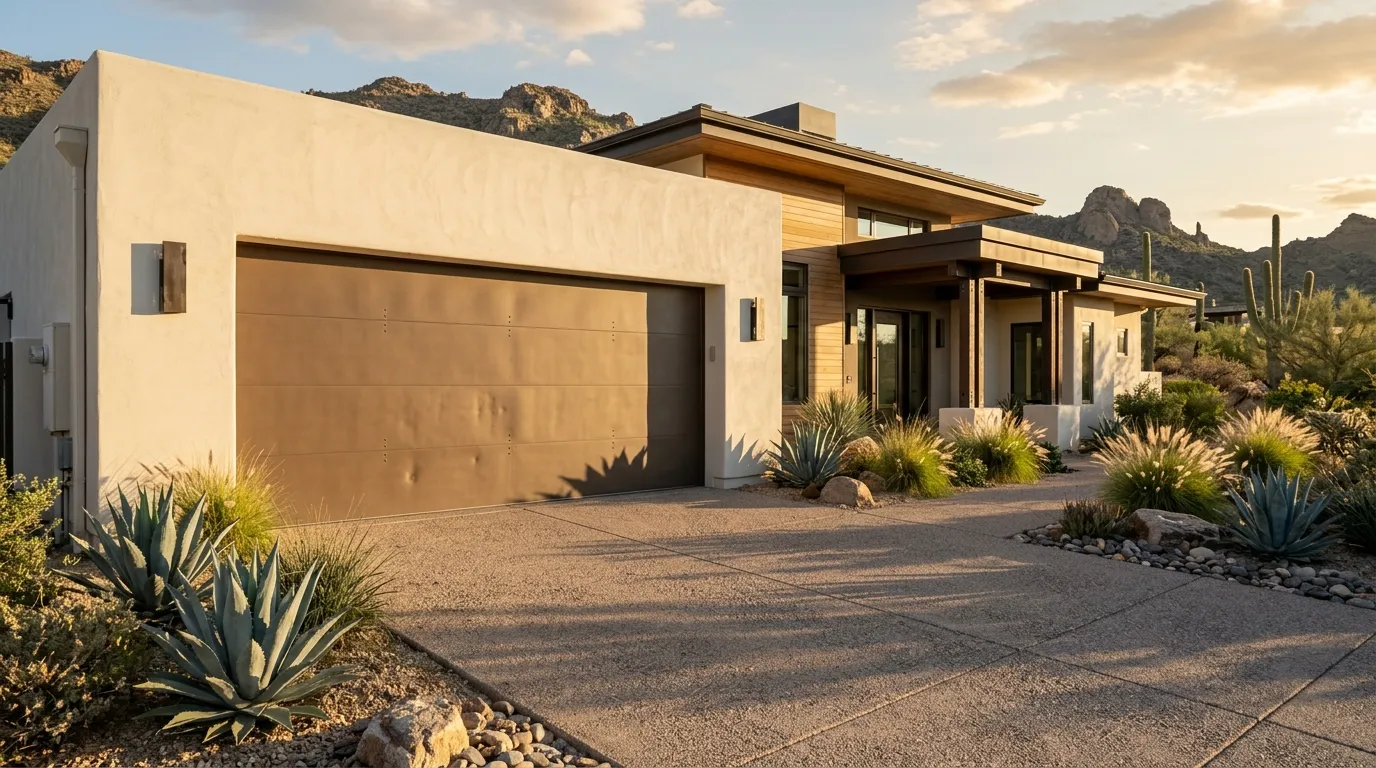
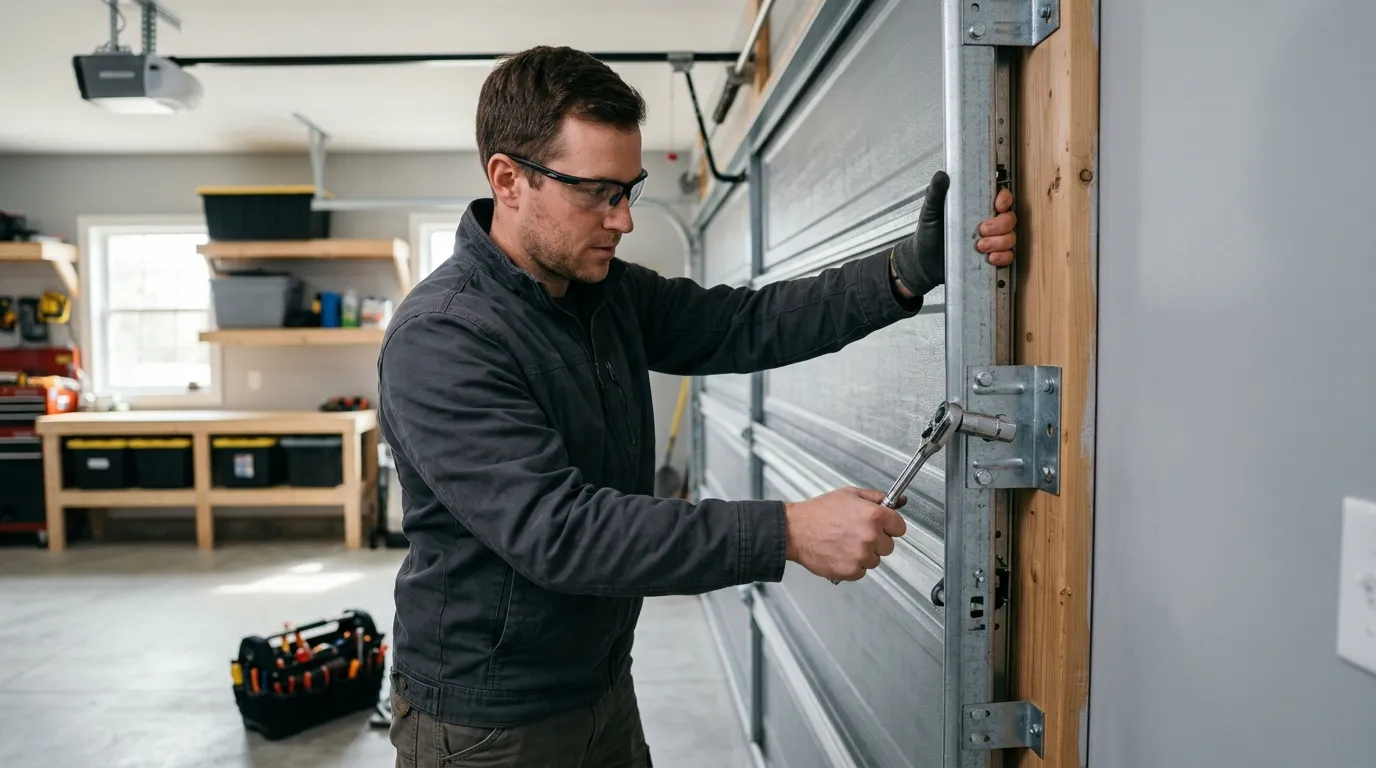
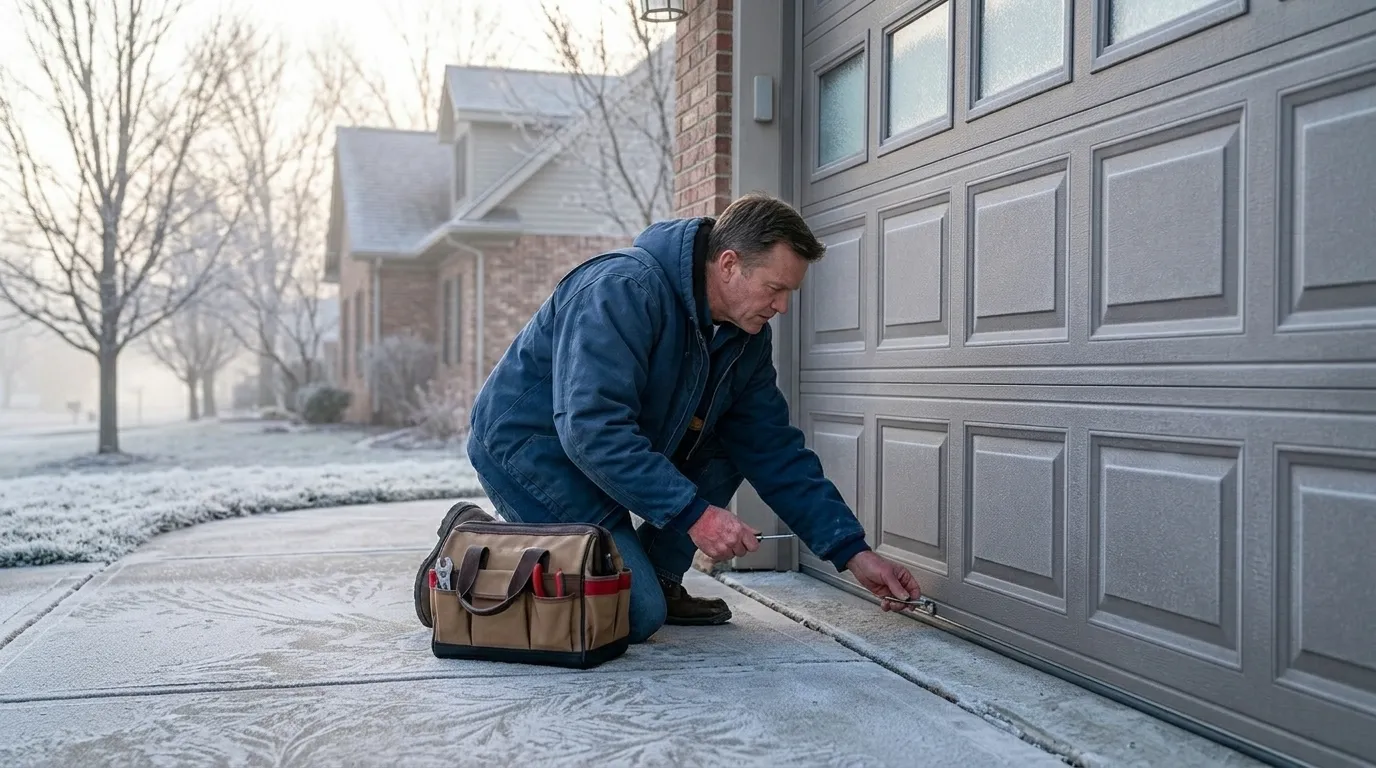
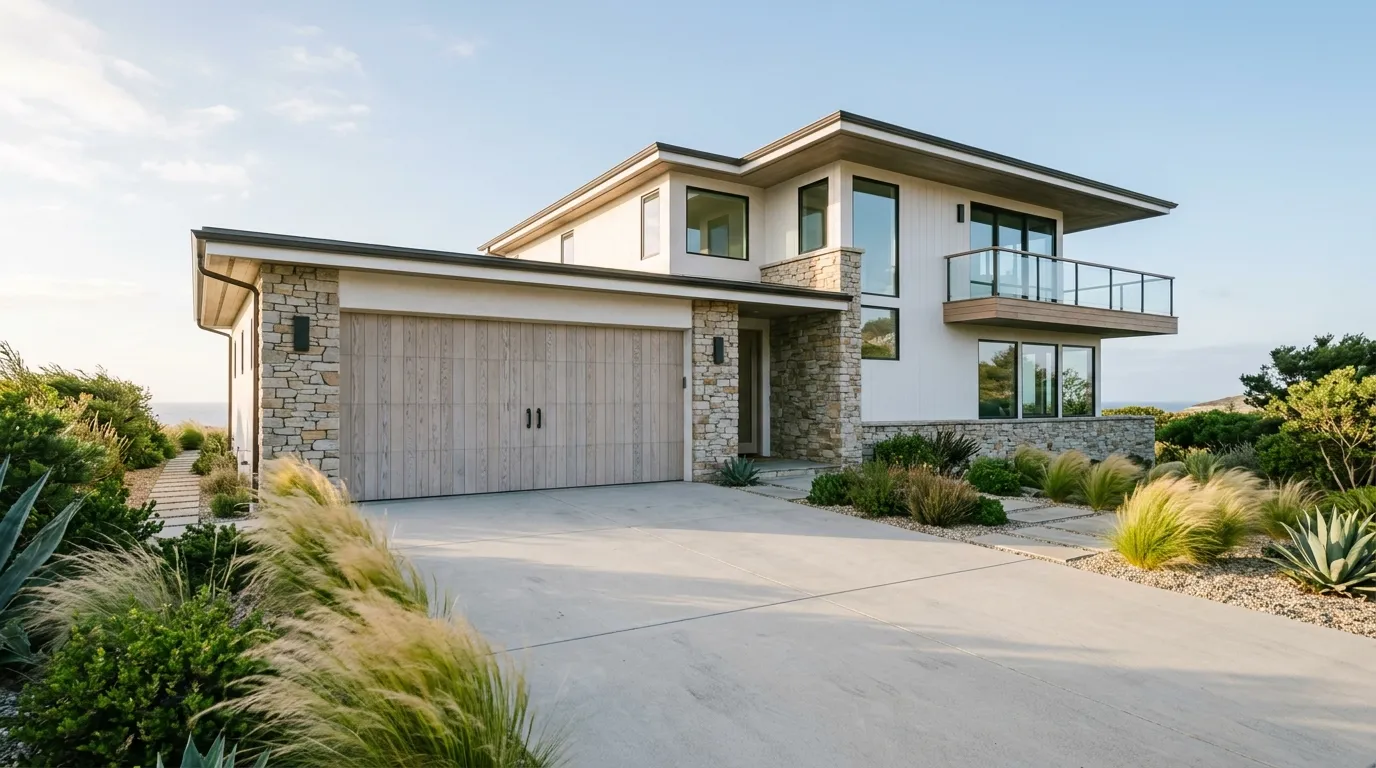
With a median build year around 1975, the typical door here is a steel sectional, non-insulated, on side-mounted torsion hardware - the kind of door built for a mild coastal climate where nobody was worried about R-value on a garage. San Diego's marine-layer-moderated temperature band means these doors were never asked to handle the swings that crack panels or warp tracks in a harsher climate, and a lot of the original steel is still straight and usable even fifty years on.
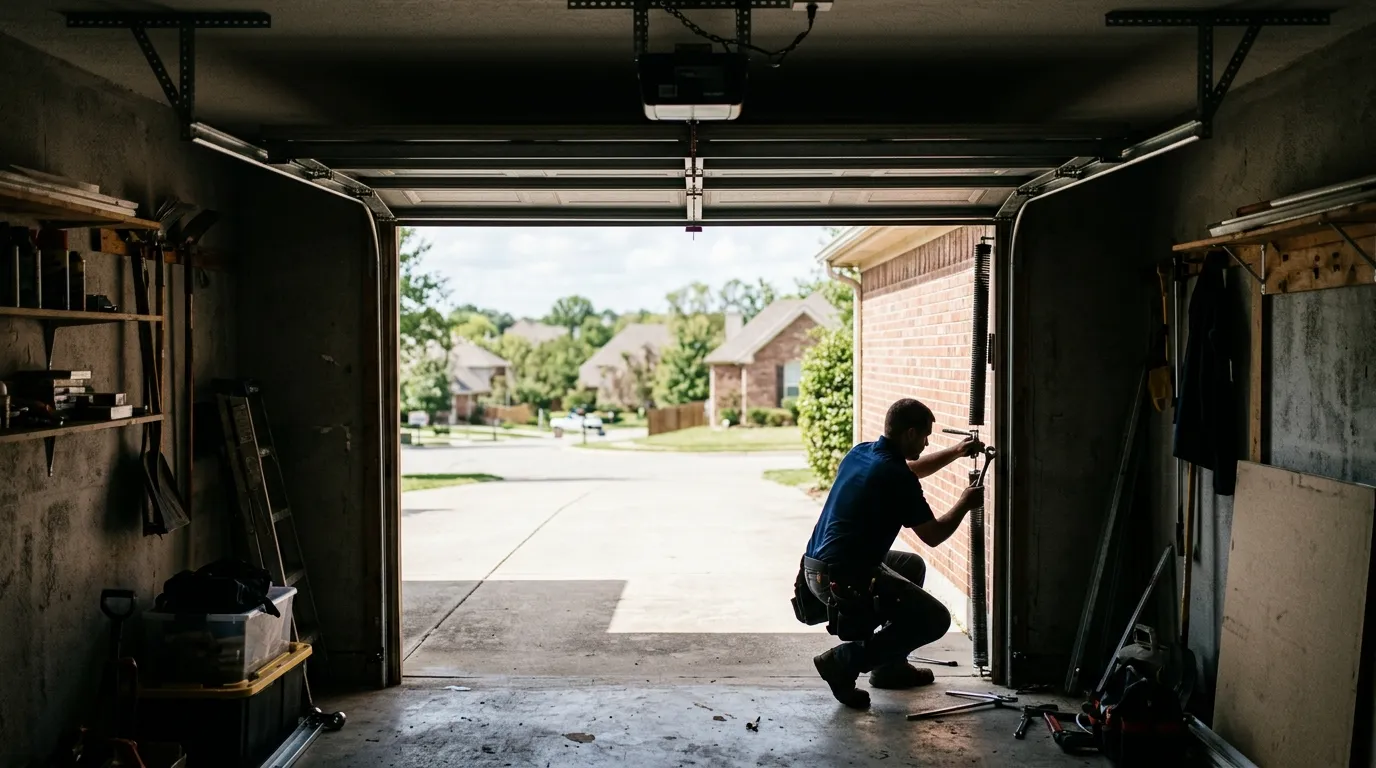
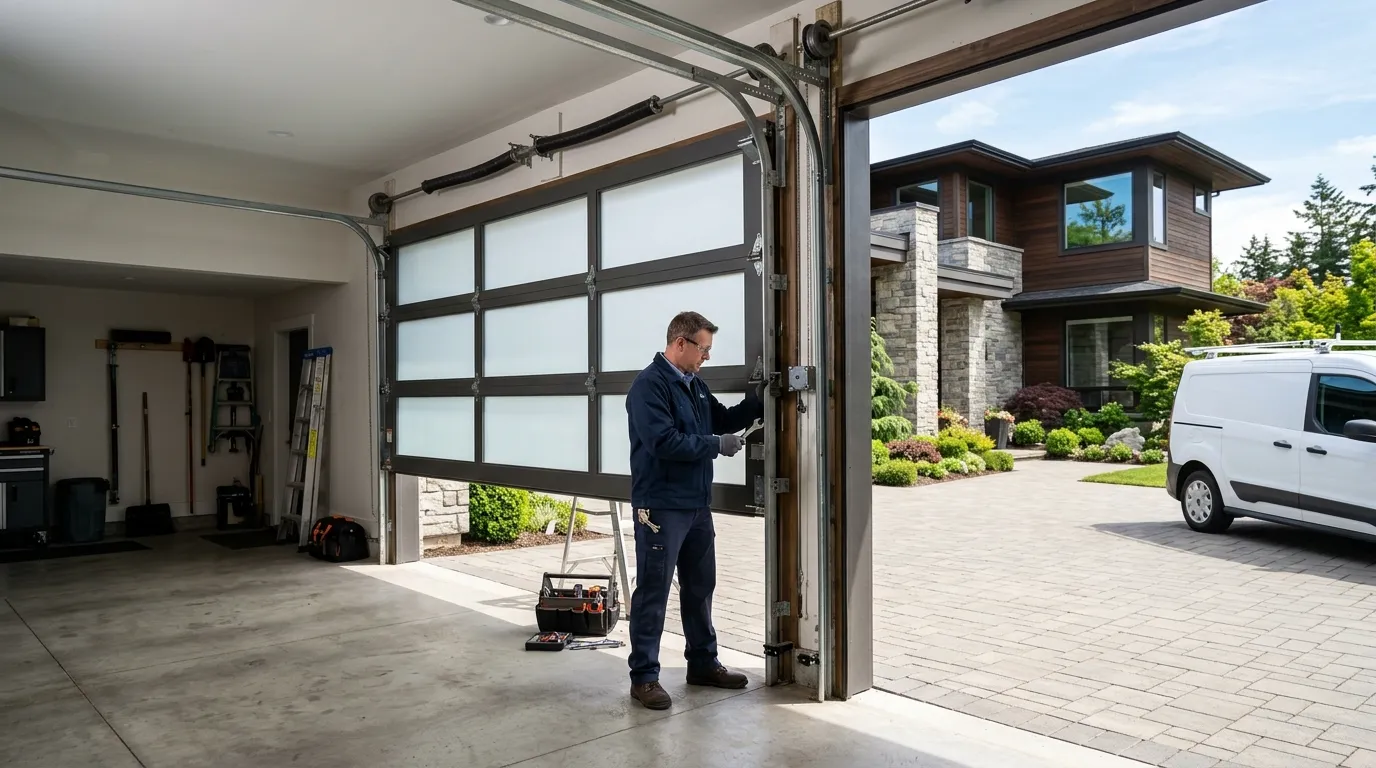
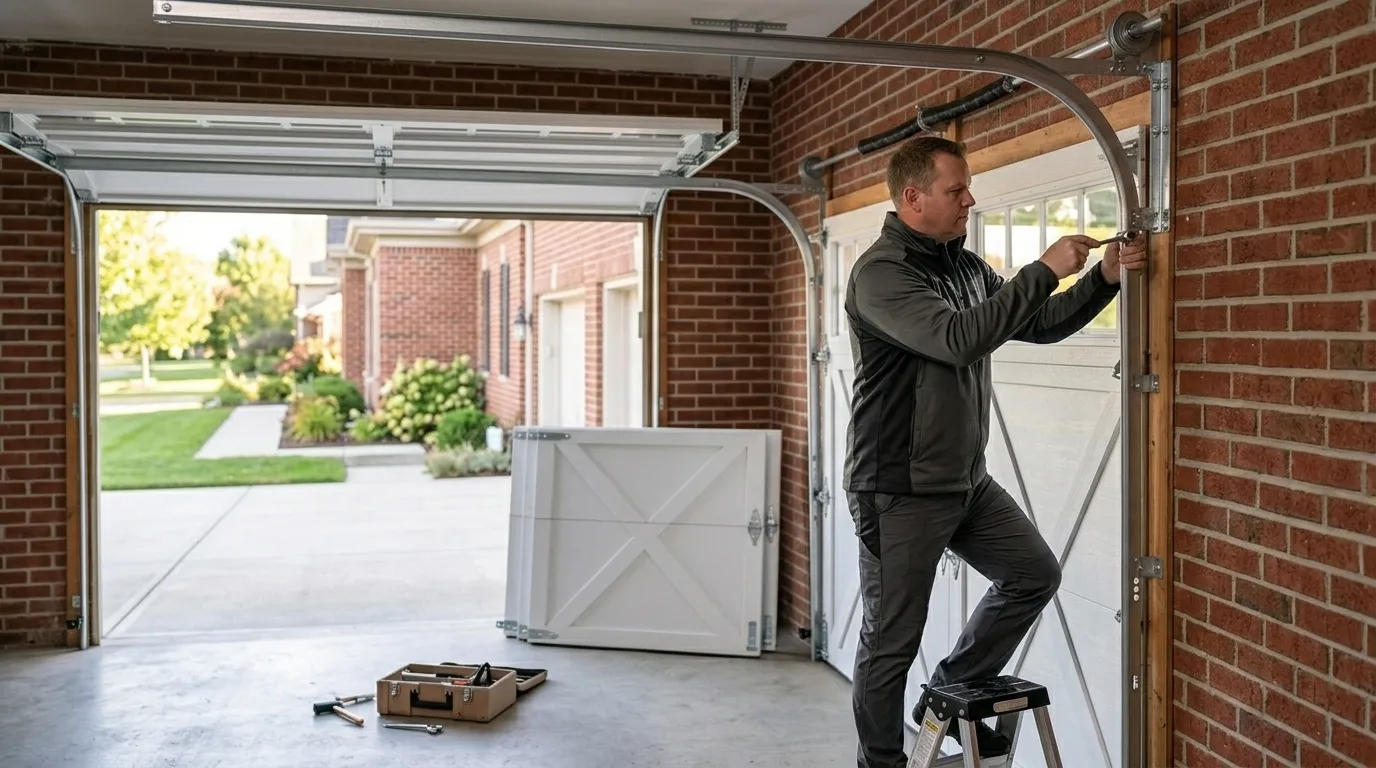
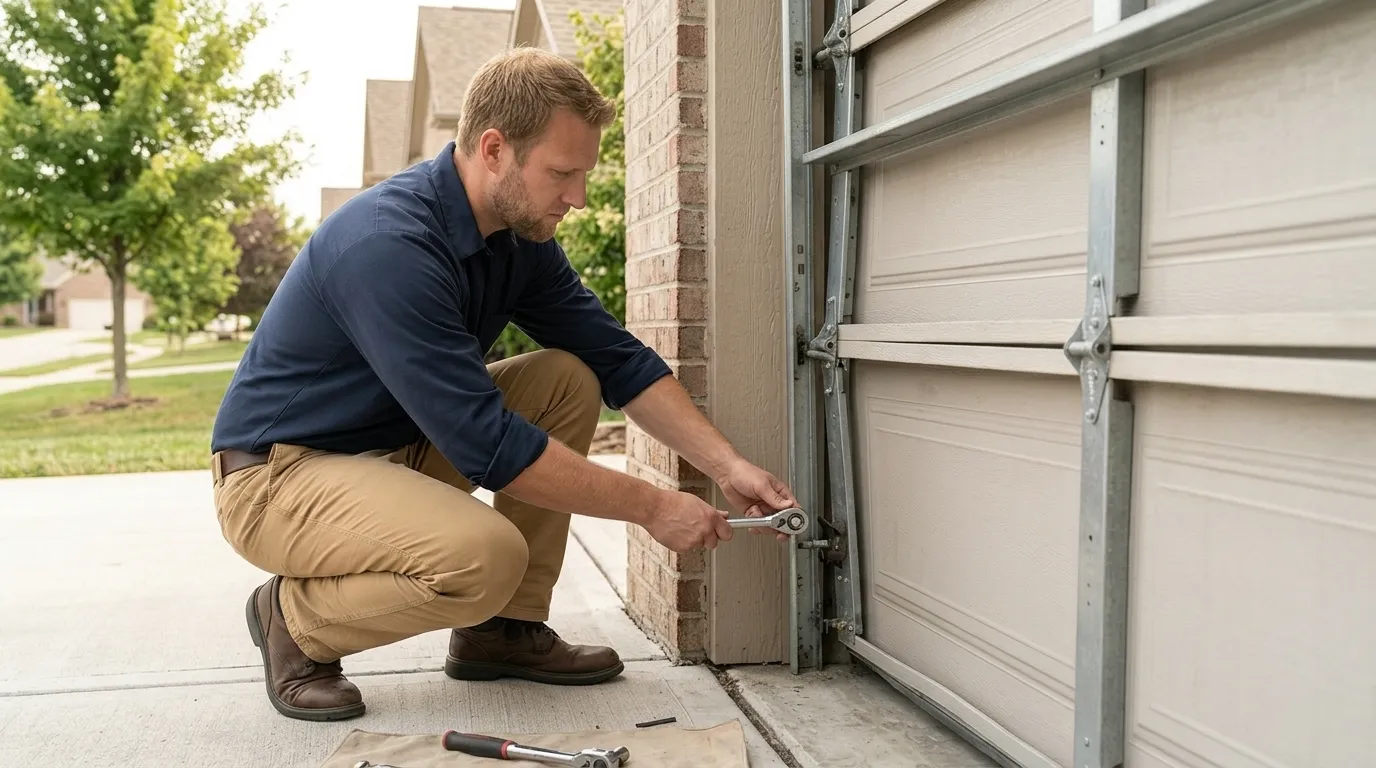
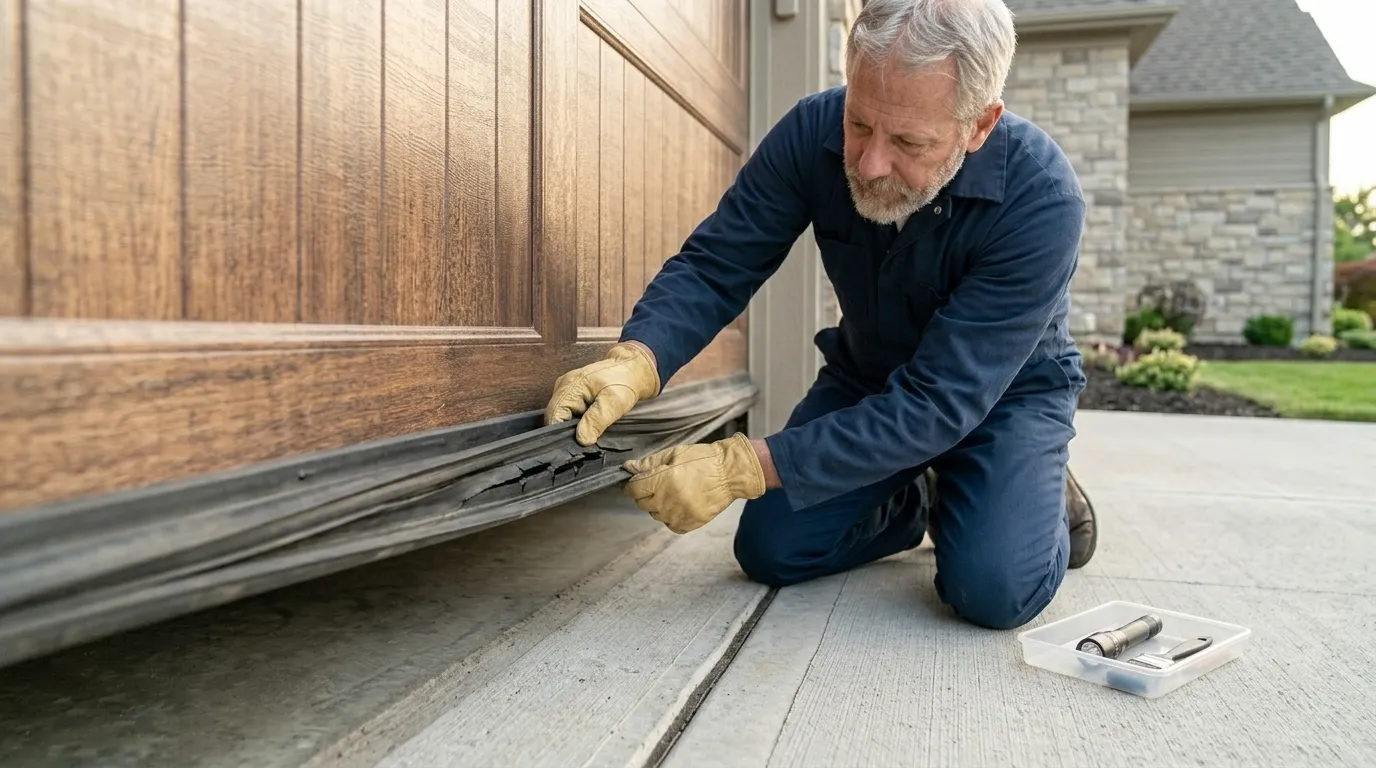
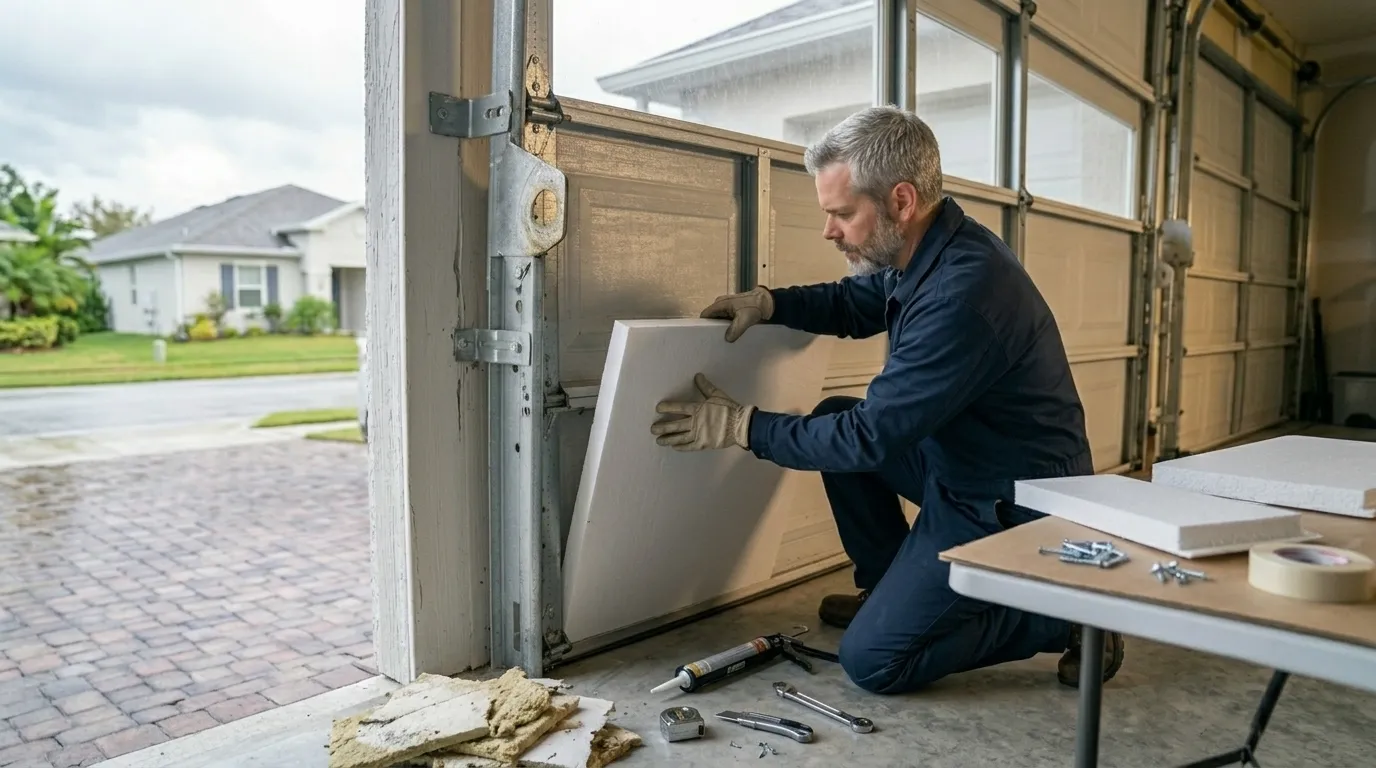
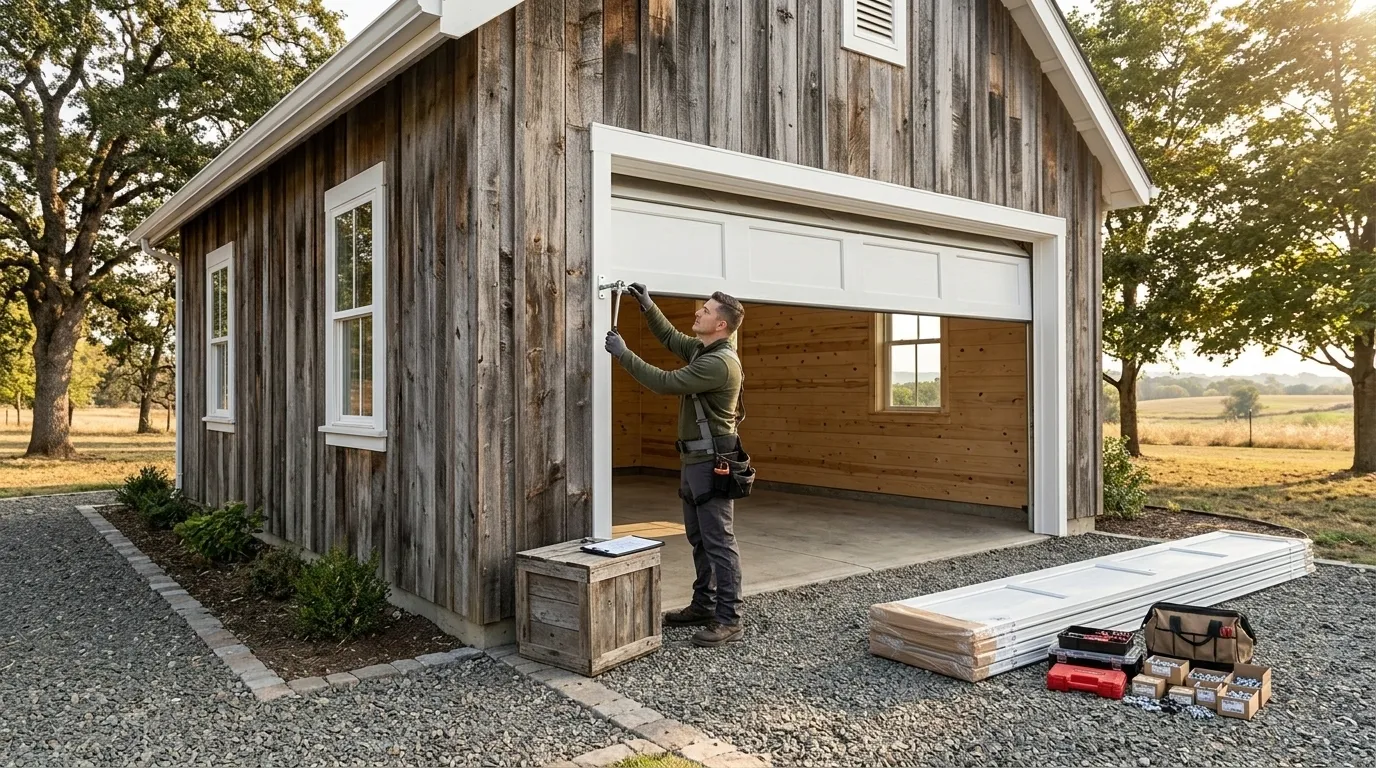
The tradeoff is the hardware. Single torsion springs, older-style flag brackets, and rollers without sealed bearings are common, and finding an exact replacement panel for a door this old sometimes means a wait, since panel profiles from the 1970s aren't all still in production. In some cases the honest answer is that patching one damaged panel costs more in parts-hunting than replacing the whole door with a current model built to the same width. We'll tell you when that's the case rather than order a part that takes weeks to land.
Booking
If a spring has already gone or the door's off track, we want to know that up front so we can bring the right torsion bar and cable length for a door built to 1970s-era sizing rather than guessing on site. Booking is straightforward through the site - go to / to get a quote scheduled.
One limitation worth stating plainly: if your panel needs an exact-match replacement rather than a full door swap, we may need to order that part, and older profiles aren't always in stock, so that job can take longer than a same-week spring or roller repair. We'll give you a real timeline once we've looked at the door, not before.