Why San Diego's 1970s Garage Doors Still Have Their Original Springs
San Diego's 1967-1992 housing stock means original torsion springs and worn seals, aging slowly in a mild climate rather than failing from heat or cold shock.
We're not going to put a number on this page, because what a job costs depends on what's actually on your track, and we don't have a verified price figure to hand you here. What we can tell you is what drives the cost conversation in this part of San Diego. Most of the houses across the 21 communities we work in - places built between 1967 and 1992, with a lot of stock clustered around 1975 - still have their original torsion hardware. That means when a spring finally lets go, it's often not a like-for-like swap; the drum, the shaft, or the mounting brackets may need attention too, because none of it has been touched in decades. Median household income across the service area sits at $118,431, which is worth mentioning only because it tells you replacement doors and better-insulated panels are a realistic option for a lot of owners here, not just a repair patch. The honest limitation: we can't quote you a number sight unseen, and any company that does over the phone, before seeing your spring size and door weight, is guessing.
Doing Nothing For Now
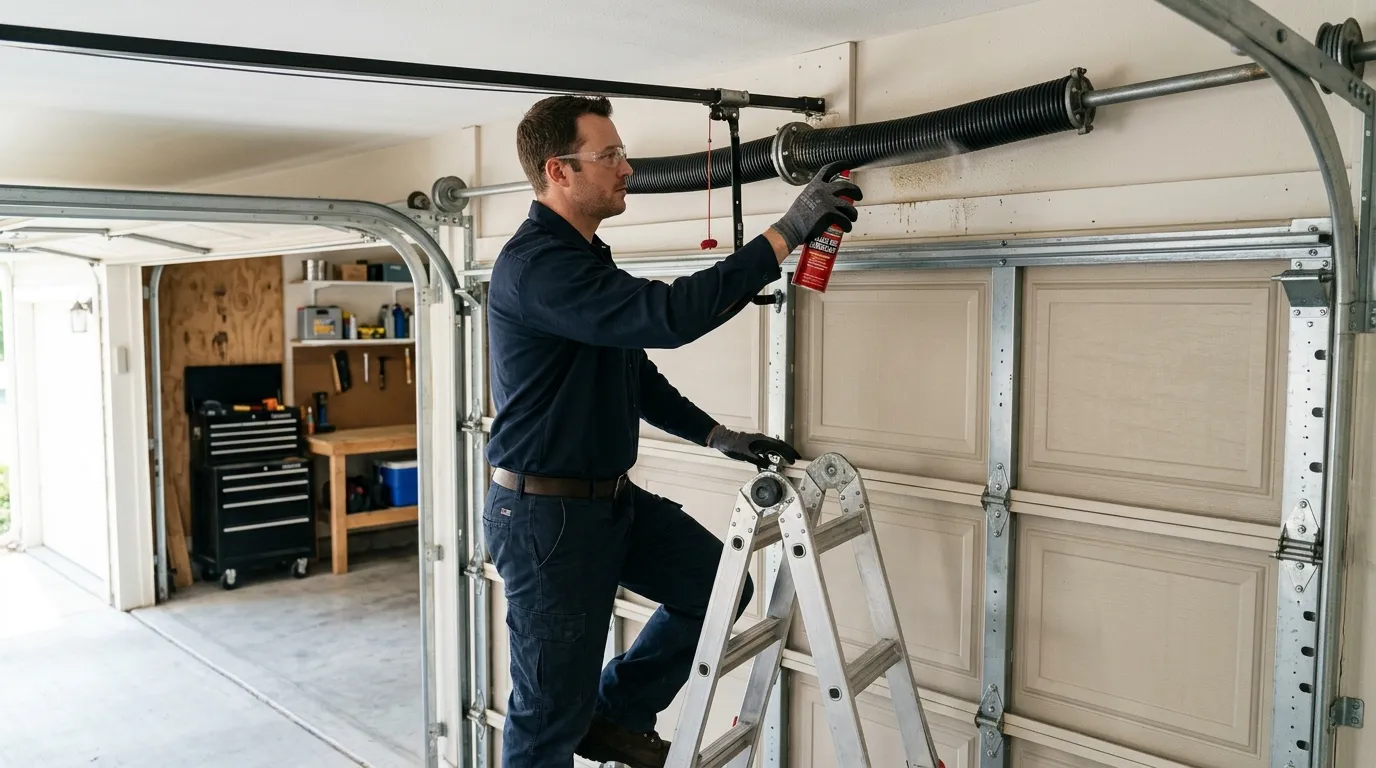
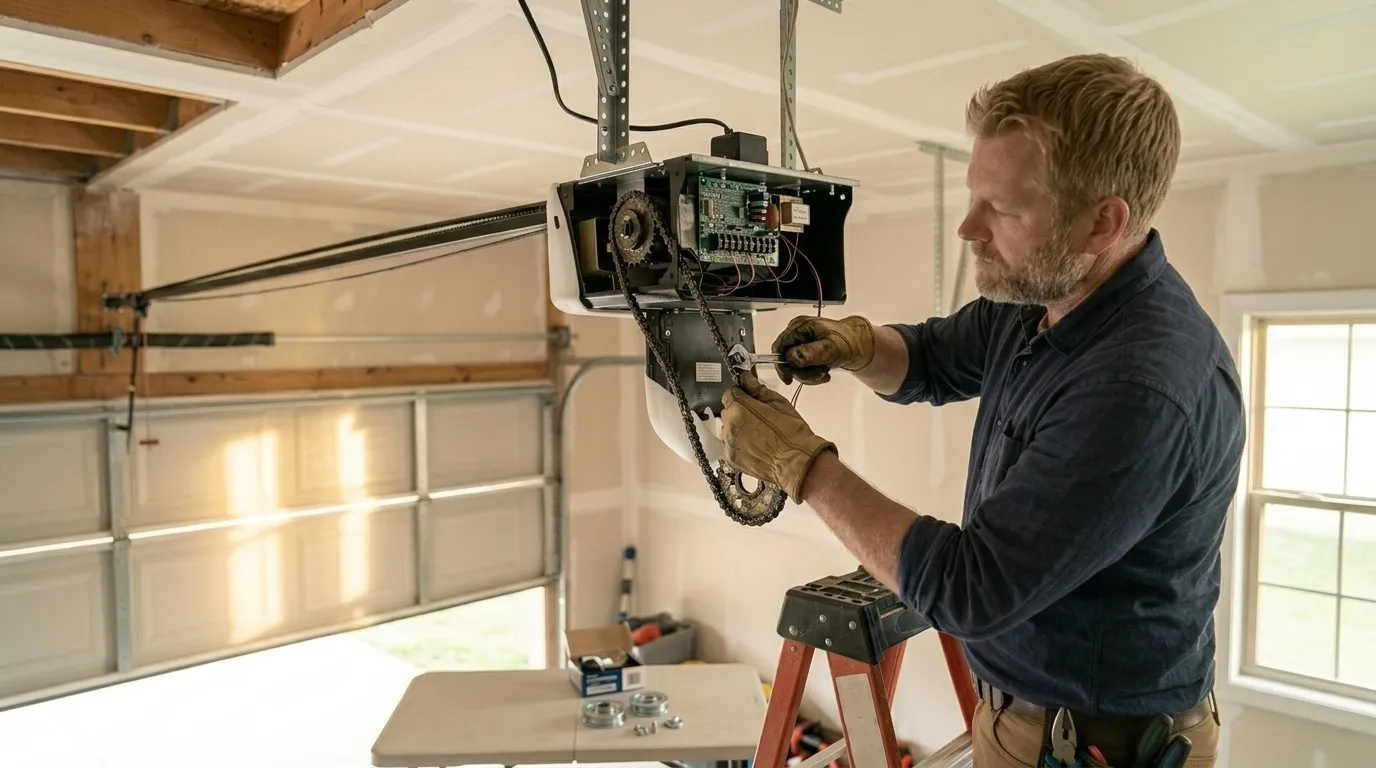
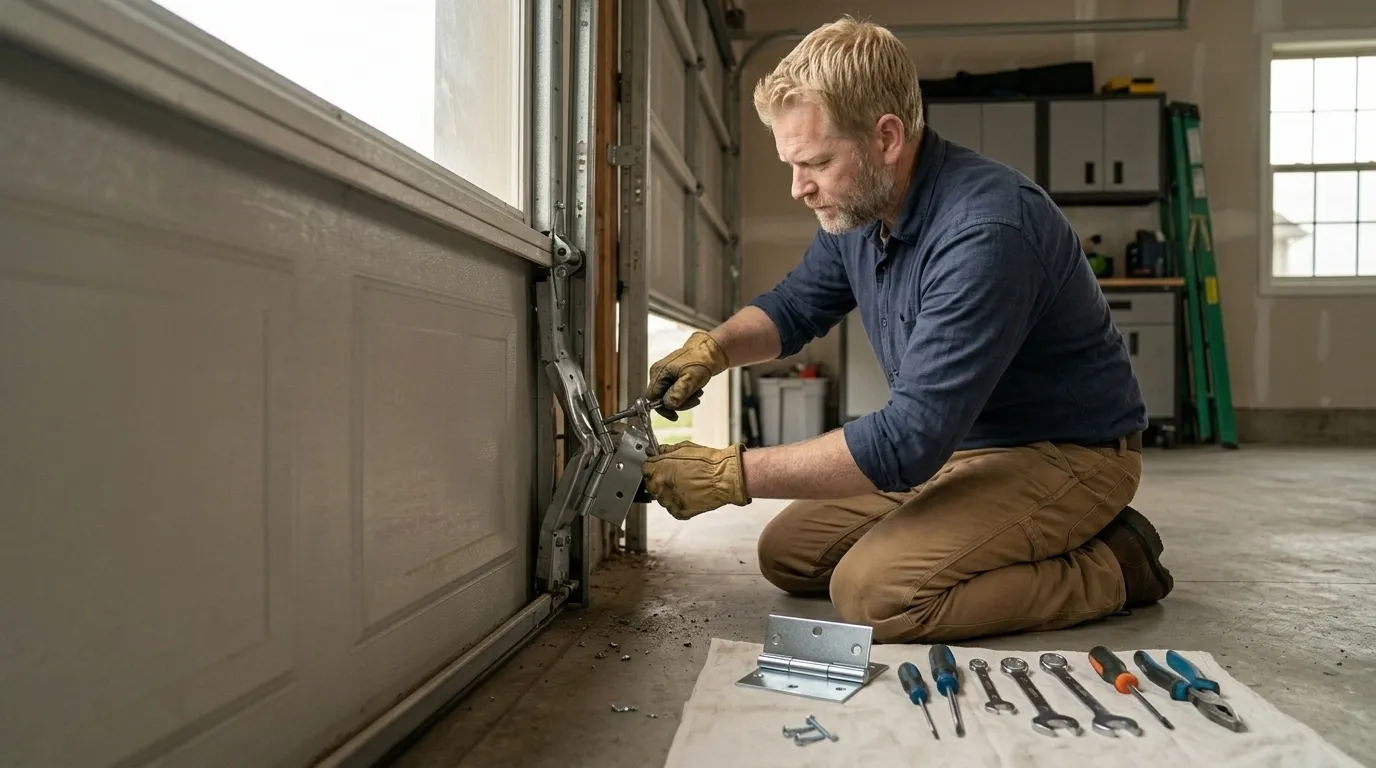
A torsion spring rated for a certain number of cycles doesn't care that it's mild outside. It just counts openings and closings. Houses built in the 1967-1992 window that make up most of this area are now old enough that original springs, if they were never swapped, are well past any reasonable cycle count. Waiting doesn't make the math better - it just means the spring lets go on a day you didn't plan for, usually with the door half up. Cables fray the same way, especially on double doors where the drums have been carrying uneven tension for years without anyone noticing. Rollers on 1970s-era steel doors wear their tracks into shapes that make the door bind before they ever look bad from the driveway. None of this is urgent until it is, and then it's urgent all at once. Deferring a spring or cable job on a door this age is a bet that the parts hold one more year - sometimes it pays off, sometimes it costs you a stuck car and a dented panel from forcing it.
What the Weather Here Does to It
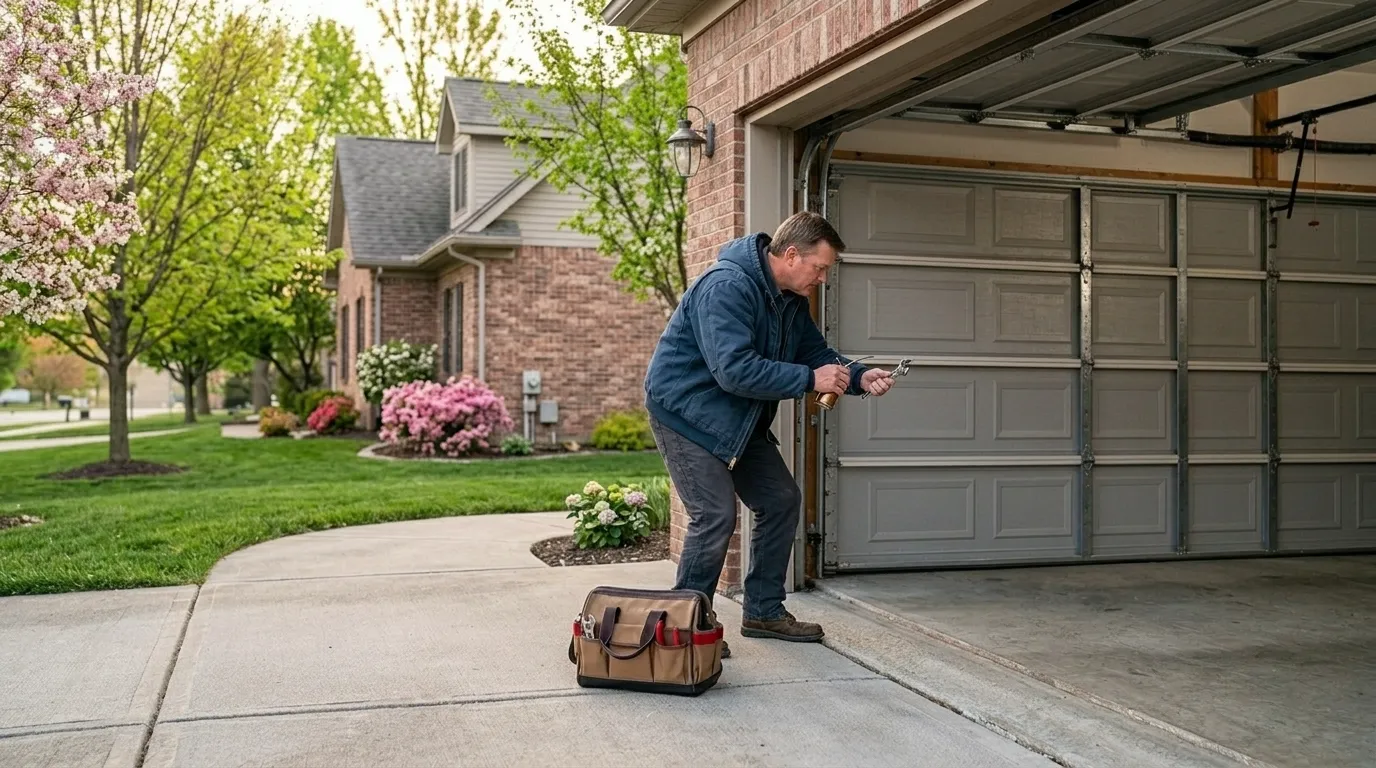
San Diego sits in a mild temperate band, and that cuts both ways for a garage door. You don't get the freeze-thaw cycling that snaps seals in a single winter, and you don't get the summer heat spikes that warp a steel panel in an afternoon. That's the good news. The slower story is that weather seals and draughts on doors from the 1967-1992 building era were never designed to last fifty years regardless of climate, and mild weather just means the rubber degrades on its own clock - UV and ordinary daily temperature swings, not extremes - rather than getting torn apart by one bad storm. So the failure mode here isn't dramatic. It's a bottom seal that's gone stiff and cracked, letting in draughts along the slab, or a weather strip around the frame that's shrunk enough to leave a gap you can see daylight through. Because the climate here doesn't force the issue with a hard freeze or a heat wave, these seals often get ignored well past the point where a fifteen-minute swap would've solved it, and owners live with the draught instead.
The Situation
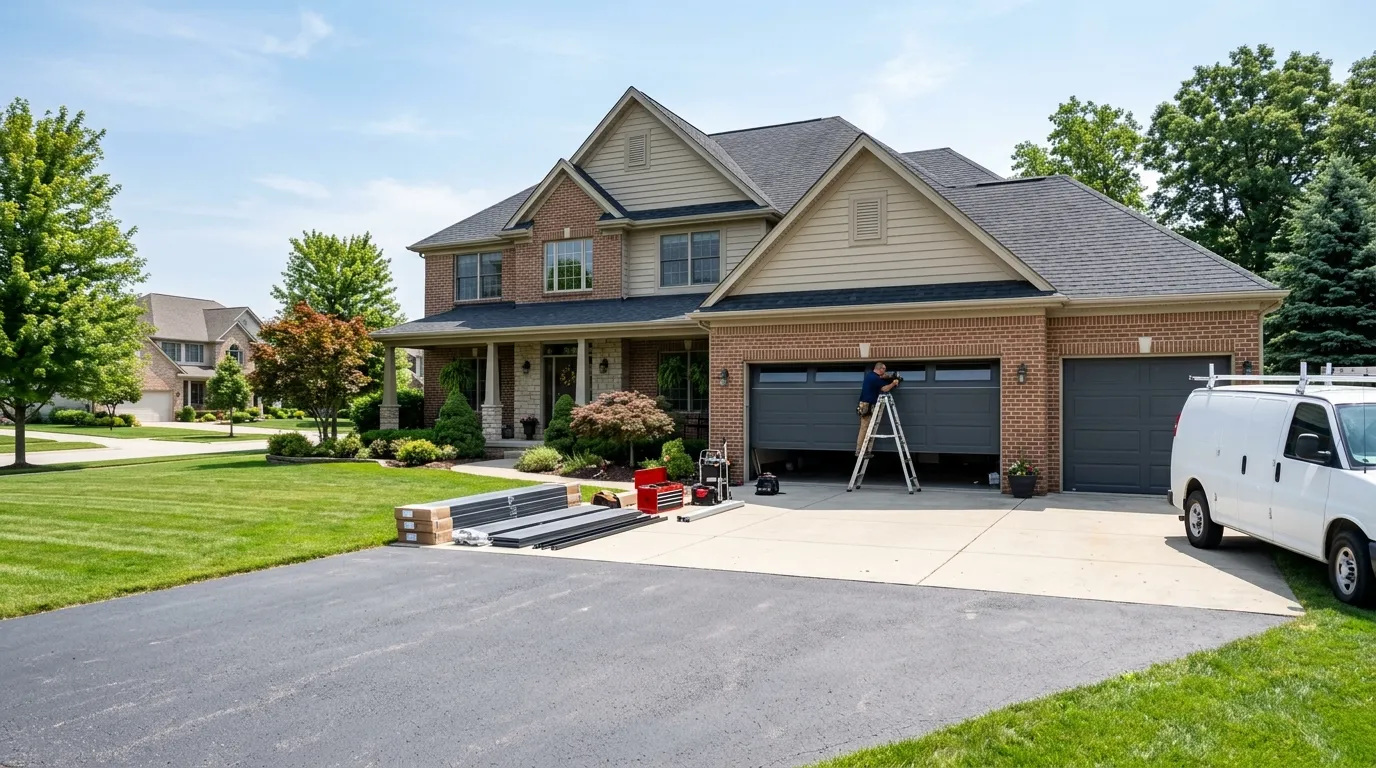
This service area covers a lot of ground - 136,422 households and 48,883 owner-occupied houses spread across communities from close-in spots like Serra Mesa, a mile south, and Kearny Mesa, a mile to the north-northwest, out to farther areas like La Mesa at seven miles, Lemon Grove at eight, and out past Rancho San Diego, Lakeside, and Jamul at seventeen miles. What ties all of it together, more than distance, is the age of the housing. Most of these 21 named areas were built out in the same wave, 1960s and 70s construction dominating block after block, which means a lot of doors and openers installed once and never touched since. That's not unique to one street - it's the pattern across National City, Bostonia, Winter Gardens, and the rest just as much as it is here. A door that's original to a house built in 1975 is now carrying decades of cycles on hardware sized for a different era of household needs, and that's the real starting point for most calls we get, regardless of which of these communities the call comes from.
How it works
From “it’s stuck” to “it’s fixed”
1
Tell us what’s wrong
Describe the symptom - won’t open, loud bang, opener runs but the door won’t move.
2
On-site diagnosis
A technician tests the door under power and by hand and finds what actually failed.
3
Clear, up-front plan
You get the fix that’s needed and what drives the cost - before any work starts.
4
Repaired & tested
The repair is done, the door is set true and tested, and the work area left clean.
Serving San Diego, CA - tell us what your door’s doing and we’ll take it from there.
Why do so many garage doors around here still have their original springs
Because most of the housing in this service area went up between 1967 and 1992, with a lot of it clustered around 1975, and a torsion spring that was never replaced simply keeps working until its cycle count runs out. Nobody swaps a spring that hasn't failed yet, so a lot of original hardware is still out there.
Does San Diego's mild climate mean I can ignore my door's weather seals
Not really. Mild weather means the seals fail slowly from ordinary age and sun exposure rather than getting torn apart by a freeze or a heat spike, but a stiff, cracked bottom seal or a shrunk weather strip still lets draughts in along the slab. It just doesn't announce itself the way storm damage would.
How do I know if my door needs a repair or a full replacement
If the door is original to a house from the 1967-1992 building era and the springs, cables, and rollers are all original too, a single repair often just exposes the next worn part. We'd need to see the door to say for sure - we don't quote replacement over a description alone.
Ready to get your garage door sorted?
Tell us what it’s doing and where you are in San Diego - we’ll take it from there.