What the Doors Are Like
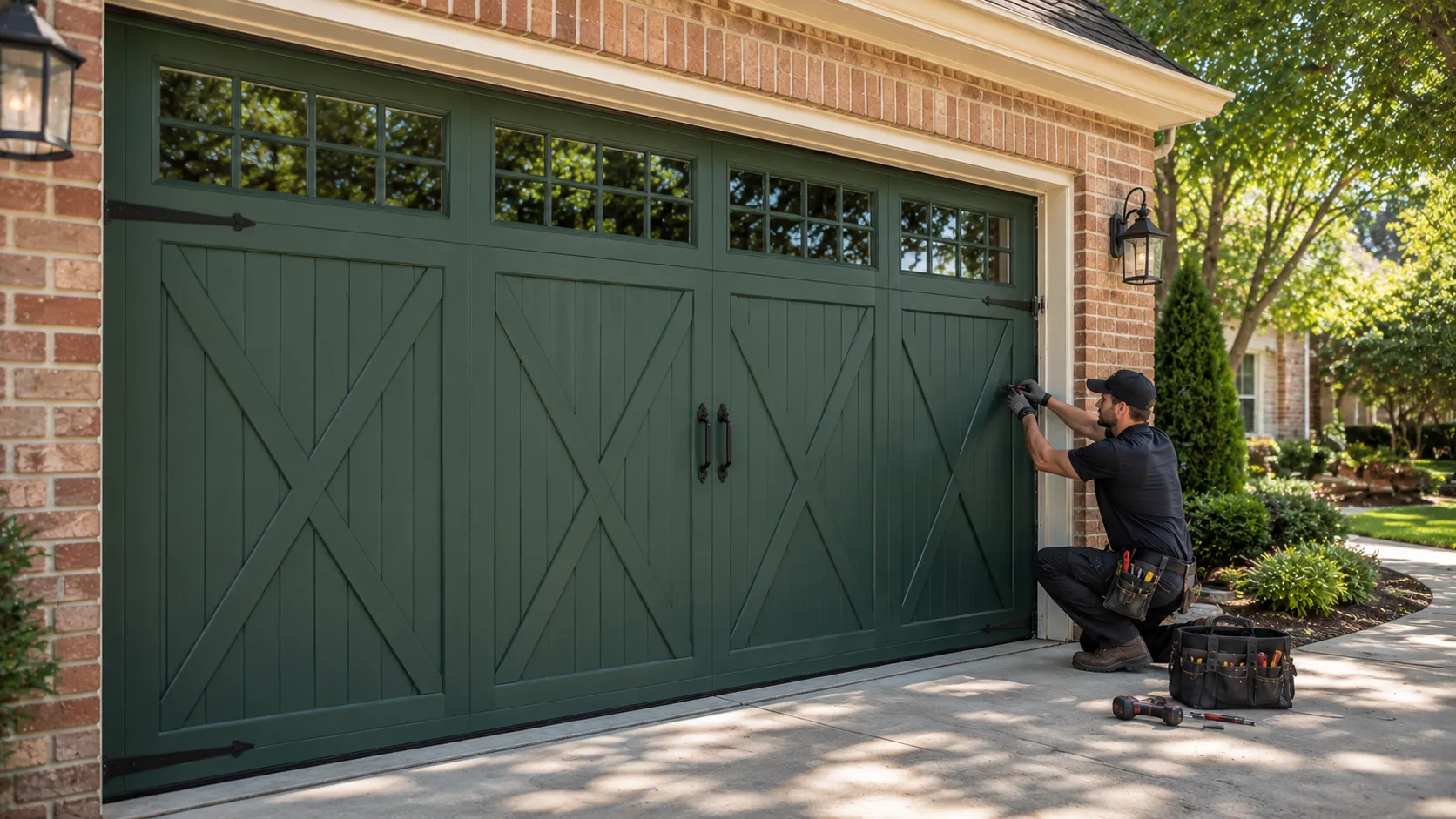
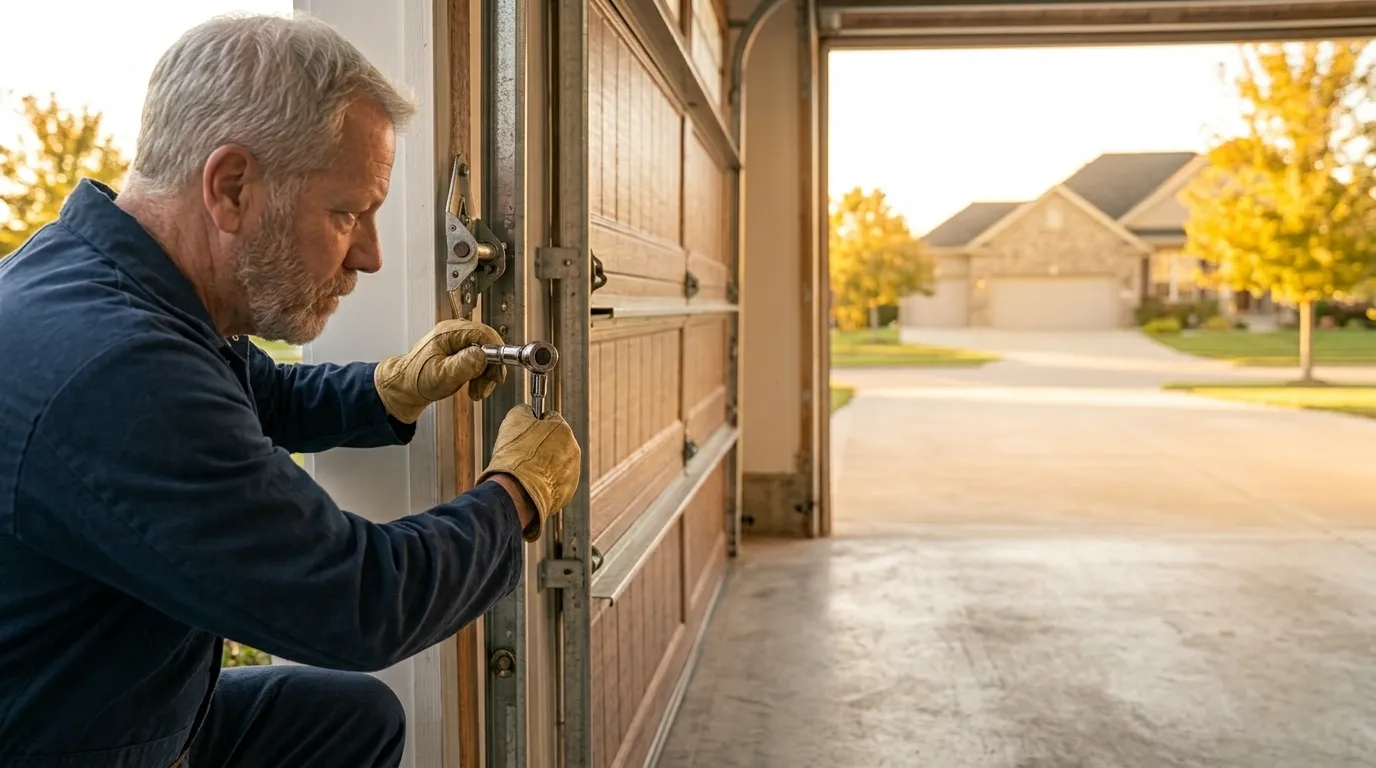
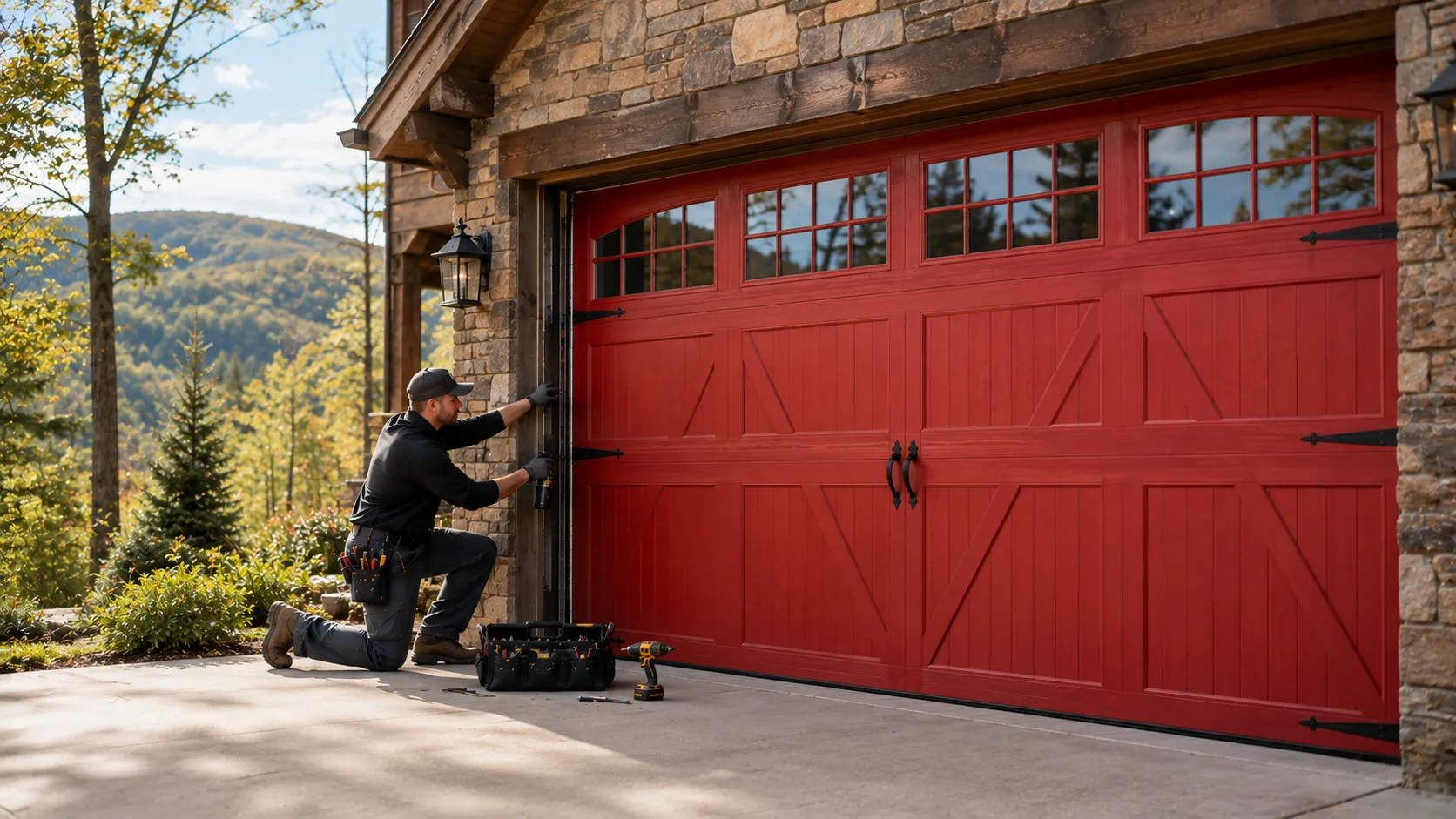
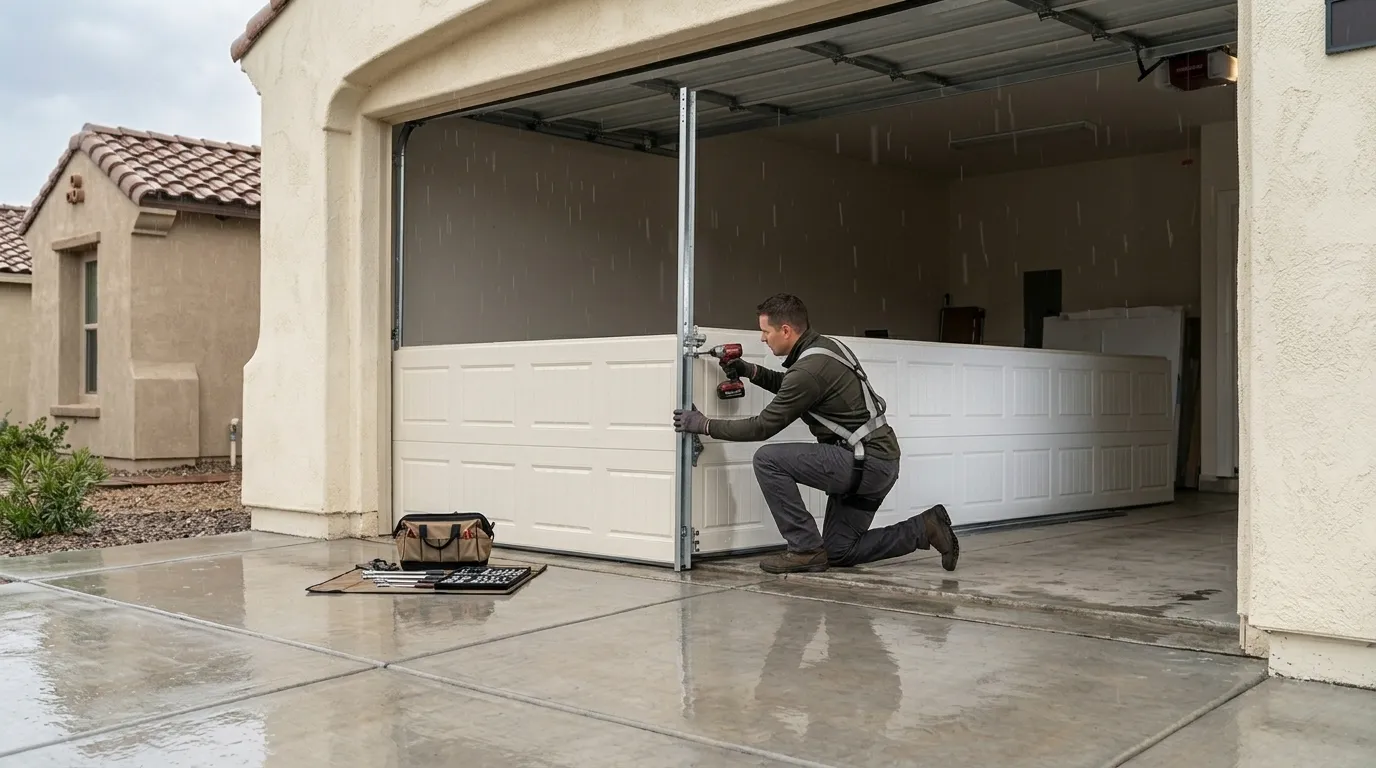
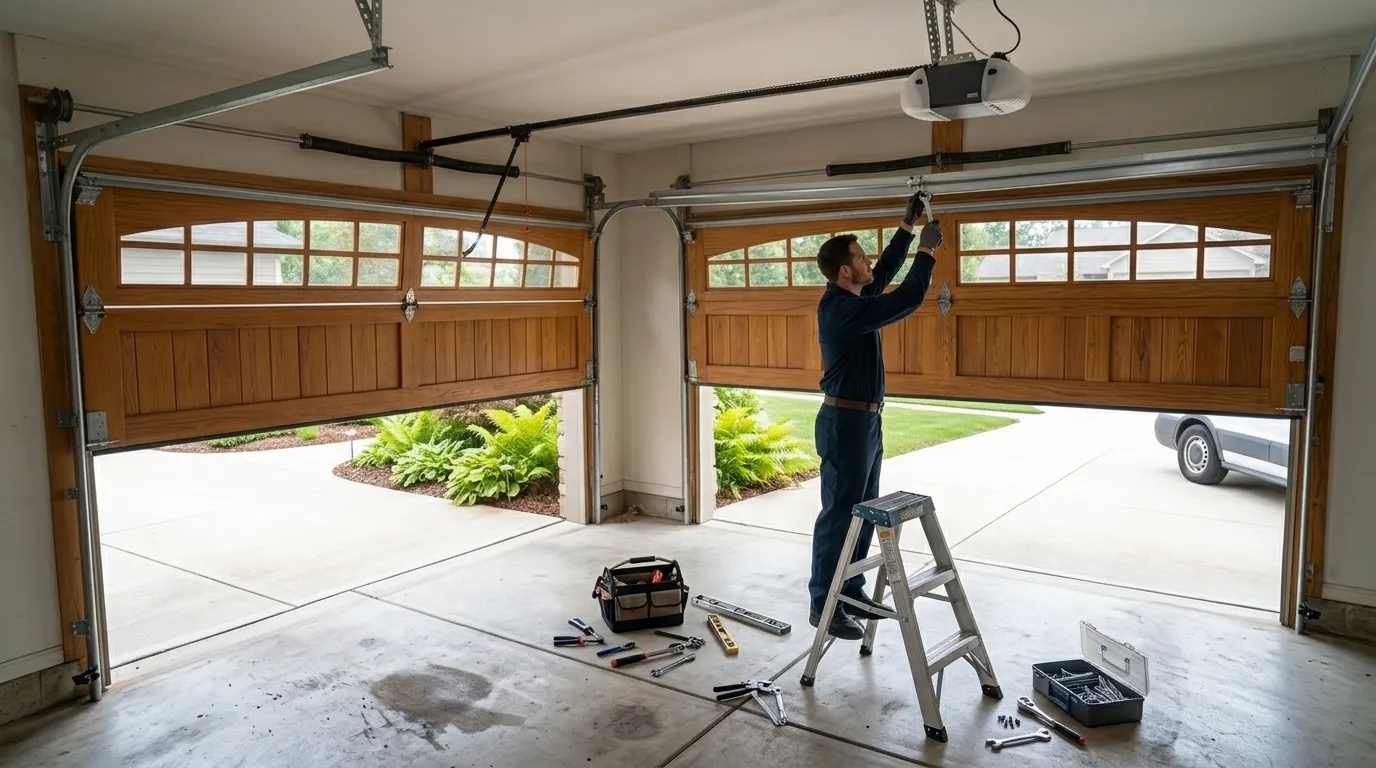
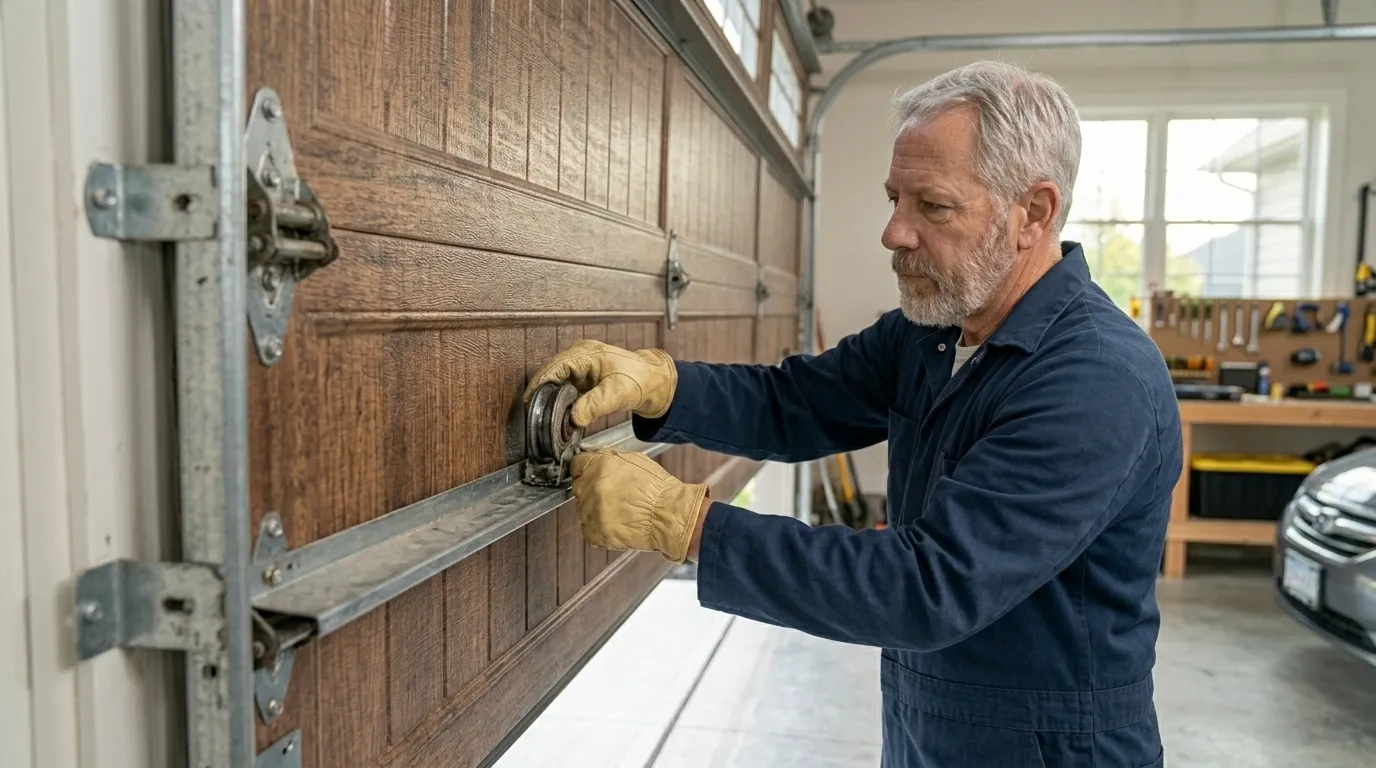
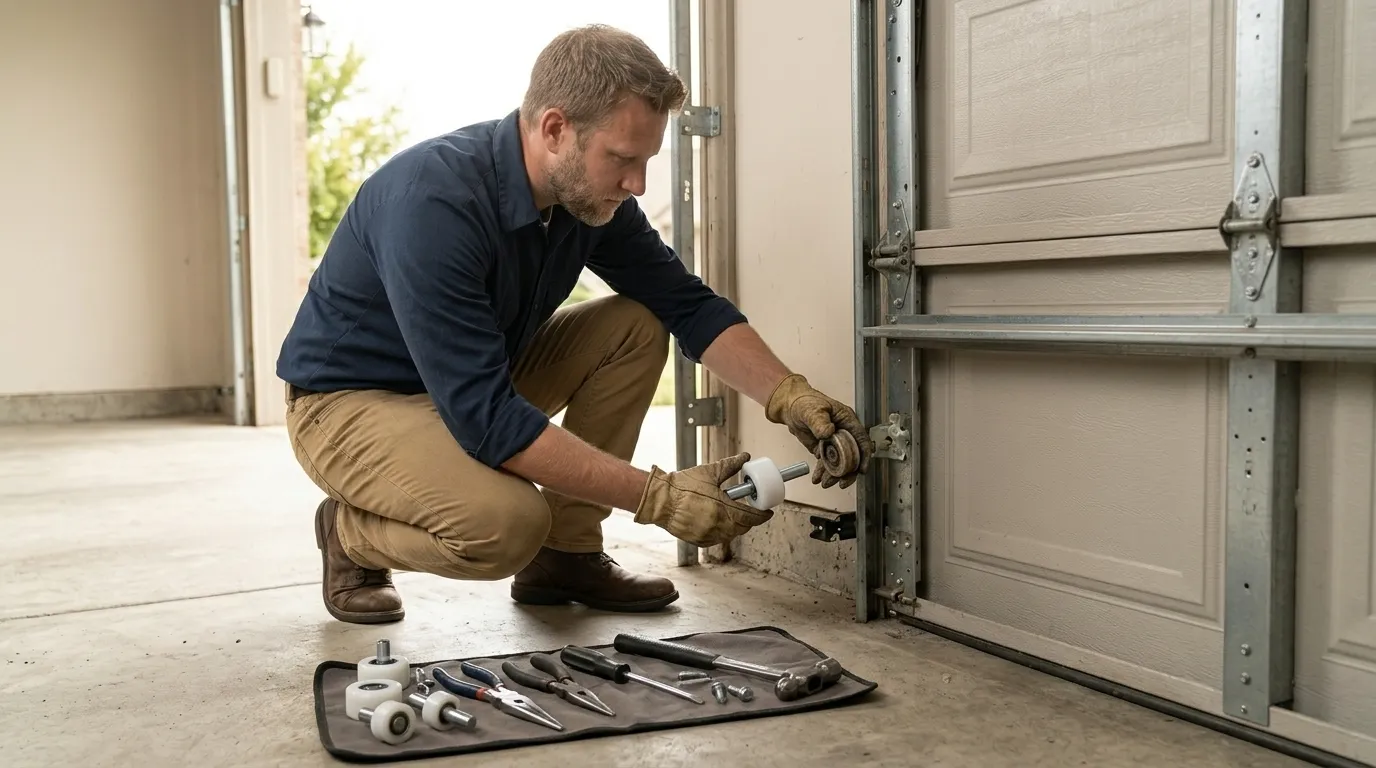
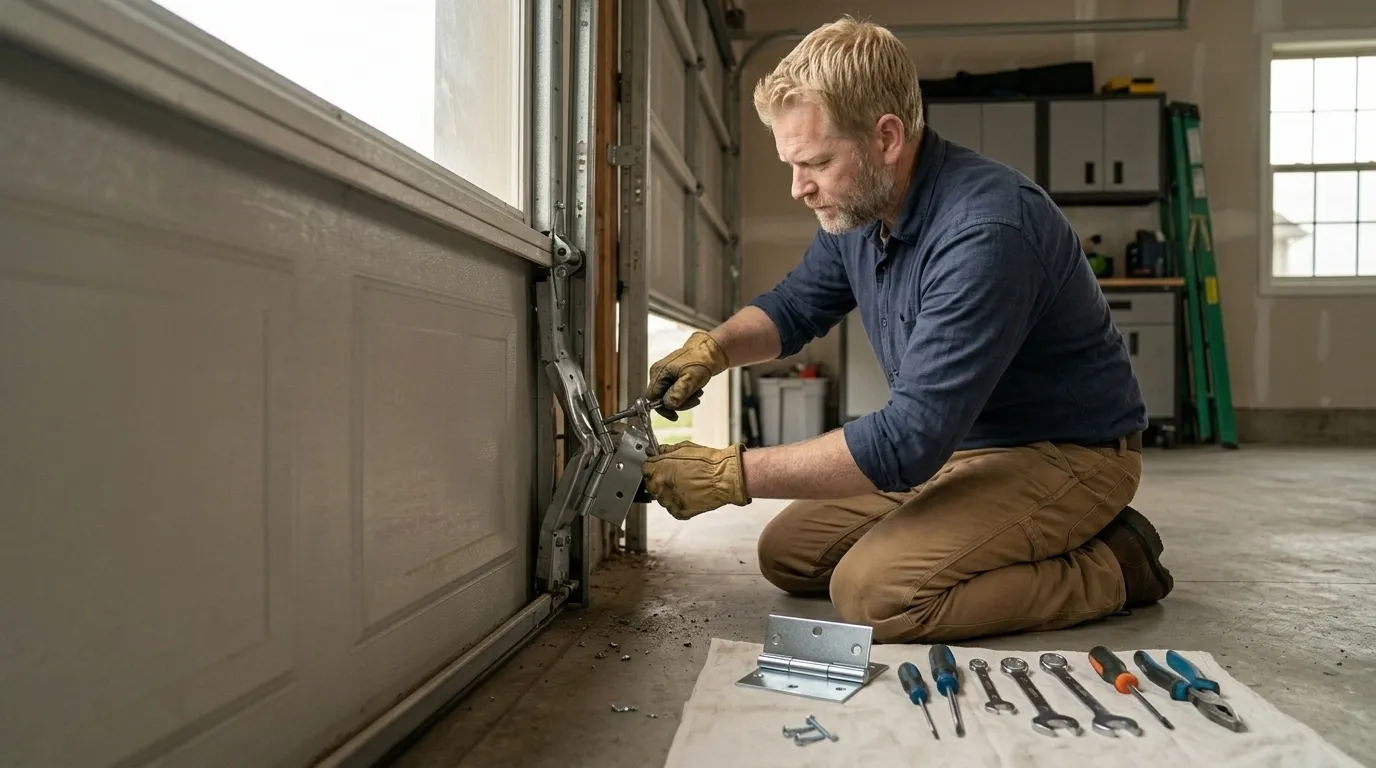
The mild coastal-influenced climate this far southeast in San Diego means we're not fighting the freeze-thaw cracking or the extreme humidity swings that wreck hardware in a lot of the country. What actually ages these doors is straight mechanical fatigue - thousands of open-close cycles on springs and bearings that were sized for a house built in the 1960s or 70s and never upgraded. You get track misalignment from settling, not from weather, and cable fraying from age, not rust.
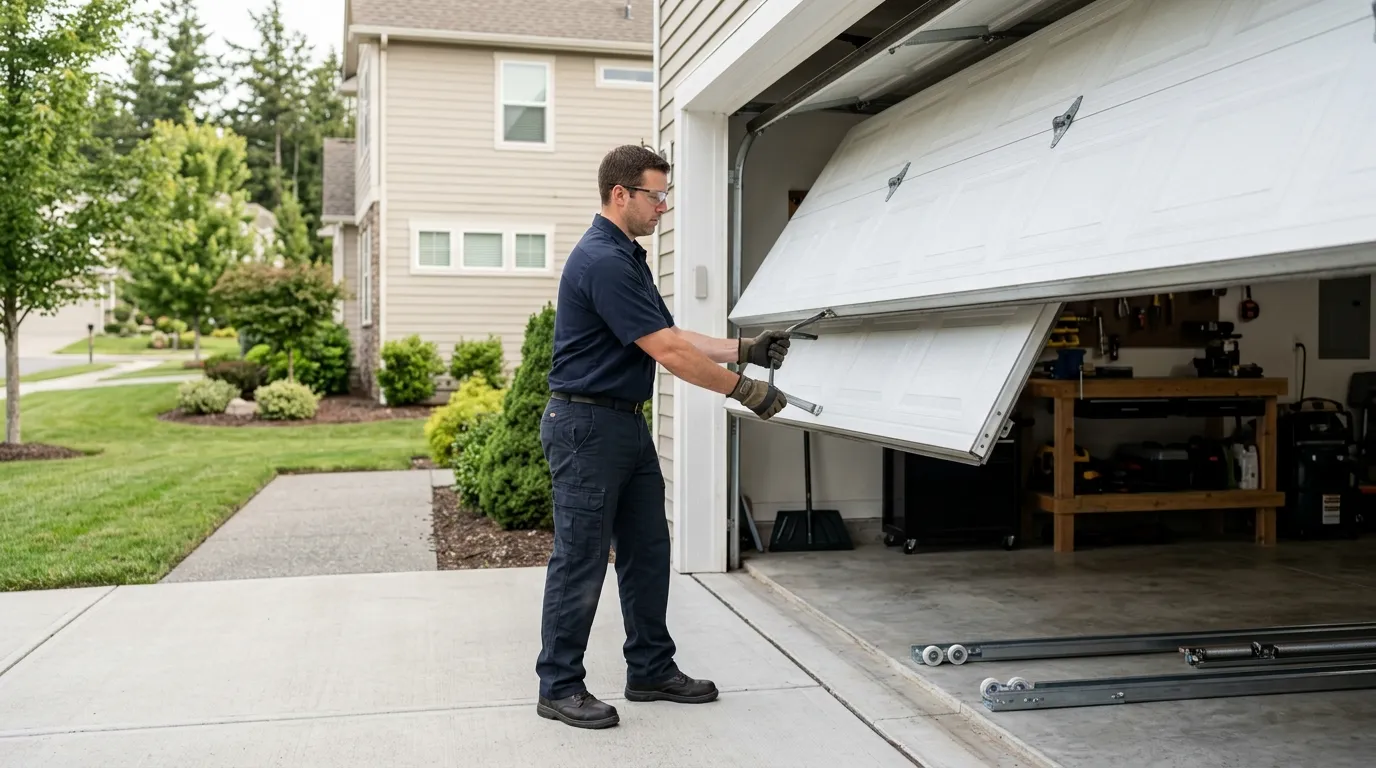
On the household side, this area sits inside a service region with a median income around $118,431 and a housing stock split between owner-occupied houses and rentals across dozens of nearby communities, which in practice means we see both landlords doing minimum-viable repairs and owners doing a full opener and spring upgrade at once. Neither is wrong, but the honest advice differs: if the door itself is original steel from that era and the track is bent, a new opener alone won't fix the underlying wear, and we'll say so instead of just selling the opener.
Booking
We work Grantville as part of the wider San Diego service area, roughly three miles from where we're based, which keeps drive time short and lets us give a real arrival window instead of a vague afternoon slot. Tell us the age of the house if you know it and whether the door is original - that alone tells us most of what we need before we get there. We don't stock every discontinued panel style from the 1970s builds, so on cosmetic damage to an older door, expect us to talk through a close-match repair versus a full replacement rather than promise an identical part on the spot.