Doing Nothing For Now
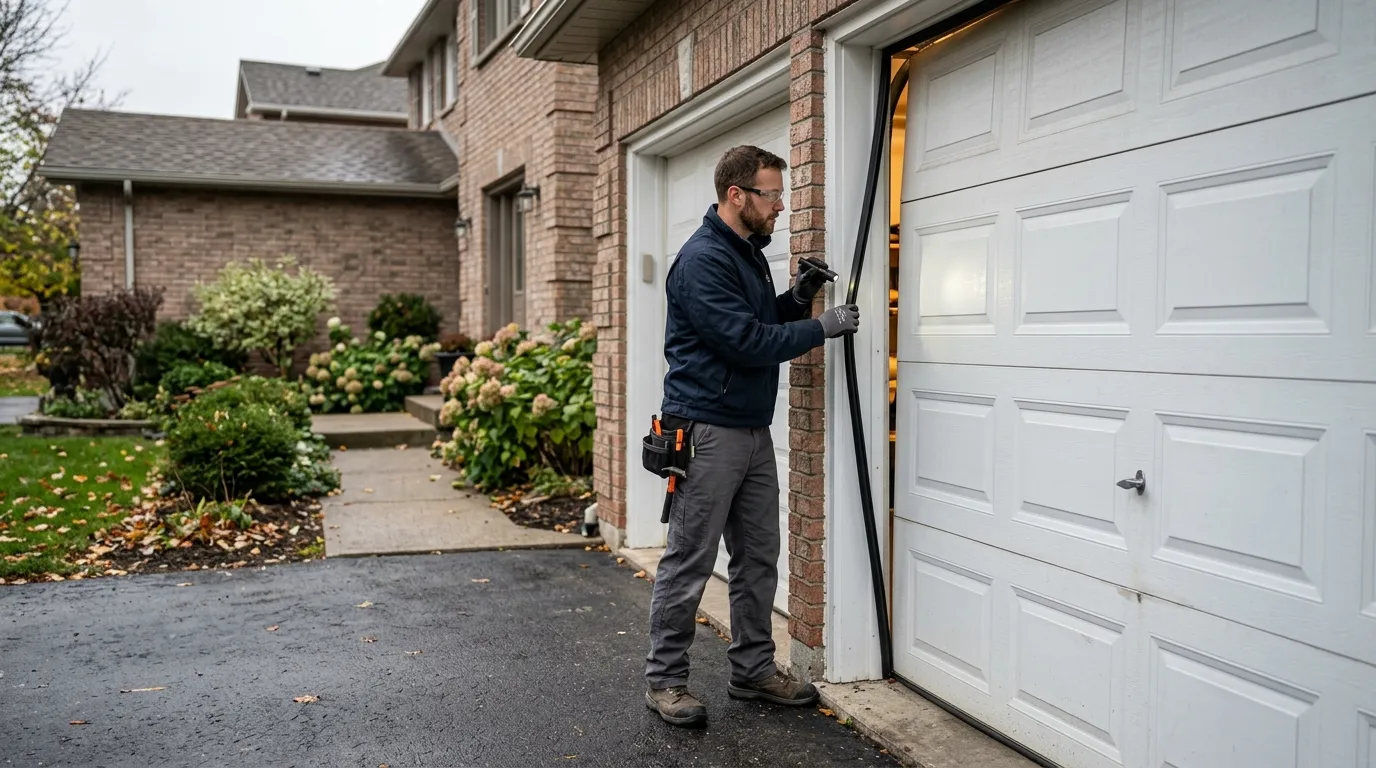
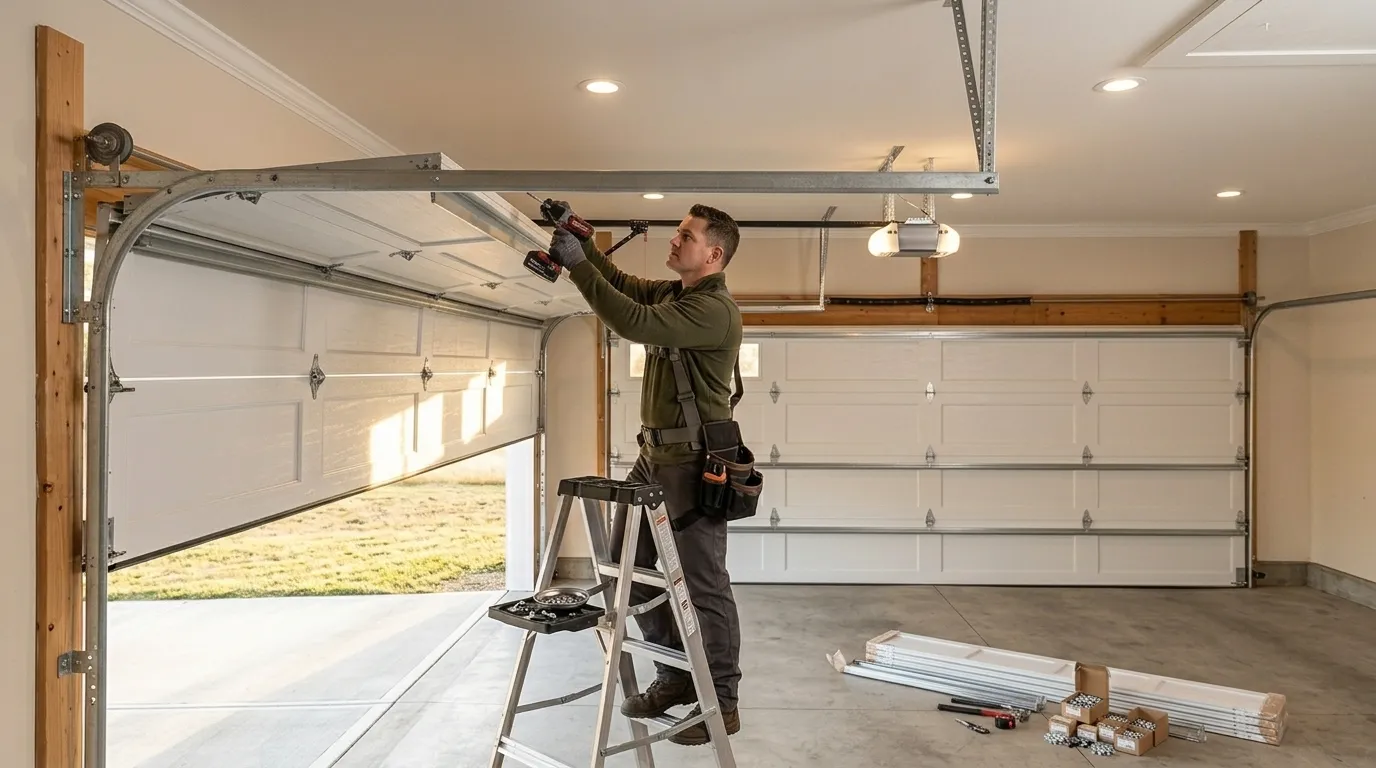
Nothing forces you to replace an uninsulated door just because it's uninsulated. San Diego's climate band is mild temperate - you're not fighting the freeze-thaw cycles that crack panels in colder states, and a bare steel door in this weather can run for decades without failing outright. The real cost of waiting shows up in smaller ways: a single-layer steel door dents easier, transmits more outside noise into an attached garage, and sweats condensation on cool mornings if the space is used for anything other than parking - a workshop, a laundry setup, a home gym. None of that is an emergency. If the door still opens and closes on its track without binding, and the springs are original to a house from the 1975 era but have been serviced along the way, there's a real argument for leaving it alone until something actually breaks. Replacing a working door because it's old is often money spent before it needs to be.
What the Weather Here Does to It
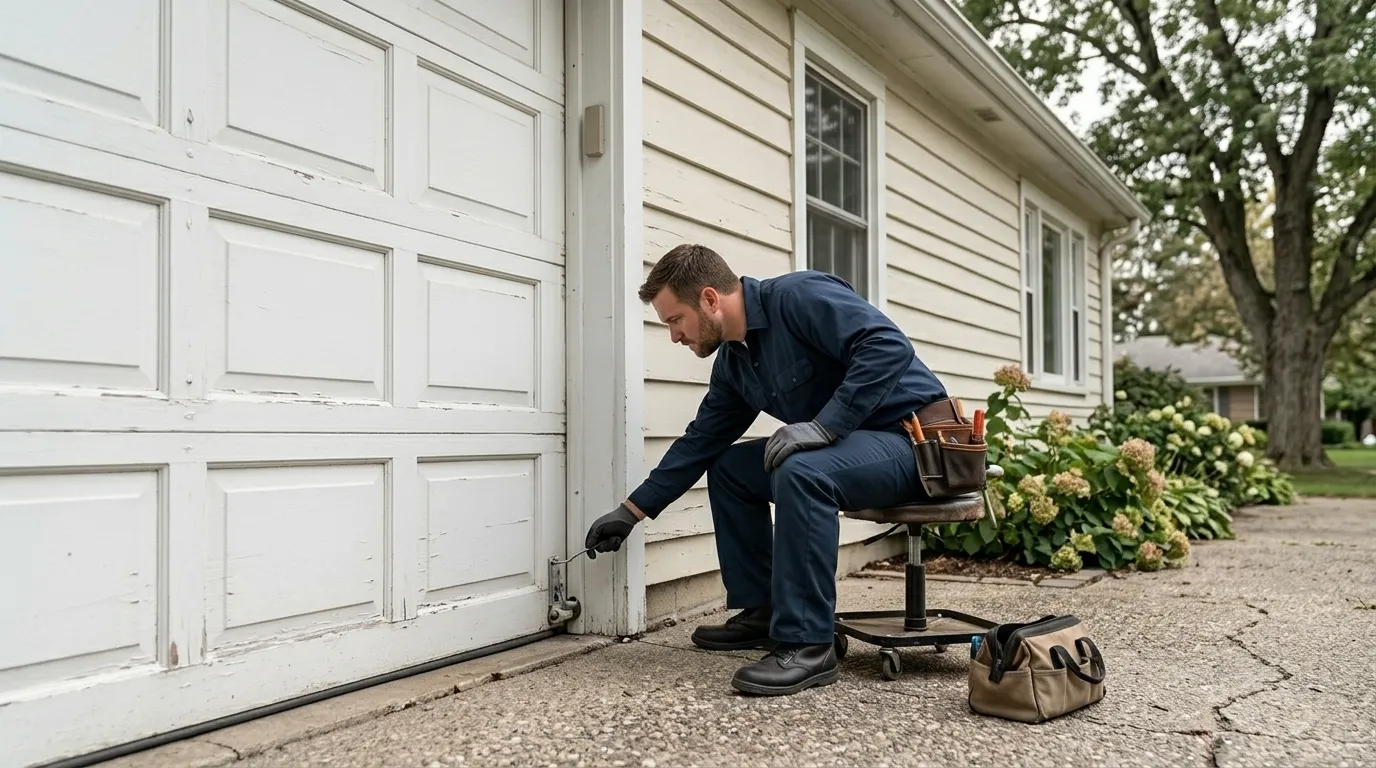
San Diego sits in a mild temperate band, which is the main reason a door installed when a house was built in the 1970s or 80s can still be running today. There's no hard freeze to swell wood panels or crack cheap steel, and no deep summer heat spike that warps track alignment the way it does inland. That steady range is easy on hardware most of the year. It doesn't mean zero wear. A door built before insulation rules is still a single sheet of steel or a thin wood panel, and steady daily sun exposure on a south- or west-facing garage still fades paint and dries out weatherstripping over the years, even without extreme swings. The stress here is slow and cumulative rather than sudden - rollers wear from repeated use more than from weather shock, and springs lose tension on their own timeline. That's actually good news for houses built in this 1967-1992 window: original steel doors have often outlasted what you'd expect in a harsher climate, simply because the weather here isn't the thing working against them.