What the Doors Are Like
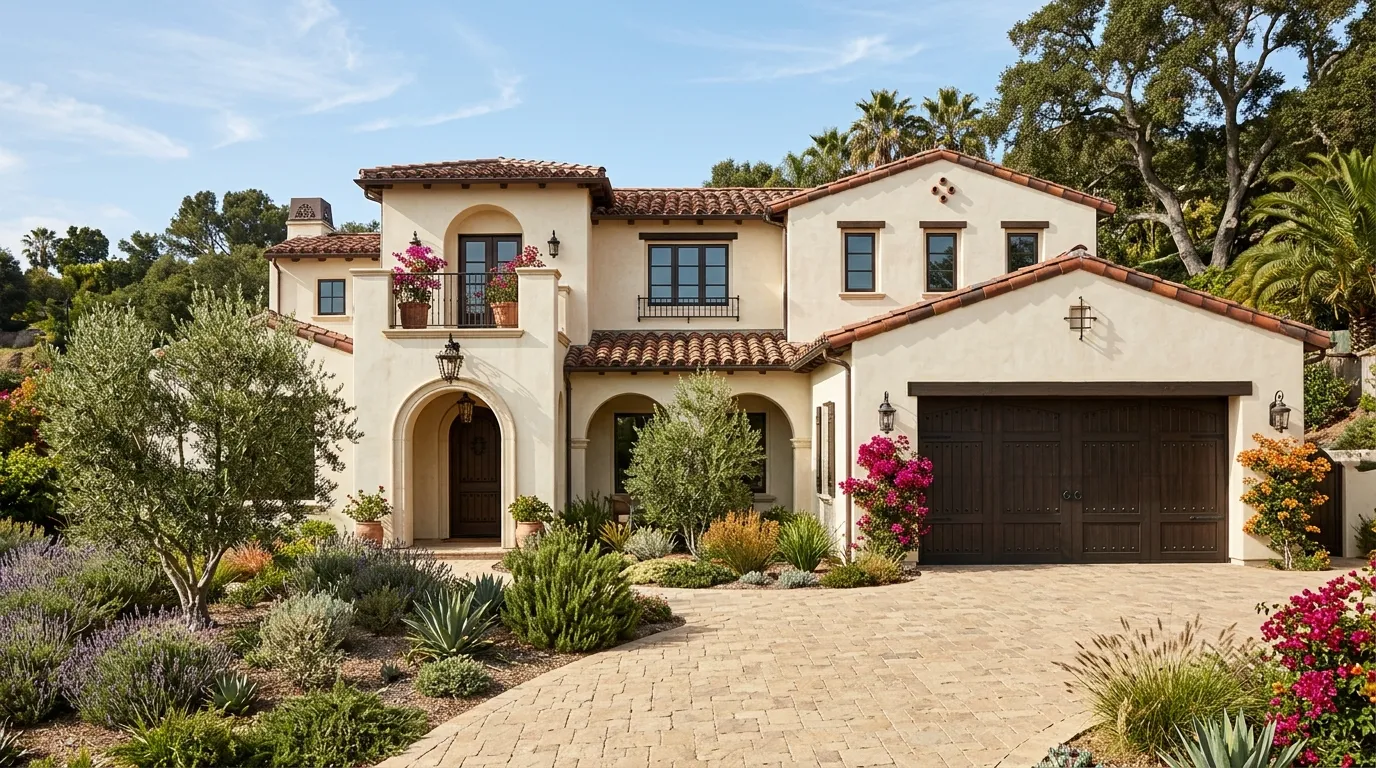
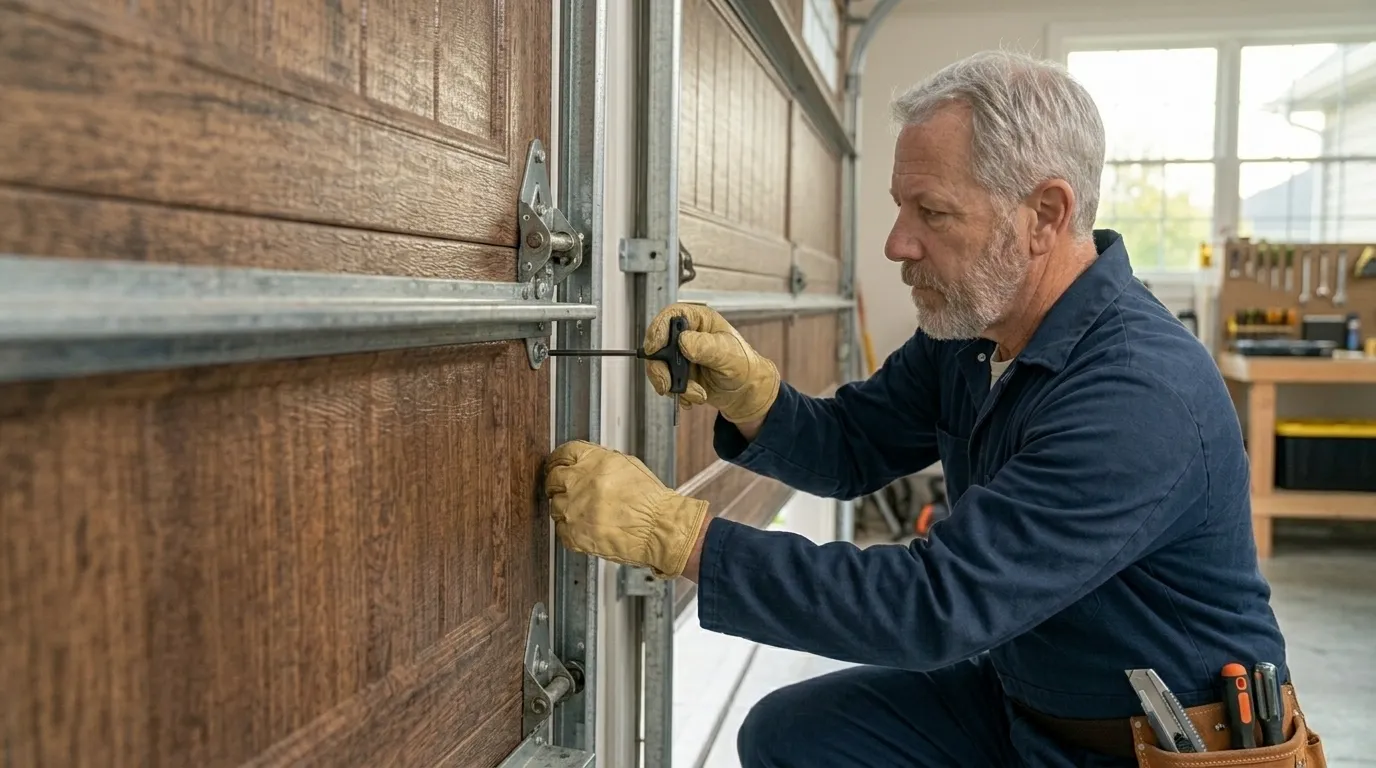
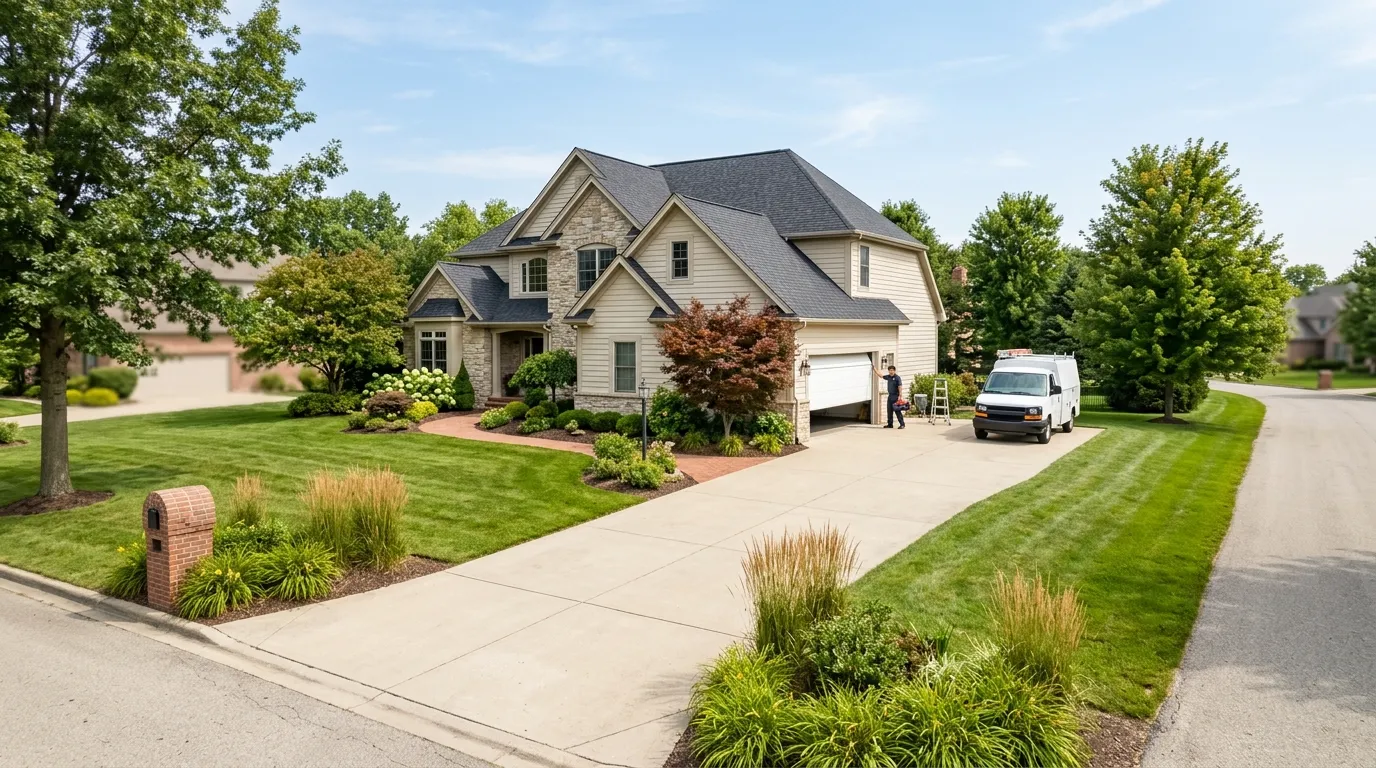
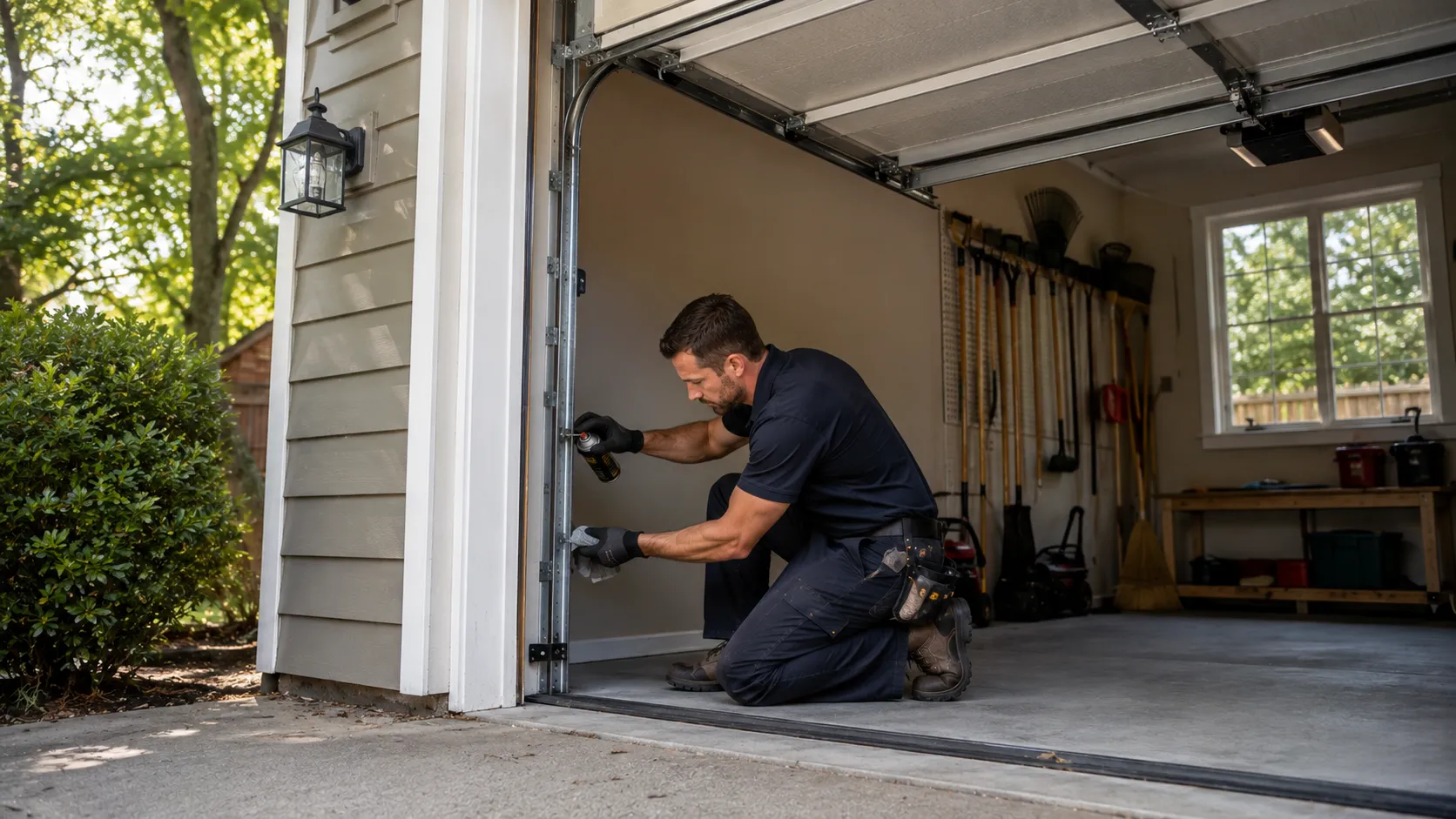
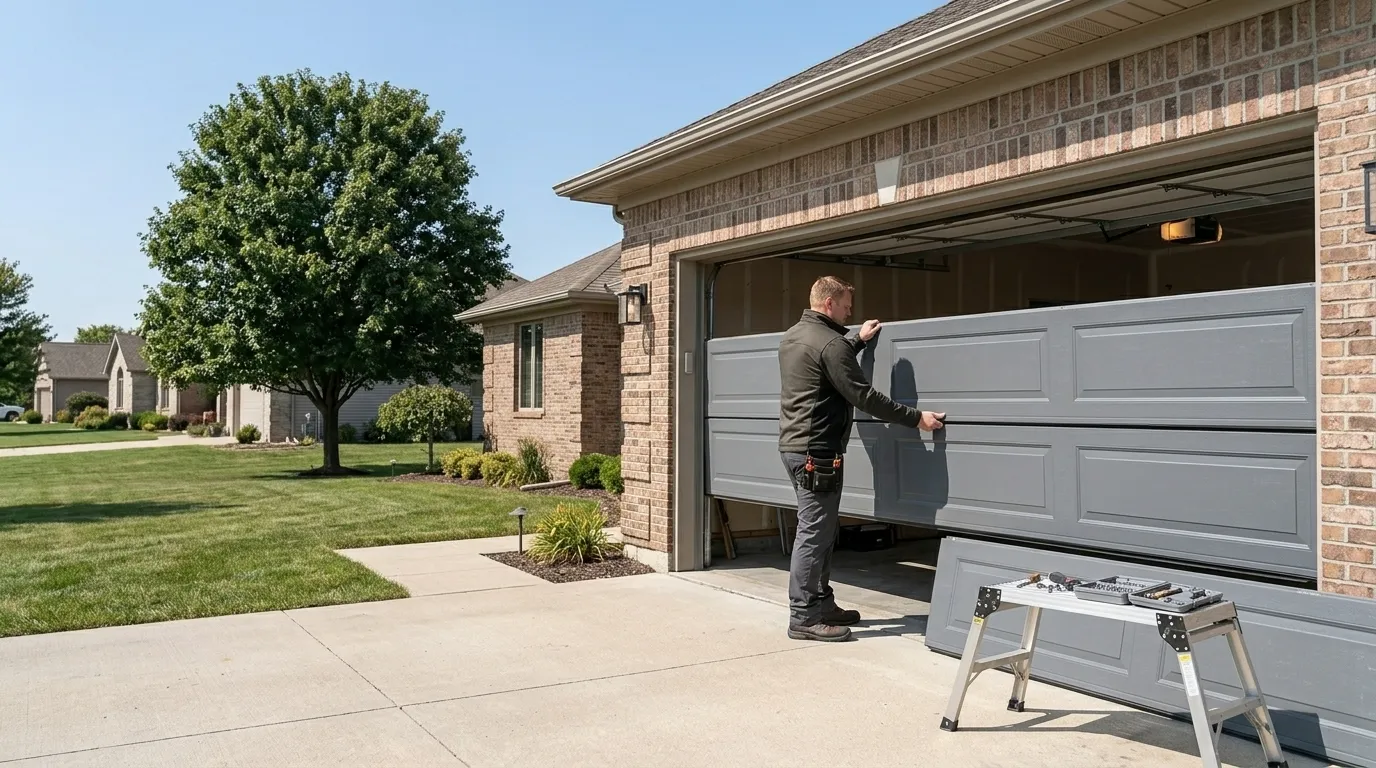
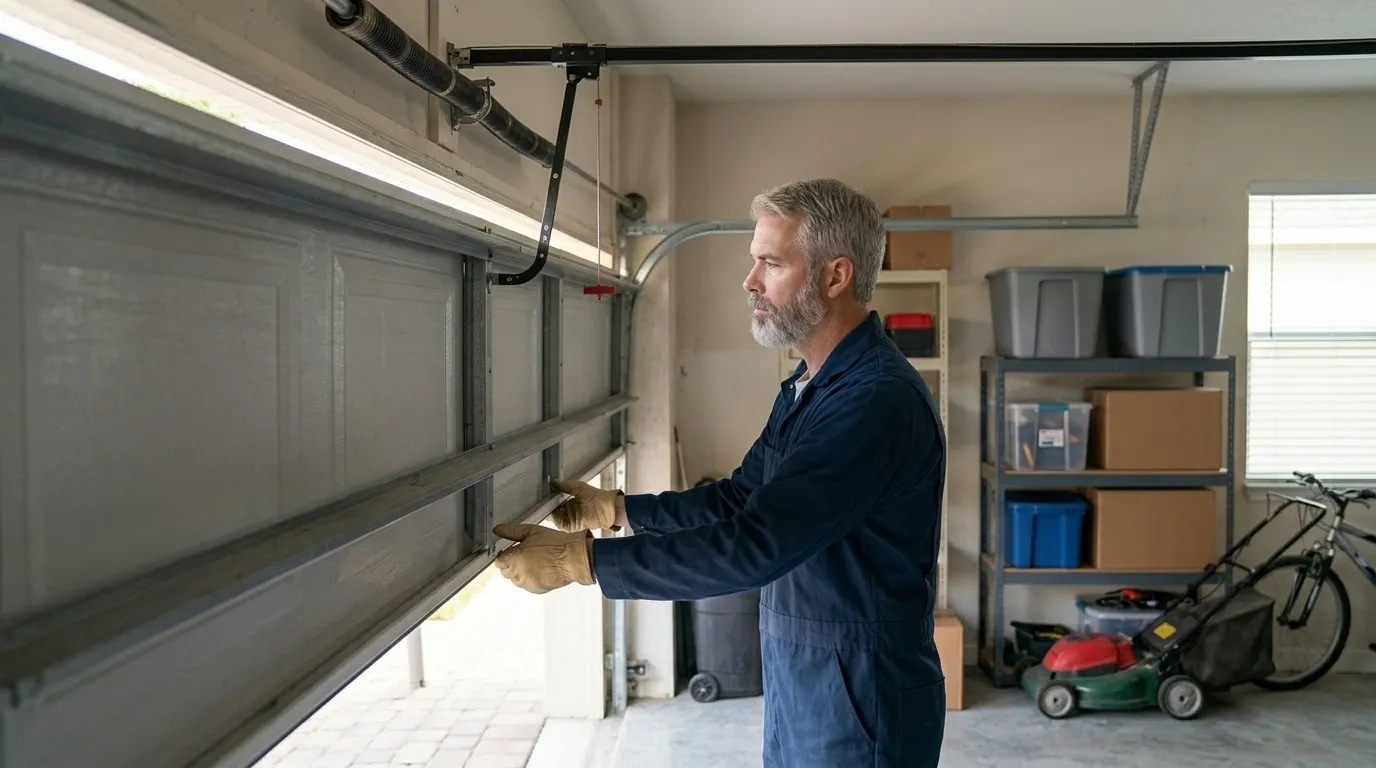
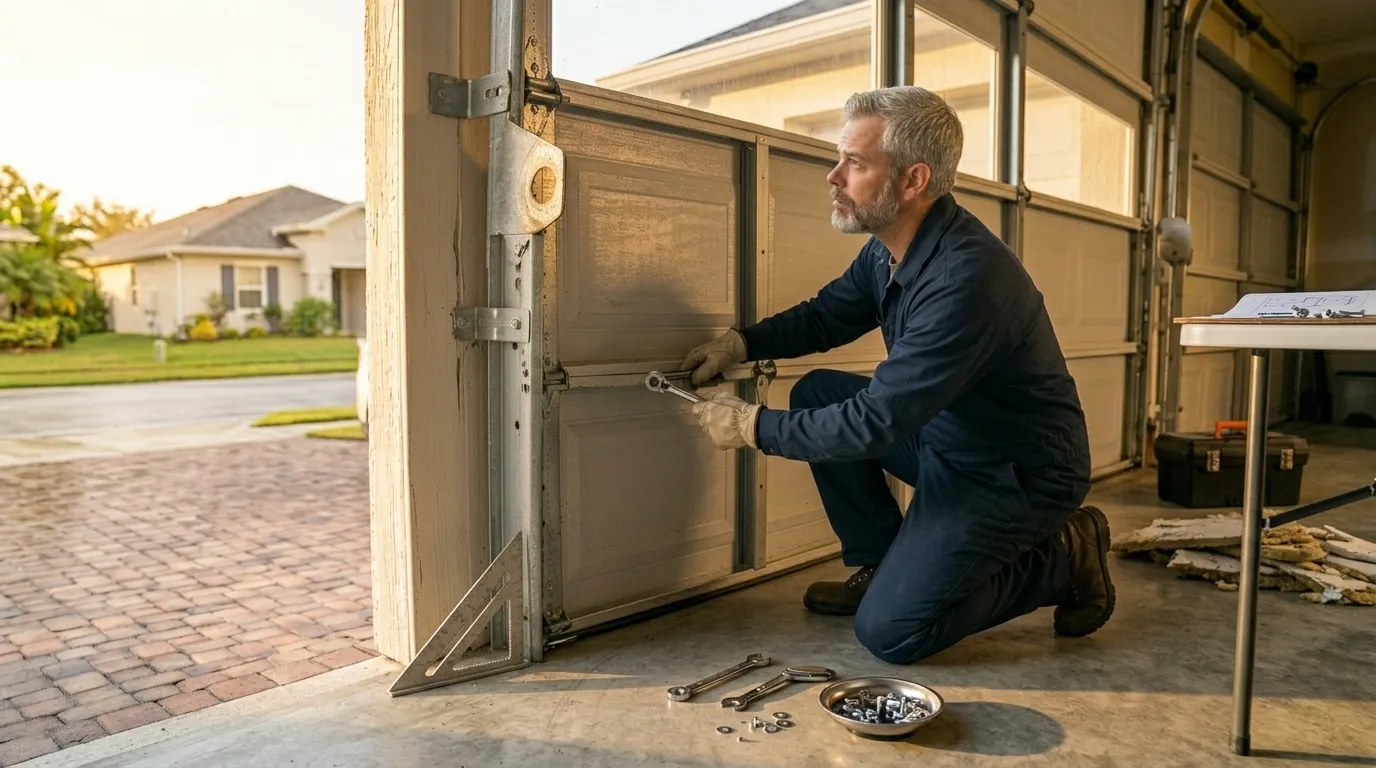
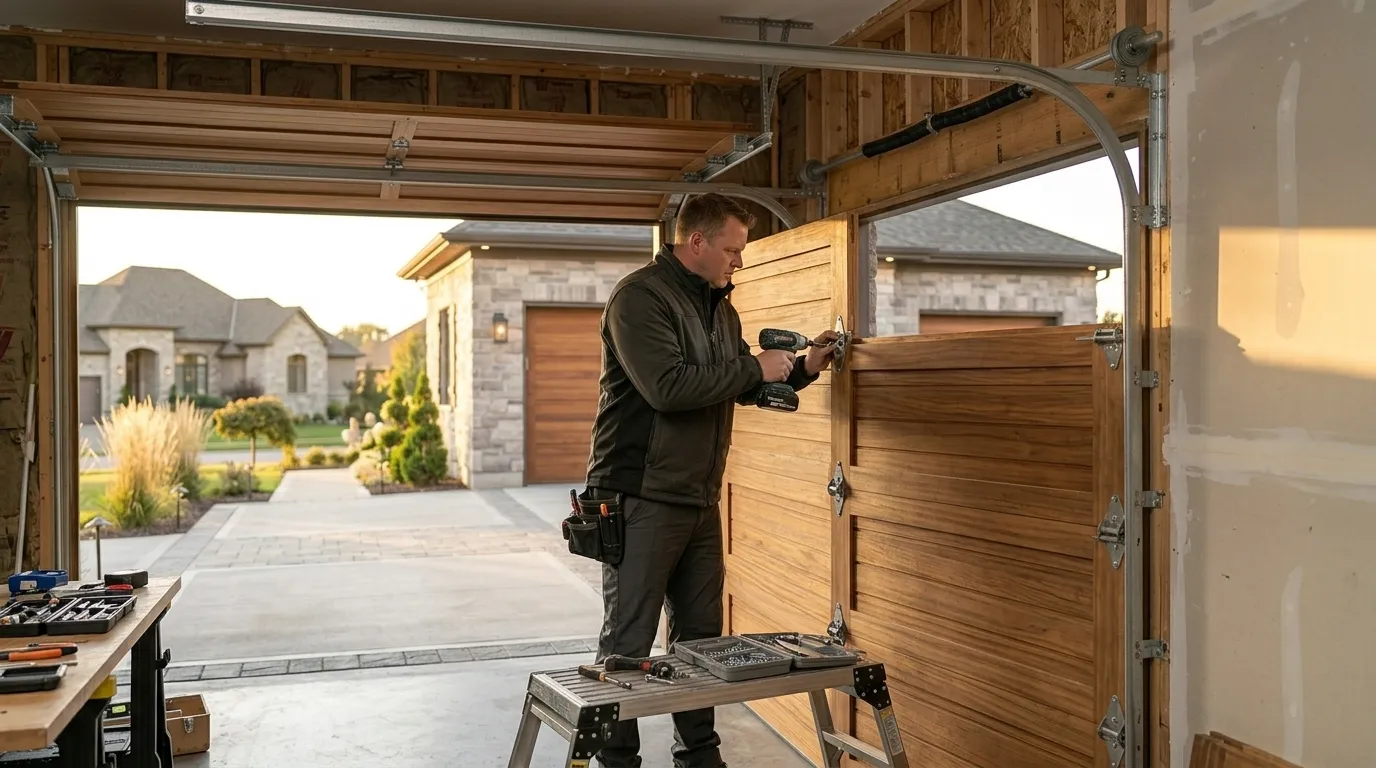
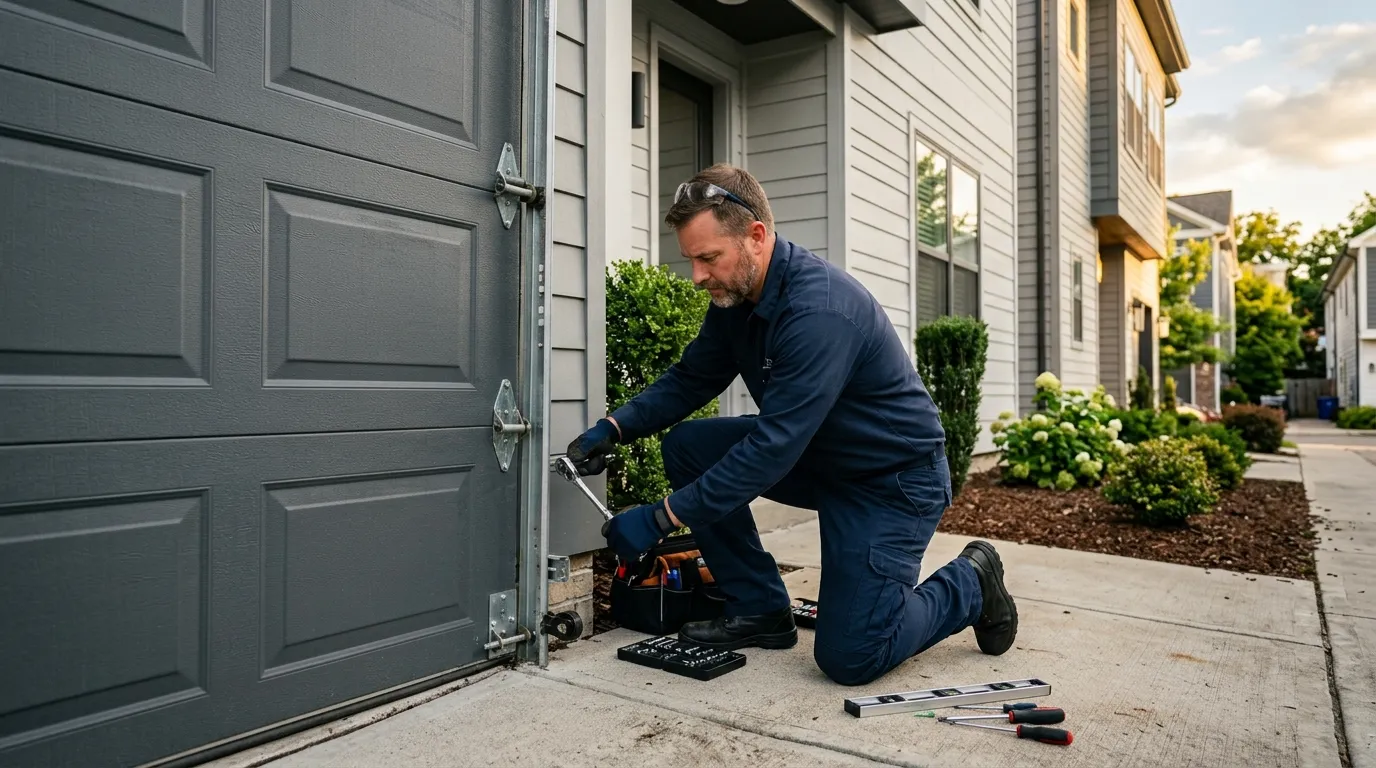
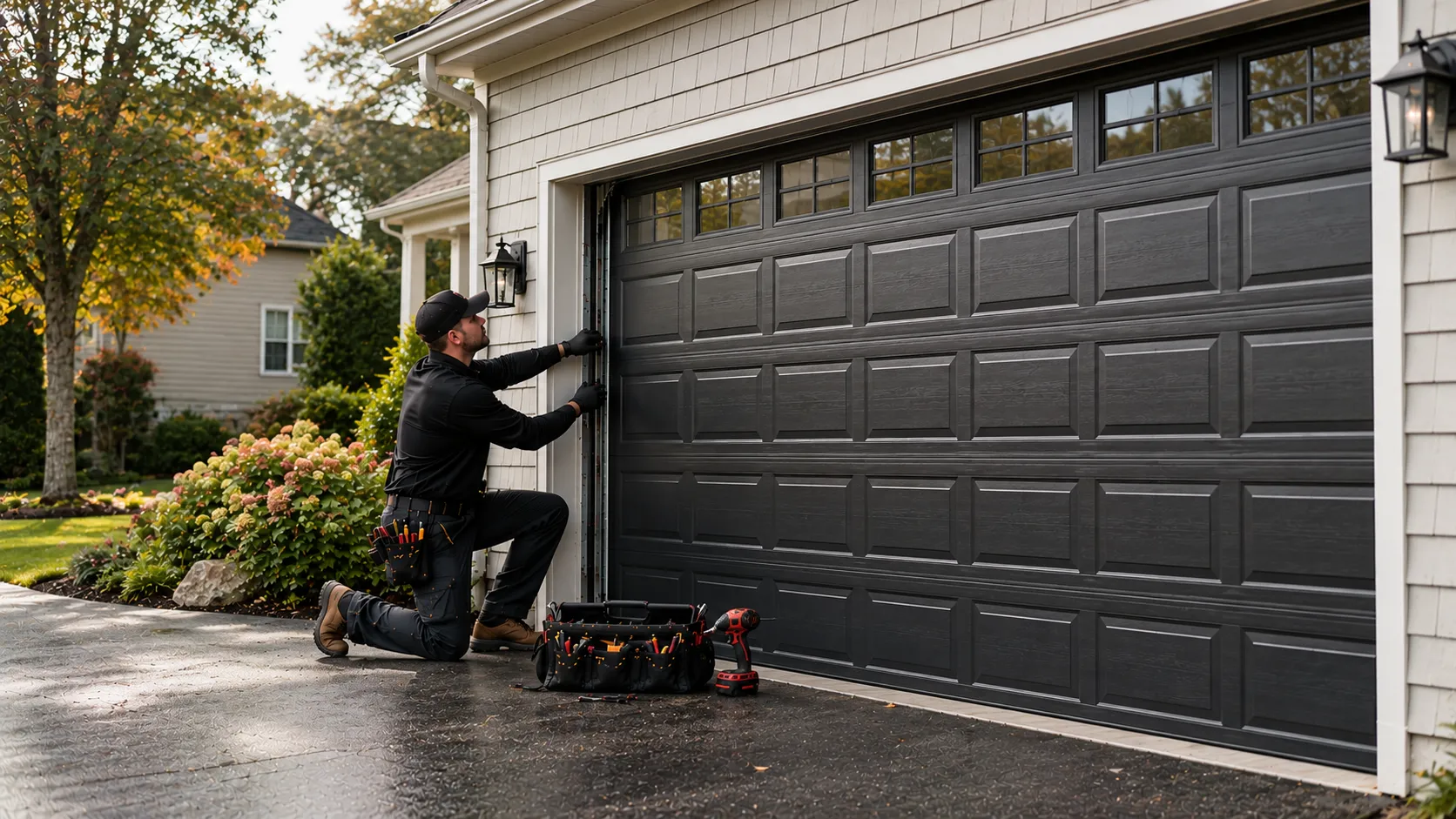
We don't have street-level data on Golden Hill's blocks specifically, so we're not going to pretend we know which panel style is on which house. What we can say is grounded in the construction era that covers this pocket of the service area: homes from the 1967-1992 window were mostly built with single-layer steel or aluminum sectional doors on standard torsion or extension spring setups, sized for two-car openings that were the norm by the 1970s. San Diego's mild temperate climate has been kind to these doors in one specific way - there's no hard freeze-thaw cycle and no extreme heat swing to warp panels or shock-harden springs, so failure here tends to be slow fatigue rather than sudden snap. That's good news for diagnosis; a spring that's about to go usually gives some warning first, a little sag or a louder cycle, if anyone's paying attention. The honest limitation: if a door has already been replaced once since the original build, we're working off what's actually installed, not what the house came with, and we won't guess at a spring's age or history from the sidewalk. We measure and test on site before we quote anything.
Booking
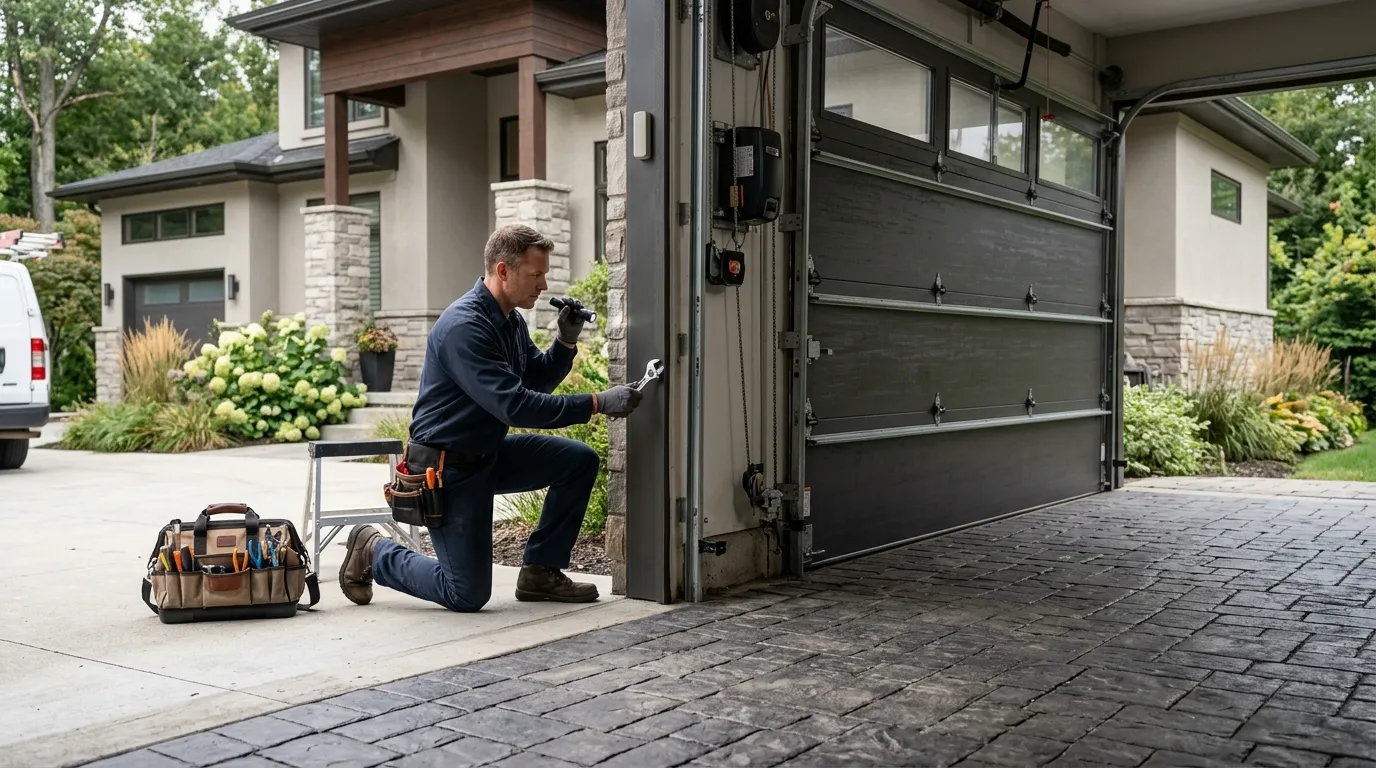
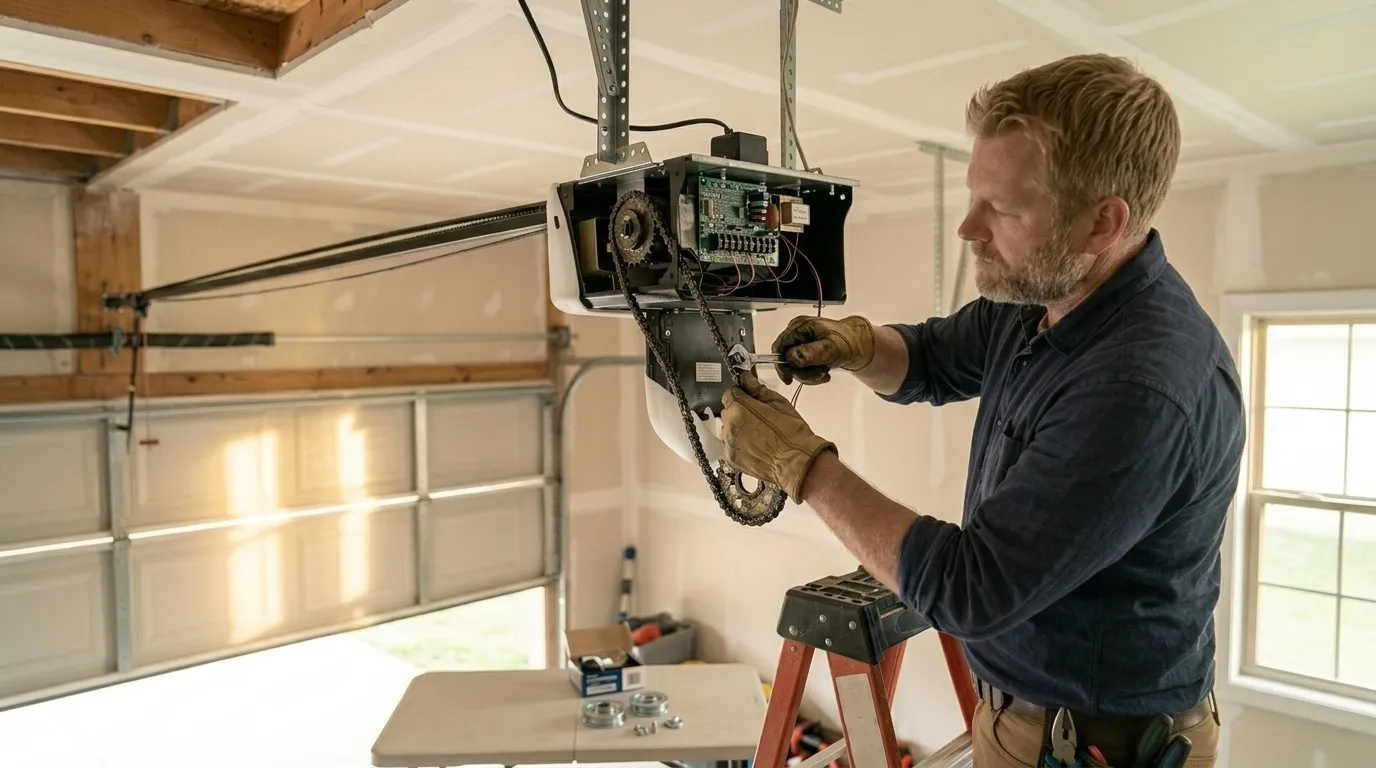
Seven miles from the center is close enough that getting a truck to a Golden Hill address on the same day is realistic, not a stretch. If your door won't move, tell us that up front and we'll treat it as the priority it is - a stuck door is often a safety issue as much as an inconvenience. If it's a slower problem, a noisy roller or an opener that's starting to lag, we can usually work you into a normal slot without rushing the job. Either way we'd rather look at the door in person than quote off a phone description; torsion spring sizing and panel gauge both matter and neither is guessable from a photo. Start here: /