What the Doors Are Like
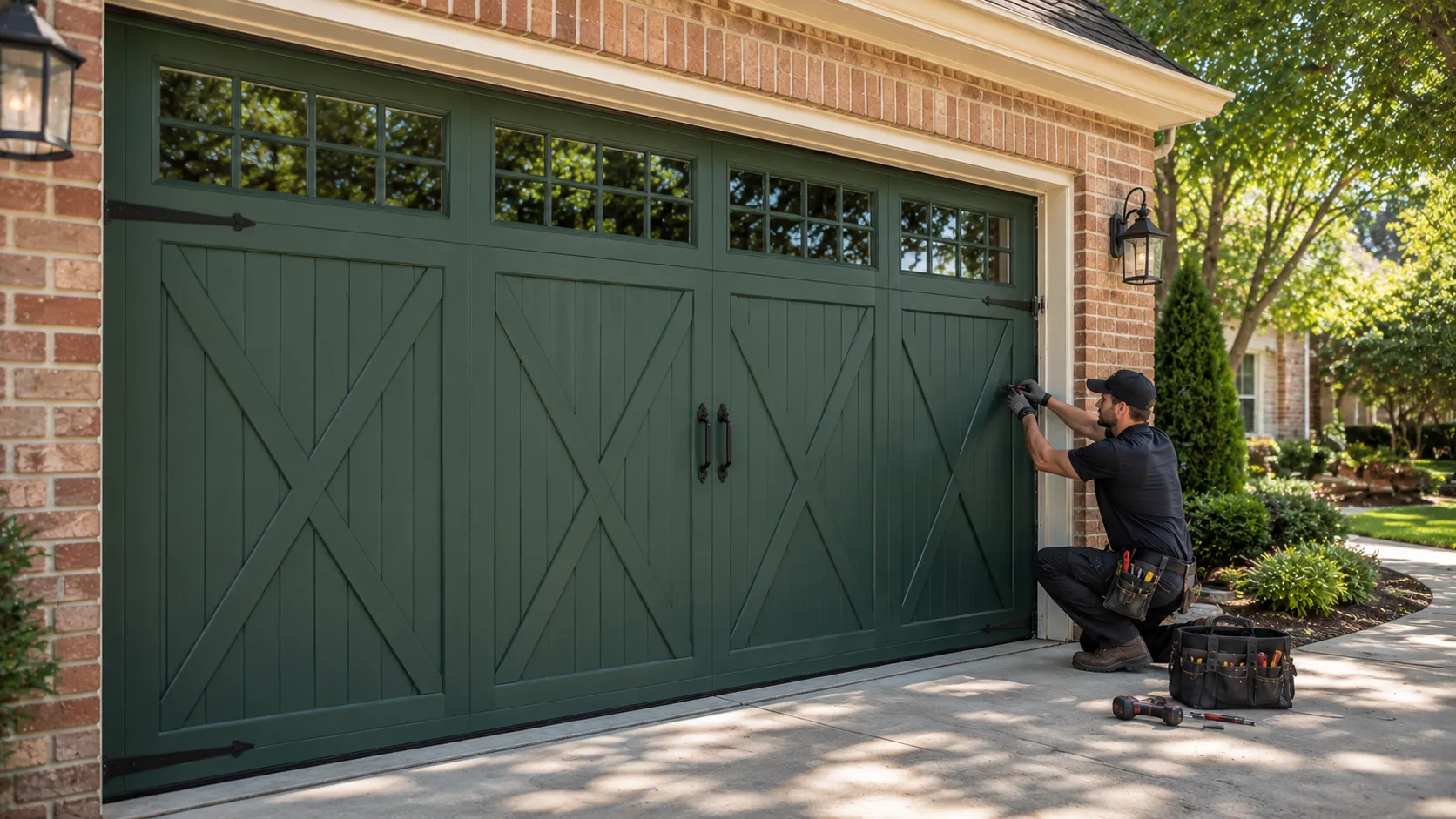
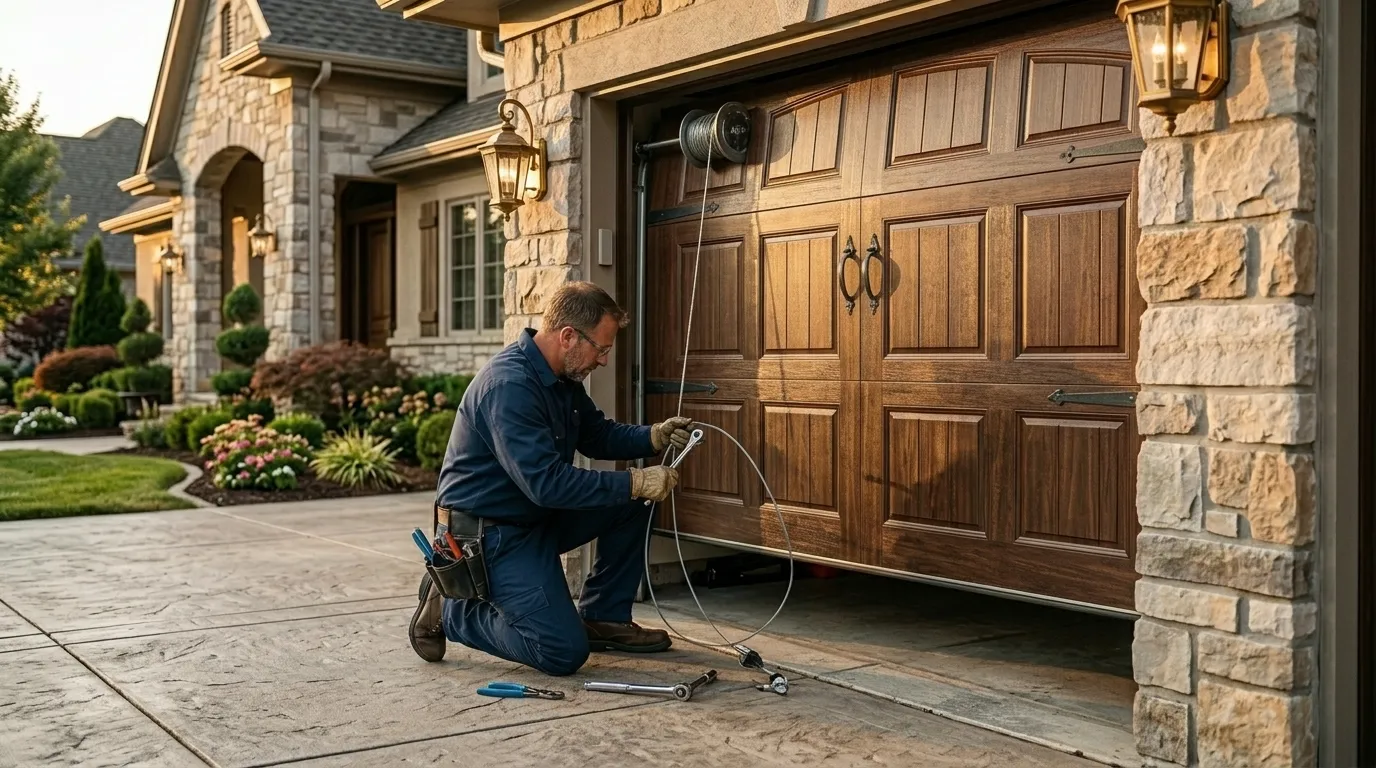
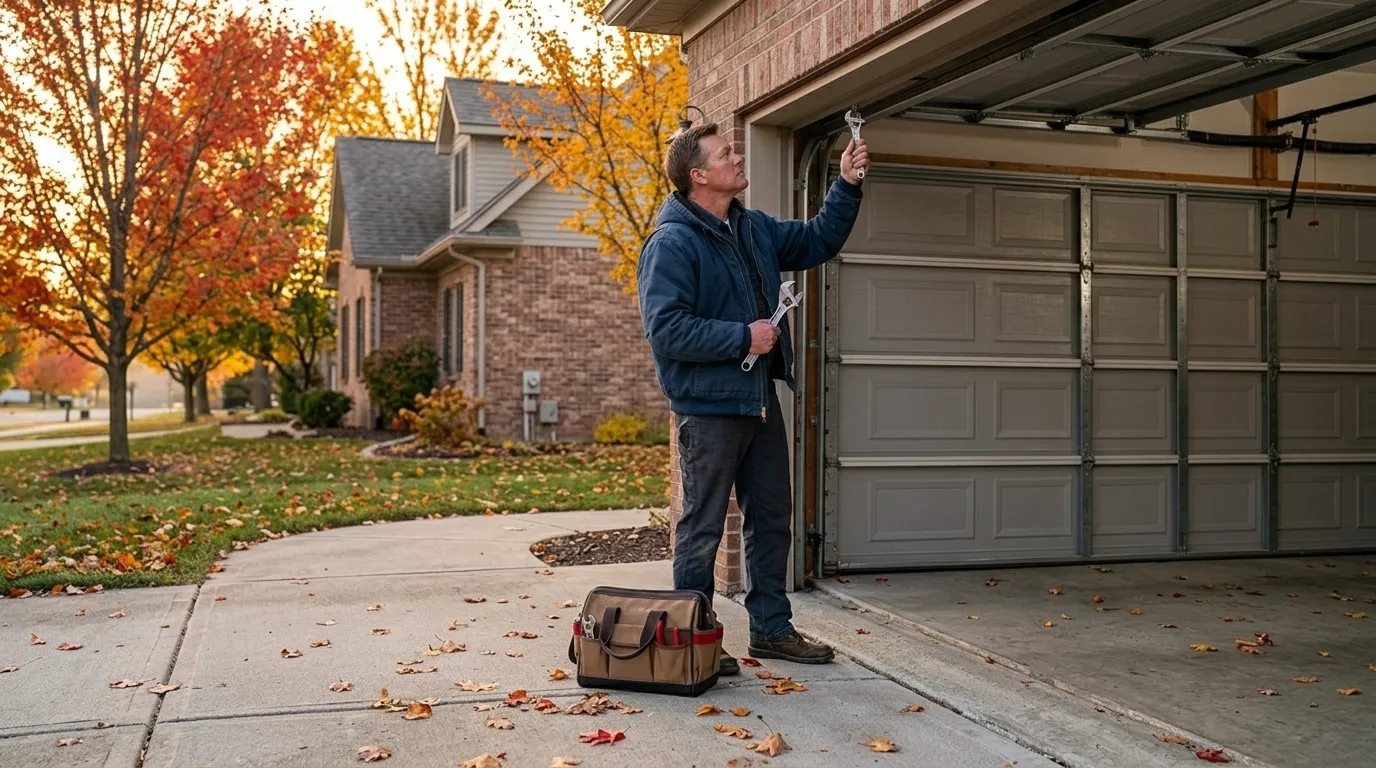
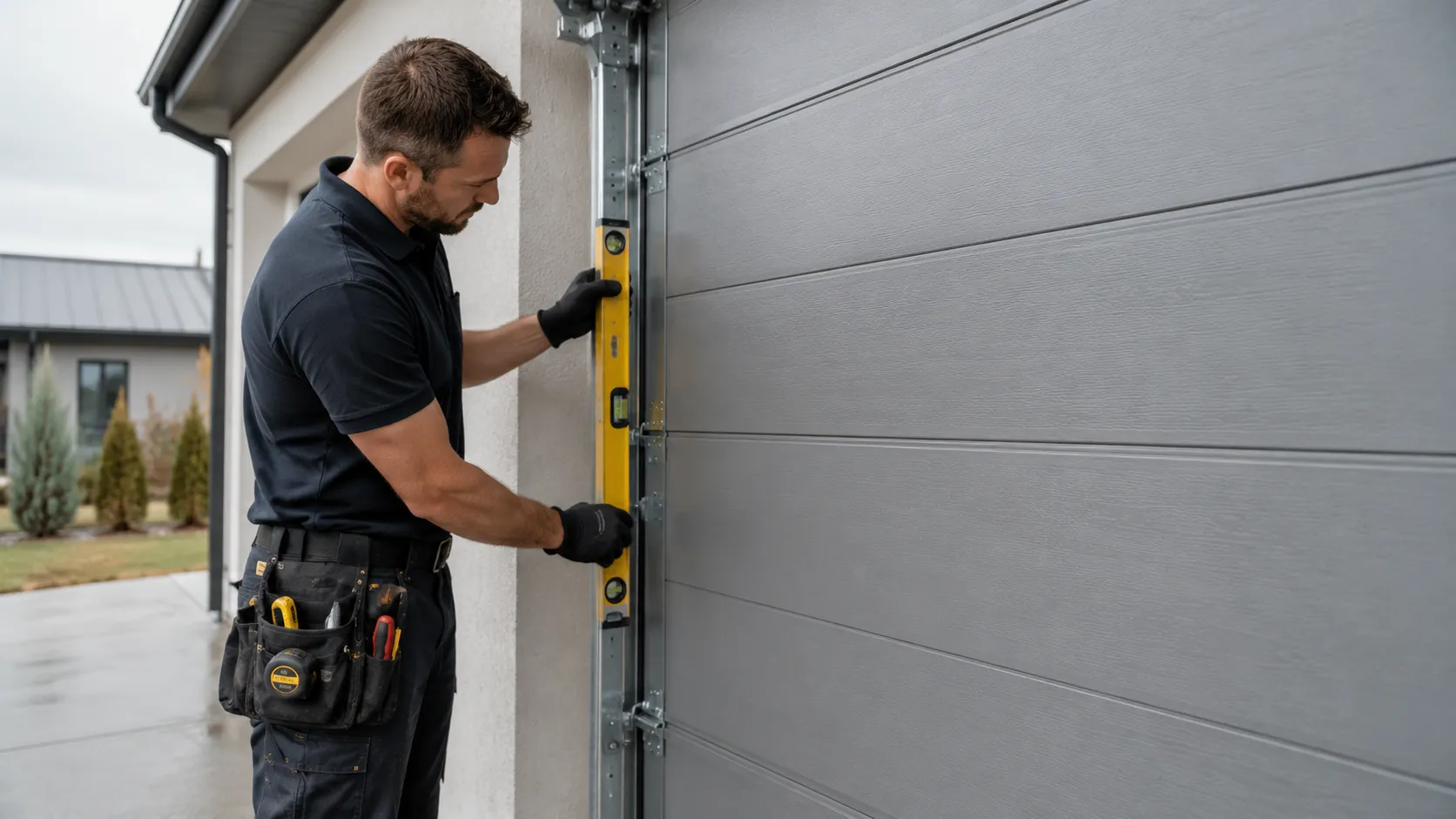
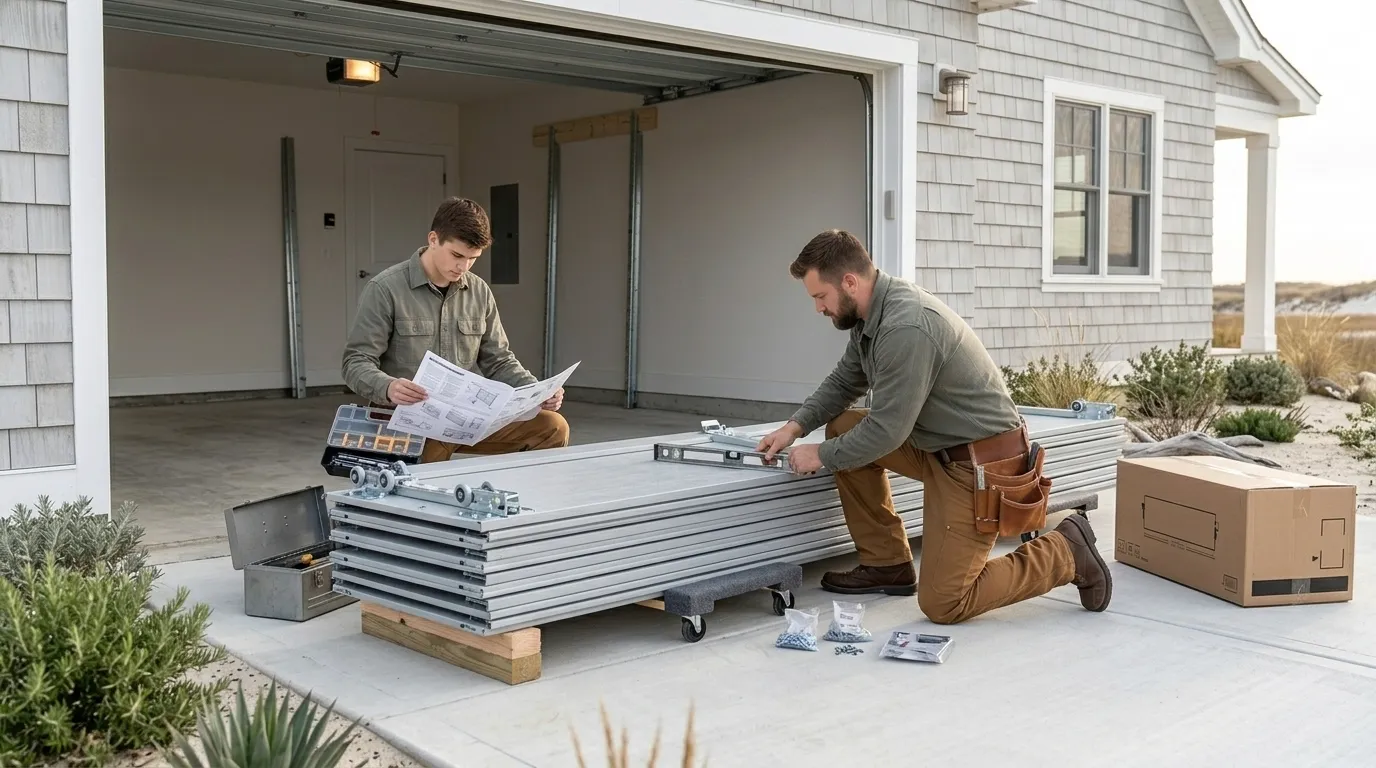
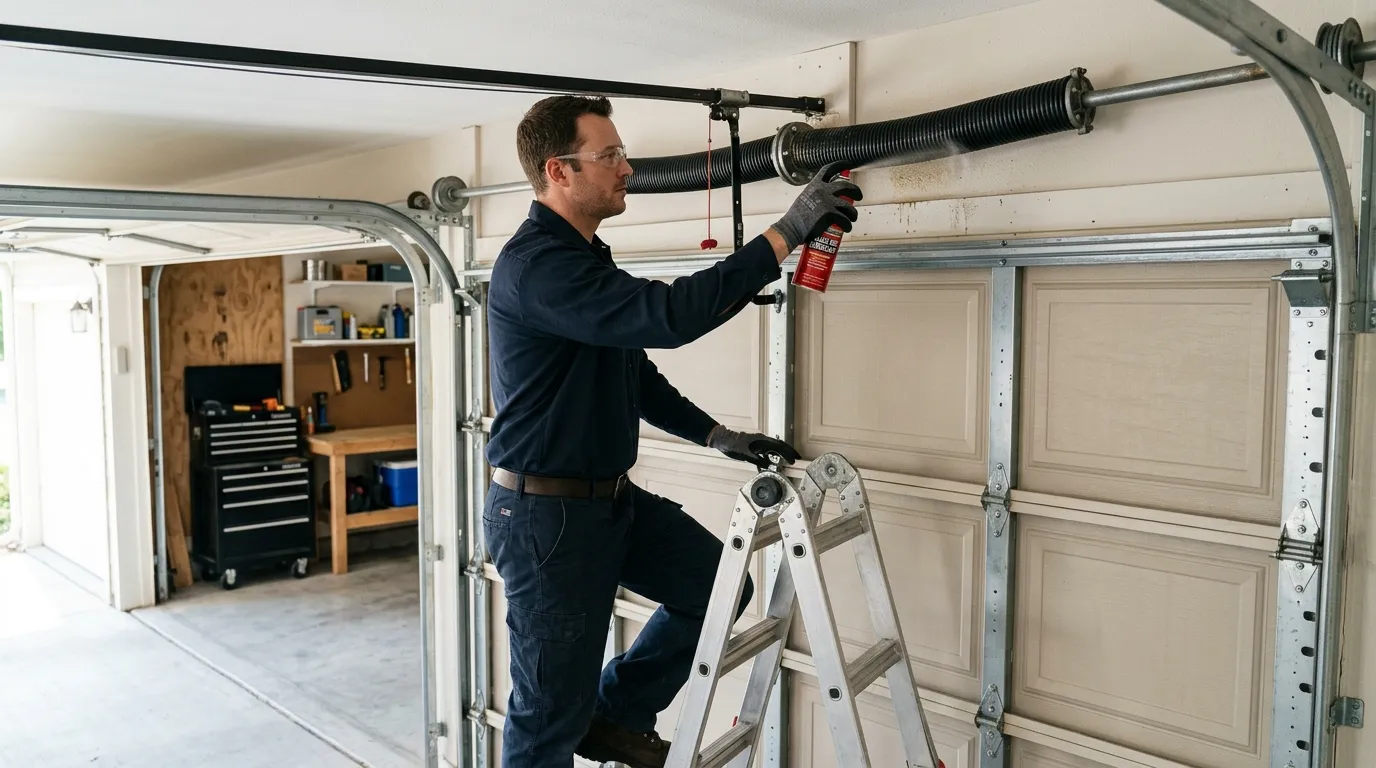
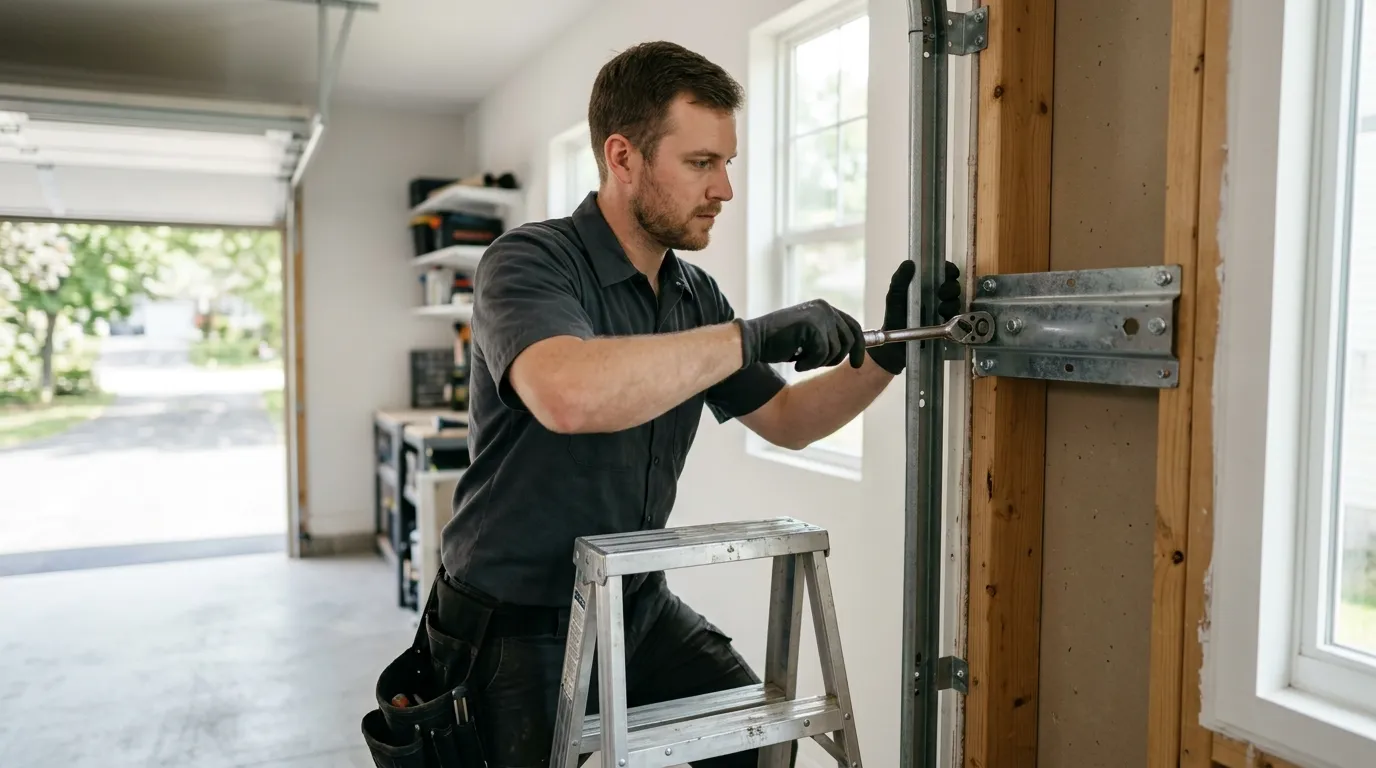
Given the 1967-1992 build window for this part of San Diego, the doors up here mostly fall into two camps: original steel doors that have never been swapped, and a second generation installed sometime in the 80s or 90s when the first ones wore out. Torsion spring setups dominate over extension springs on the two-car openings, which is standard for the era, but you'll still find older single-door garages running the side-mounted extension spring style that newer code and safety cable requirements have mostly phased out elsewhere.
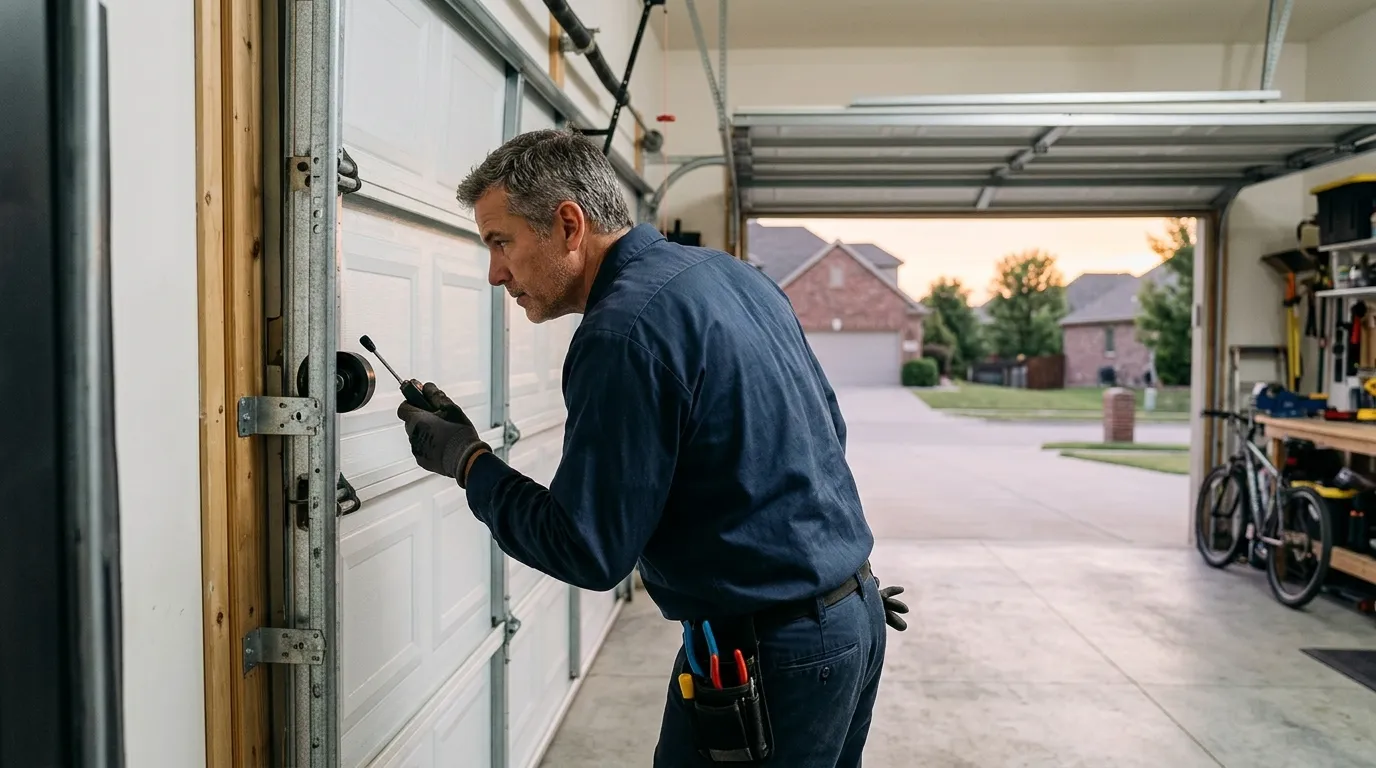
The climate here is mild temperate - no deep freezes, no real humidity swings - so the doors themselves don't take the beating that steel takes in harsher climates. Panels don't rust through and doors don't warp. What fails instead is metal fatigue in the springs from years of cycling, and openers whose circuit boards and gear sets have simply reached the end of their service life. That's actually good news for repair versus replacement: a sound door skin with fresh springs and a new opener can often outlast a full teardown, since the panel itself isn't the weak point the way it would be somewhere with real weather extremes.
What we can't tell you without seeing it is which generation of door is on a given house - that's a look-and-quote situation, not a phone-quote one.
Booking
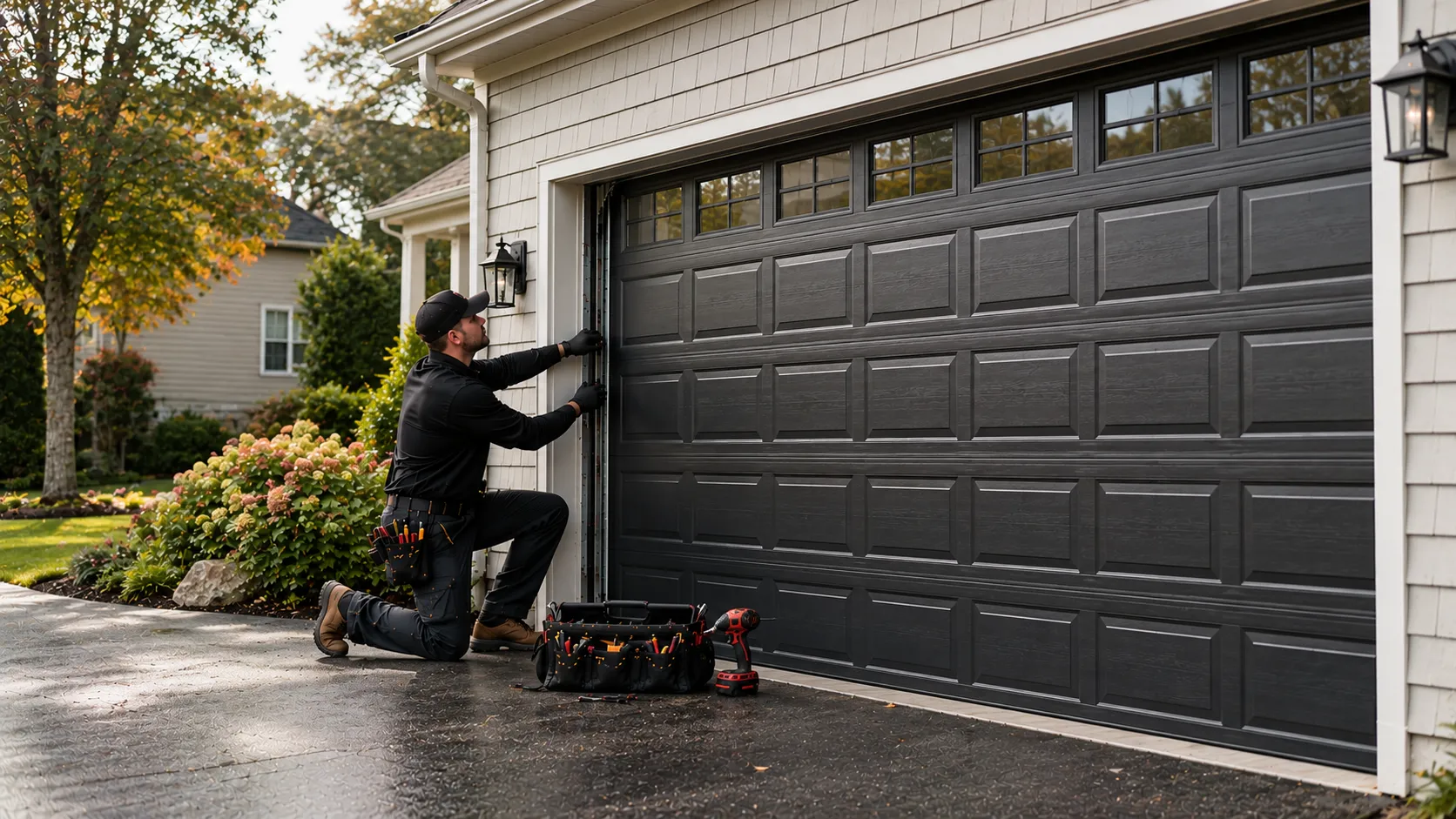
If you're in Point Loma Heights and the door won't move, or it's making a noise that wasn't there last week, call and describe what's happening - a bang, a sag on one side, a grinding sound when it opens. That tells us most of what we need before the truck rolls. We work across this side of San Diego, so getting to a house 8 miles from downtown isn't out of the ordinary for us.
One thing worth knowing upfront: parts for some of the older opener models from the 80s and 90s aren't always sitting on the shelf. If yours is one of those, we'll tell you straight whether it's a same-day fix or a job that needs a part ordered in, rather than promise a timeline we can't back up.