What the Doors Are Like
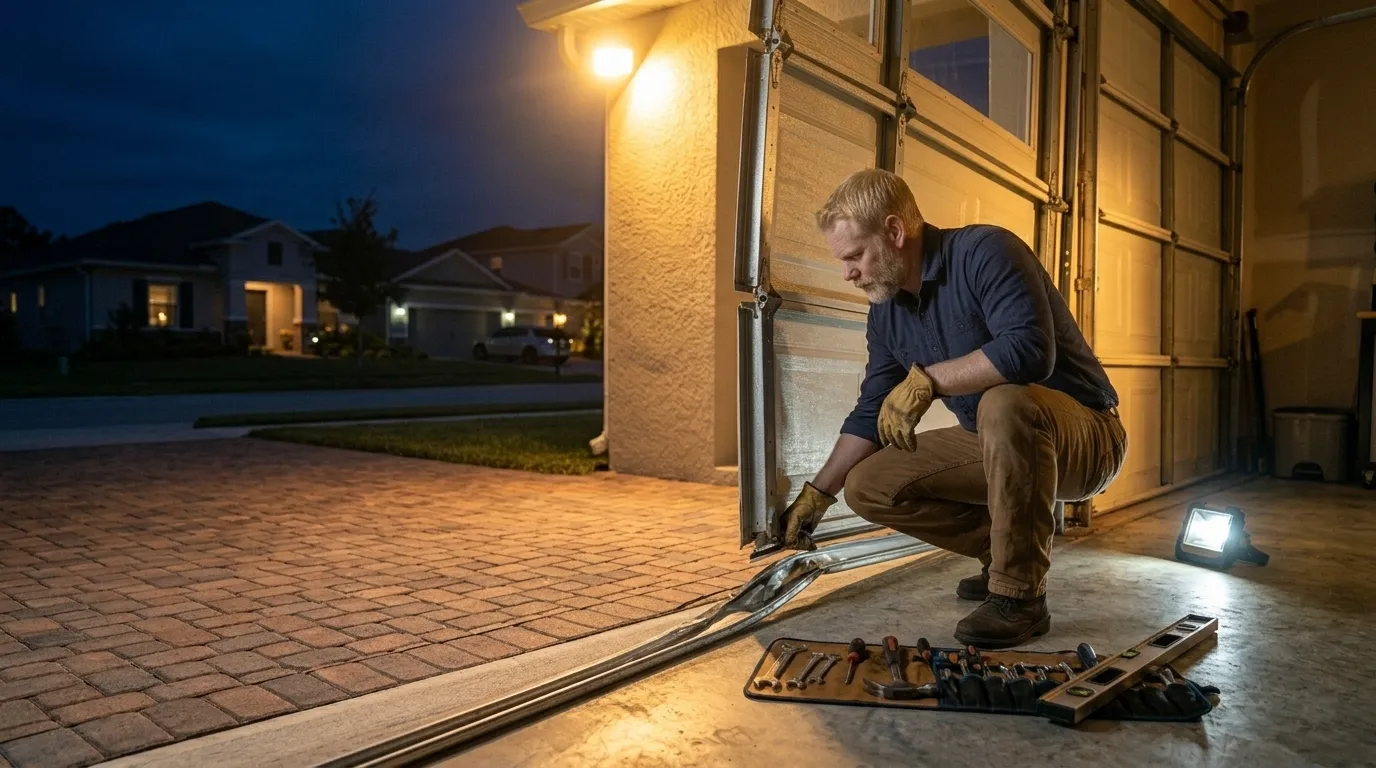
Housing across this part of San Diego mostly went up between 1967 and 1992, with the median landing around 1975, and Mount Hope's stock fits that pattern. That means a lot of doors and hardware from an era before today's spring-cycle ratings and wind-load requirements, on tracks and openers that were standard then but aren't what gets installed now.
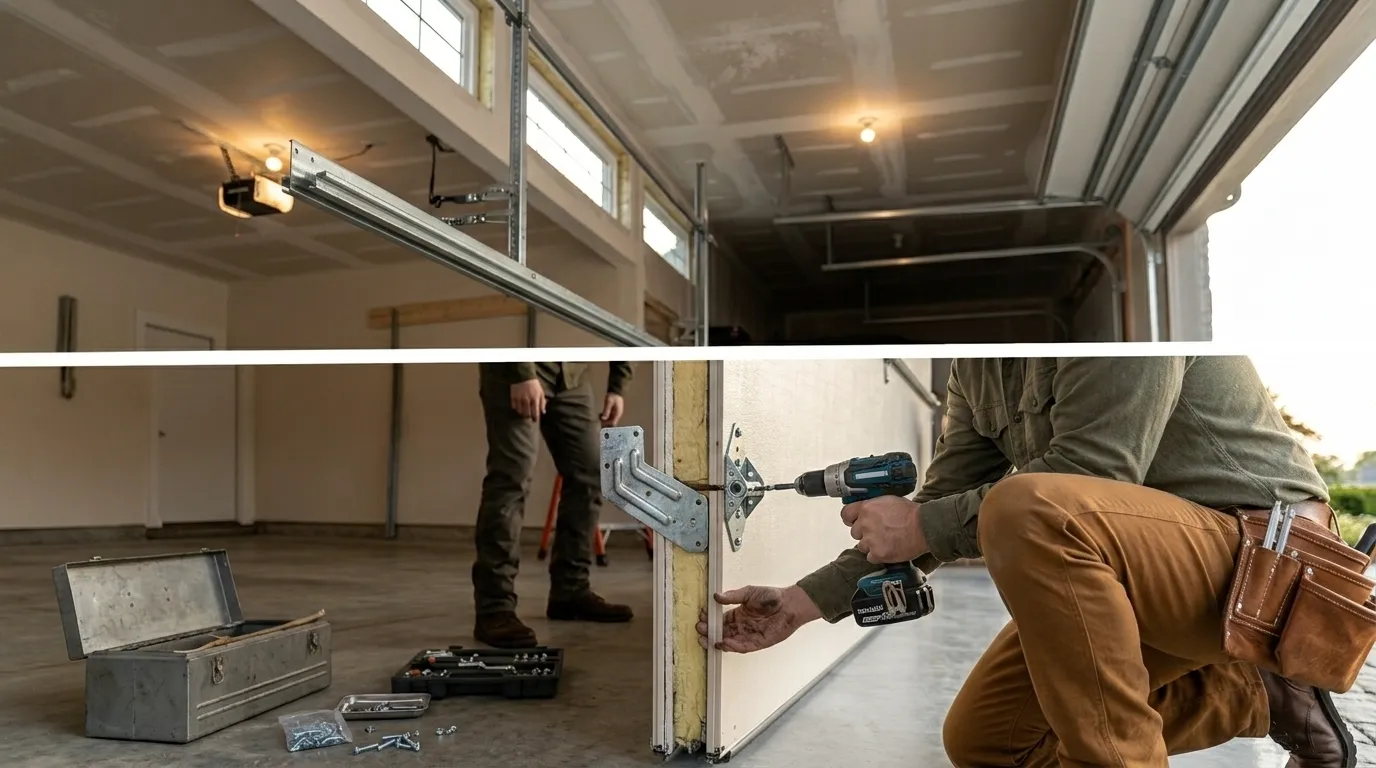
The practical effect: parts that were common in the 1970s aren't something every supplier keeps on the shelf, so a repair sometimes takes an extra day for the right torsion spring or a matching panel to come in. We'll tell you upfront if that's the case rather than jam in a part that's close enough but wrong for the door.
San Diego's mild temperate climate is kind to garage doors compared to most of the country - no freeze-thaw, no deep cold snapping springs overnight. But it does mean steady sun exposure wears seals, weatherstrip, and wood-panel finishes faster than owners expect, especially on doors that have never been resealed since they were installed. At some point on a door this old, replacing the whole unit costs less over time than another round of patch repairs, and we'll say so if that's where your door is at.
Booking
If you're in Mount Hope or the nearby mesa neighborhoods - Serra Mesa a mile to the south, Grantville a few miles southeast, Mission Valley just south of that - we cover this side of the city. Across the wider service area there are roughly 136,422 households and about 48,883 owner-occupied houses, and a good share of those are the same 1960s-70s builds you'll find here, so this is work we do often, not a special case.
Tell us the age of the house and what the door is doing - slow to open, off track, opener clicking but not moving - and we can usually tell you over the phone whether it sounds like a spring, a track, or the opener itself. Call to get on the schedule.