What the Doors Are Like
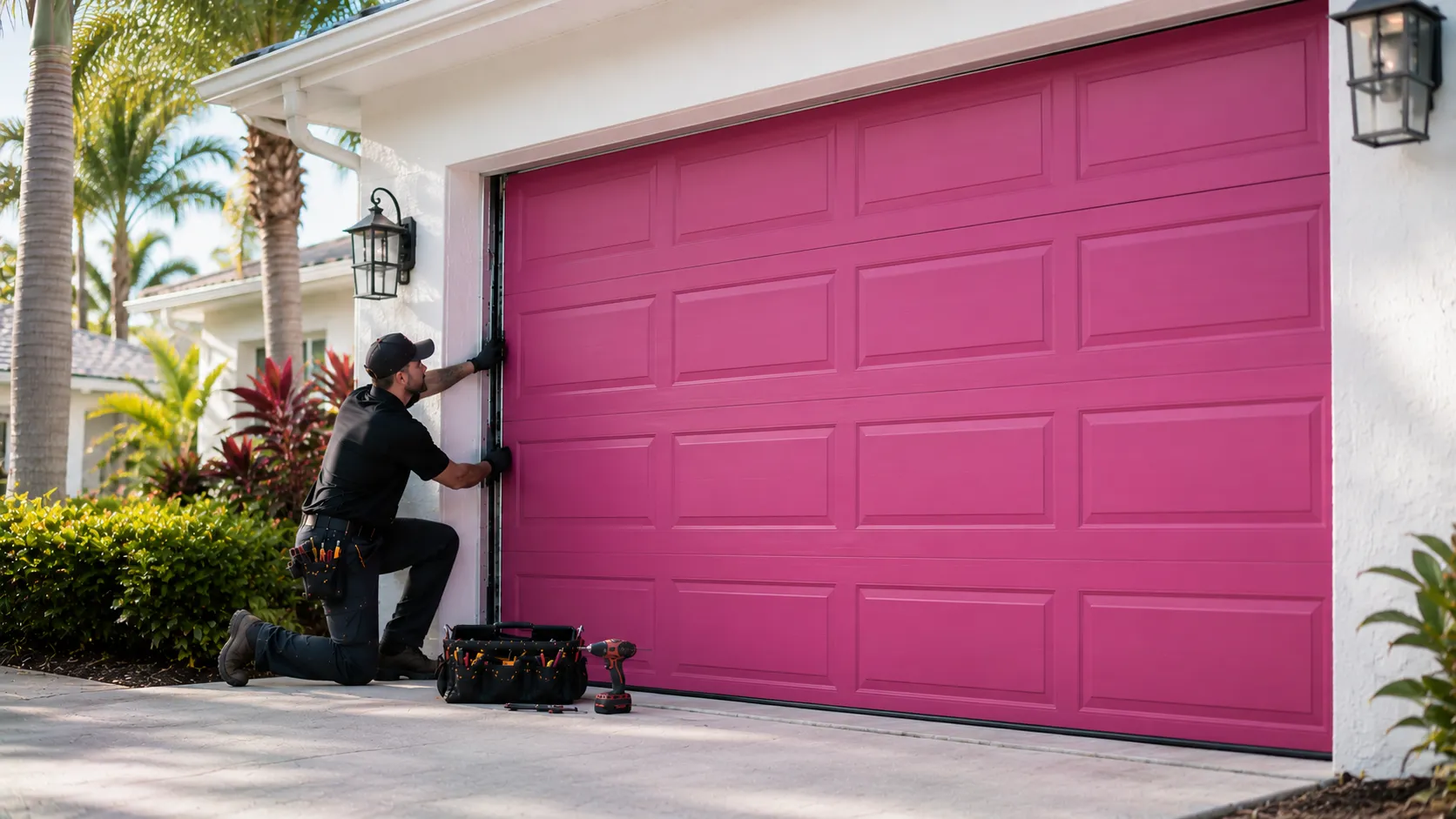
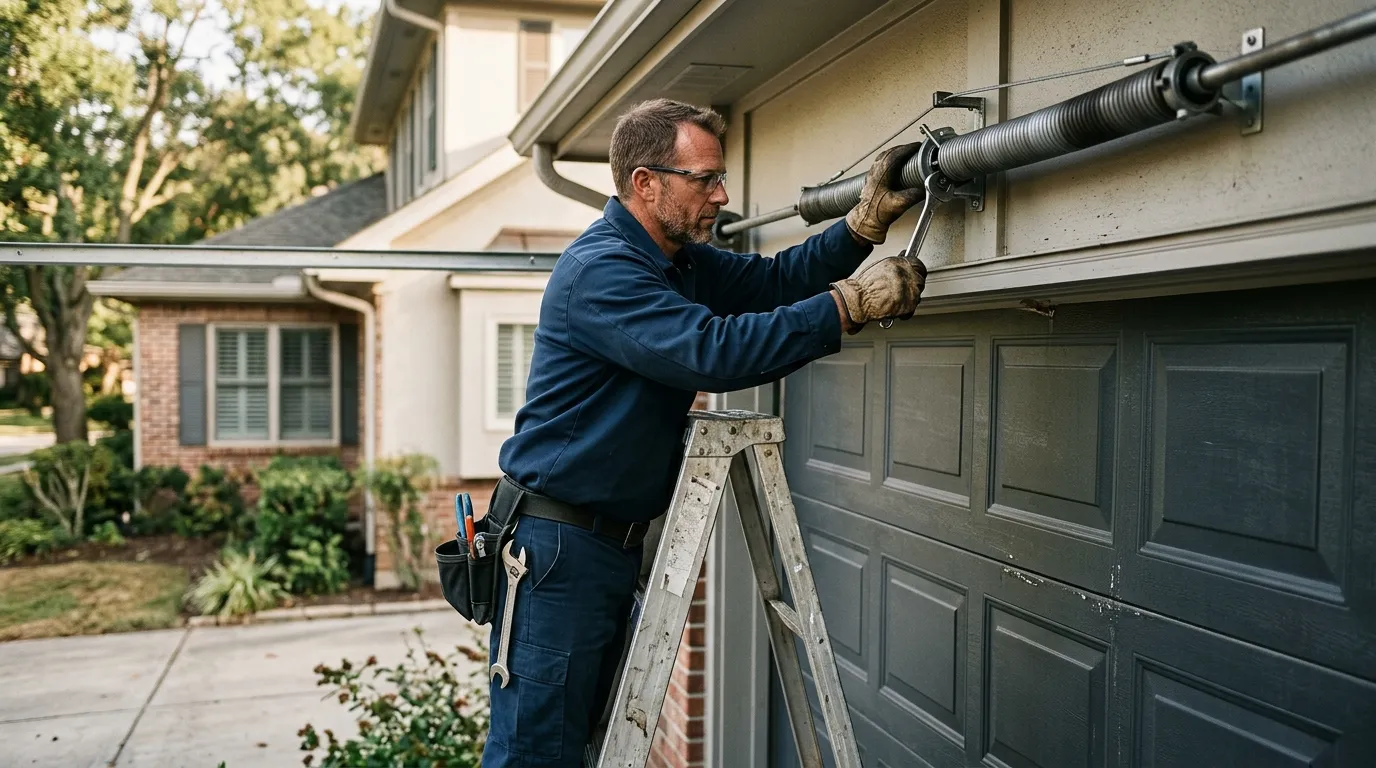
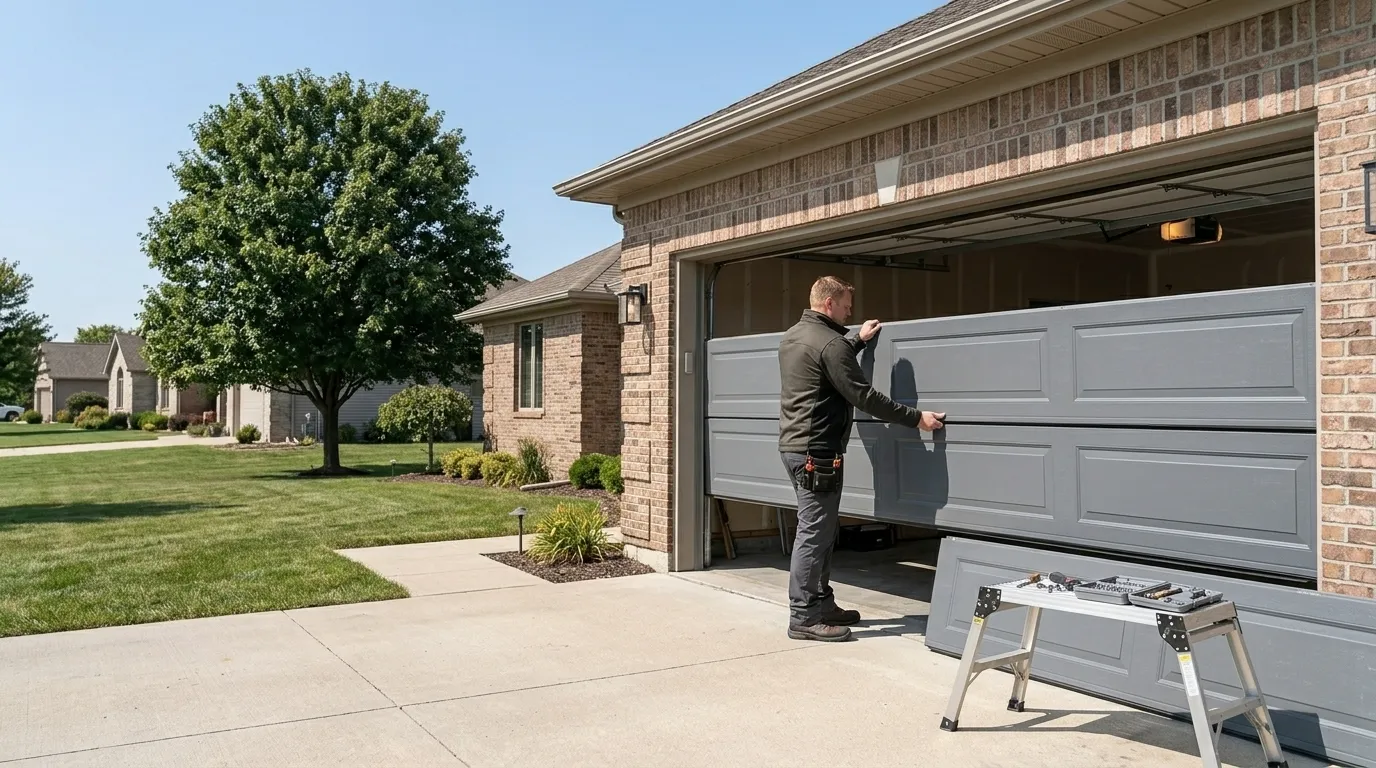
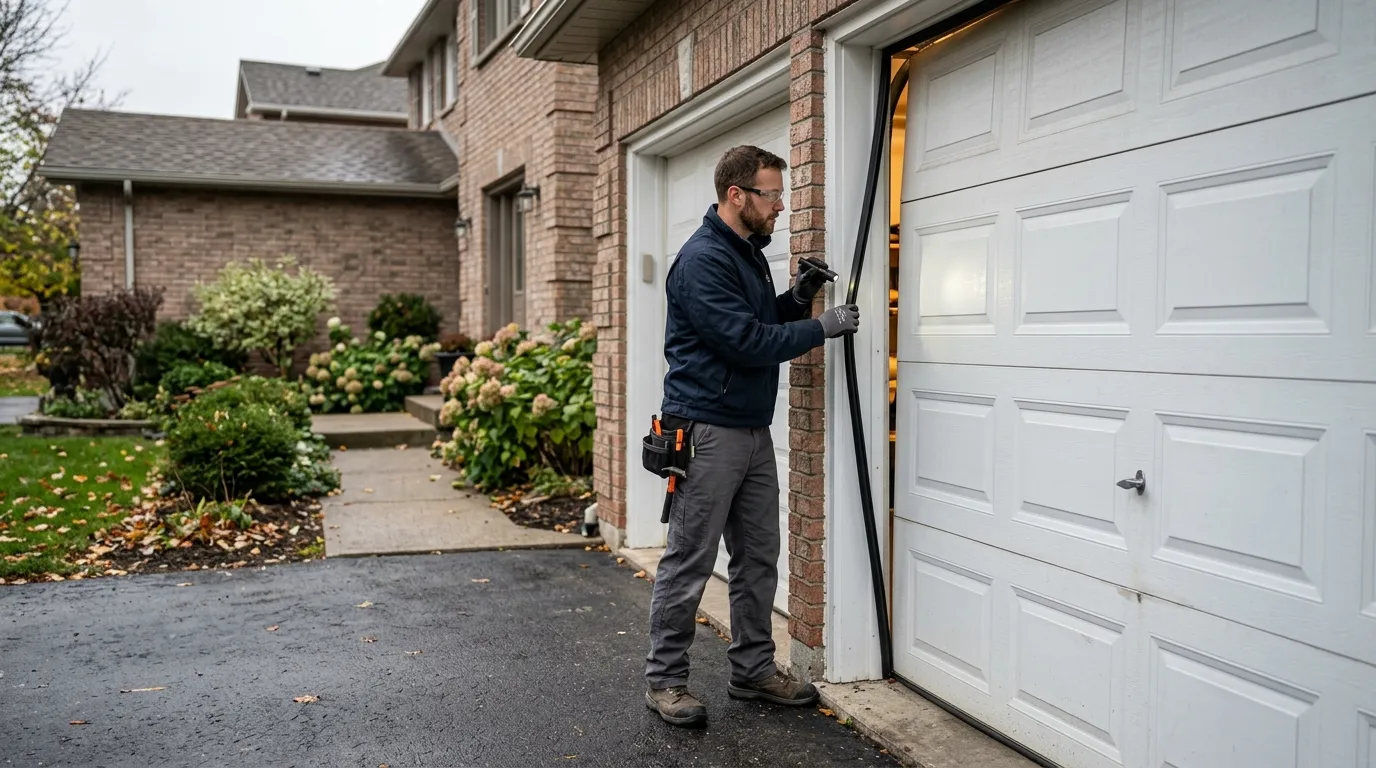
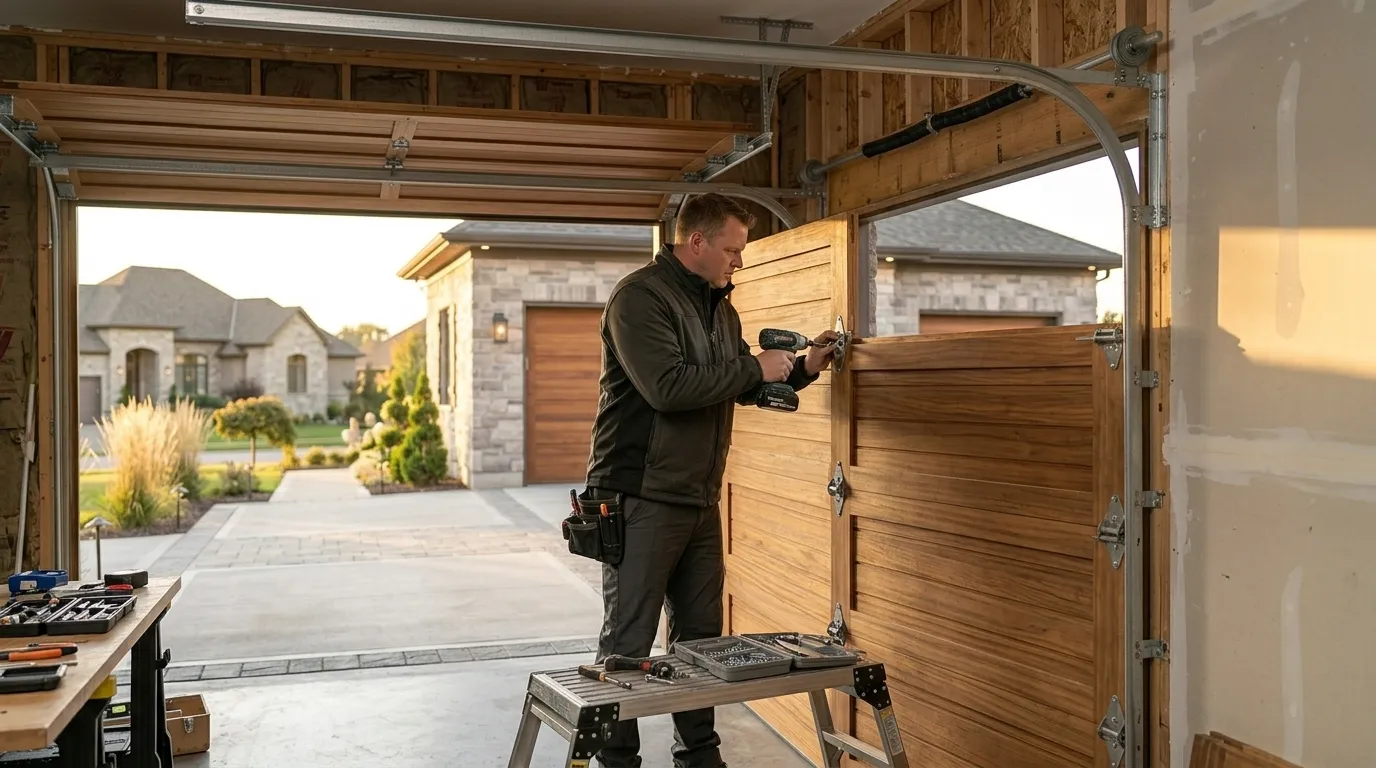
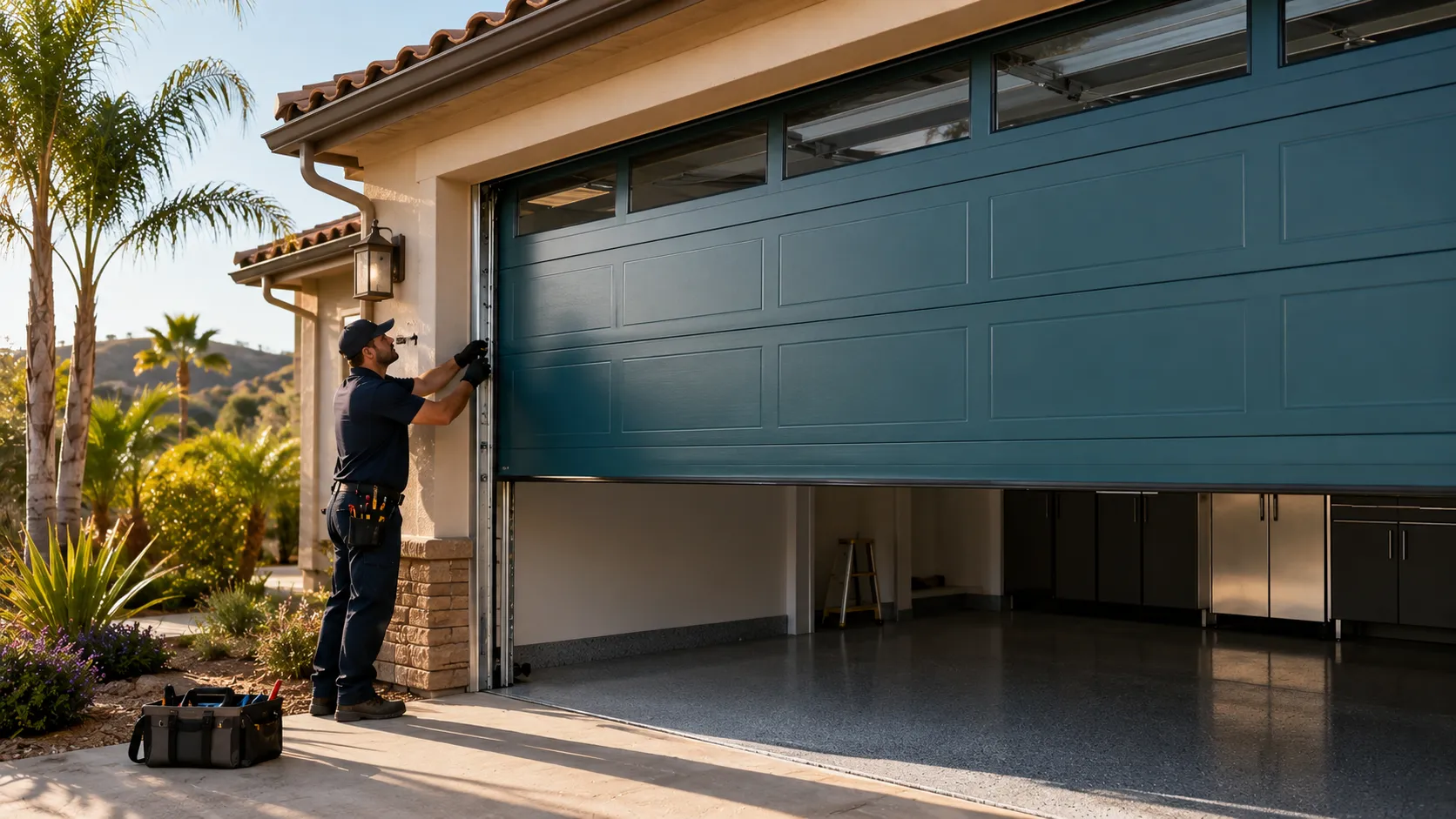
Given the 1967-to-1992 build wave that shaped this stretch of San Diego, the doors we see in Morena split into two groups: the original steel or wood-composite sectional doors from that era, and a second wave of replacements put in sometime in the last fifteen to twenty years once the first ones wore out. The originals usually run on narrow track with a single torsion spring centered over the header, which was standard hardware for that period and undersized by today's spring-life standards.
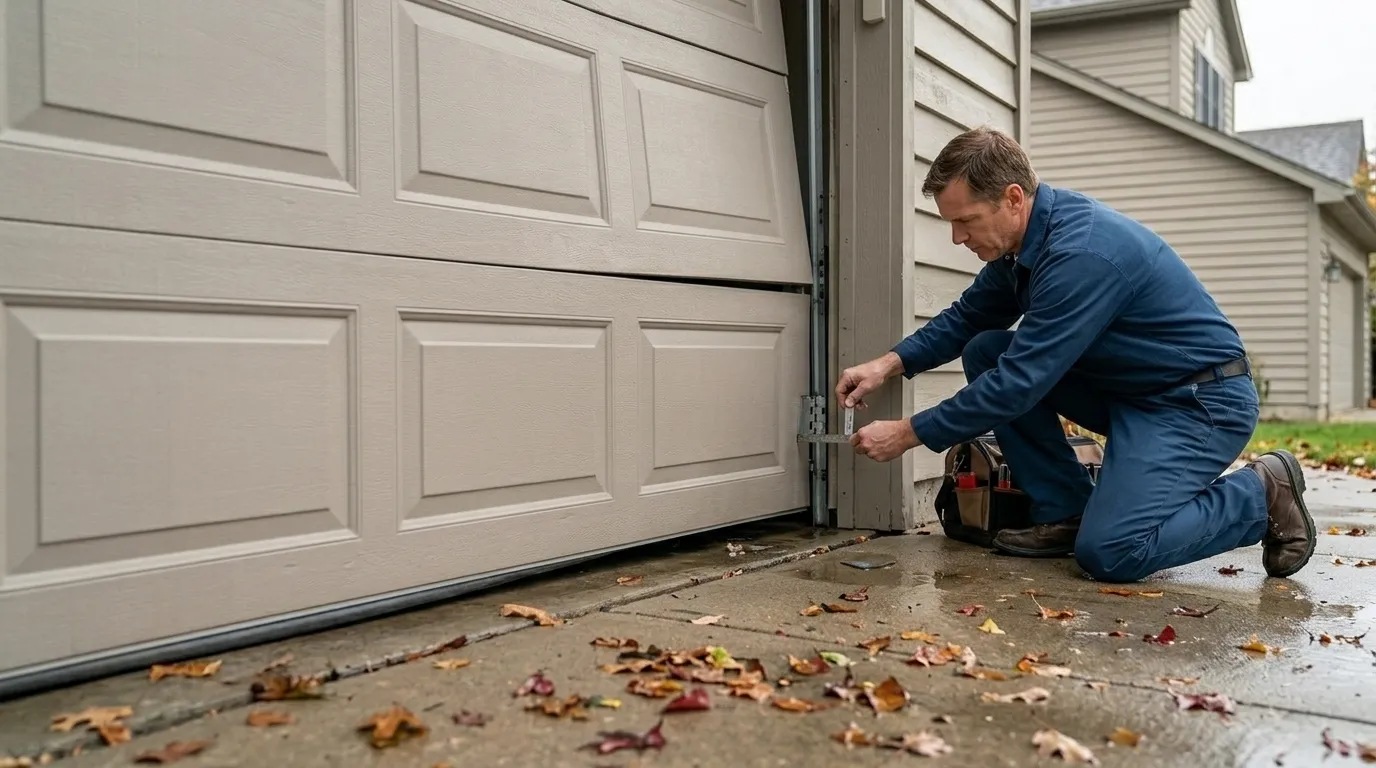
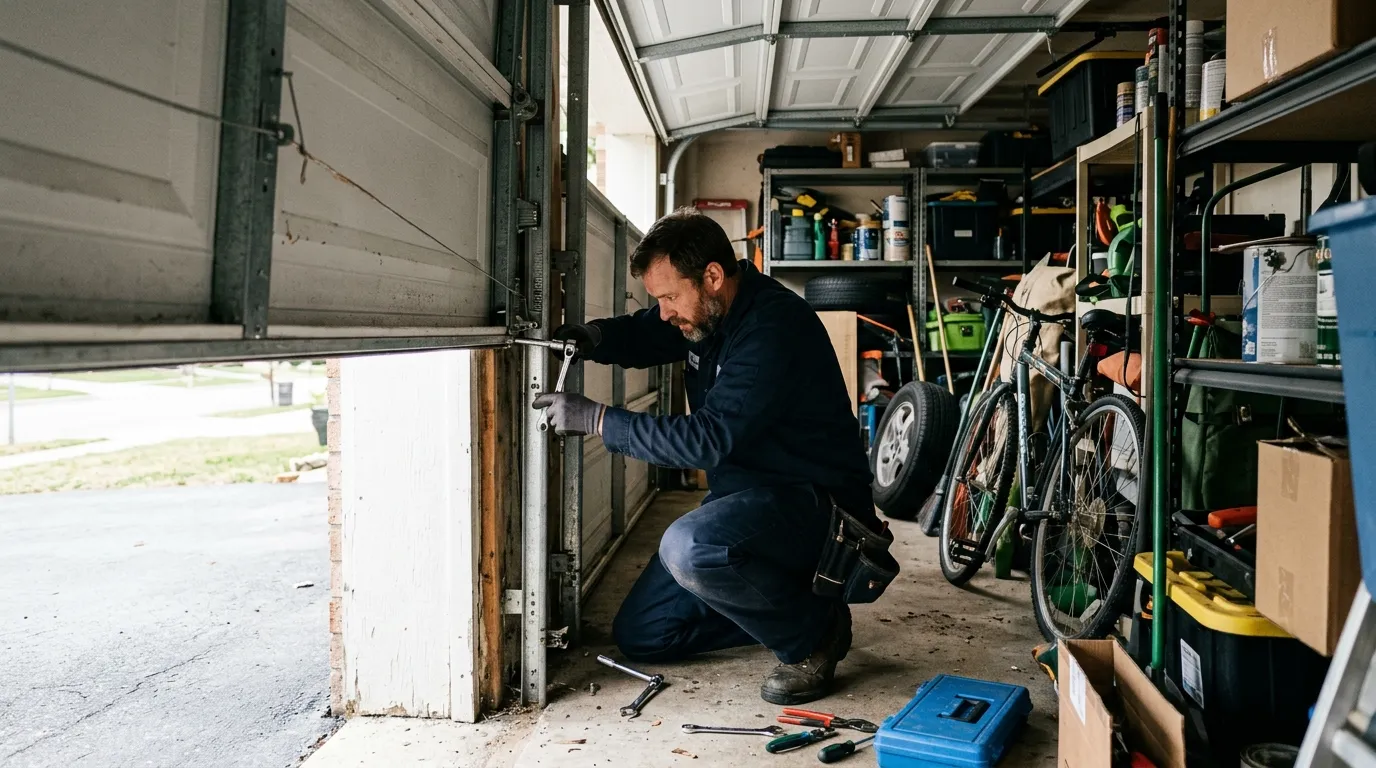
The mild, temperate climate this close to the coast means these doors mostly fail from age and cycling rather than weather. We don't see the corrosion damage or hail dents that show up in harsher climates - what we see is fatigue: springs that have simply run out of cycles, cables fraying at the drum from decades of the same wear point, and seals that have gone brittle and cracked rather than torn.
One limitation worth naming: if a door is original to a house built in the late 1960s or early 1970s, some of the hardware sizes and spring wind specs aren't things we stock on the truck, since almost nobody installs that gauge new anymore. Those jobs sometimes need a return trip once the part is in hand, rather than a same-visit fix.
Booking
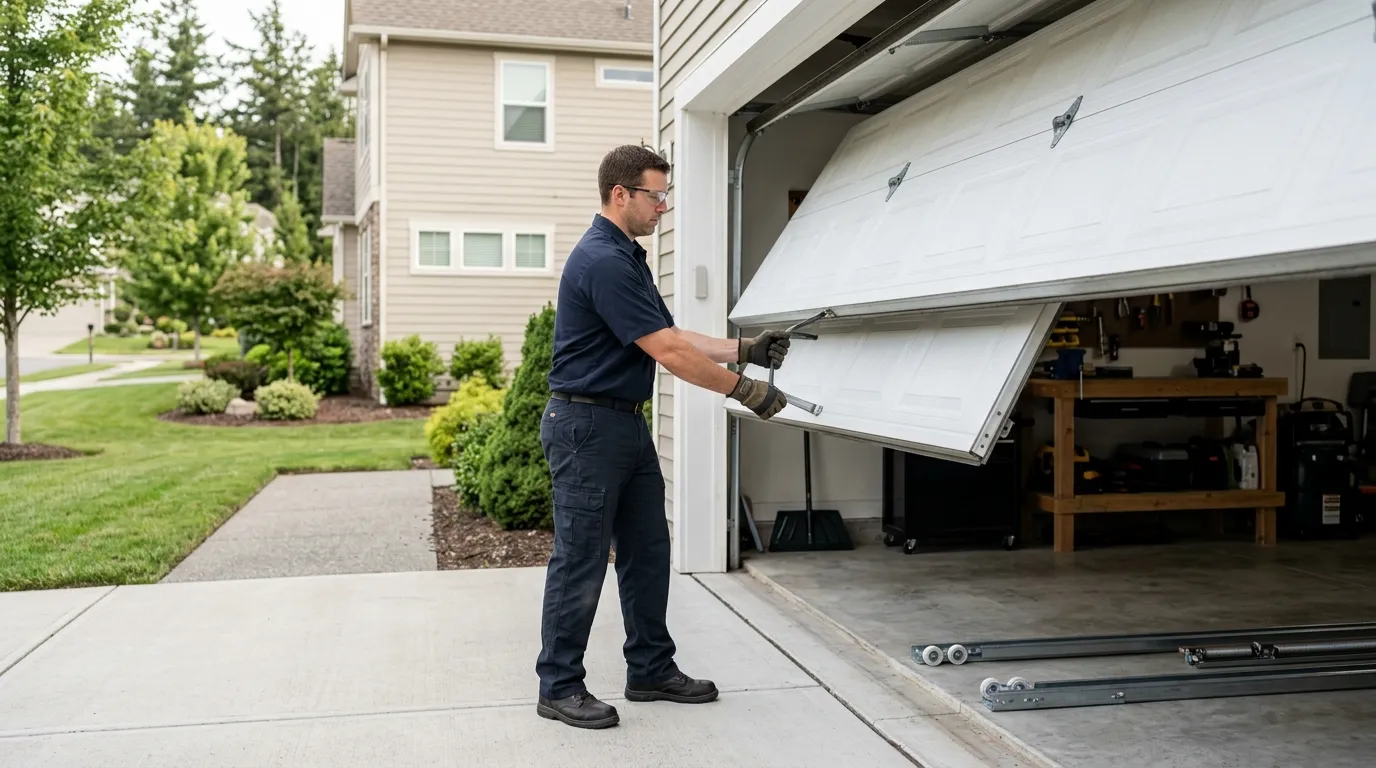
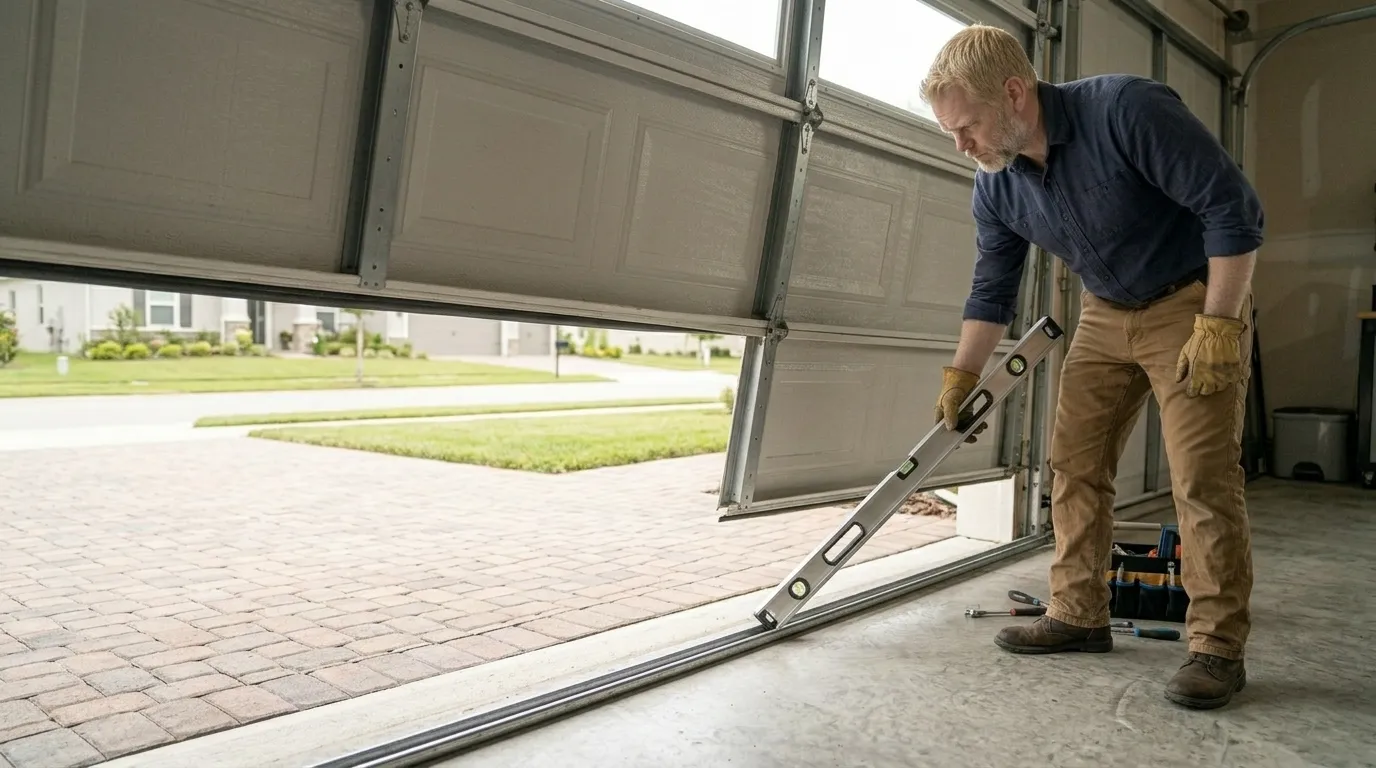
If you're in Morena and the door won't open, won't close, or is making a noise that sounds like something's about to give, call and describe what you're seeing - whether it's a bang followed by the door going dead, a slow sag on one side, or grinding when it moves. That tells us whether to bring spring stock sized for the older narrow-track doors common on this side of San Diego, or standard current hardware for a more recent replacement.
We work this stretch of the city along with the surrounding areas - Linda Vista, Bay Park, Clairemont Mesa West, Kearny Mesa, and out toward Serra Mesa and Tierrasanta - so getting to a Morena address isn't a special trip, it's a normal one on the route.
More information and a way to reach us is on our home page.