What the Doors Are Like
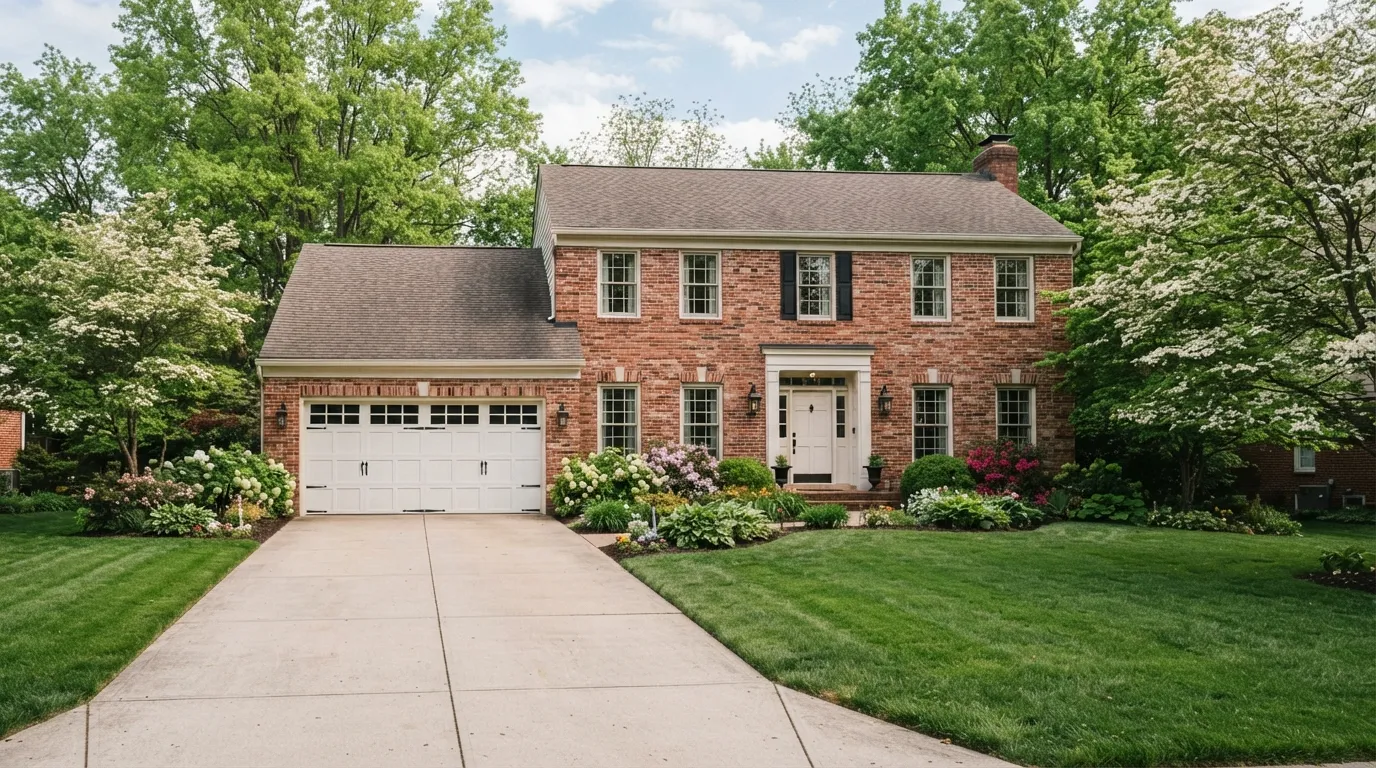
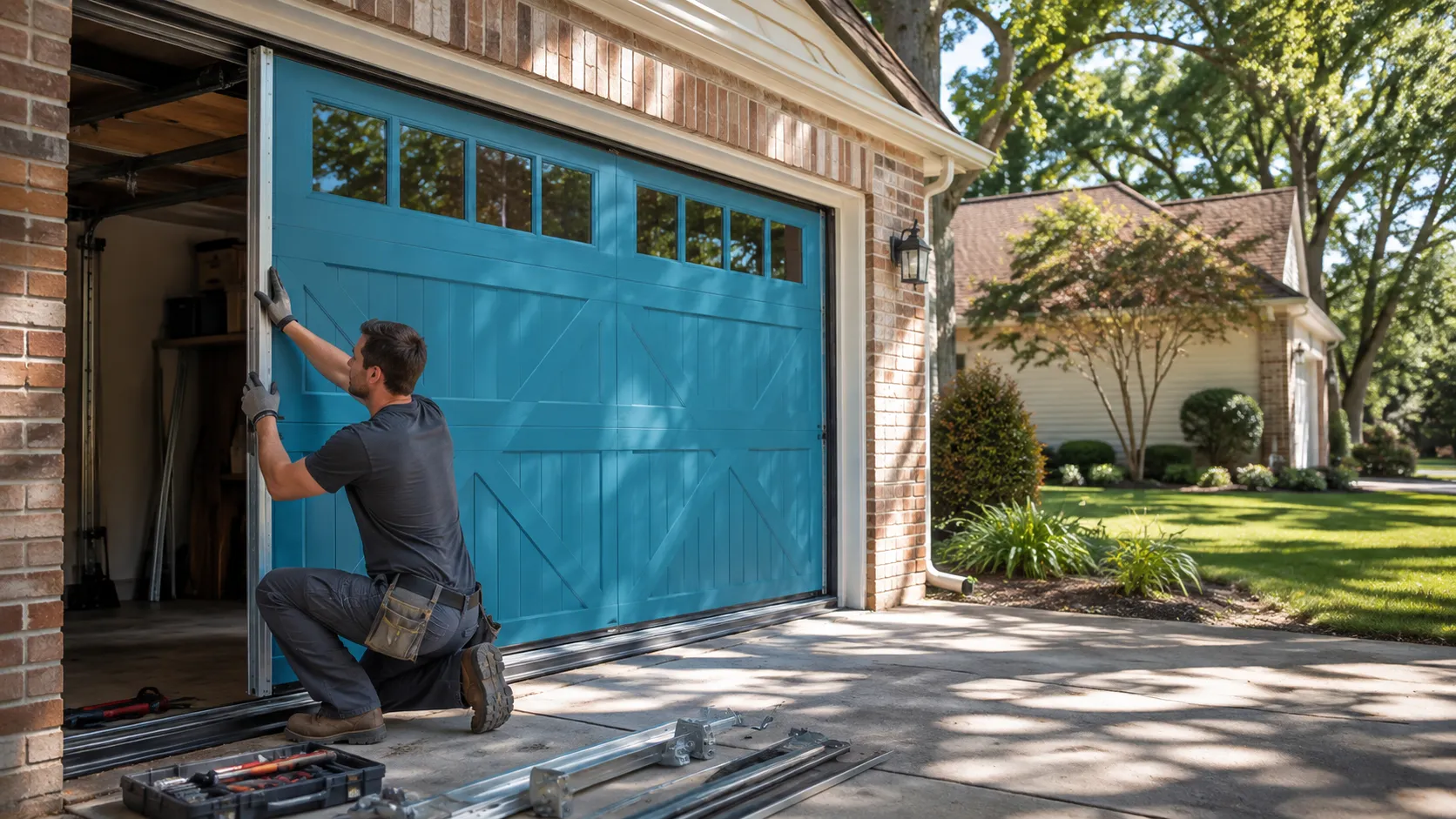
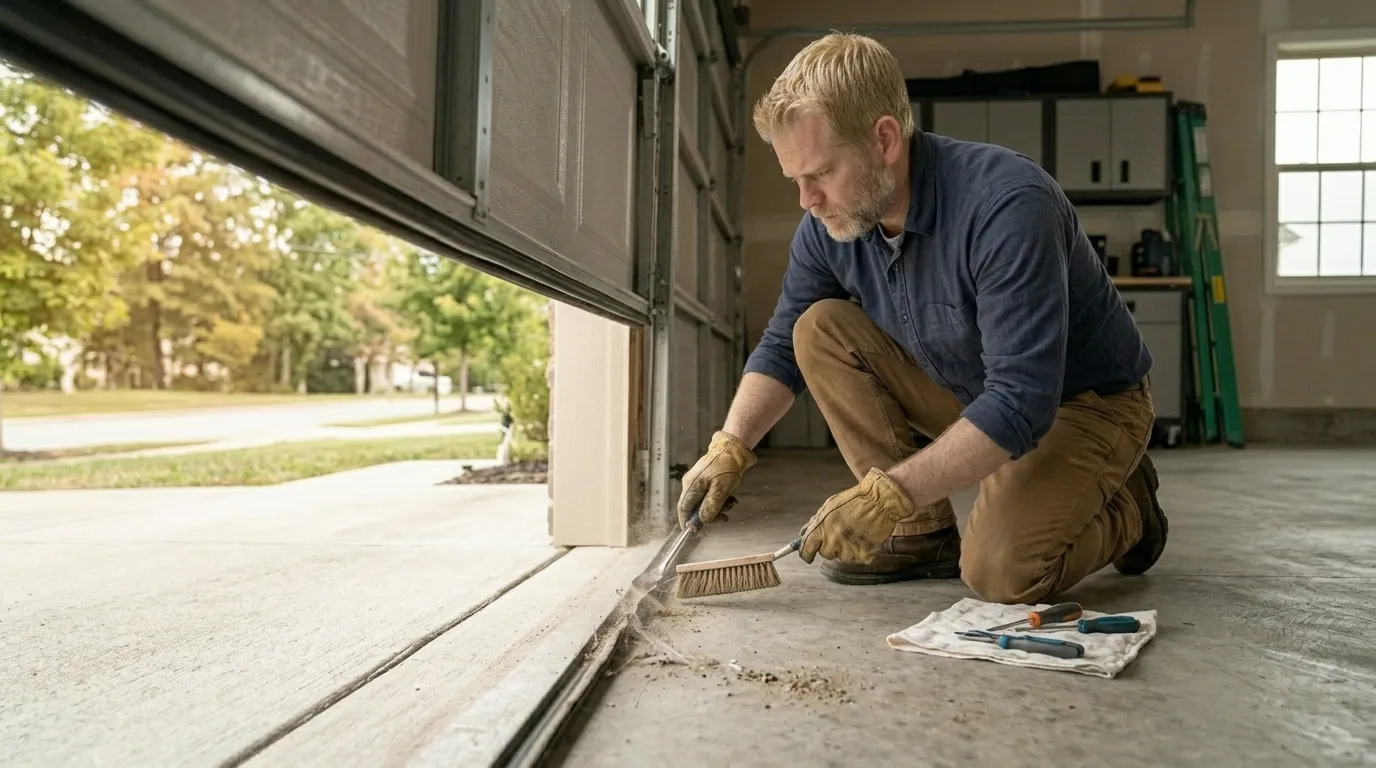
Across the neighborhoods we cover, the median home was built around 1975, and Mission Hills' single-family stock sits squarely inside that 1967-to-1992 window. That means original one-piece or sectional doors on side-mounted torsion hardware are still common, and parts for the oldest of them can be slower to source than for a door installed last year. The climate here is mild temperate - we're not dealing with freeze-thaw cracking or heavy snow load the way garages do in colder parts of the country - but salt air off the coast and the daily swing between morning cool and afternoon heat still dry out lubrication and stiffen springs faster than a sealed, climate-controlled space would. Across the service area, 48,883 of the 136,422 households are owner-occupied houses, the property type that actually has a garage door to maintain, versus renters in condos and apartments who usually aren't the ones calling us. With a median household income of $118,431 across that same area, full replacement is often a realistic option here, not just a repair patch, which changes the conversation when a door is past the point of being worth fixing.
Booking
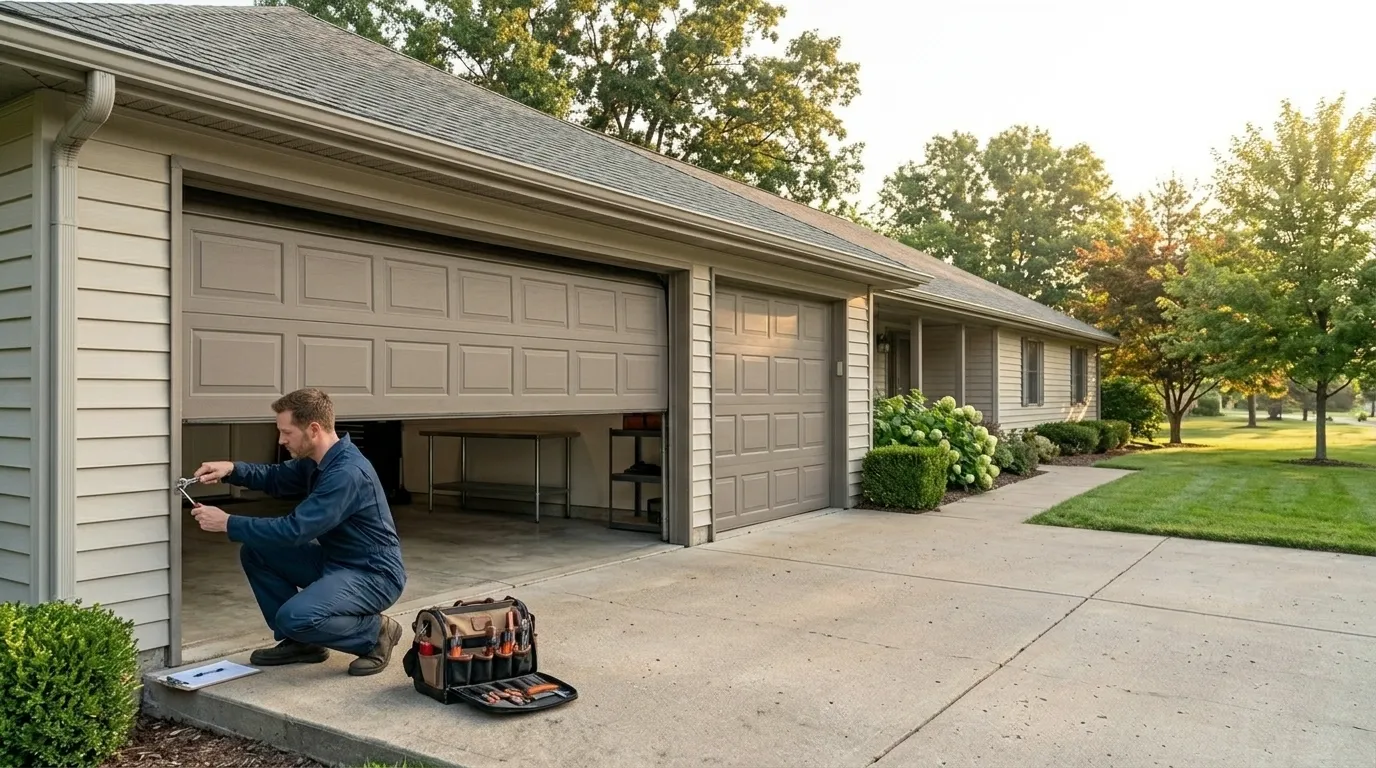
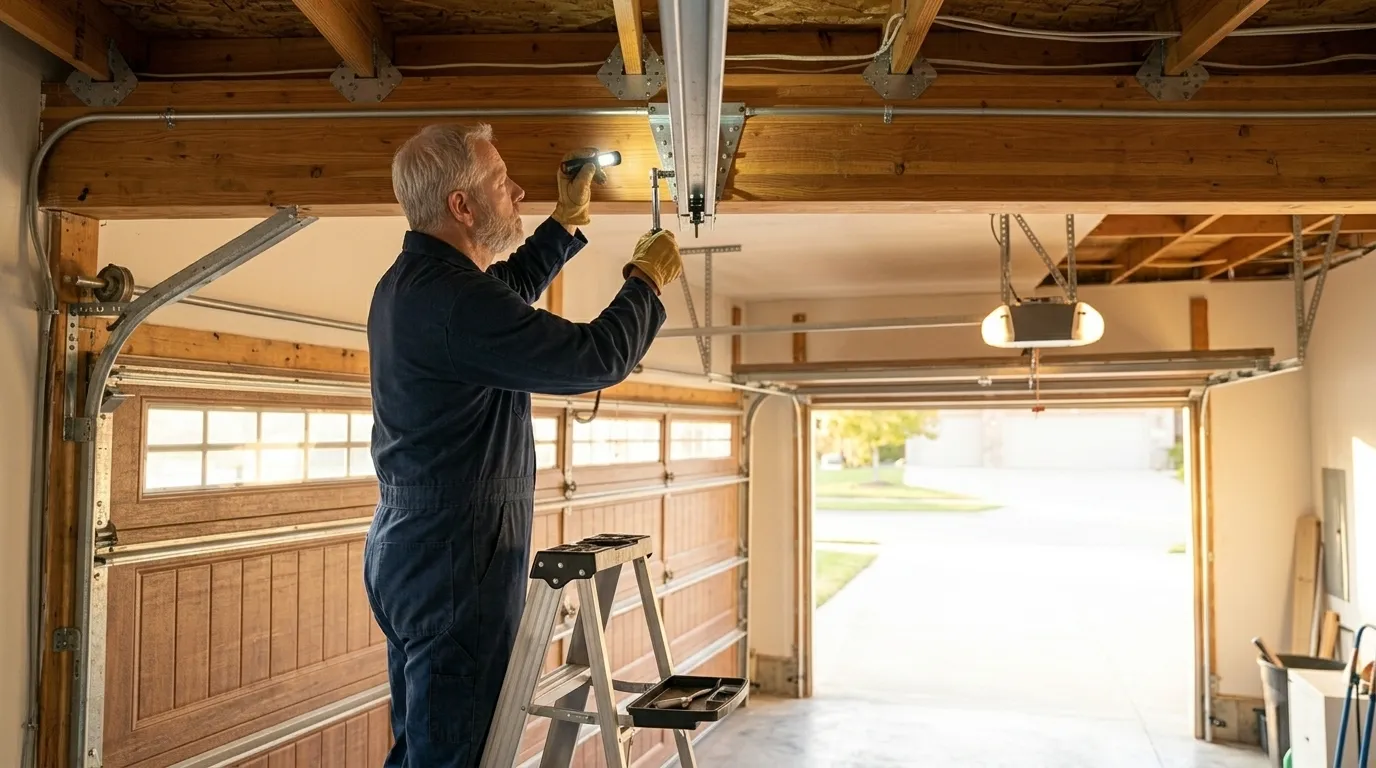
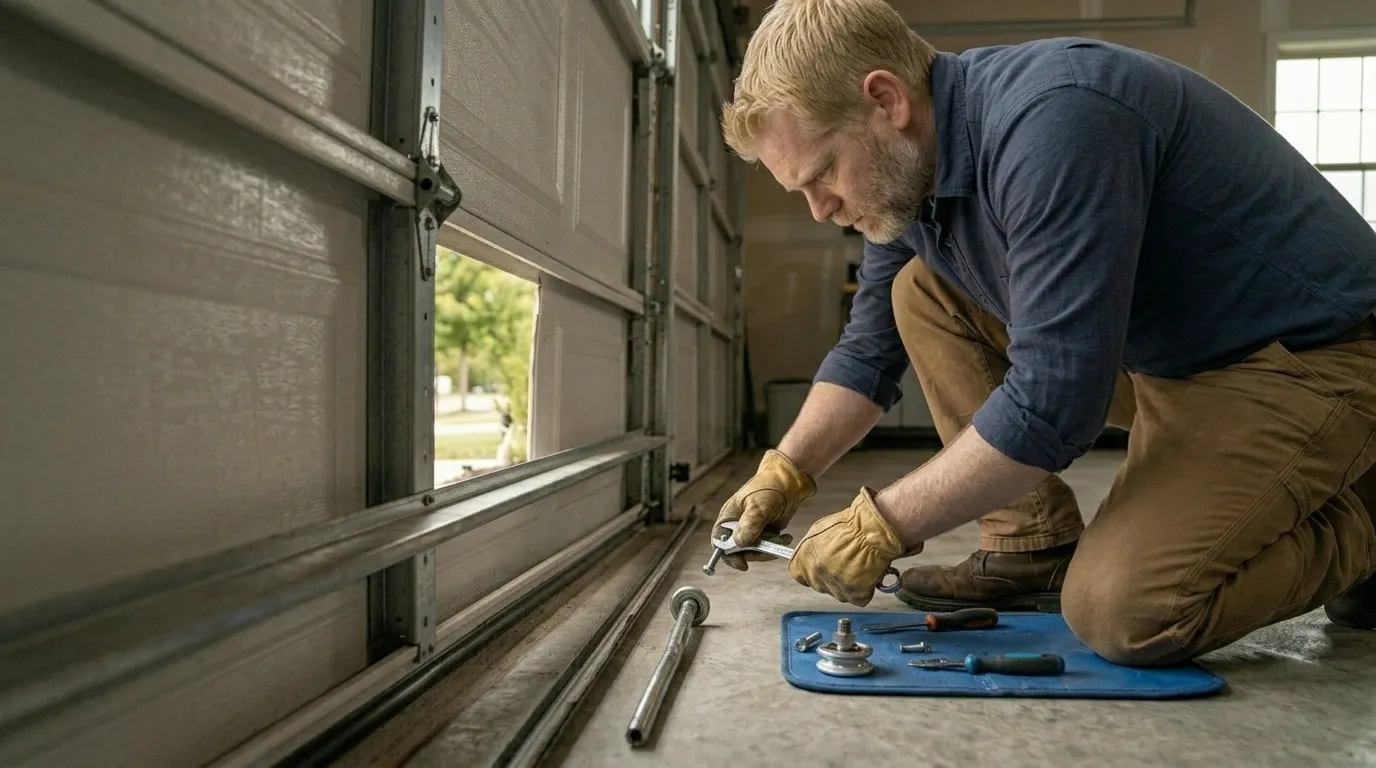
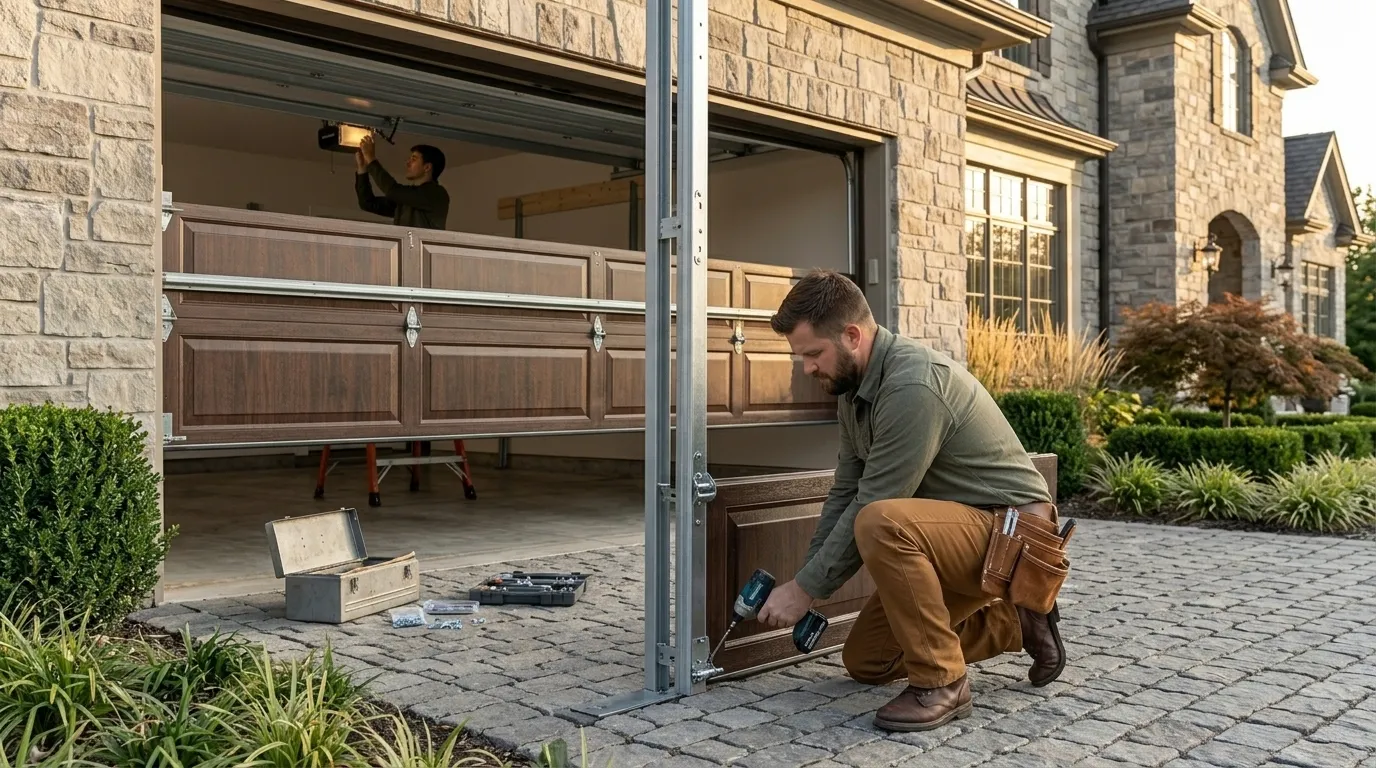
Mission Hills sits about 5 miles southwest of the center of our San Diego service area, close enough that a truck can usually get to you the same day or the next one without the drive time that pads quotes for farther-out calls. Booking is simple: tell us what the door is doing - won't open, stuck halfway, making a bang when it moves - and we'll get a rough sense of whether it's a spring, cable, opener, or track problem before anyone shows up. One honest limitation: if you're after a custom or architectural door rather than a standard sectional, that's a special order and the lead time is out of our hands once it leaves the manufacturer. For the common failures - broken springs, worn rollers, bent tracks, dead openers - we carry what we need on the truck and can usually close the job in one visit.