Serving La Presa's 1970s tract homes 10 miles from San Diego. We know the torsion hardware and steel doors that came standard on this era of construction.
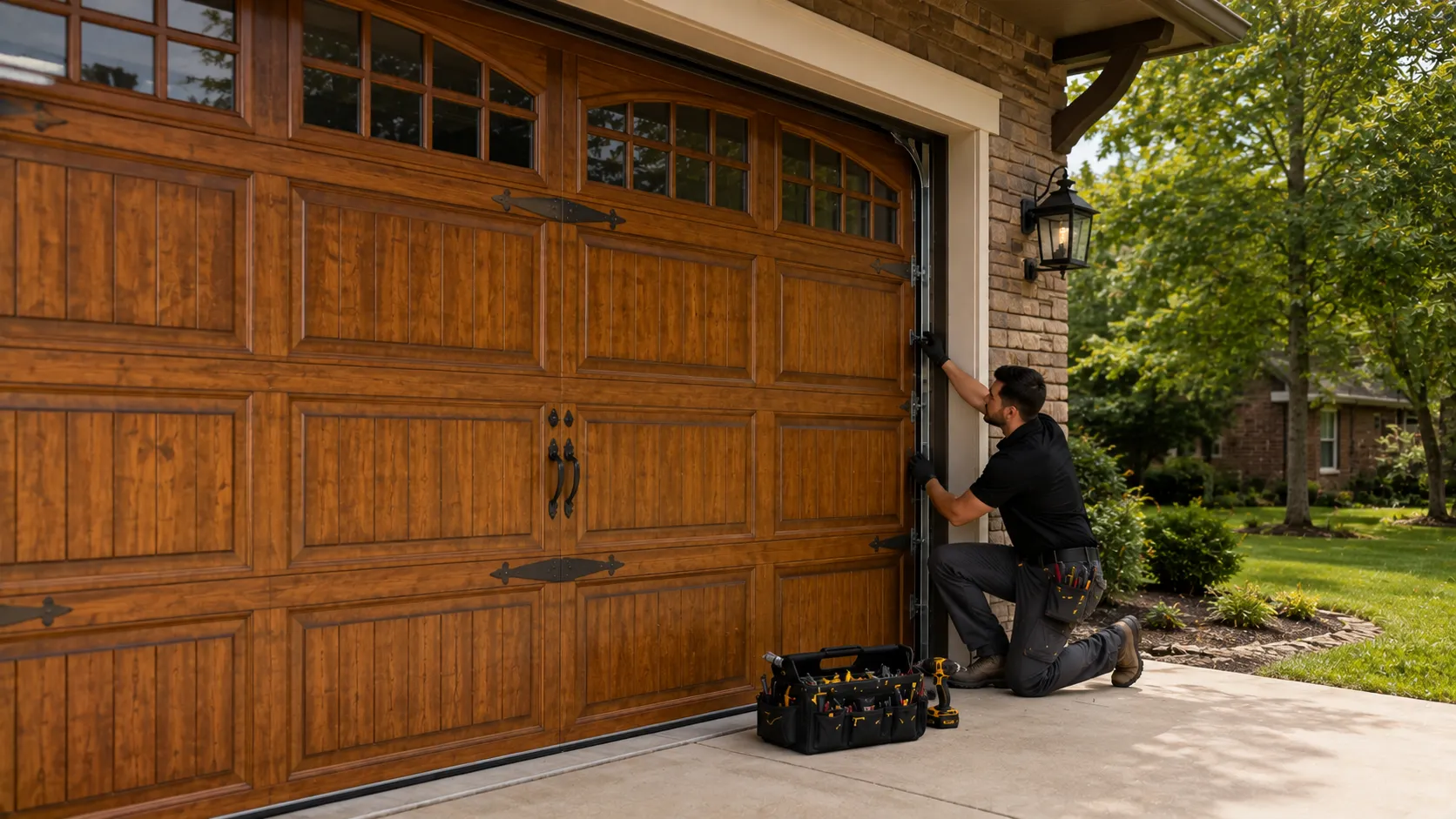
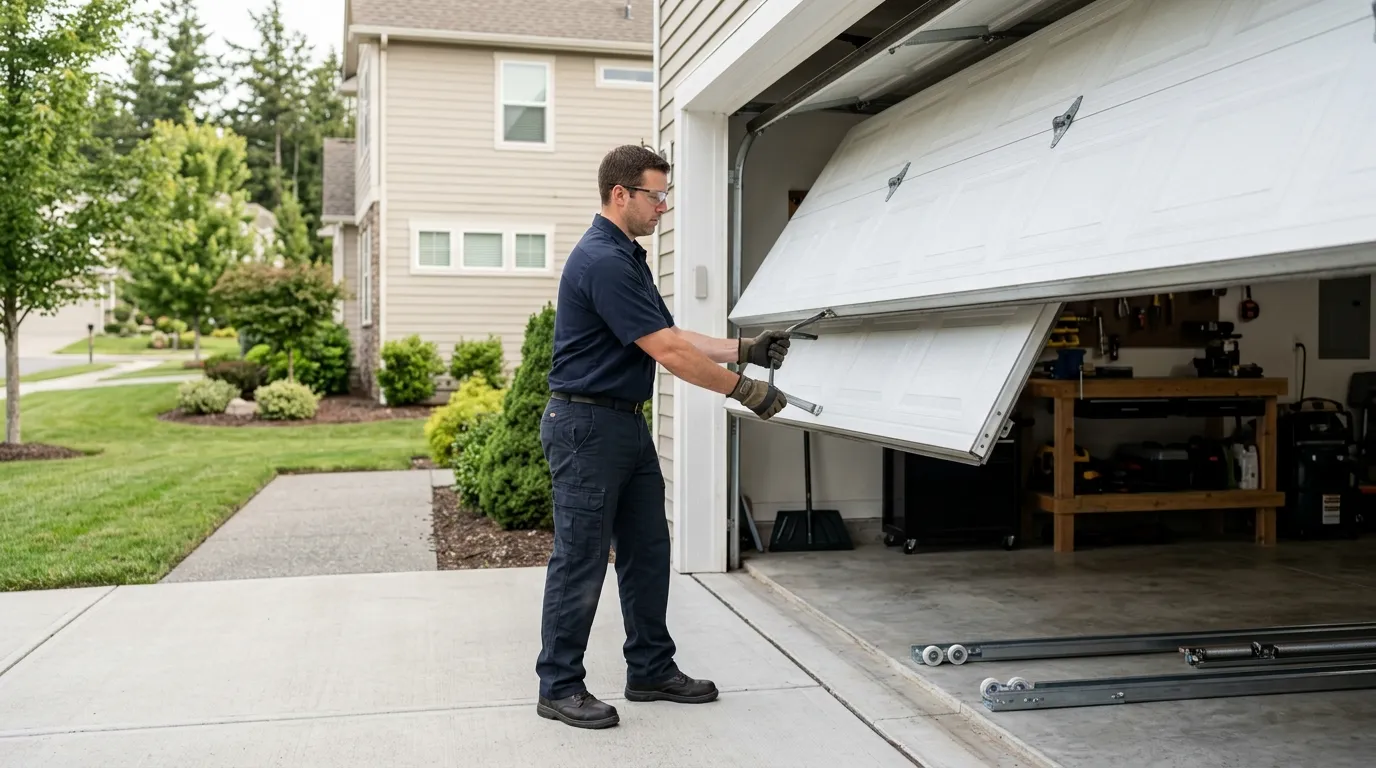
La Presa's houses mostly went up in the 1970s, right in line with the 1967-1992 build window and 1975 median year that covers this whole side of the county. That era means steel sectional doors on torsion springs bolted to a header board, not the older wood tilt-up doors you find in pre-war neighborhoods. The openers, if original, are chain-drive units that have usually been swapped out once or twice by now, but the track and spring hardware often dates back to the original build. On a 1975 door, that's roughly fifty years on the same torsion spring - well past the wind-cycle life most springs are rated for, even ones that look fine from the driveway. We see a lot of stretched cables and worn end bearings on this stock, because the hardware was built to a 1970s standard, not a modern one. If your door still has the manufacturer sticker from that decade, plan on replacing the spring assembly rather than patching it - the steel fatigues whether or not the door gets used daily.
The Drive Over
La Presa sits about 10 miles from our San Diego base, and we don't keep a truck stationed out here - every job means a drive in from the shop. That's worth knowing up front: we're not a local outfit with a yard around the corner, we're a San Diego company that covers this area as part of a wider route. Nearby stops on that route include Lemon Grove and Casa de Oro-Mount Helix, both a short distance off, and National City sits at roughly the same 10-mile mark. We mention the distance because it's the honest answer to 'how fast can you get here' - it's a real drive, not a five-minute hop, and we'd rather tell you that than promise a window we can't hold to reliably.
This Area's Housing
Households in La Presa run around 11,155, smaller than the sprawling multi-neighborhood count across the wider service area, which tells you this is a tighter, more uniform pocket of construction rather than a mix of eras stacked on top of each other. Median household income here sits near $88,479 - below the $118,431 seen across the broader area - and that number matters for the kind of repair advice that makes sense. On a door this age, a full replacement isn't always the right call just because it's available; a spring and cable job on solid original hardware can carry a door another decade for a fraction of the cost. We try to make that call honestly rather than defaulting to the bigger ticket. The climate here is the mild temperate band typical of this part of San Diego County, so we're not fighting deep freeze or heavy humidity swings - the wear here is mechanical fatigue and age, not weather damage.
When We Can Get There
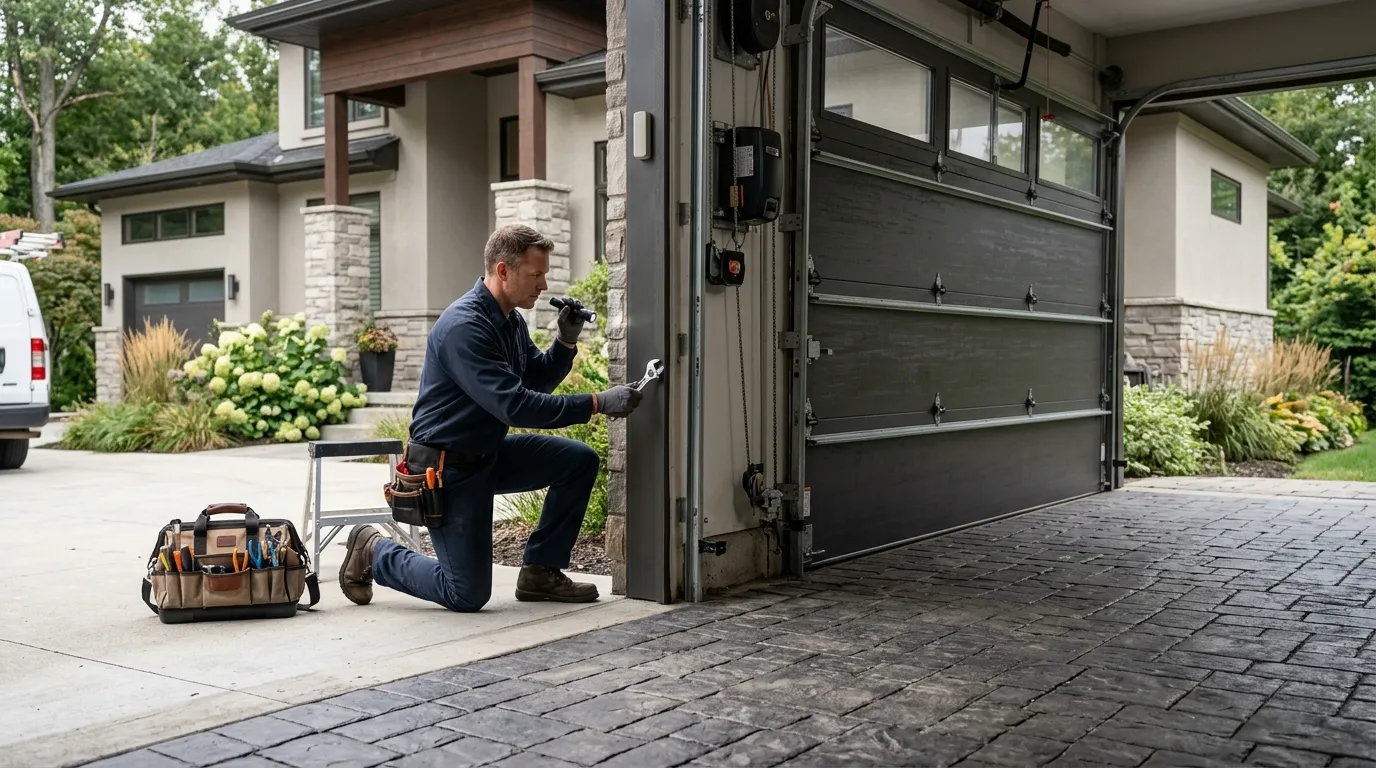
We don't run a crew stationed in La Presa, so we can't promise a same-hour arrival the way a shop with a local yard might. What we can do is fold your call into the day's route from San Diego, and we'll give you a real window before we leave rather than a vague 'sometime today.' If your spring lets go on a Friday afternoon, say so - we'll tell you straight whether we can make it out before the weekend or whether Monday is the honest answer. One limitation worth naming: certain opener parts and some older torsion spring sizes aren't things we carry on every truck, and if your door needs an odd-length spring from the 1970s catalog, that can mean a short parts wait rather than a same-visit fix.
How it works
From “it’s stuck” to “it’s fixed”
1
Tell us what’s wrong
Describe the symptom - won’t open, loud bang, opener runs but the door won’t move.
2
On-site diagnosis
A technician tests the door under power and by hand and finds what actually failed.
3
Clear, up-front plan
You get the fix that’s needed and what drives the cost - before any work starts.
4
Repaired & tested
The repair is done, the door is set true and tested, and the work area left clean.
Serving San Diego, CA - tell us what your door’s doing and we’ll take it from there.
No. We're based in San Diego and drive out to La Presa as part of our regular coverage area, about 10 miles from the shop. We don't keep a truck stationed locally, so we schedule the visit as part of the day's route rather than promising an immediate arrival.
Why do doors from the 1970s fail more often around here?
Most La Presa homes were built around 1975, and a lot of them still run original torsion springs and hardware from that build. Steel spring wire fatigues with wind cycles over decades regardless of how often the door gets used, so age alone is often the real cause of a sudden snap.
Should I replace the whole door or just fix the spring?
On a door with a solid frame and intact track, a spring and cable repair is usually the cheaper, sensible move even at fifty years old. Full replacement makes more sense when the panels are dented, the track is bent, or the opener is failing alongside the spring - we'll tell you which situation you're in before recommending either.
Do you carry parts for older 1970s-era torsion springs?
Not always on the truck. Some odd spring lengths and older opener parts from that era aren't standard stock, and that can mean a short wait to source the right part rather than a fix on the first visit. We'll let you know at the time of the call.
Ready to get your garage door sorted?
Tell us what it’s doing and where you are in San Diego - we’ll take it from there.