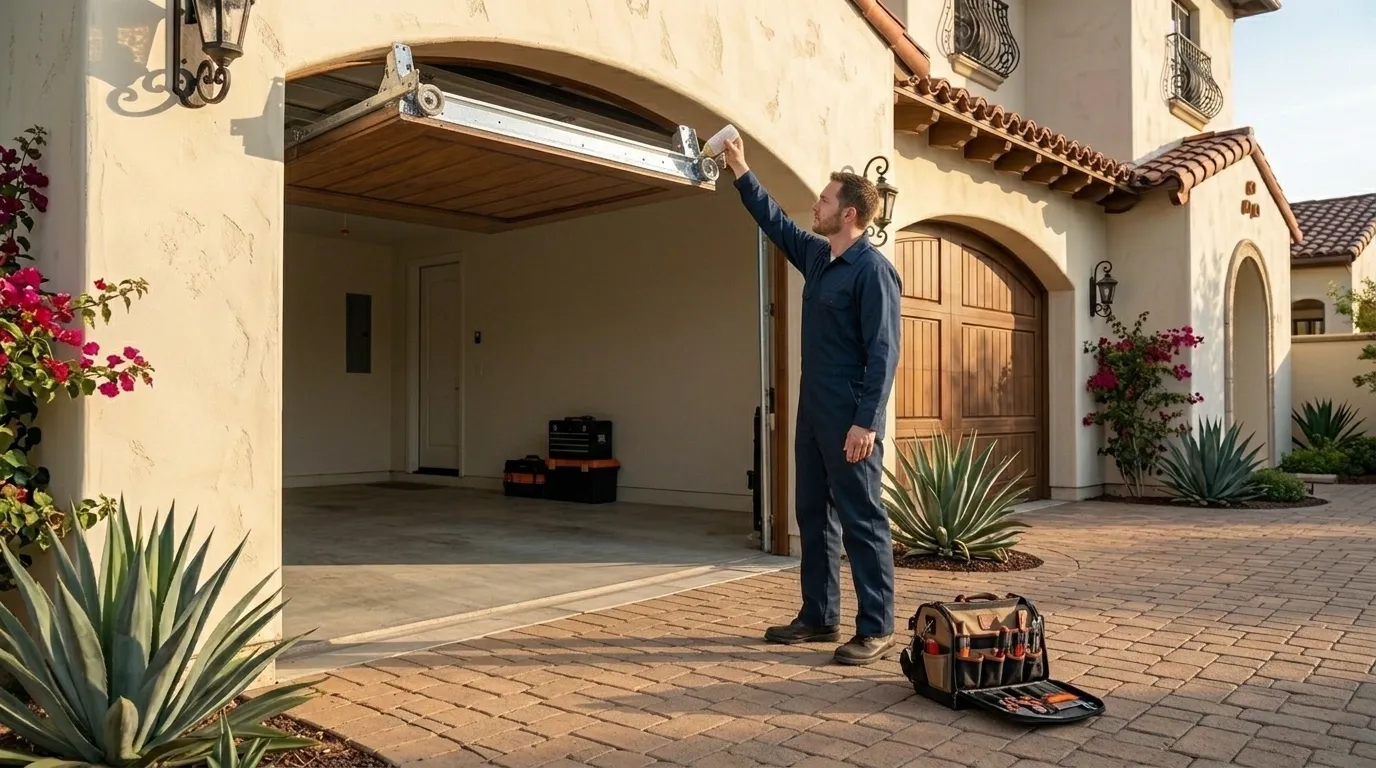
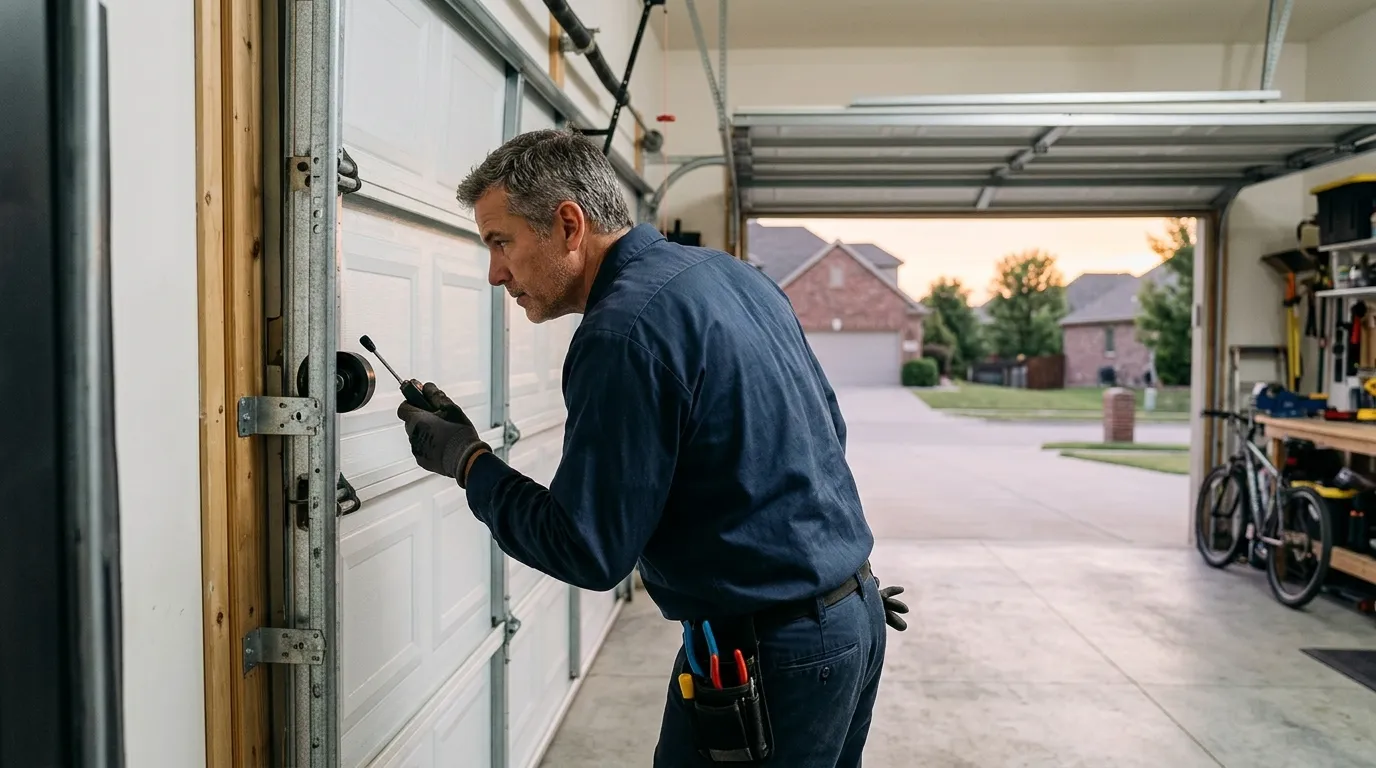
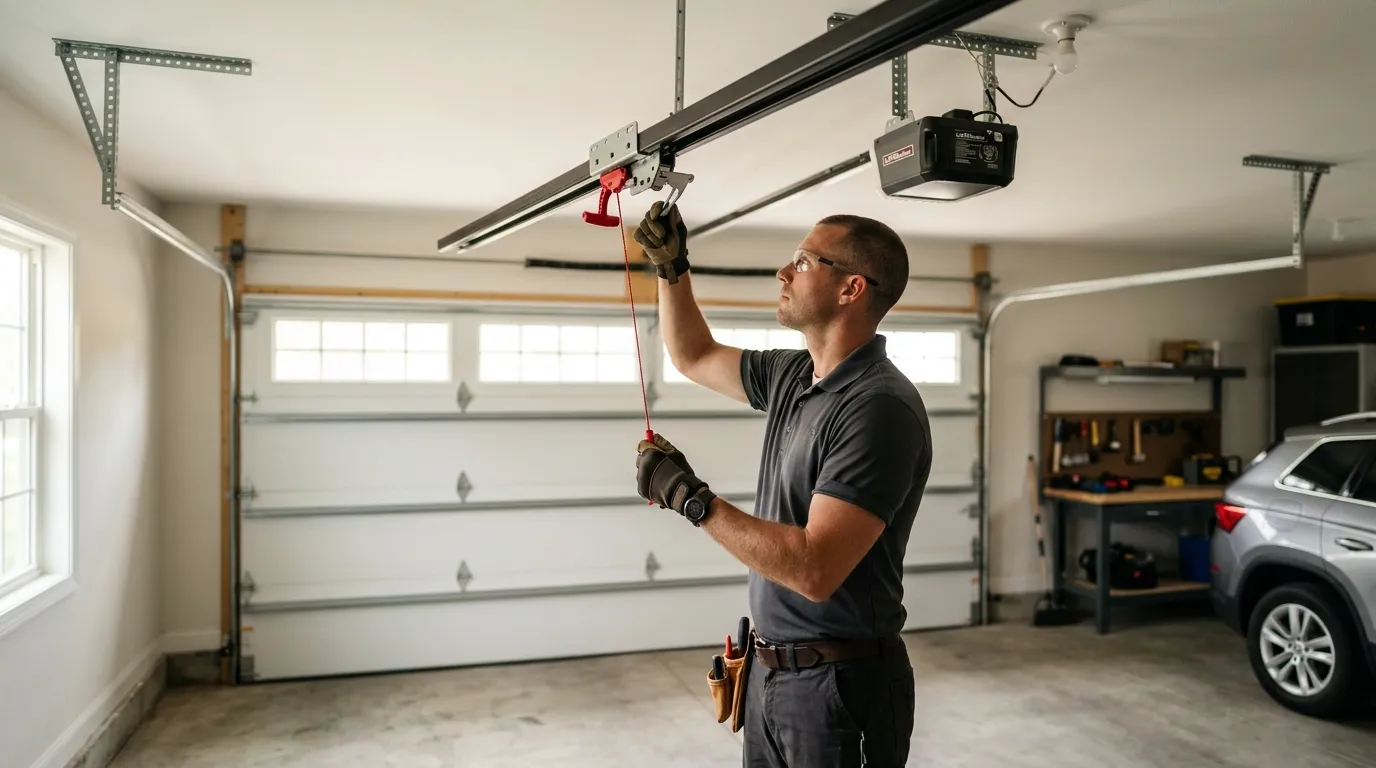
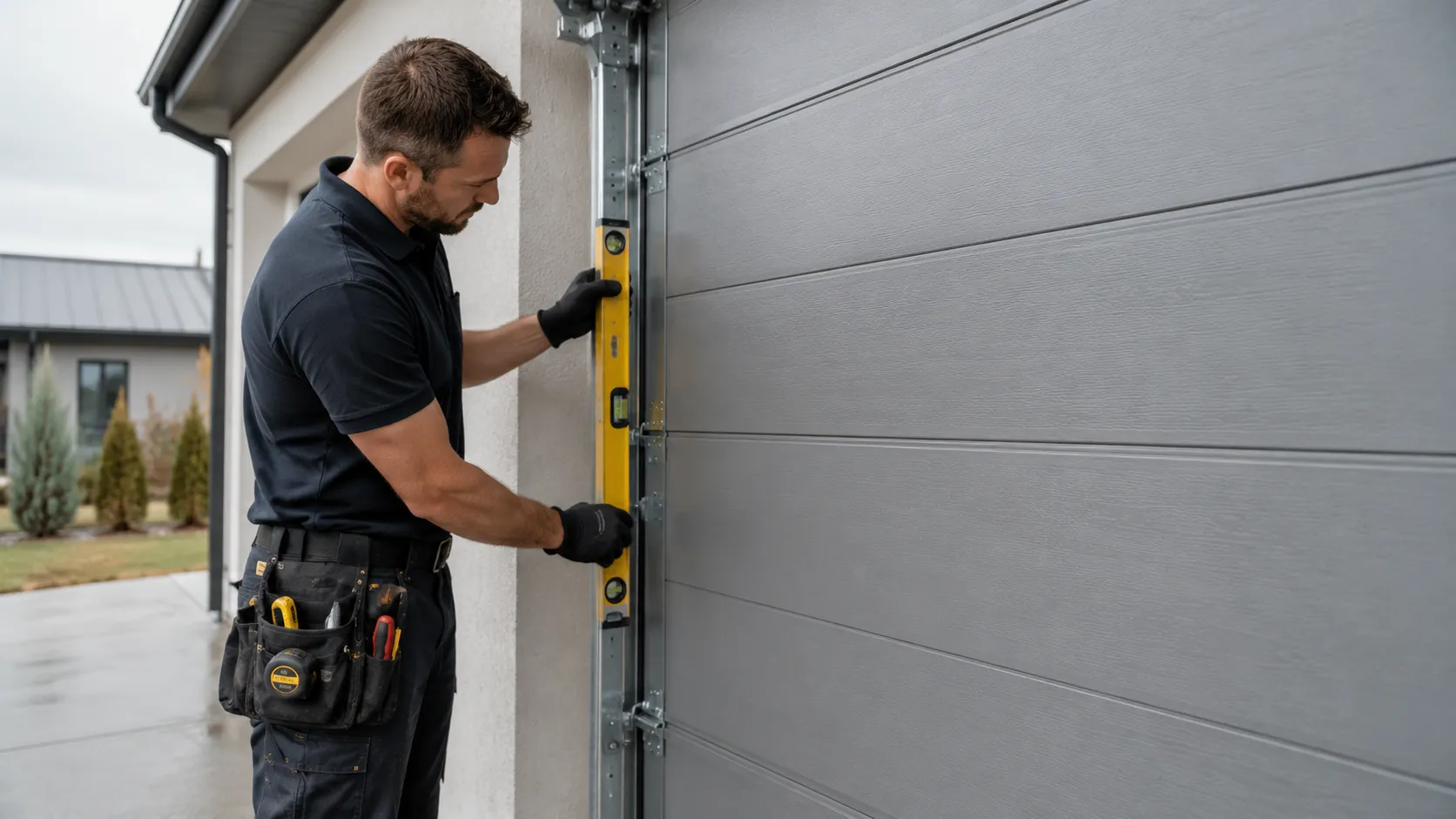
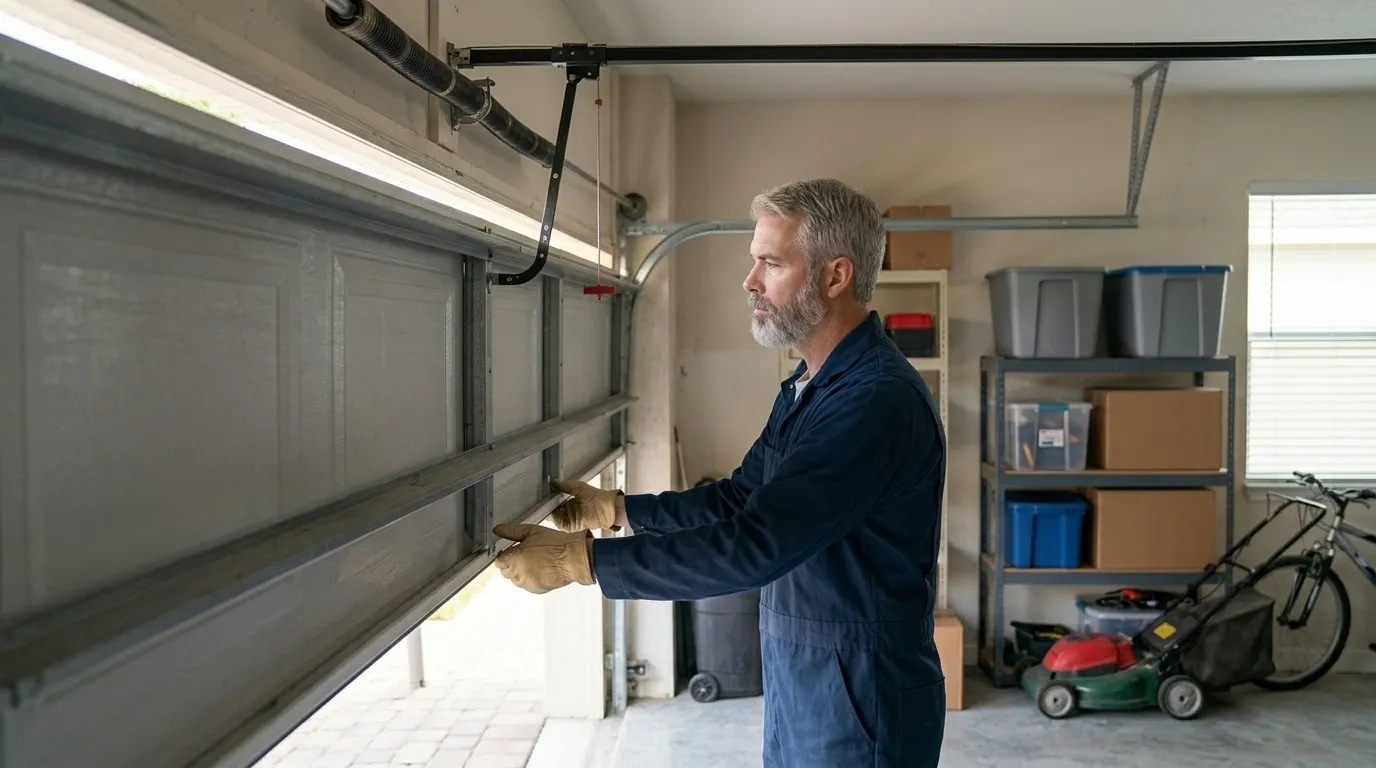
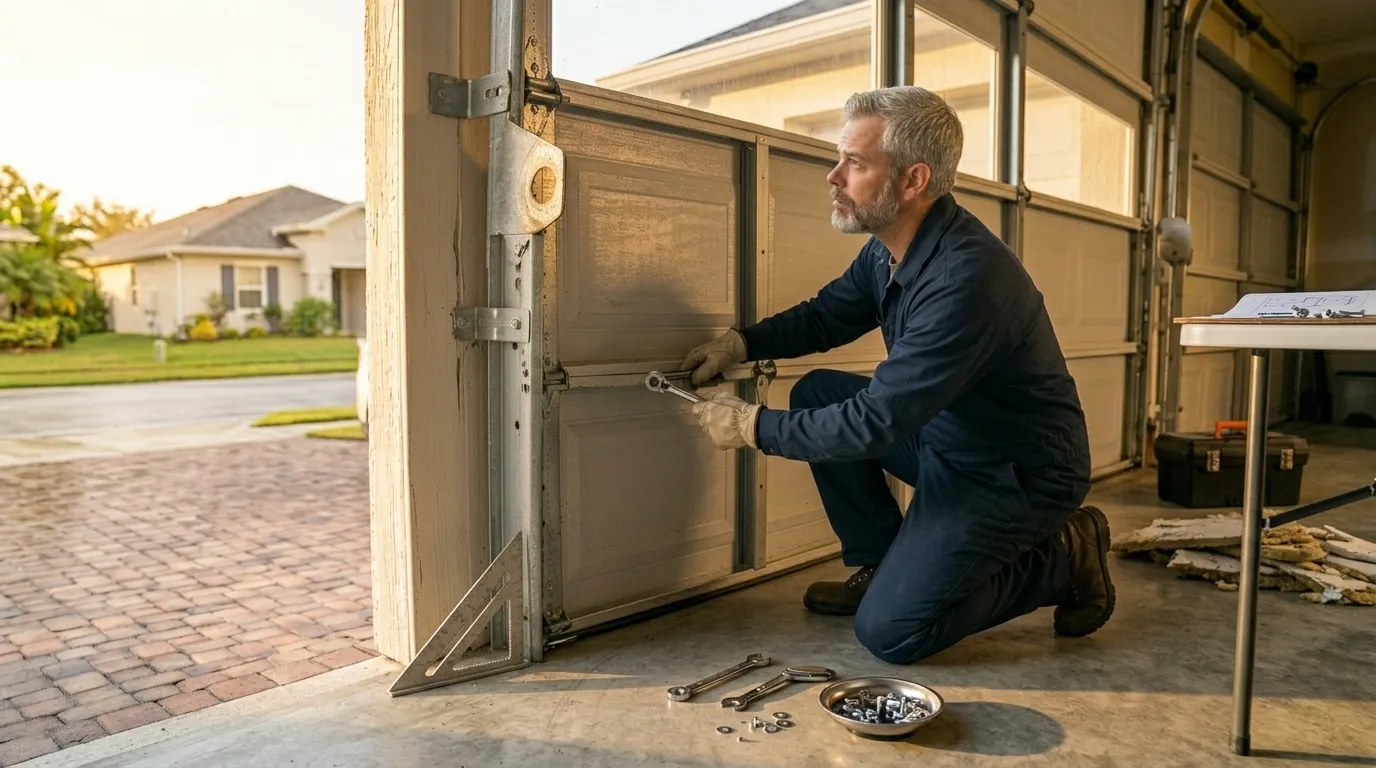
La Mesa's housing stock centers on 1970, a few years earlier than the wider service area's 1975 median. That gap matters more than it sounds like it should. Doors and openers installed in the early-to-mid 1970s are further into their second or third hardware life than newer stock nearby, and a lot of them were never upgraded past their original torsion springs and single-point locks. We see more end-bearing plates showing wear, more short-length torsion springs sized for lighter doors, and more owners surprised that a part their neighbor in a newer area never thinks about is the exact part failing on theirs. If your house dates to around 1970, the door hardware is probably original or one replacement removed from original, and that changes what a repair call actually finds when we open the panel. A door that's fine on the outside can still be running on a spring rated for a load that's been recalculated twice since it went in. We don't assume; we check the spring stamp and the plate before quoting anything.
The Drive Over
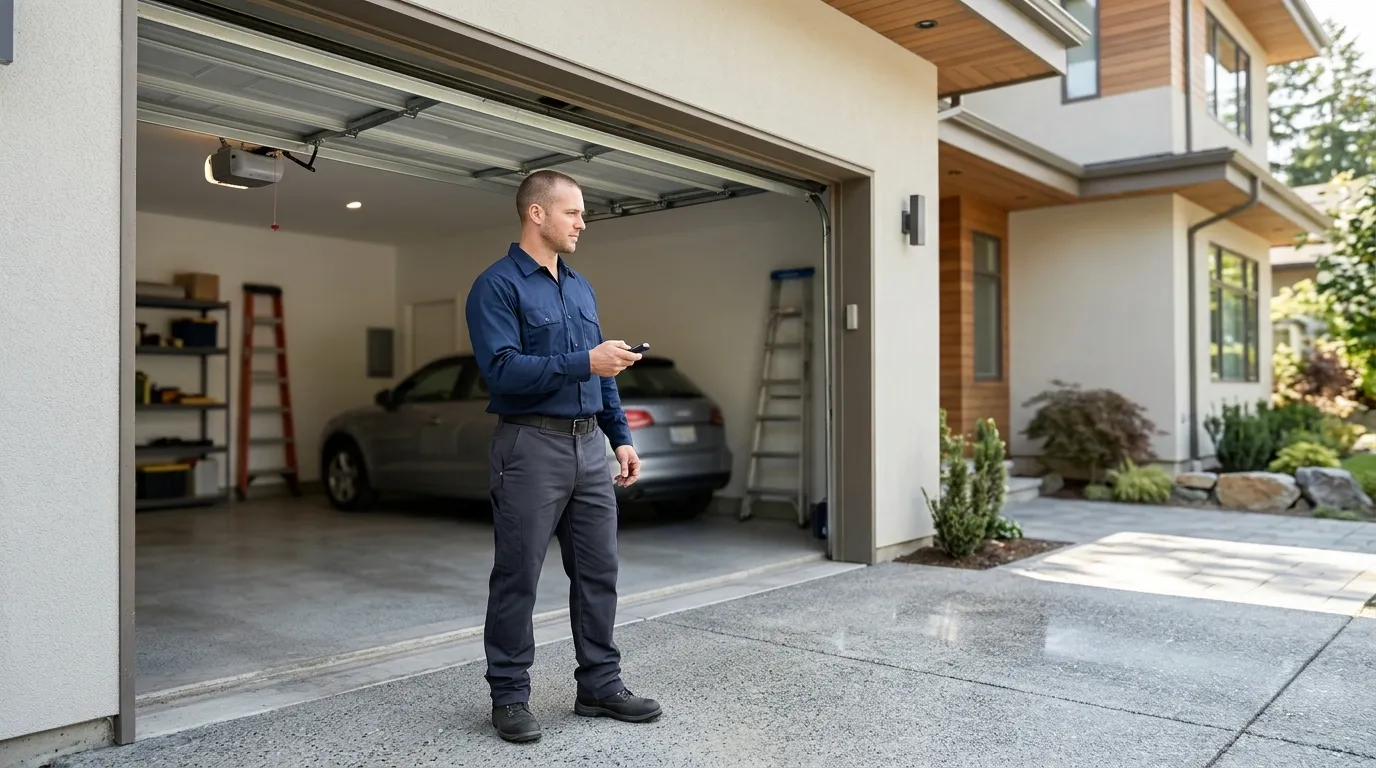
La Mesa sits about 7 miles from San Diego, which puts it well inside our regular travel radius. It's not a special trip and it's not an afterthought either - it's a normal part of the day's route. We don't run a depot in La Mesa itself, so every job here is a truck coming from San Diego, same as it would be for any stop in that direction. That's worth saying plainly: we're not the closest company on paper, but the drive is short enough that it doesn't change how a job gets handled once we're in your driveway.
This Area's Housing
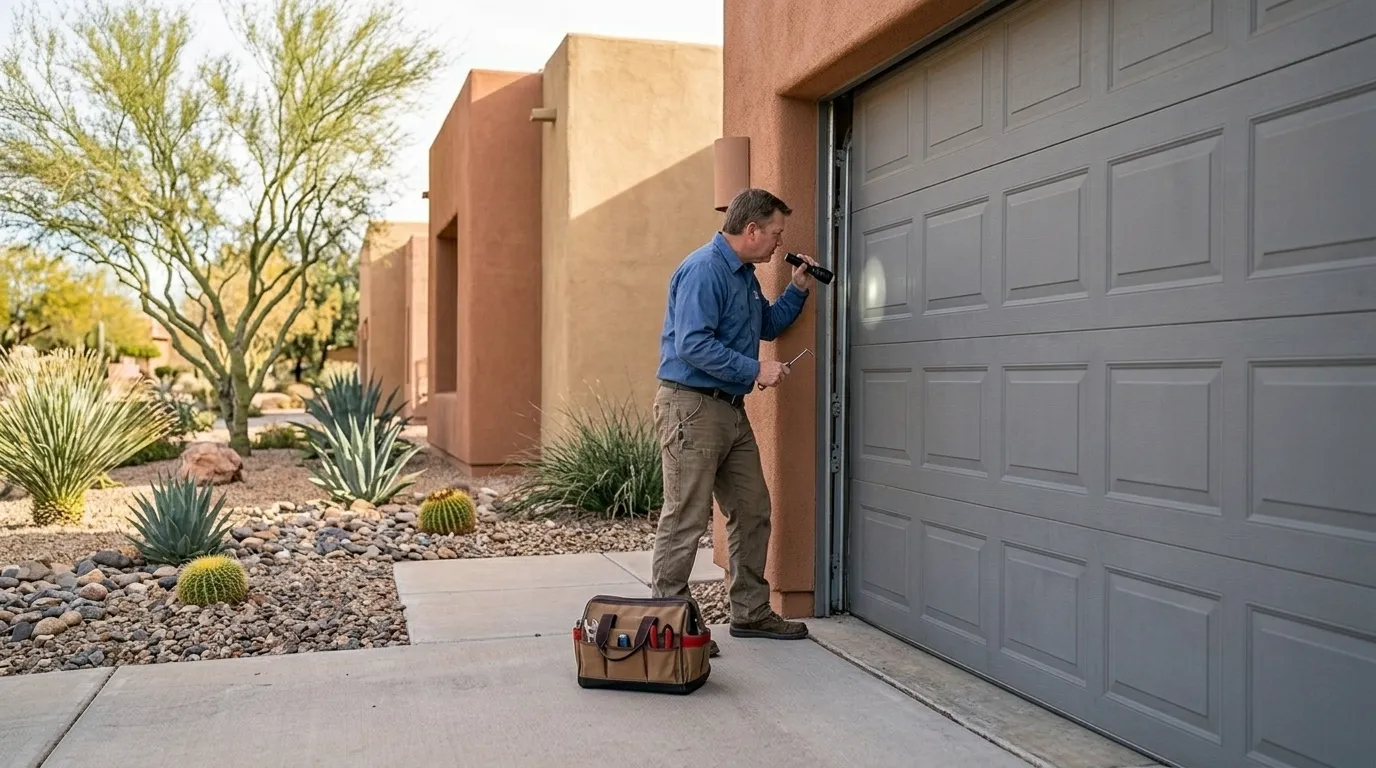
With roughly 25,178 households in La Mesa against a service-area median household income of $118,431, this area runs lower at $84,337 - a gap that shows up in how homeowners here approach repair versus replacement. We see more requests for a targeted fix on an aging door rather than a full swap, and that's often the right call: a torsion spring replacement or a worn roller set can add years to a door that's structurally sound even if it's fifty years old. The area's mild temperate climate band means the doors here aren't fighting frost heave or extreme humidity swings, so failures tend to be wear-based rather than weather-based - bearings, cables, and springs reaching the end of their cycle count rather than wood rot or rusted-through track from moisture. That's a different failure pattern than you'd get in a wetter or colder region, and it's part of why the 1970-era doors here often last as long as they do before something finally lets go.
When We Can Get There
We don't keep a truck stationed in La Mesa, so we can't promise a same-hour arrival the way a company based here might. What we can say is that at 7 miles out, it's one of the shorter drives on our map, not one of the longer ones. Scheduling still depends on where else the truck is routed that day. If a part needs to be ordered - certain spring sizes or an opener model that's been discontinued - that adds time on top of the drive, and we'll tell you upfront if that's the case rather than guess at a date.
How it works
From “it’s stuck” to “it’s fixed”
1
Tell us what’s wrong
Describe the symptom - won’t open, loud bang, opener runs but the door won’t move.
2
On-site diagnosis
A technician tests the door under power and by hand and finds what actually failed.
3
Clear, up-front plan
You get the fix that’s needed and what drives the cost - before any work starts.
4
Repaired & tested
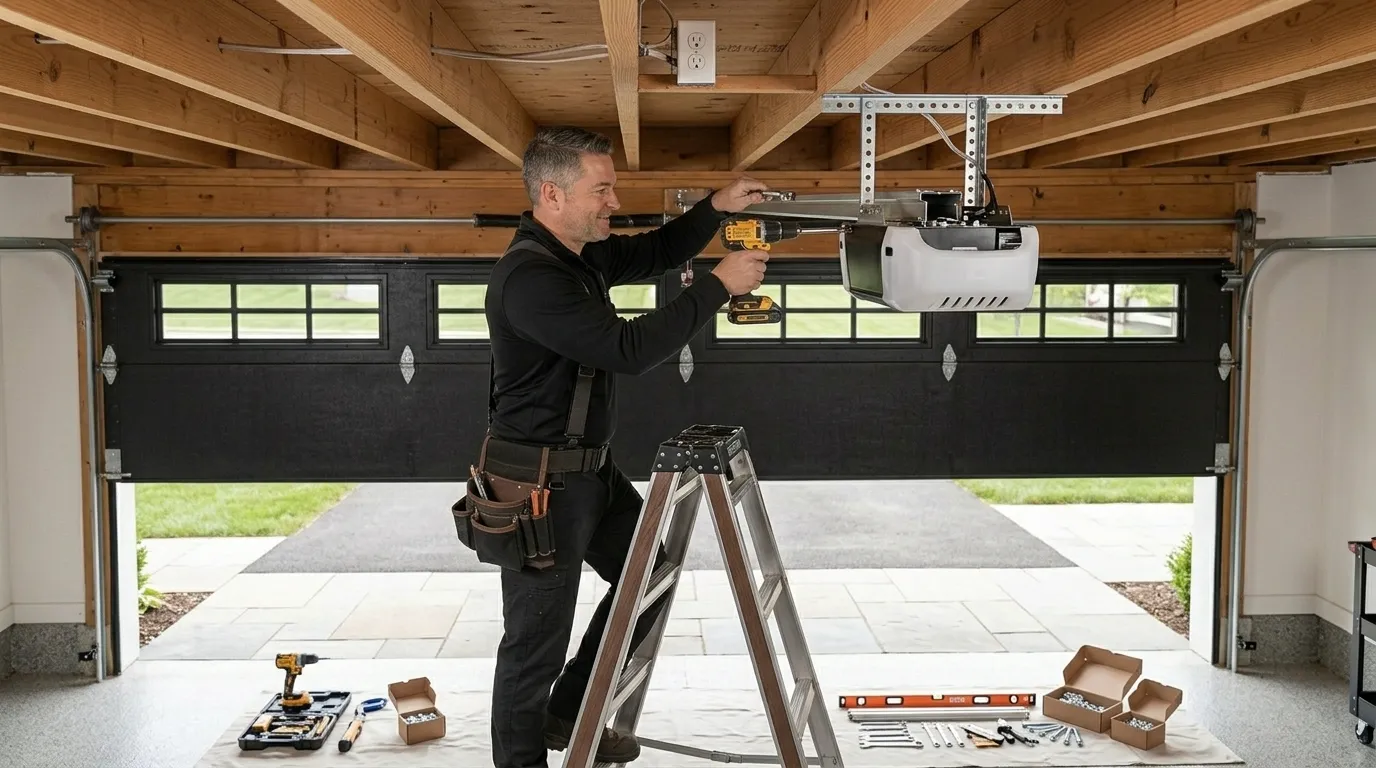
The repair is done, the door is set true and tested, and the work area left clean.
Serving San Diego, CA - tell us what your door’s doing and we’ll take it from there.
No. We're based in San Diego and drive out to La Mesa, about 7 miles away. It's a short trip within our normal service area, but we don't have a local depot or drop-off point here.
Why does my 1970s garage door break differently than newer ones nearby?
Doors from La Mesa's era, median build year 1970, often still run original torsion springs and hardware sized for older load standards. Wear shows up as spring fatigue, worn end bearings, and aging cable rather than the electronic or sensor issues you see on newer installs.
Is it worth repairing an old door or should I replace it?
Depends on the door. A sound wood or steel panel with a failed spring or bad rollers is usually cheaper to repair than replace. If the track is bent, the panels are rusted through, or parts are discontinued and hard to source, replacement often makes more sense. We'll tell you which one you're looking at.
Does La Mesa's climate cause different garage door problems?
The area sits in a mild temperate band, so we don't see the frost-related or high-humidity failures common elsewhere. Most issues here come down to age and cycle count on springs, cables, and bearings rather than weather damage to the door itself.
Ready to get your garage door sorted?
Tell us what it’s doing and where you are in San Diego - we’ll take it from there.