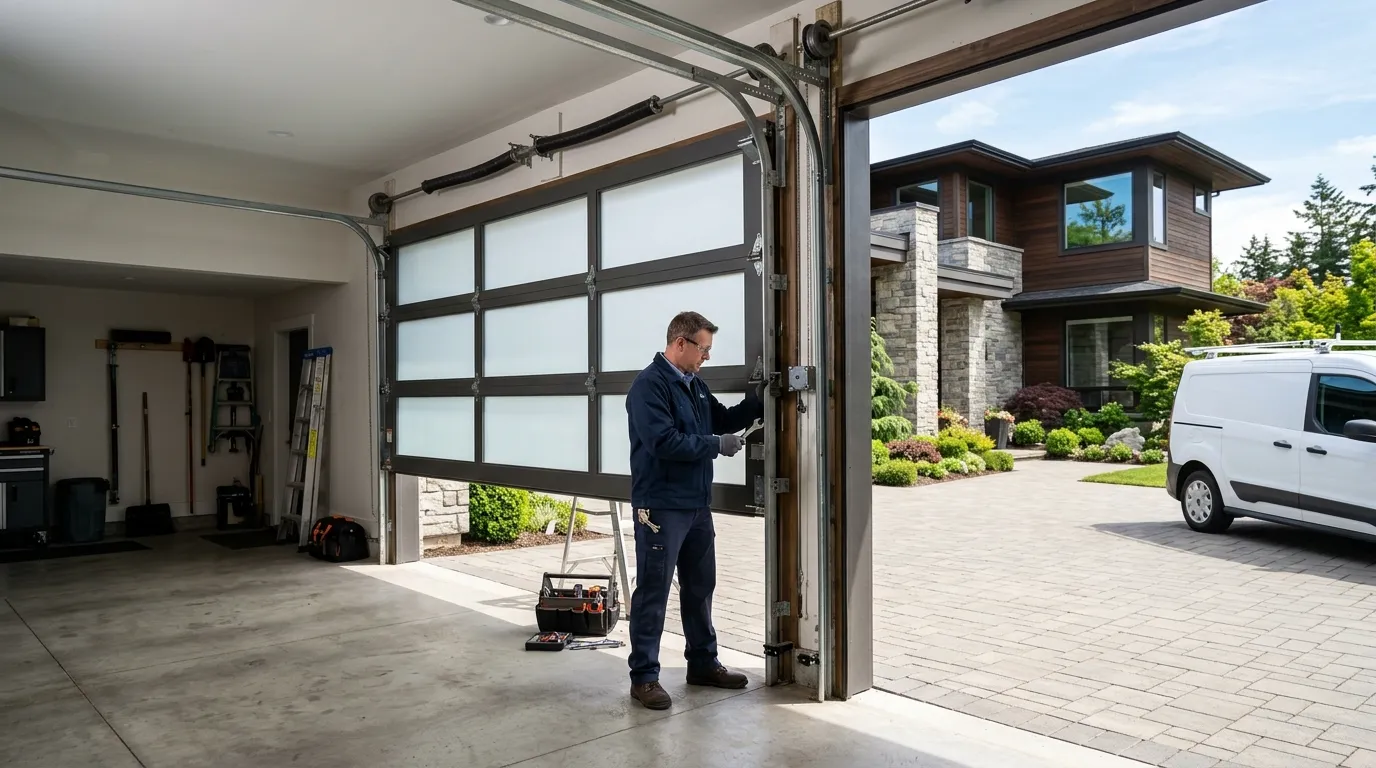
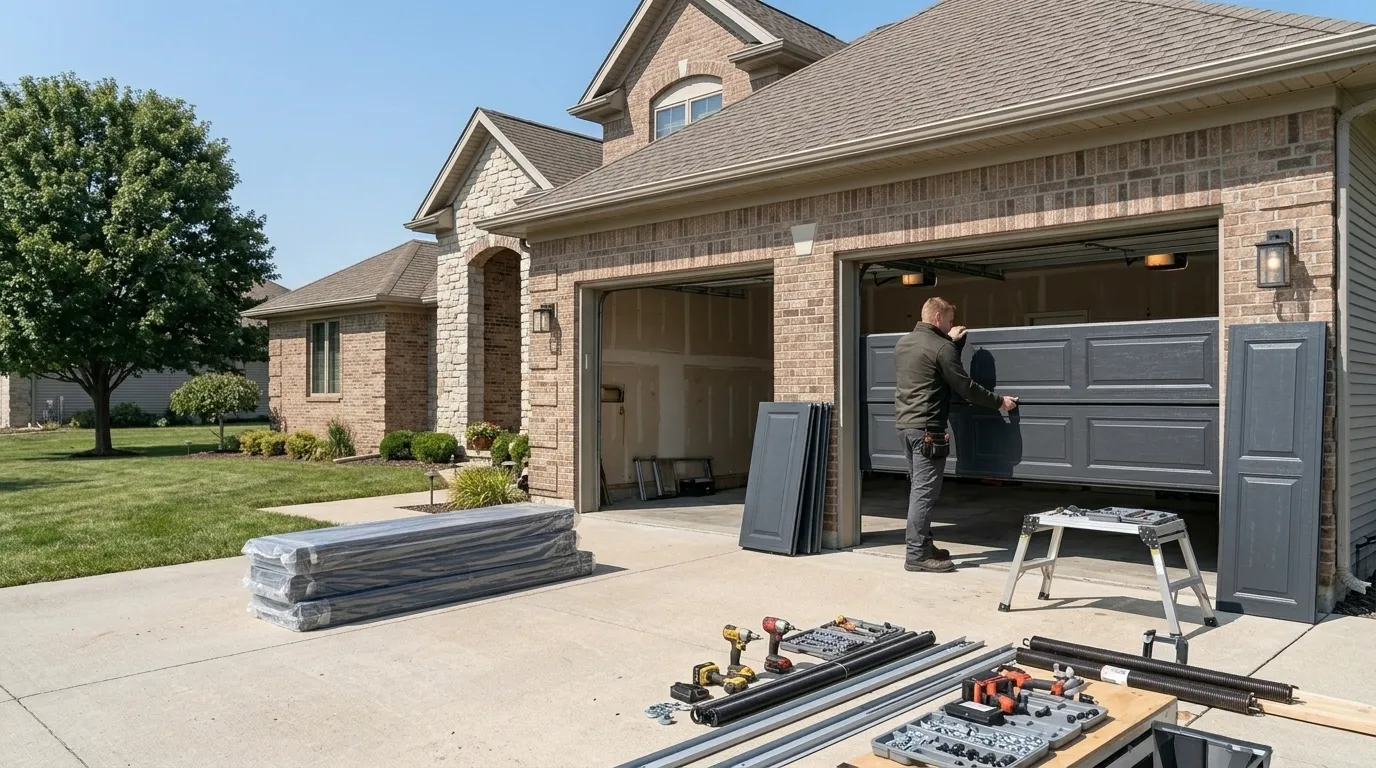
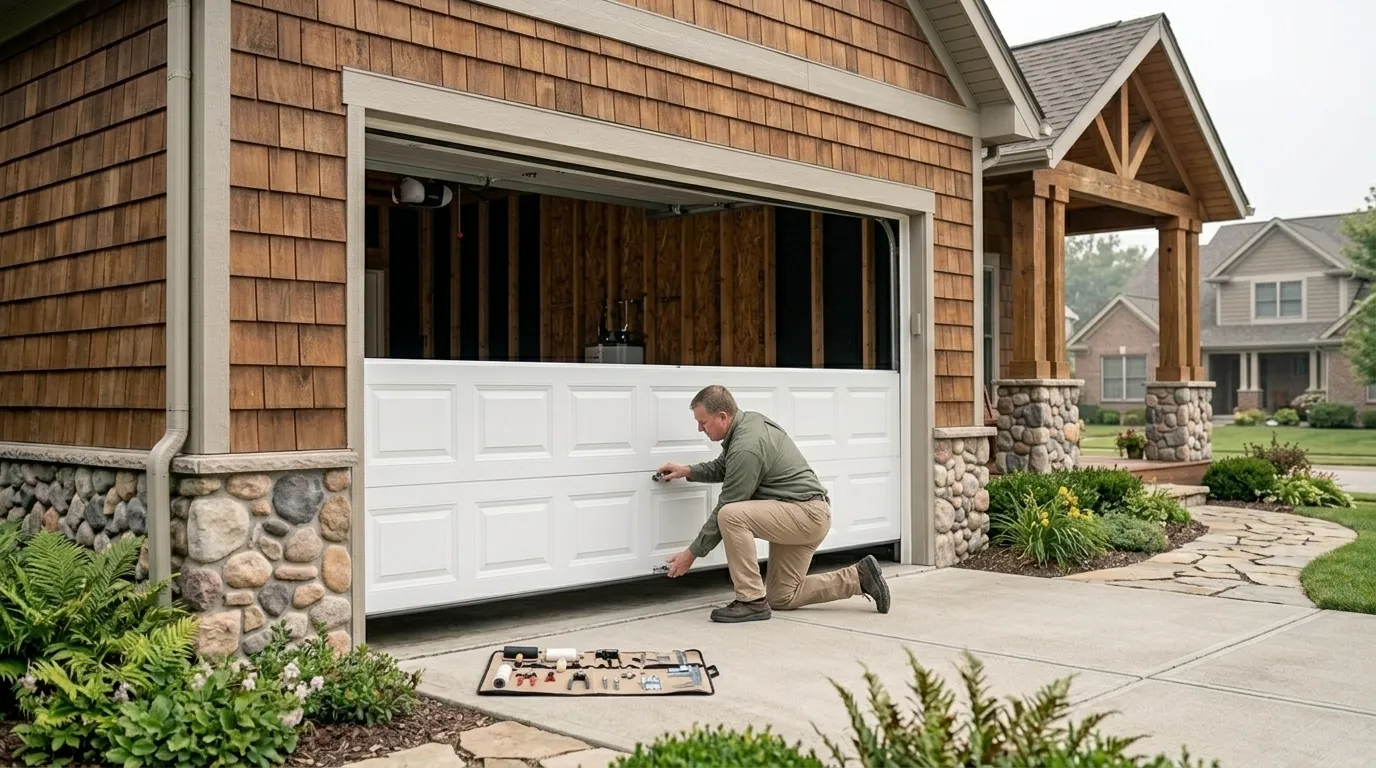
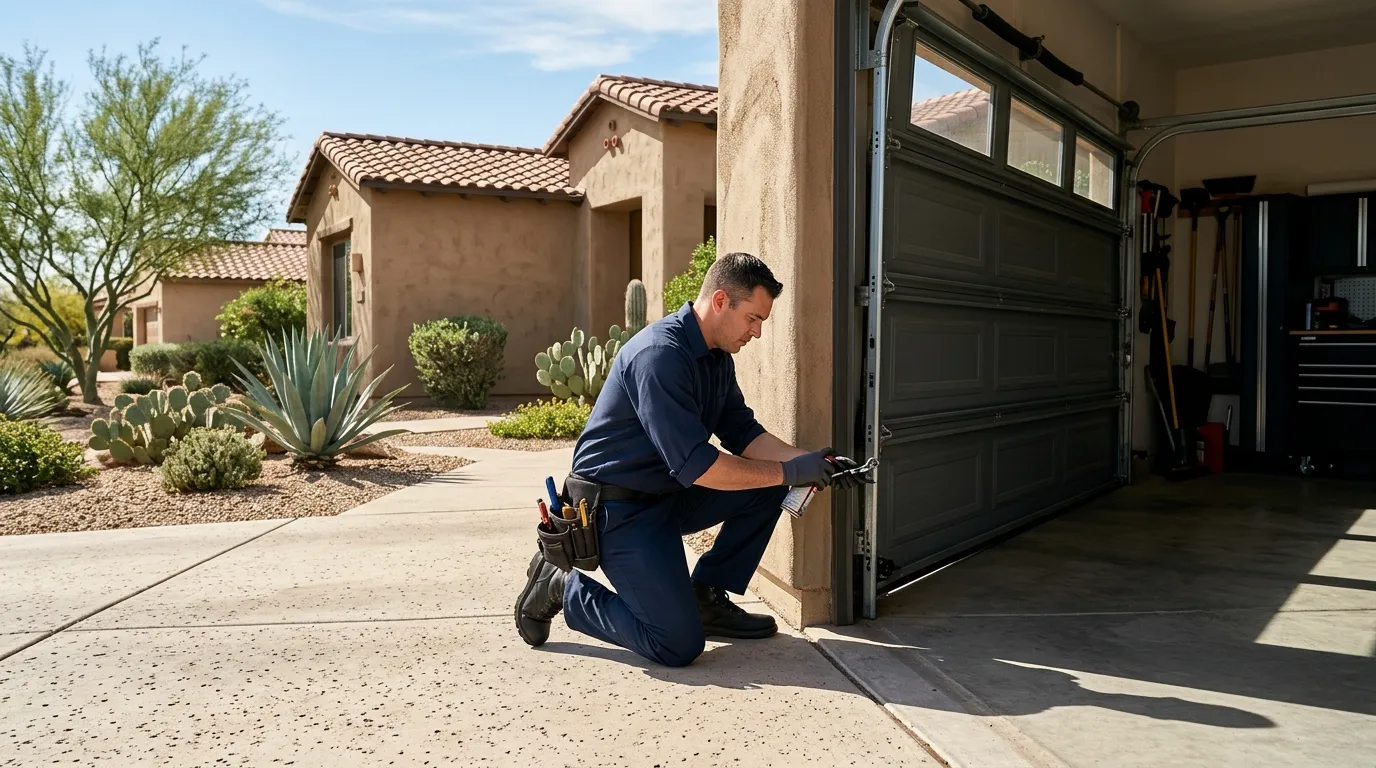
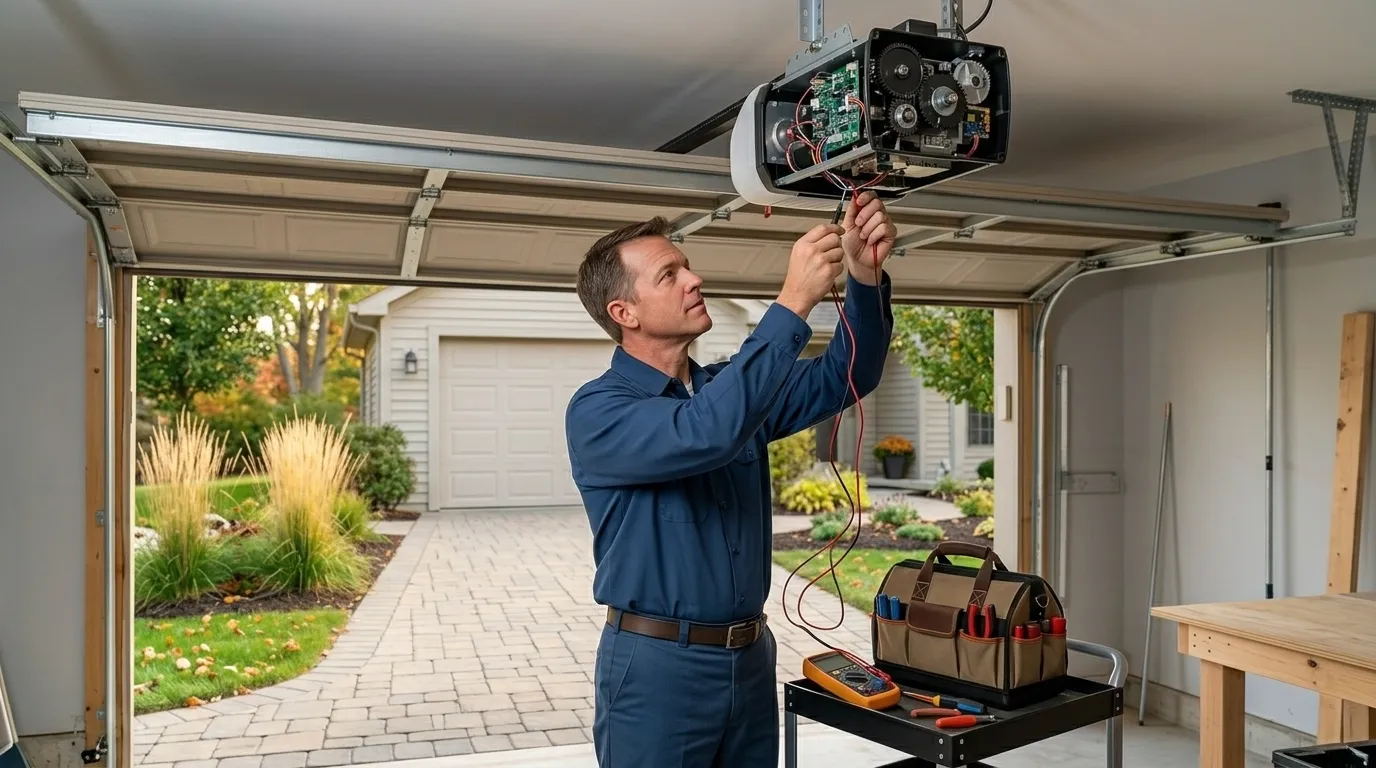
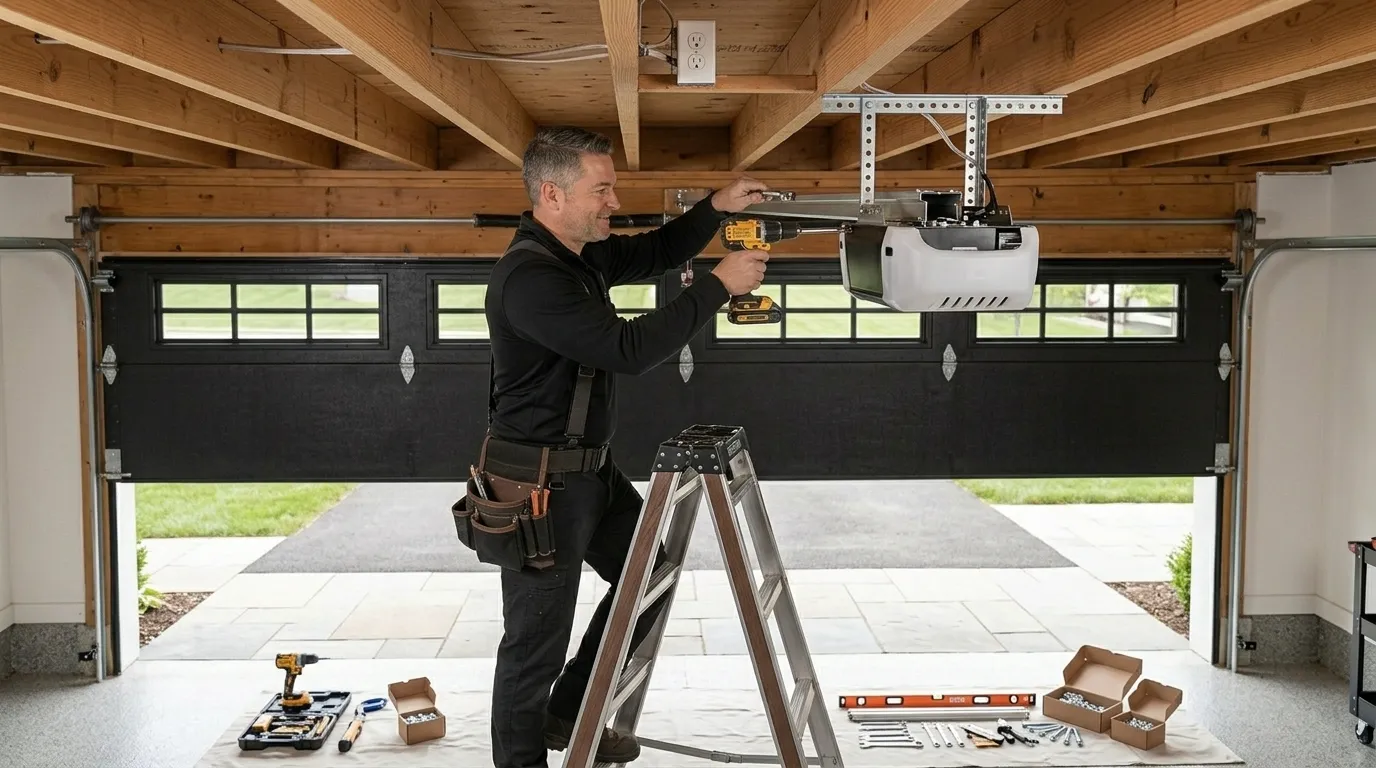
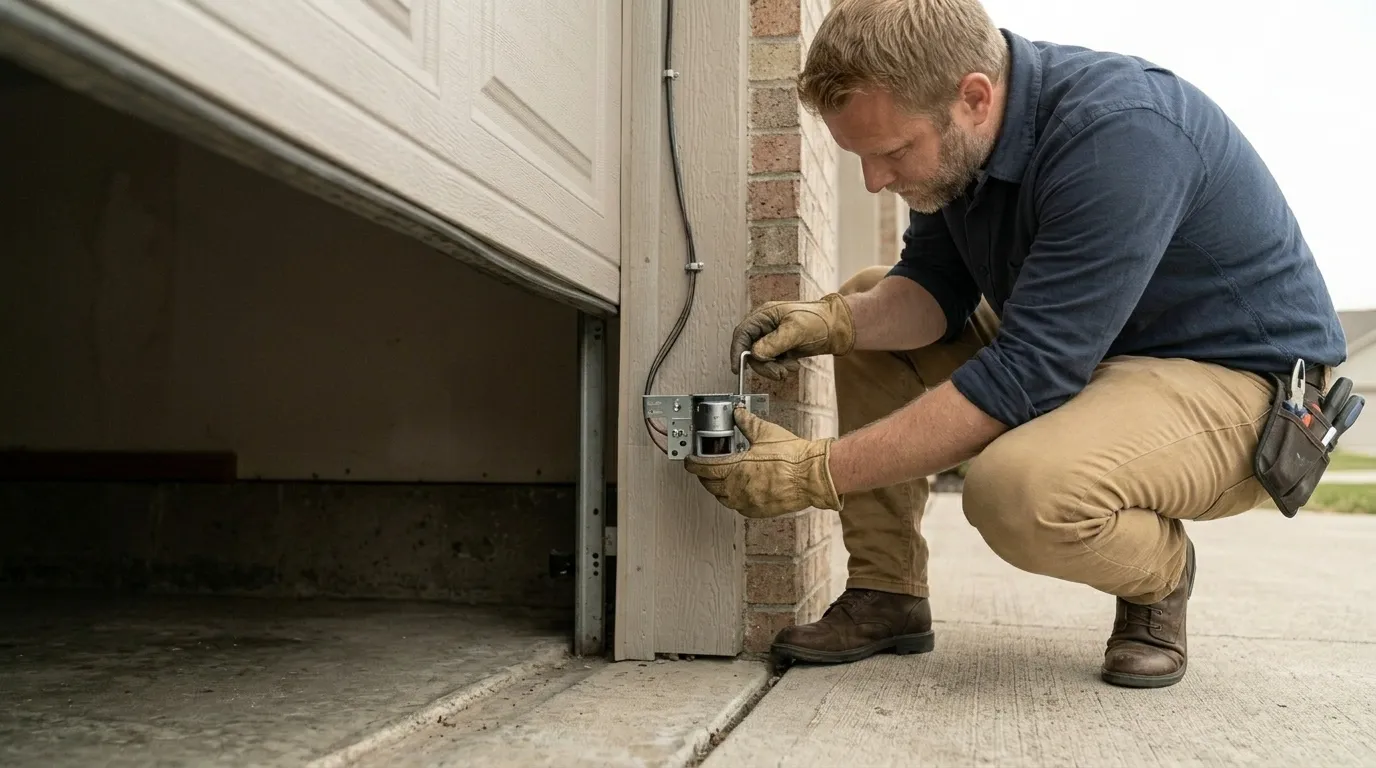
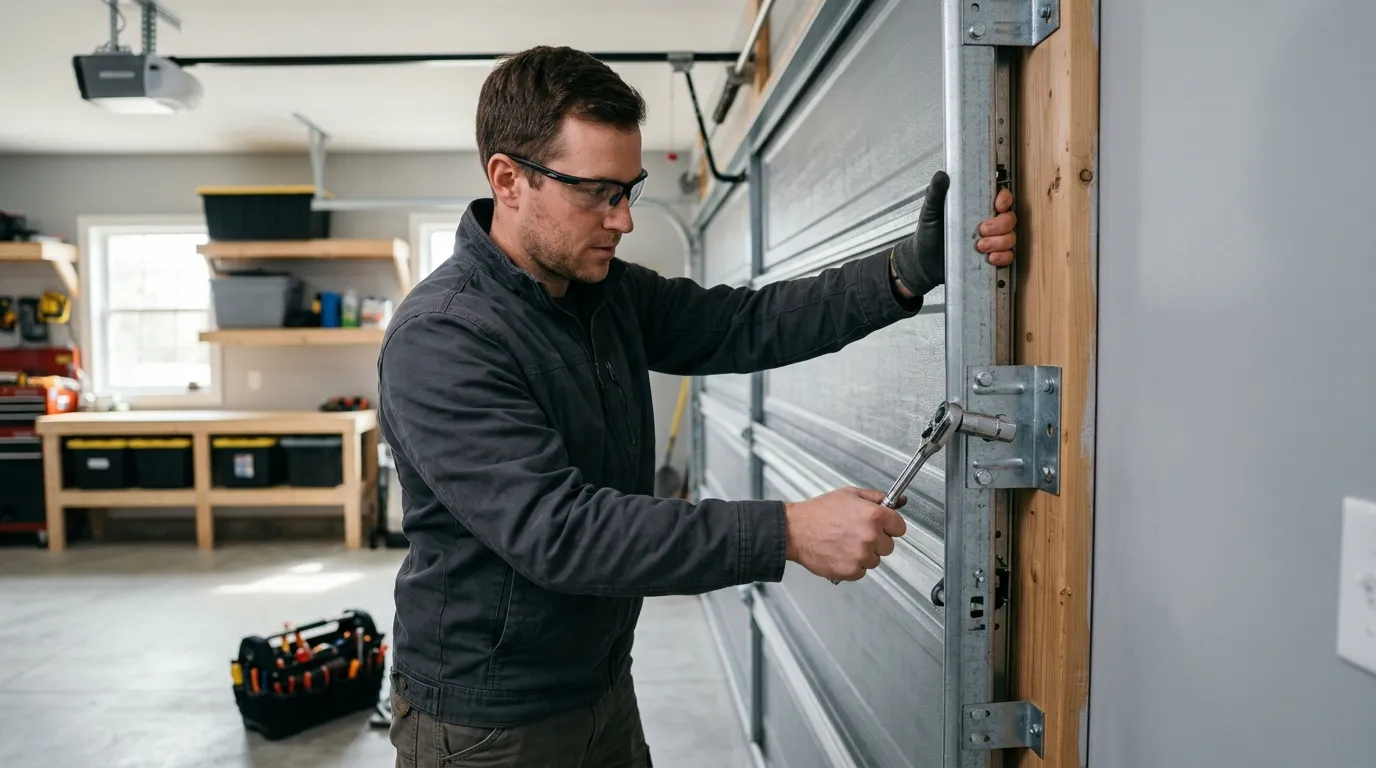
Coronado's homes cluster around a median build year of 1974, which puts most garage doors here squarely in the second-generation torsion-spring era. That's different from the wider San Diego service area, where the housing stock spans 1967 to 1992 with a median closer to 1975 - Coronado sits right at that midpoint, but its housing is more uniform, built in a tighter window than the 21 other areas we cover. What that means on the ground: single torsion springs rated for lighter doors, steel tracks that have usually been re-rolled at least once, and openers that are on their second or third replacement by now since chain-drive units from that period rarely last past year fifteen. We see fewer of the flat, hollow steel panels that showed up after 1985 and more of the ribbed, heavier-gauge doors that were standard before then. If your opener still has a manual reverse lever instead of photo-eye sensors, that's consistent with a door that hasn't been touched since the house was built - which is common here.
One limitation worth naming: if your spring or track hardware is original to a 1974 build, we may not carry an exact replacement on the truck. Some of that hardware was phased out by manufacturers decades ago, and matching it can mean a short parts wait rather than a same-visit fix.
The Drive Over
We're based in San Diego, and Coronado runs about 11 miles from there. We don't keep a depot or staging point in Coronado itself - every job starts as a drive from the main shop, same as it would for any of the other areas we reach, whether that's a closer stop like Serra Mesa at a mile out or a longer run like Jamul at 17. Eleven miles puts Coronado in the middle of that range, not the closest call of the day but not the farthest either.
We're not going to promise a response window we can't back up with a fact, so we won't. What we can tell you is that the drive is a known quantity for us - Coronado isn't a stretch assignment or an edge-of-territory job, it's a regular stop on the route we already run.
This Area's Housing
Coronado has roughly 6,989 households, smaller than many of the other areas in our coverage, and a median household income of $135,056 - noticeably above the wider service area's median of $118,431. That income gap tends to show up in the kind of work we get called for: more full door replacements and insulated panel upgrades, fewer patch jobs done to stretch a door another year. It also means homeowners here are more likely to ask about quieter openers or better-insulated doors rather than the cheapest fix available.
The climate across the service area sits in a mild temperate band, without the freeze-thaw cycles that crack door bottoms or swell wood panels in colder regions. That's good news for the steel and aluminum doors common to Coronado's 1970s builds - the metal itself tends to outlast the springs and rollers, which are the parts that actually wear out from cycle count, not weather.
When We Can Get There
We schedule Coronado jobs the same way we schedule anywhere else in the coverage area - by route and by day, not by a fixed local presence. Because we're not staged in Coronado, we can't tell you we'll be there within the hour. What we can tell you is that the 11-mile drive from San Diego is a distance we plan for routinely, not an outlier that gets pushed to the end of the week.
If your call is about a door that won't open at all - spring snapped, cable off the drum - that's the kind of job we prioritize regardless of which of the 21 areas it's in. A cosmetic panel dent or a slow-closing opener can usually wait for a scheduled slot instead of a same-day trip.
How it works
From “it’s stuck” to “it’s fixed”
1
Tell us what’s wrong
Describe the symptom - won’t open, loud bang, opener runs but the door won’t move.
2
On-site diagnosis
A technician tests the door under power and by hand and finds what actually failed.
3
Clear, up-front plan
You get the fix that’s needed and what drives the cost - before any work starts.
4
Repaired & tested
The repair is done, the door is set true and tested, and the work area left clean.
Serving San Diego, CA - tell us what your door’s doing and we’ll take it from there.
No. We run out of San Diego and drive to Coronado for every job, about 11 miles each way. We cover Coronado as part of a wider service area rather than keeping a local depot there.
Why does my 1970s Coronado garage door use different parts than a newer one?
Coronado's homes are mostly built around 1974, which means torsion springs, tracks, and openers sized for that era's door weights and styles. Manufacturers have changed hardware standards several times since, so original parts sometimes need to be special-ordered rather than pulled off the truck.
Is Coronado's mild climate easier on garage doors?
Generally yes. The service area sits in a mild temperate band without hard freeze-thaw cycles, so steel and aluminum doors don't crack or swell the way they might in colder climates. Springs and rollers still wear out from use, just not from weather stress.
Will you tell me exactly when you'll arrive?
We can't promise a fixed window since we're driving in from San Diego rather than staged locally. We schedule Coronado jobs as part of our regular route and prioritize doors that won't open at all over cosmetic repairs.
Ready to get your garage door sorted?
Tell us what it’s doing and where you are in San Diego - we’ll take it from there.