Doing It Yourself
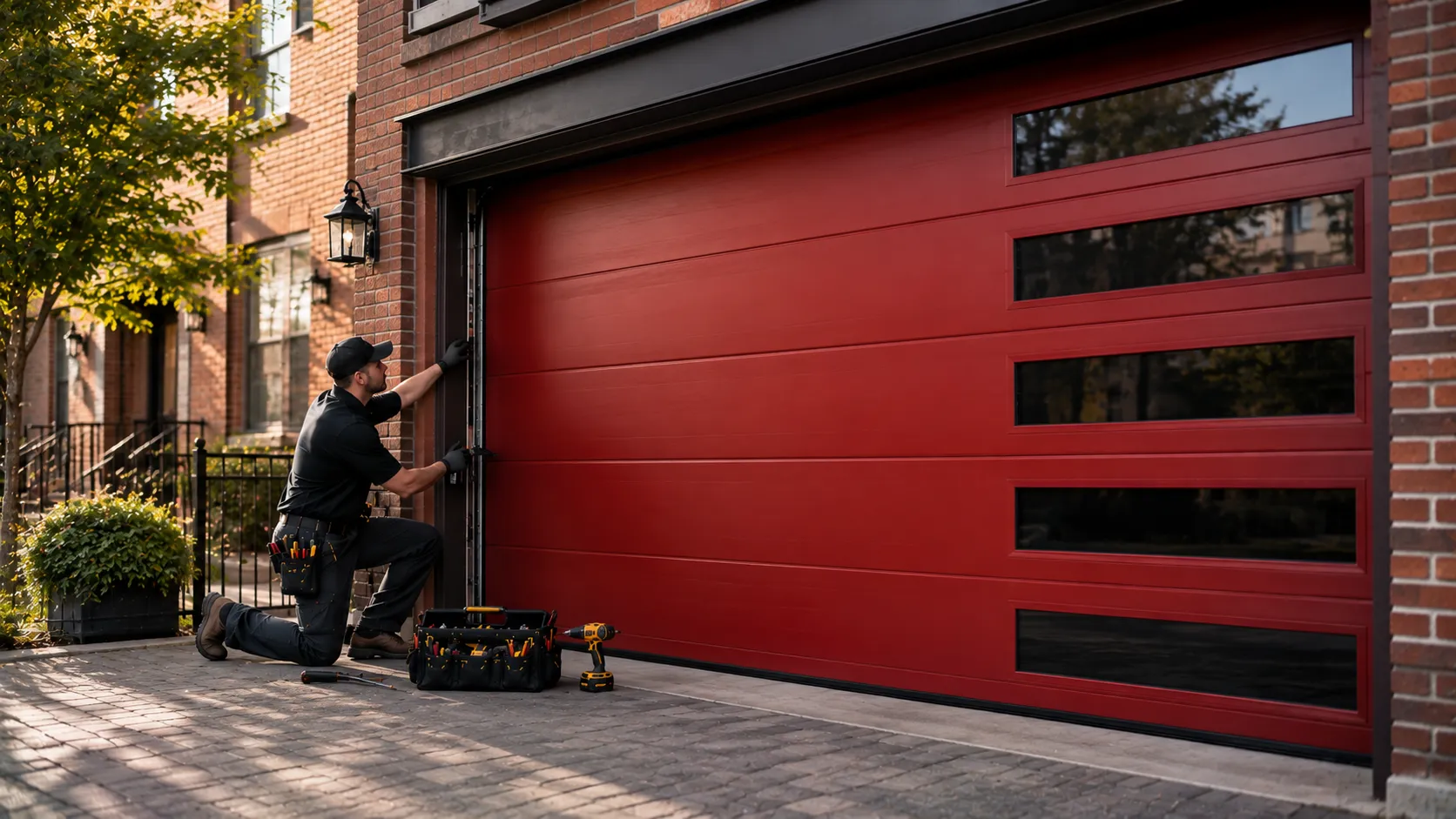
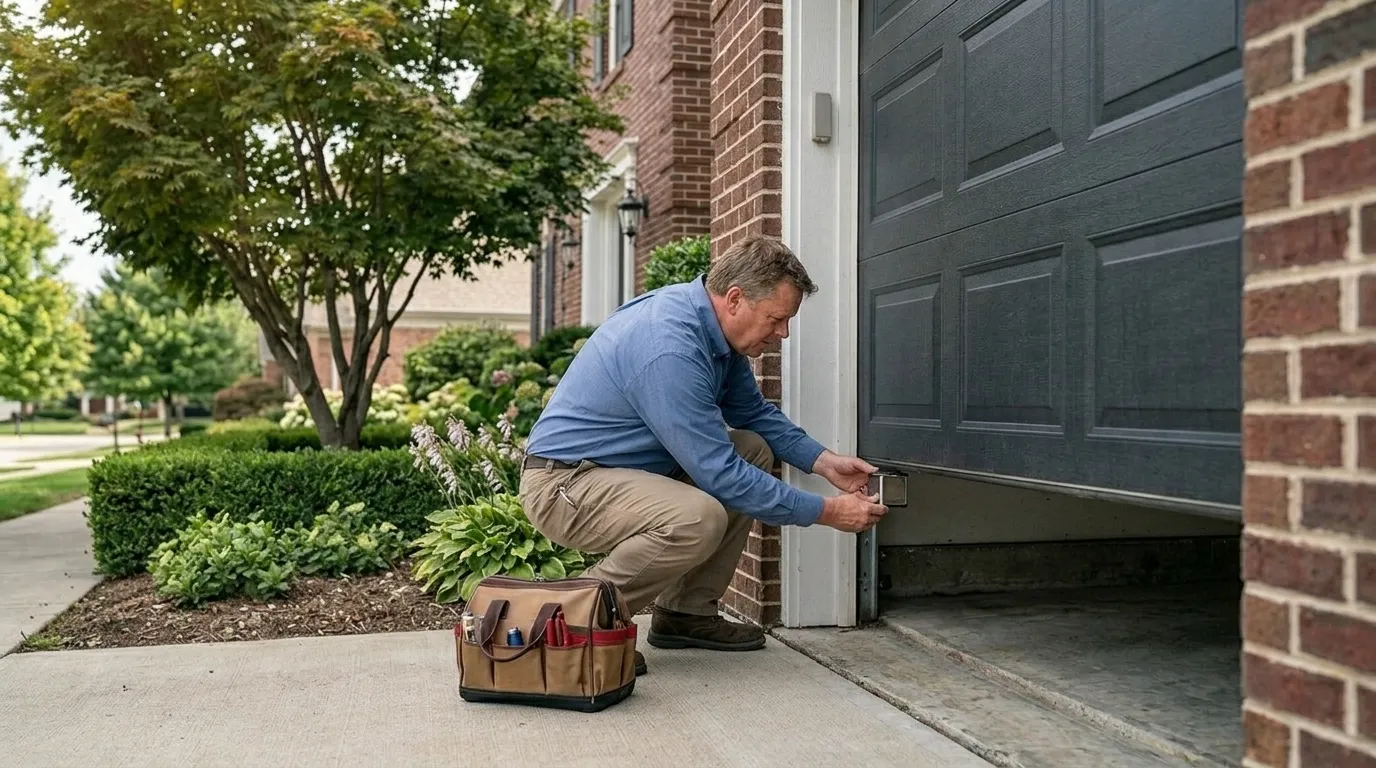
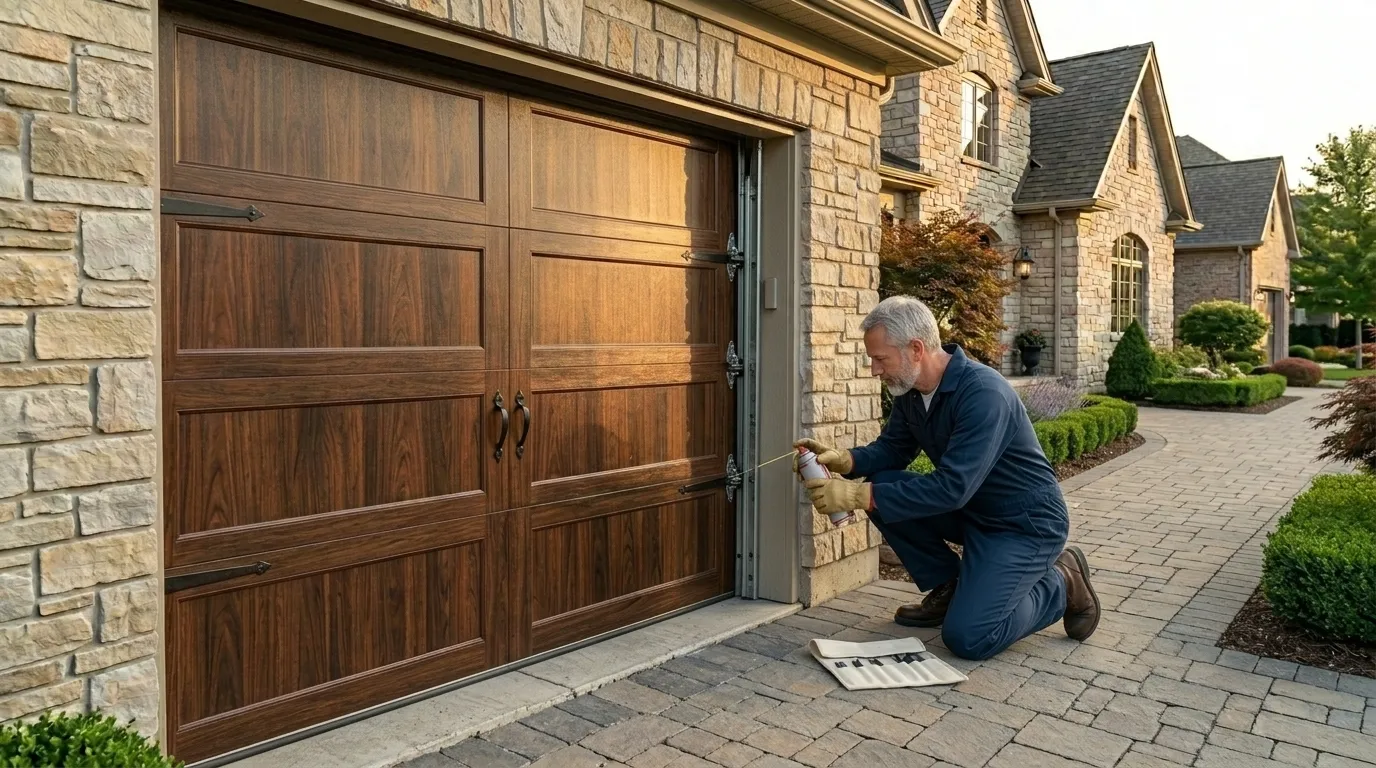
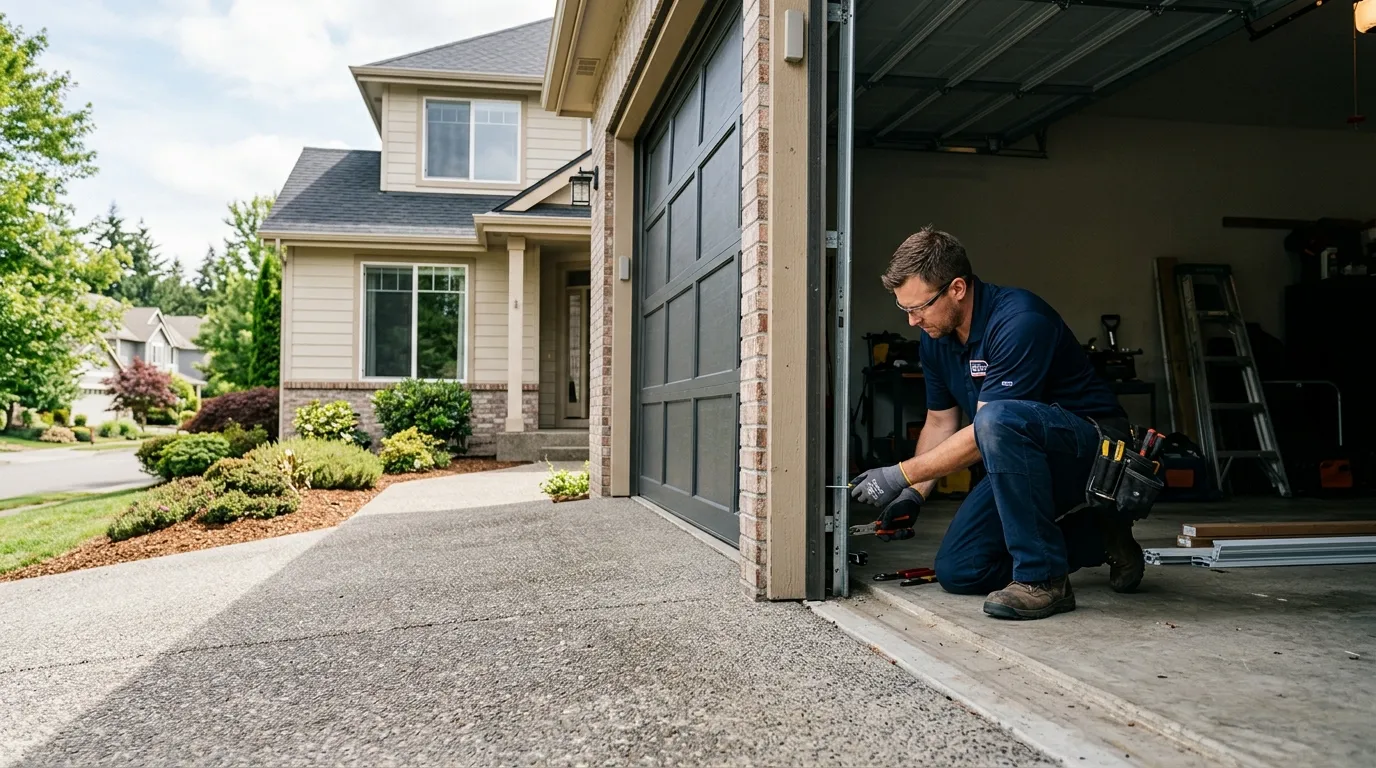
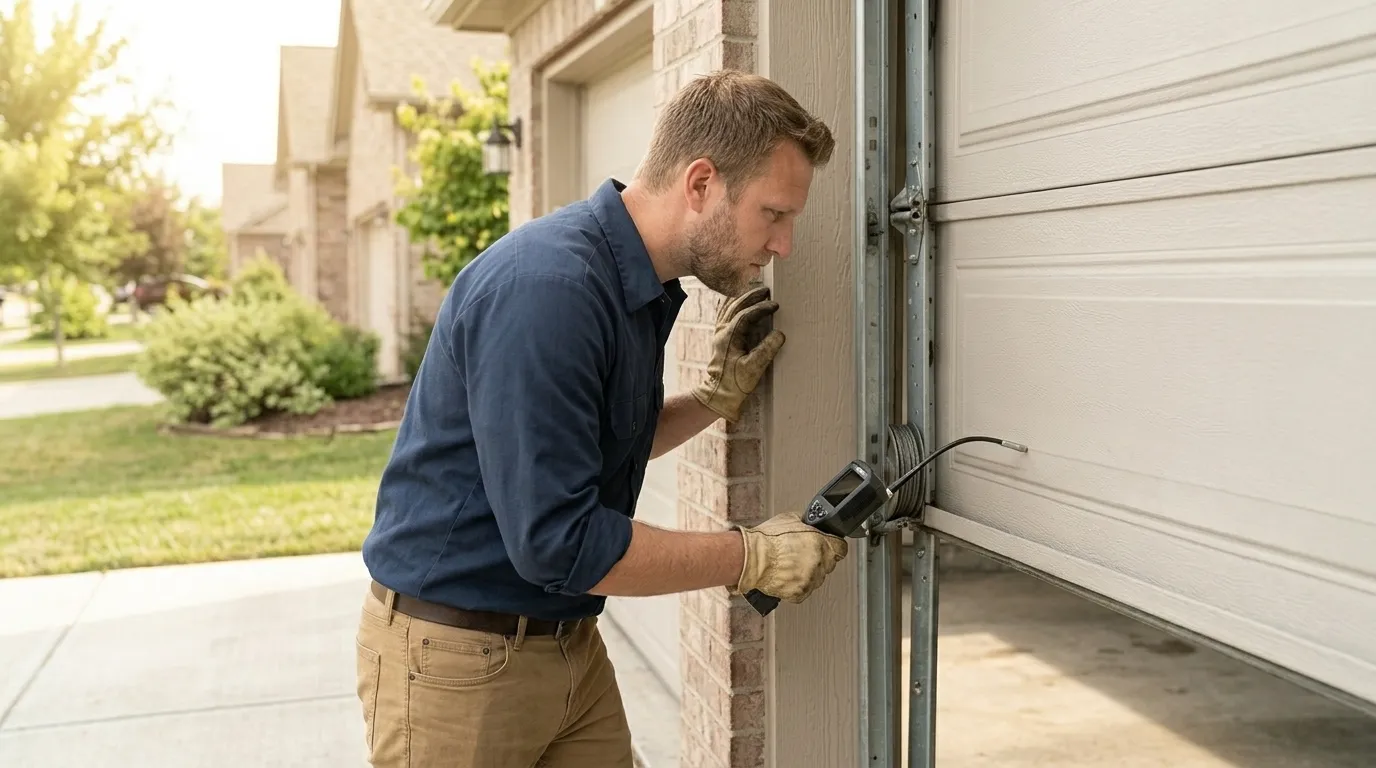
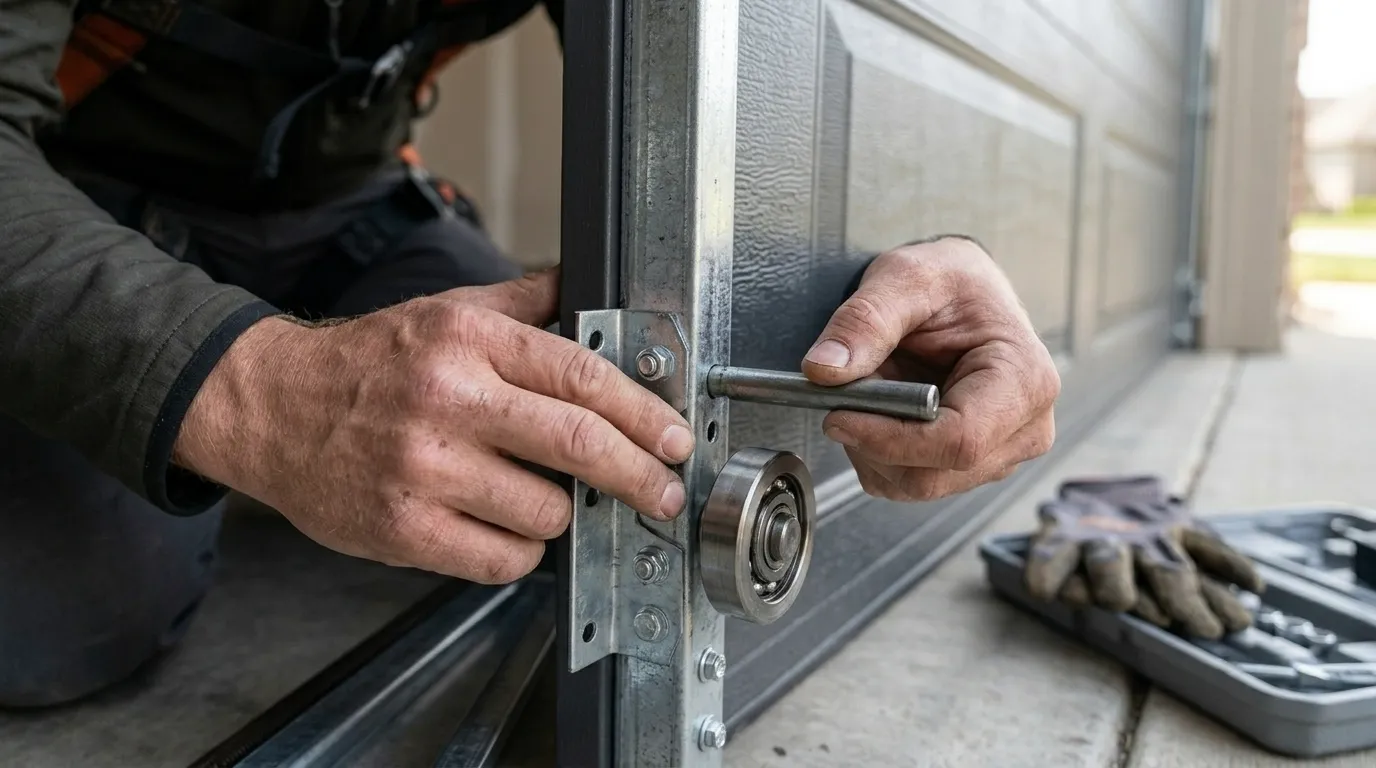
If your opener motor still runs but the door won't respond right, it's worth checking the wall switch wiring and the sensor alignment before you call anyone - those are simple fixes and cost nothing. Where it gets harder is the door itself. A lot of La Mesa's 1970-era doors are heavier than what current opener kits are calibrated for out of the box, so if you install a new opener yourself and the door doesn't travel smooth, the issue usually isn't the opener - it's the spring tension not matching the door's actual weight anymore. We don't recommend adjusting torsion spring tension yourself; that's the one job on a garage door that puts people in the ER, and it's not worth the risk to save a service call. Swapping a remote battery, reprogramming a keypad code, or lubricating the chain rail are all fine to do on your own. Just don't chase a hardware problem with a new motor - if the door drags or reverses on its own before you've touched the opener, that's a door and hardware issue, not something a new unit fixes.
Why It Happens Here
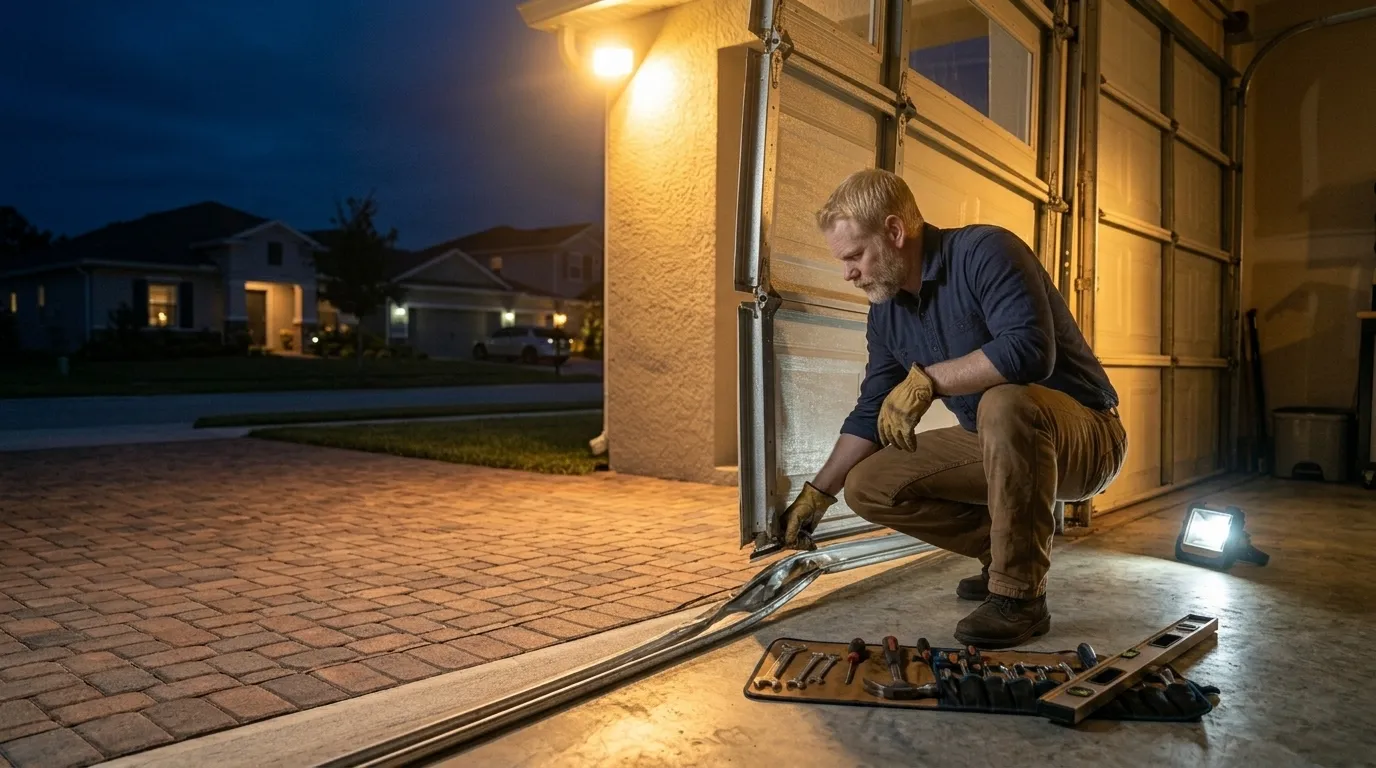
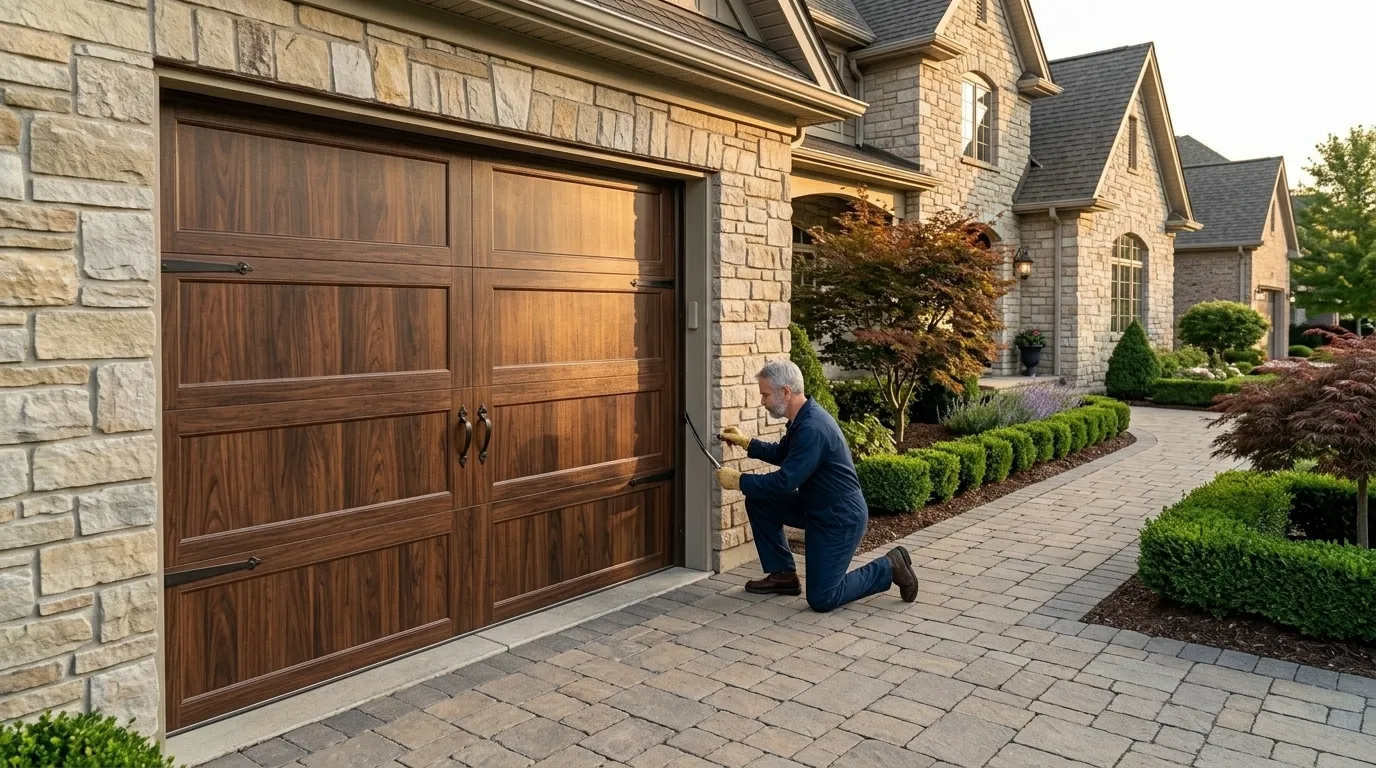
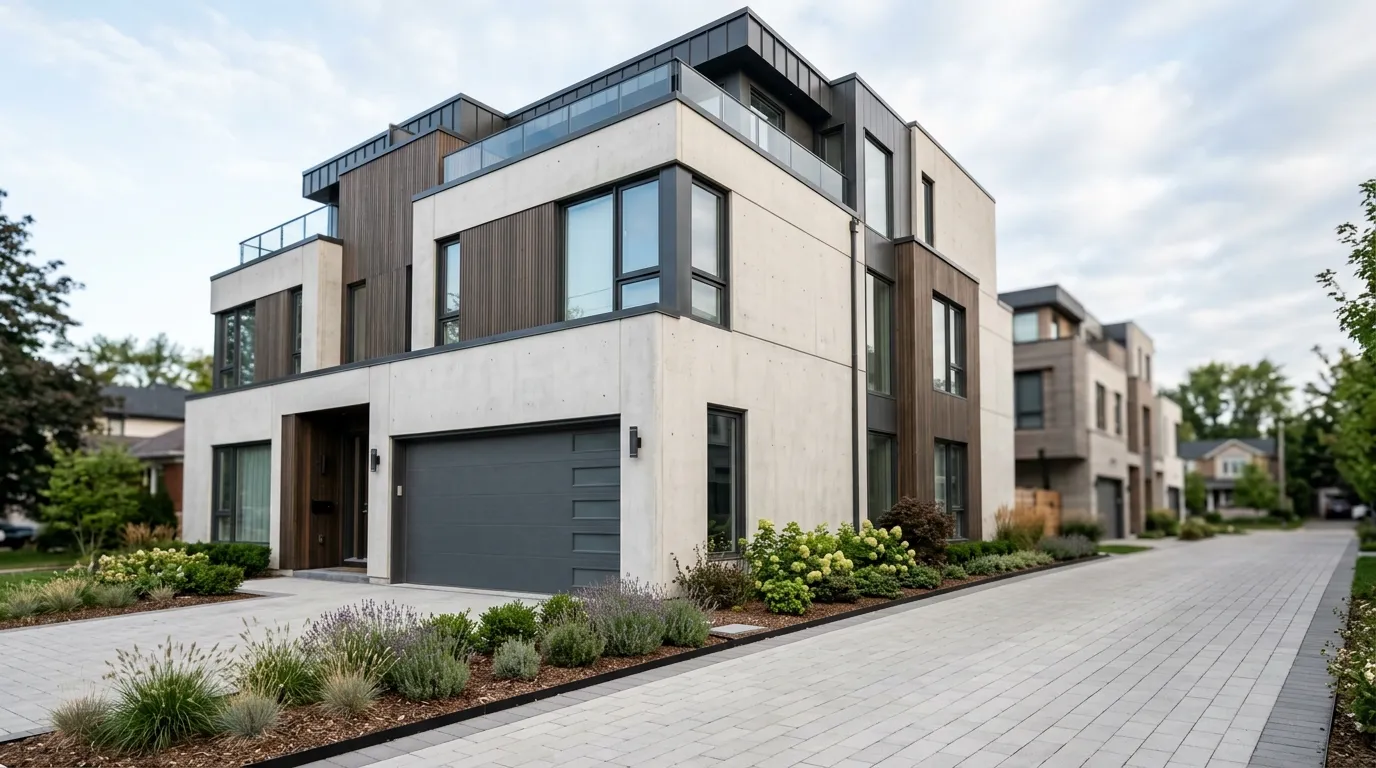
La Mesa's housing stock centers on 1970, right in the middle of the broader 1967-to-1992 build wave across this side of San Diego's service area. That means original garage doors here have had roughly five decades of opener cycles - springs, cables, and drums replaced piecemeal over the years, often without anyone touching the opener itself. What fails first is usually the interface between old door and newer opener: a chain-drive unit from the 1990s bolted onto a door frame that's shifted slightly with age, or a modern opener's force sensors fighting a door that's heavier on one side from decades of wear. The mild coastal-adjacent climate here helps - you're not dealing with the wood warp or metal expansion that garages see in harsher climates - so when an opener fails in La Mesa, it's almost always mechanical fatigue or a mismatch between old hardware and new electronics, not weather damage to the door itself.
Stocked Parts
We carry a working stock of current opener models suited to both light steel doors and the heavier panel doors common in La Mesa's older housing, along with the sensor kits, drive chains, and belt assemblies that go with them. What we don't keep on the truck is legacy parts for openers discontinued more than a decade or two back - if you've got a chain-drive unit from the era your house was built, the motor housing and logic board for that exact model may need to be ordered, and we'll tell you the lead time before we quote the job. That's the honest limit here: we can install and match hardware to an older door reliably, but we can't manufacture parts for an opener that the maker stopped supporting years ago. In most cases replacement makes more sense than chasing a part for a 50-year-old unit anyway.
How to Book
We serve La Mesa from our San Diego location, about 7 miles out, so scheduling works the same way it does for the rest of the area - tell us the door's approximate age and what the opener is currently doing (or not doing), and we bring opener options sized to what's typical for this part of town. If you're not sure whether the problem is the opener or the door hardware behind it, describe what you're seeing and we'll sort that out before the truck even leaves. Full details on how we cover this suburb, along with our broader San Diego opener installation service, are linked below.