Doing It Yourself
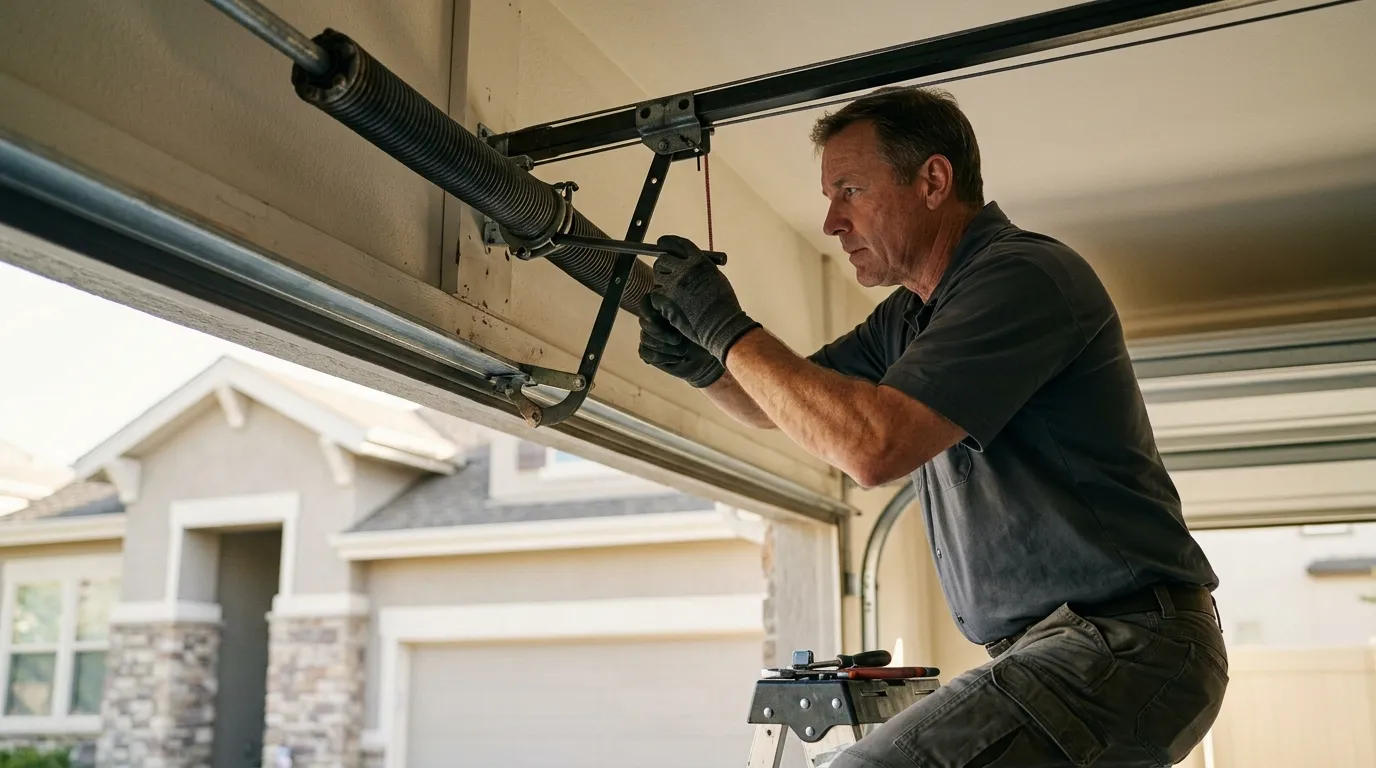
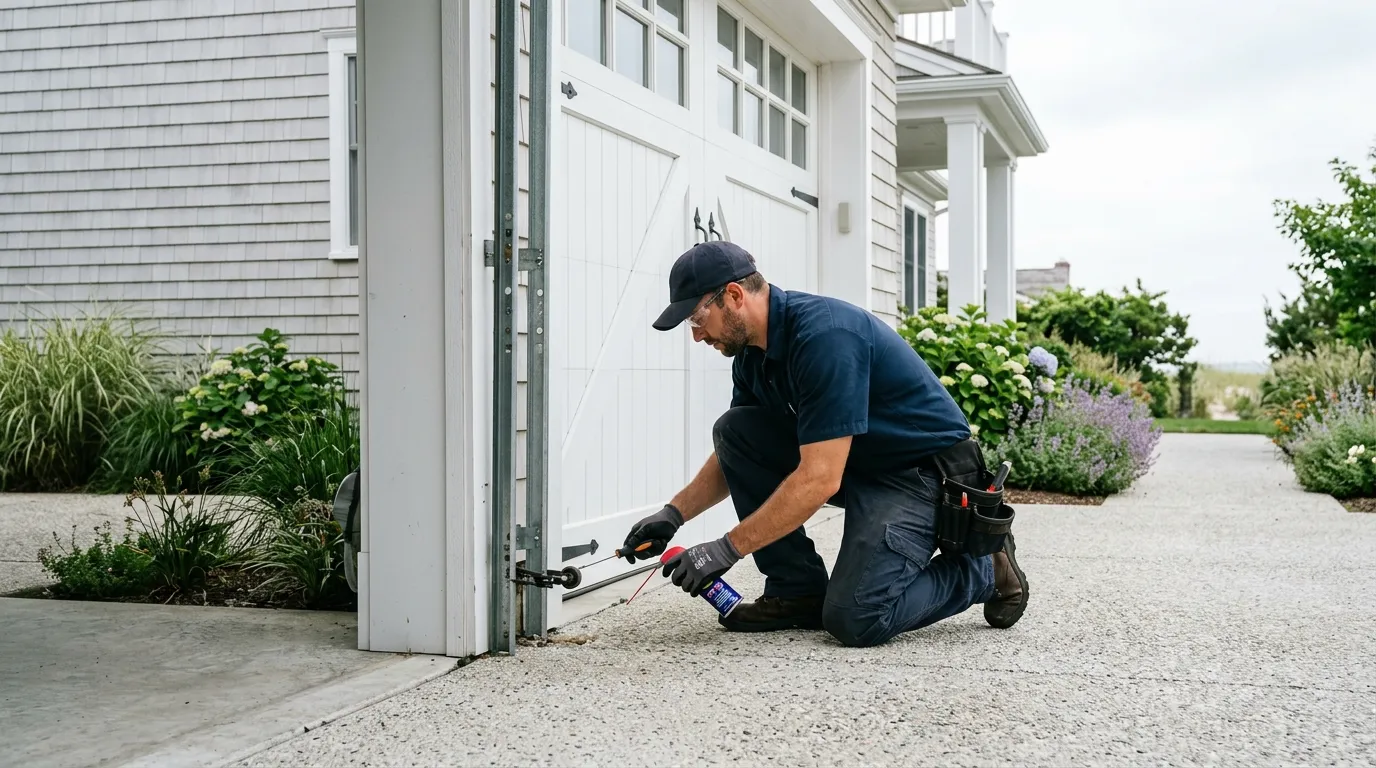
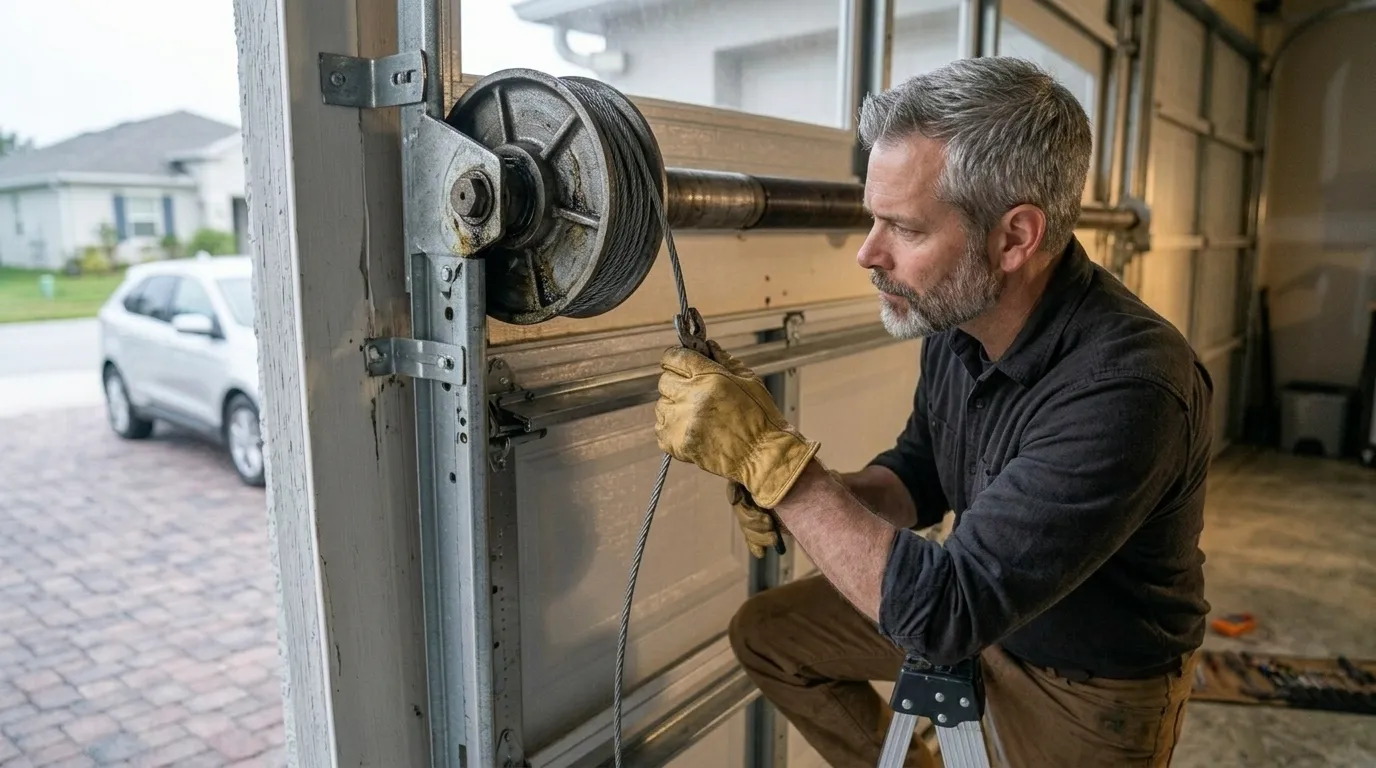
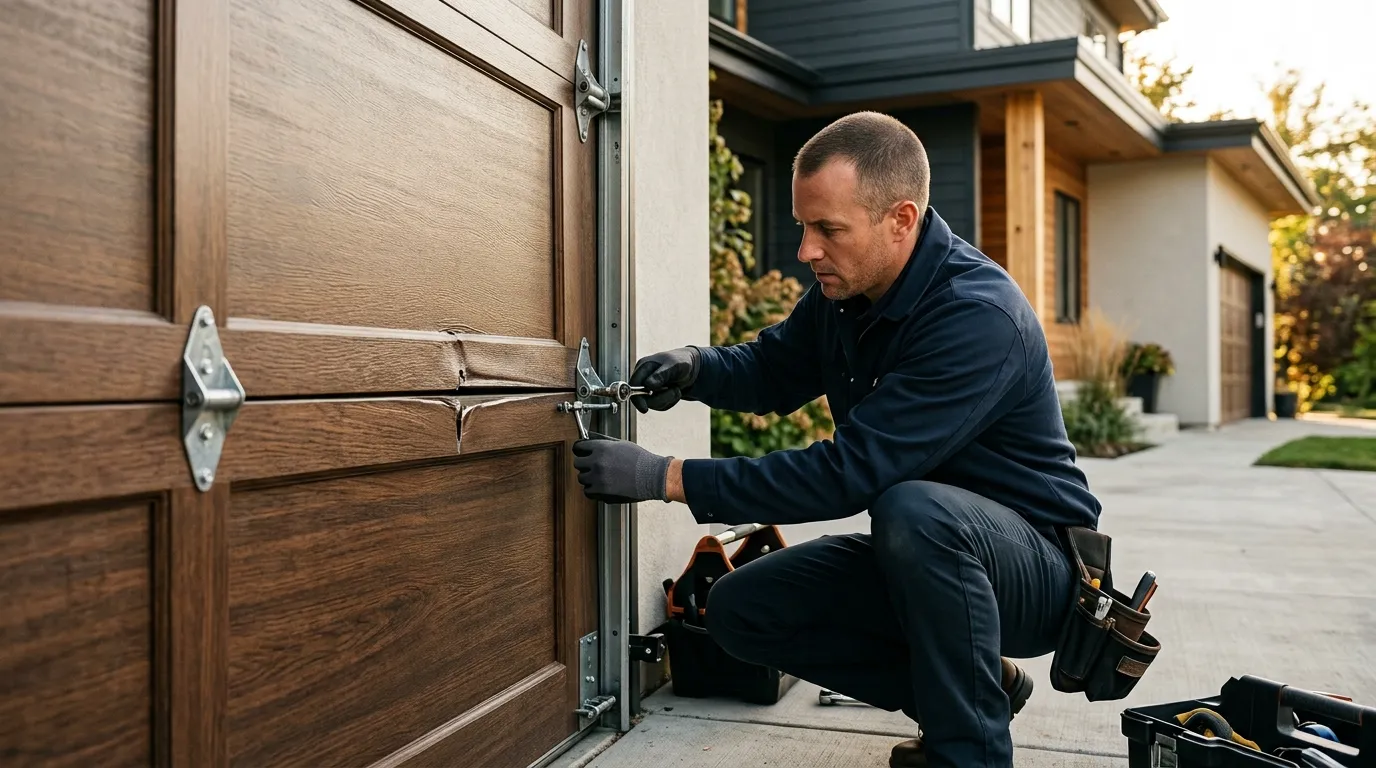
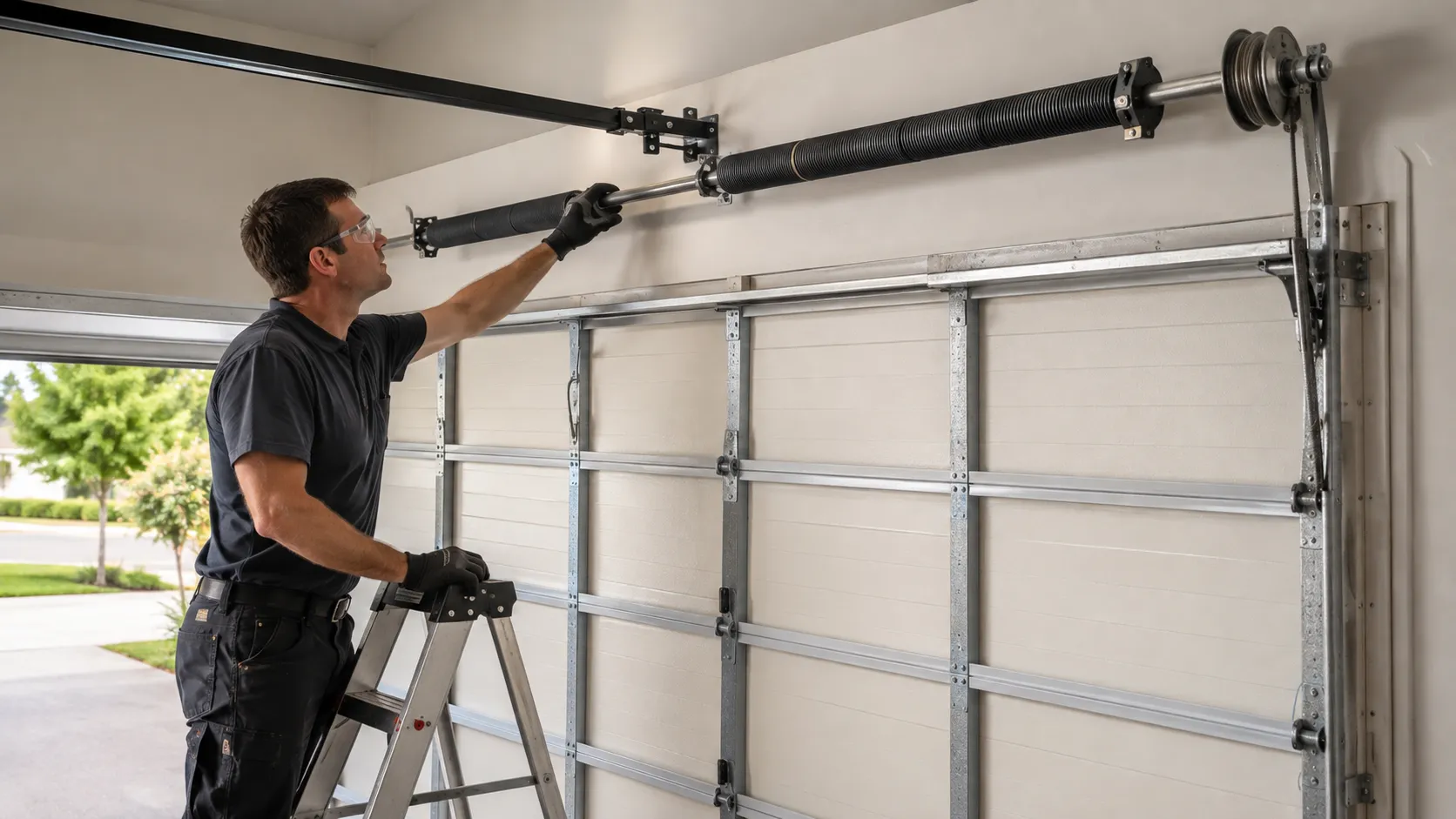
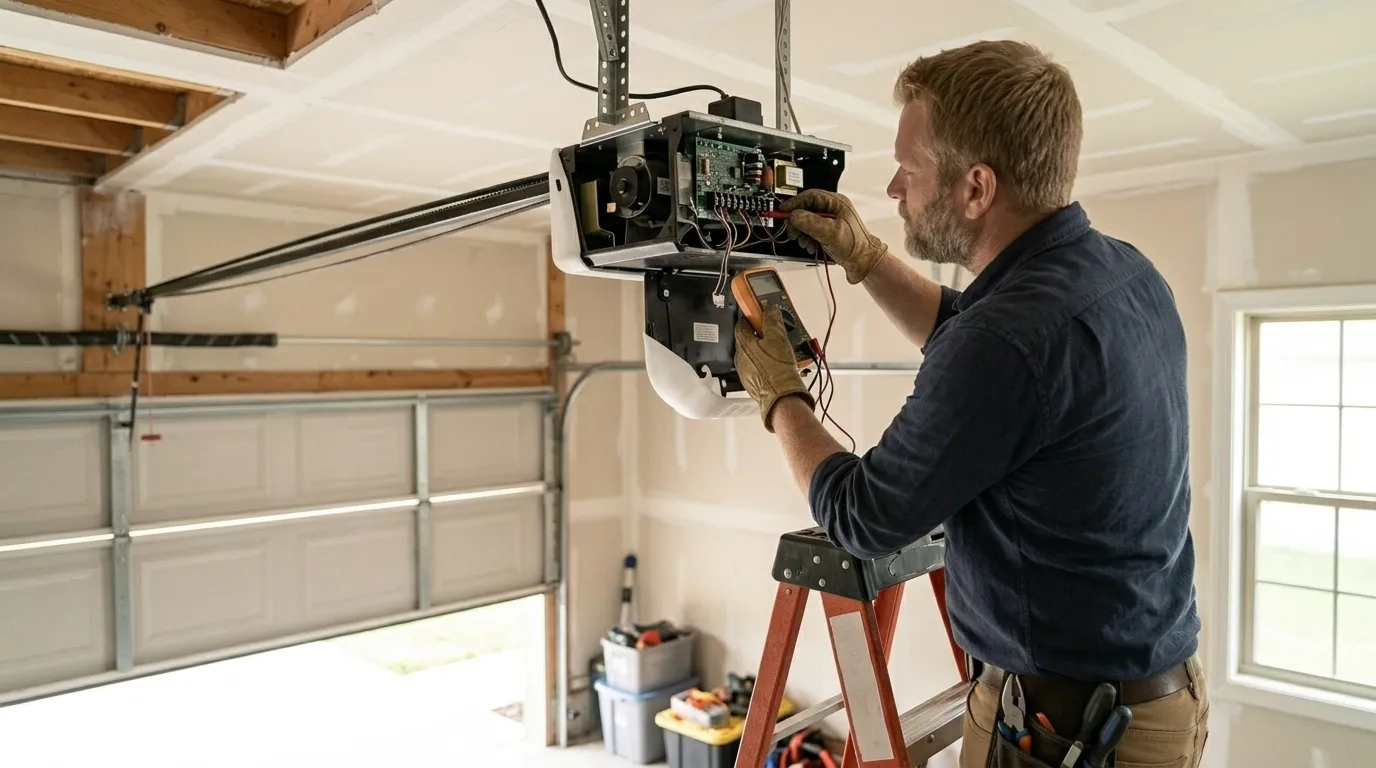
Some of this you can do yourself and some of it will put you in the ER. Lubricating rollers and hinges, tightening loose bolts on the track brackets, and clearing the photo-eye sensors of dust are fine weekend jobs and worth doing twice a year. Replacing a torsion spring is not - a wound spring under a door that size stores enough force to break bones, and on La Mesa's older torsion bars the winding cones are often original and can be seized or corroded, which changes how they behave under a wrench. If your door won't open and the springs look intact, check the opener's manual release cord first; sometimes it's just been pulled and the door is disengaged from the motor, not broken at all. If a cable has jumped off a drum or a panel is dented enough to bind in the track, stop trying to force it and call - that's a job for two people and the right clamps, not a Saturday improvisation.
Why It Happens Here
Median year built in La Mesa runs around 1970, right in the middle of the broader 1967-to-1992 build wave across this service area, but La Mesa itself sits closer to the early end of that range. A door installed then is on its third or fourth spring by now, and the torsion hardware from that era was sized for lighter, hollow-core wood or thin single-layer steel doors - not the heavier insulated steel doors a lot of owners have swapped in since without upgrading the spring rating to match. That mismatch is one of the more common failures we see: a heavier door on an old spring works the opener too hard and burns it out early. The climate here is mild temperate, so we're not chasing the rust and ice-jam failures a colder market deals with - what we get instead is age. Fifty-plus years of daily cycling wears out galvanized cable and bearing plates on a schedule you can roughly predict from the build year.
Stocked Parts
We carry torsion springs sized for the standard single and double door widths this era of housing uses, extension springs for the older lighter setups still hanging on in some garages, steel rollers, galvanized lift cables, and drums in the common bore sizes. Opener logic boards and gear kits for the major residential brands ride on the truck too, since a stripped gear is one of the more frequent opener failures we see on doors this age. What we don't stock is anything custom-milled - a badly warped wood panel or a discontinued opener model from decades back sometimes needs an order, and we'll tell you straight if that's the case rather than jury-rig a fix that won't hold. For most La Mesa calls, though, the part that's failed is one we're already carrying when we pull up.
How to Book
Call and describe what the door's doing - stuck partway, grinding, won't respond to the opener, or a bang and then dead weight. That tells us which parts to load before we drive the roughly seven miles out from San Diego, which cuts down on a second trip. We'll ask the door's rough age or when you last had it serviced, since that maps closely to the 1970-era hardware most of this town still has. If you're not sure whether it's worth fixing versus replacing - sometimes it isn't, especially on a badly rusted or warped panel decades past its build year - we'll tell you that on-site before doing any paid work.