Doing It Yourself
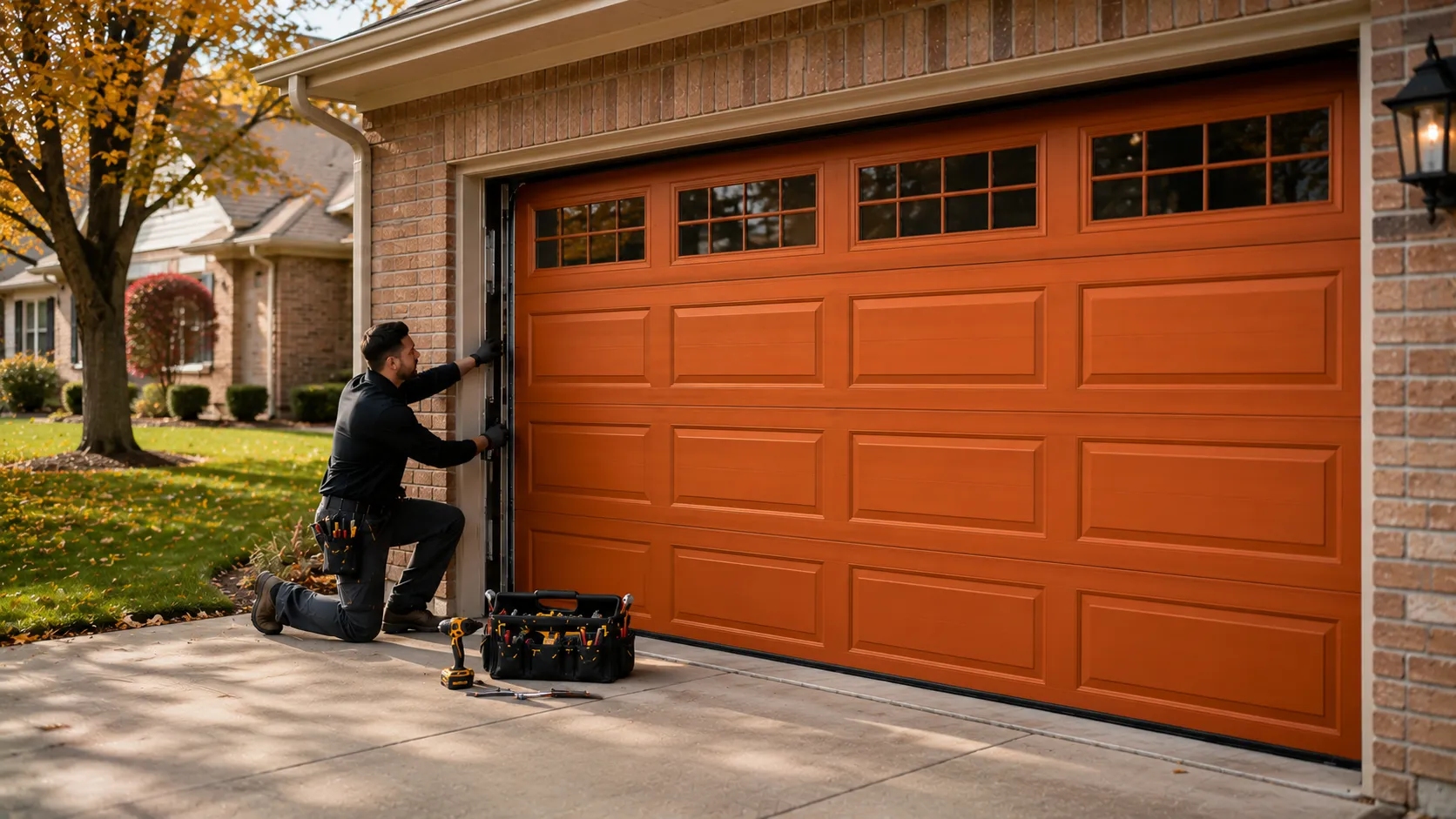
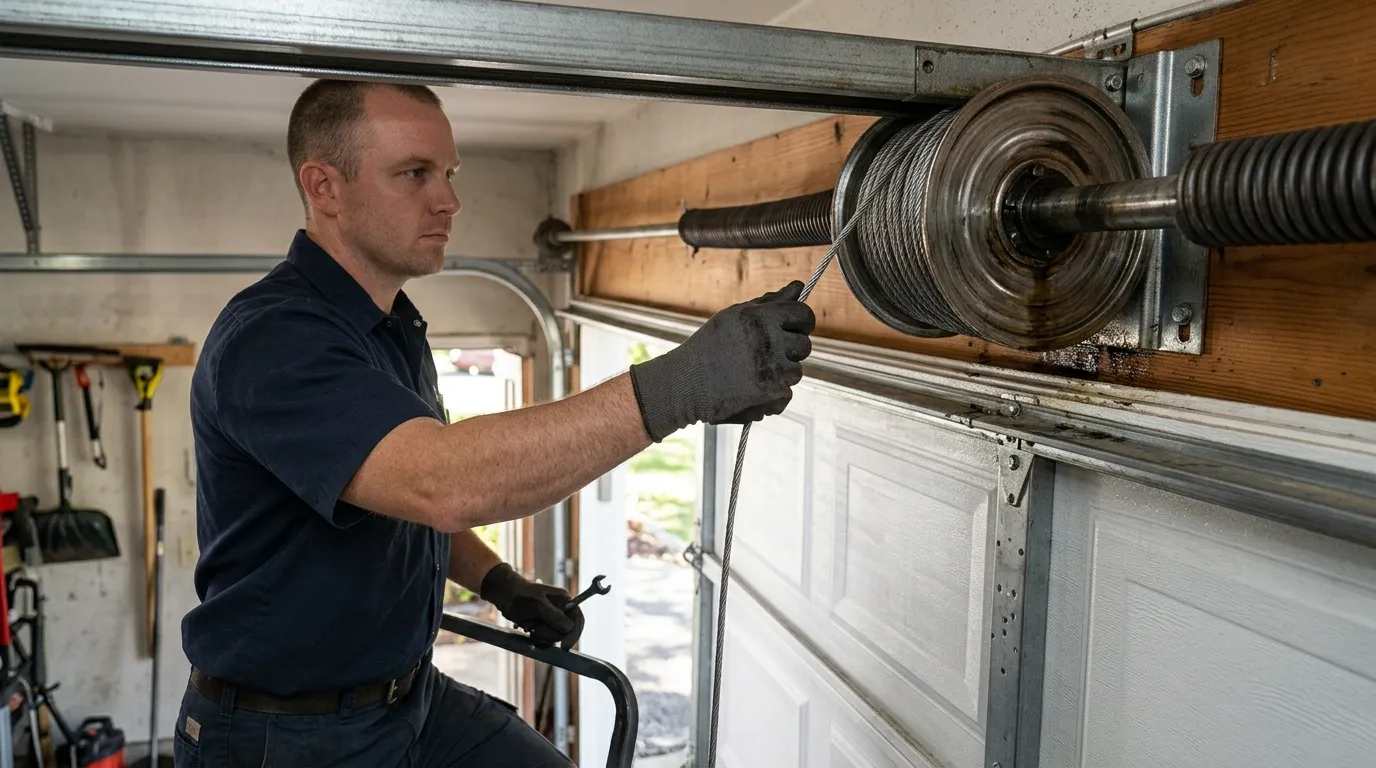
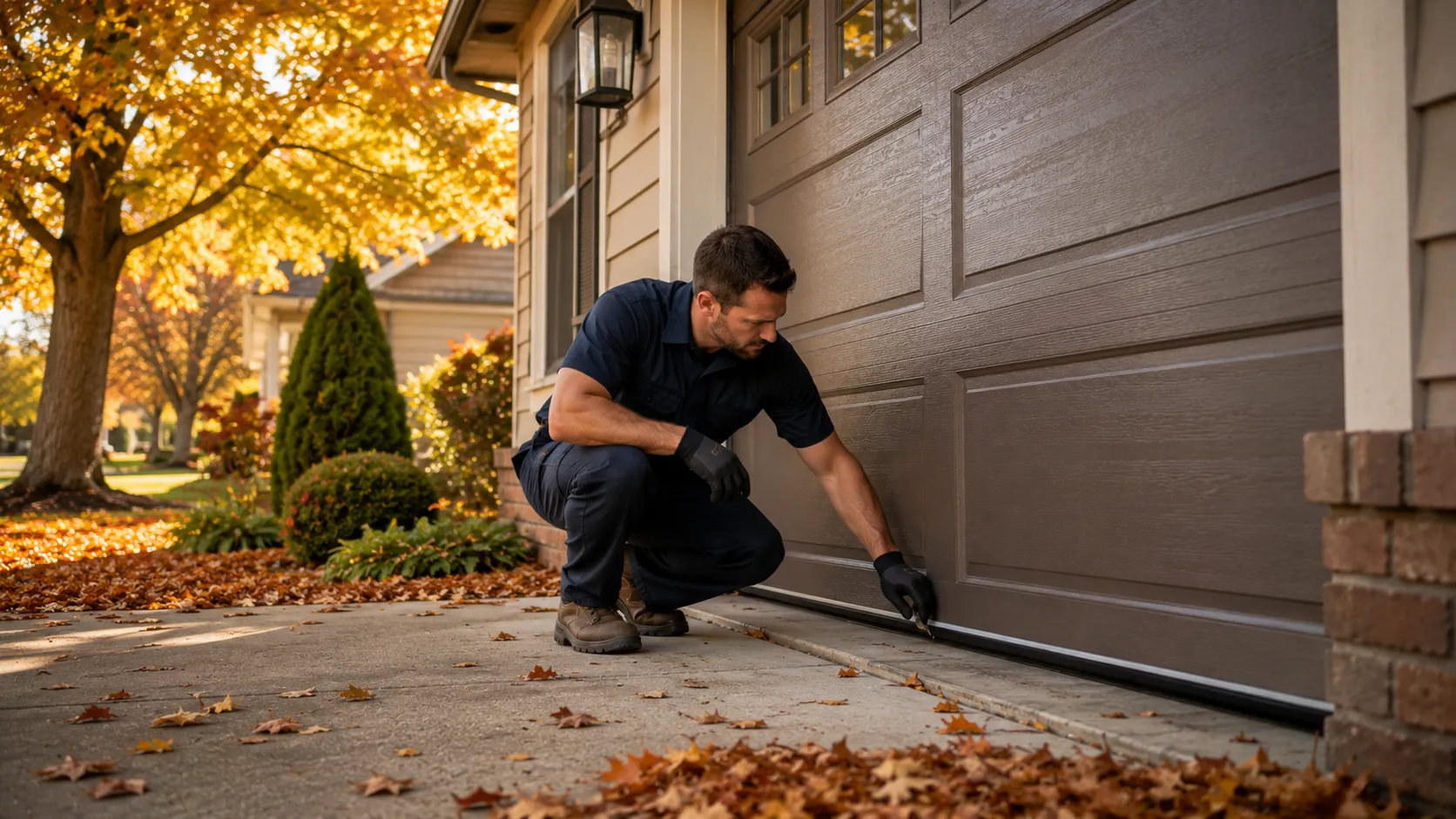
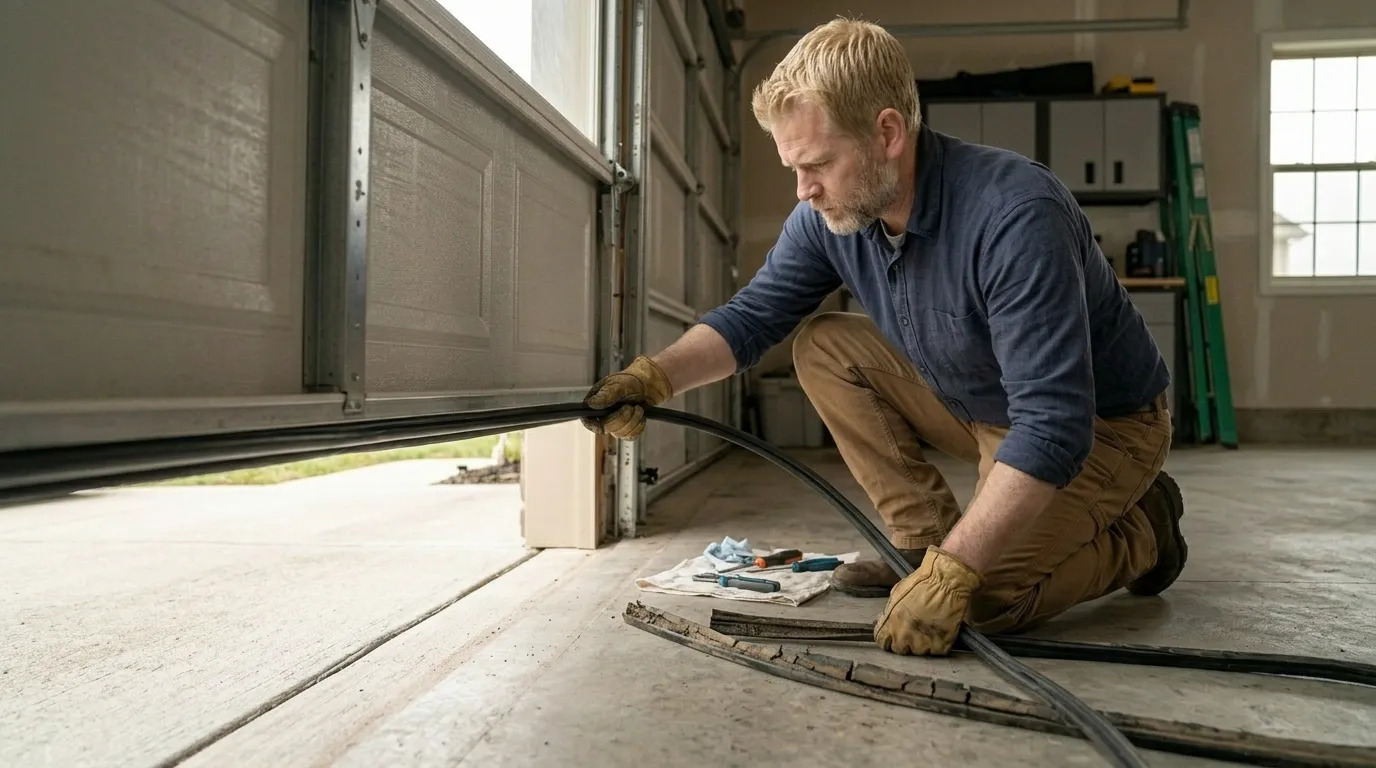
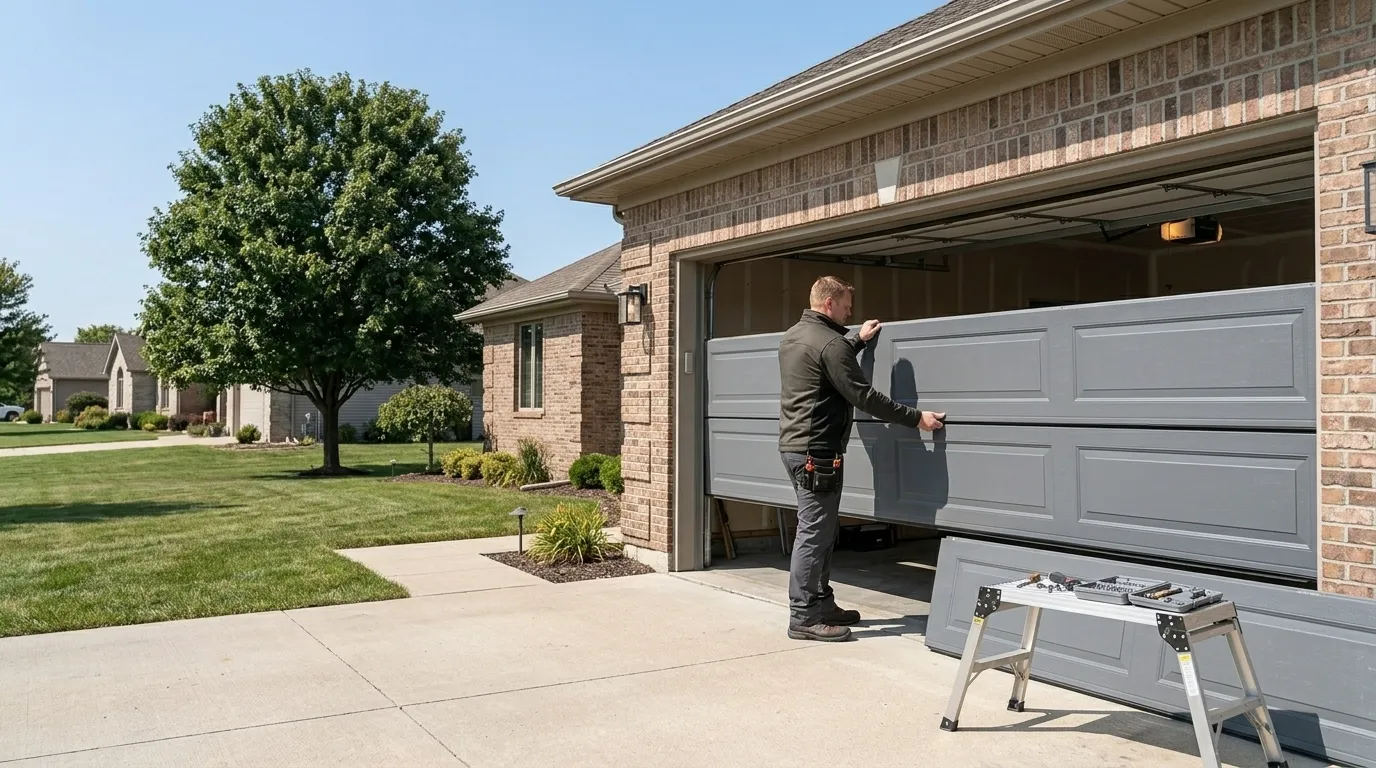
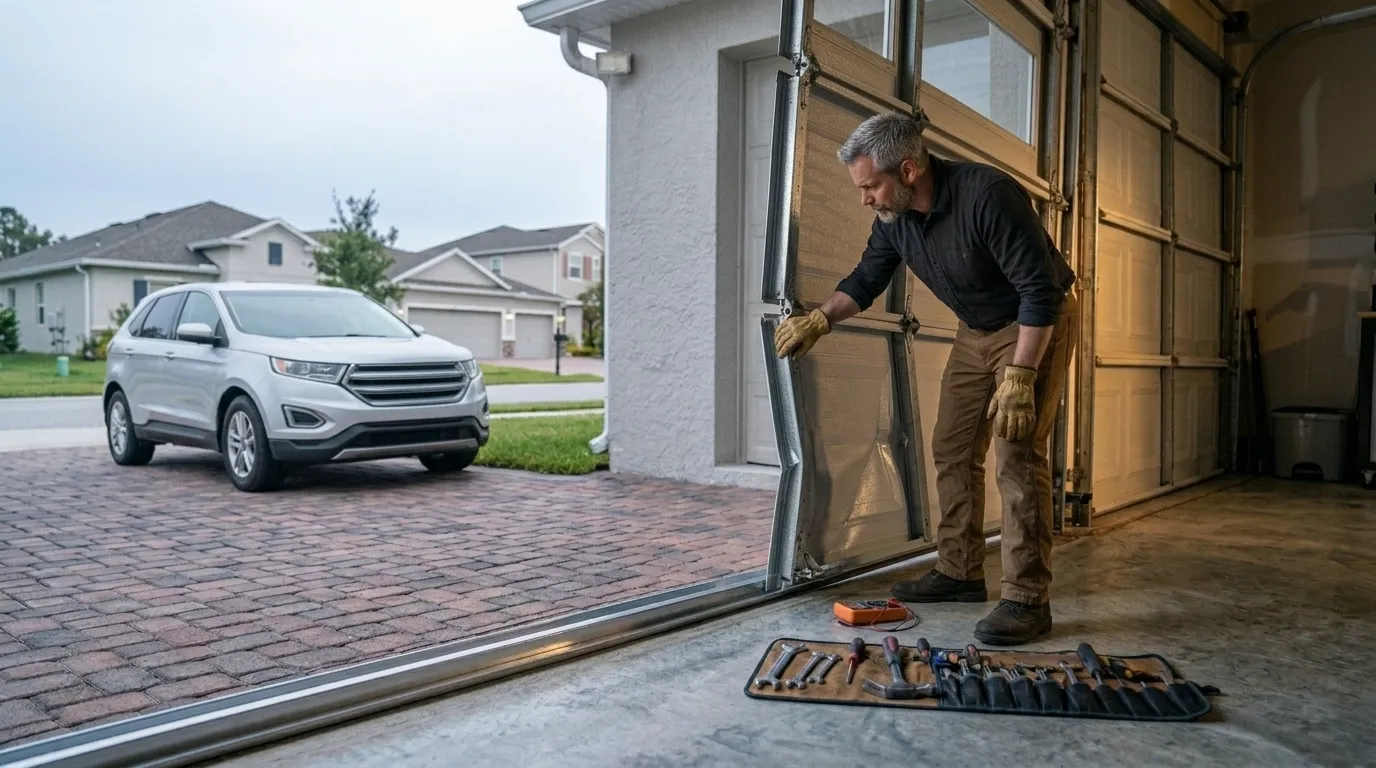
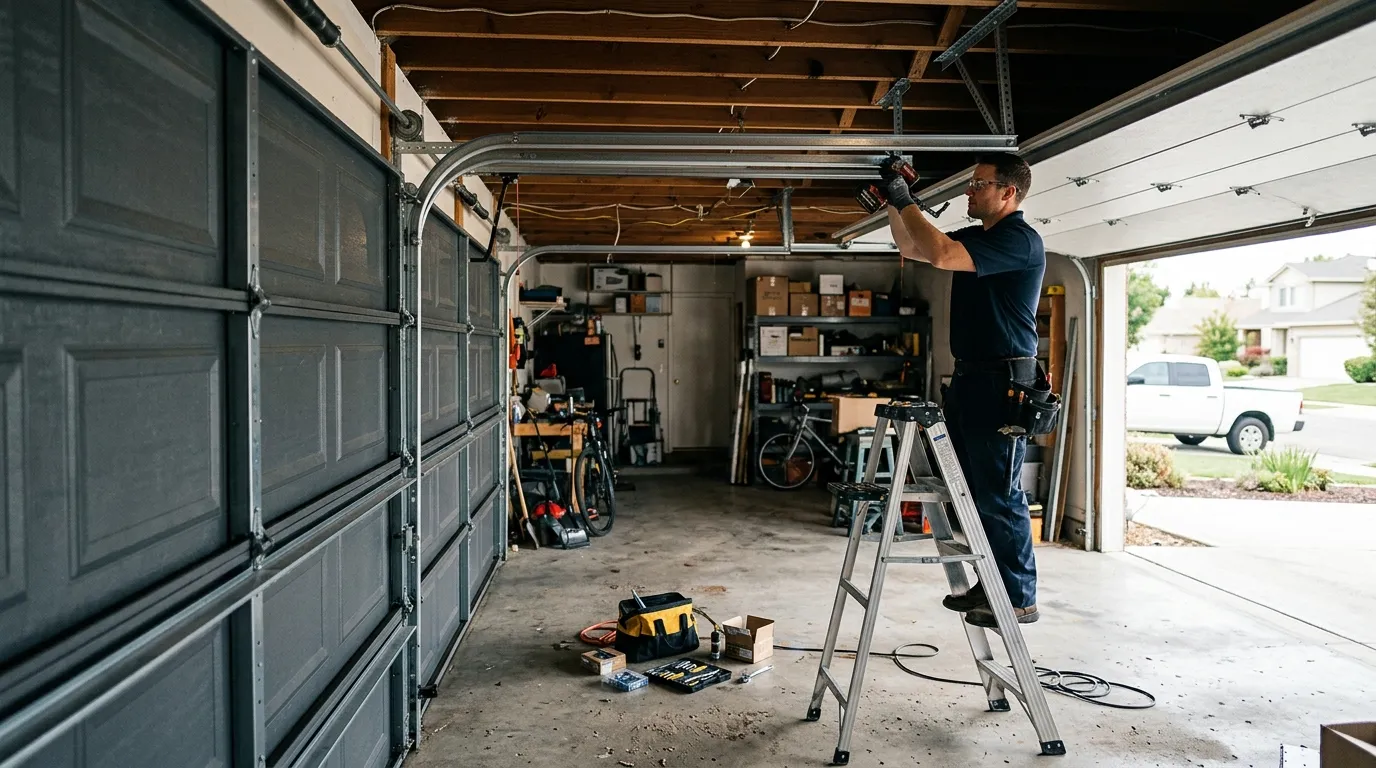
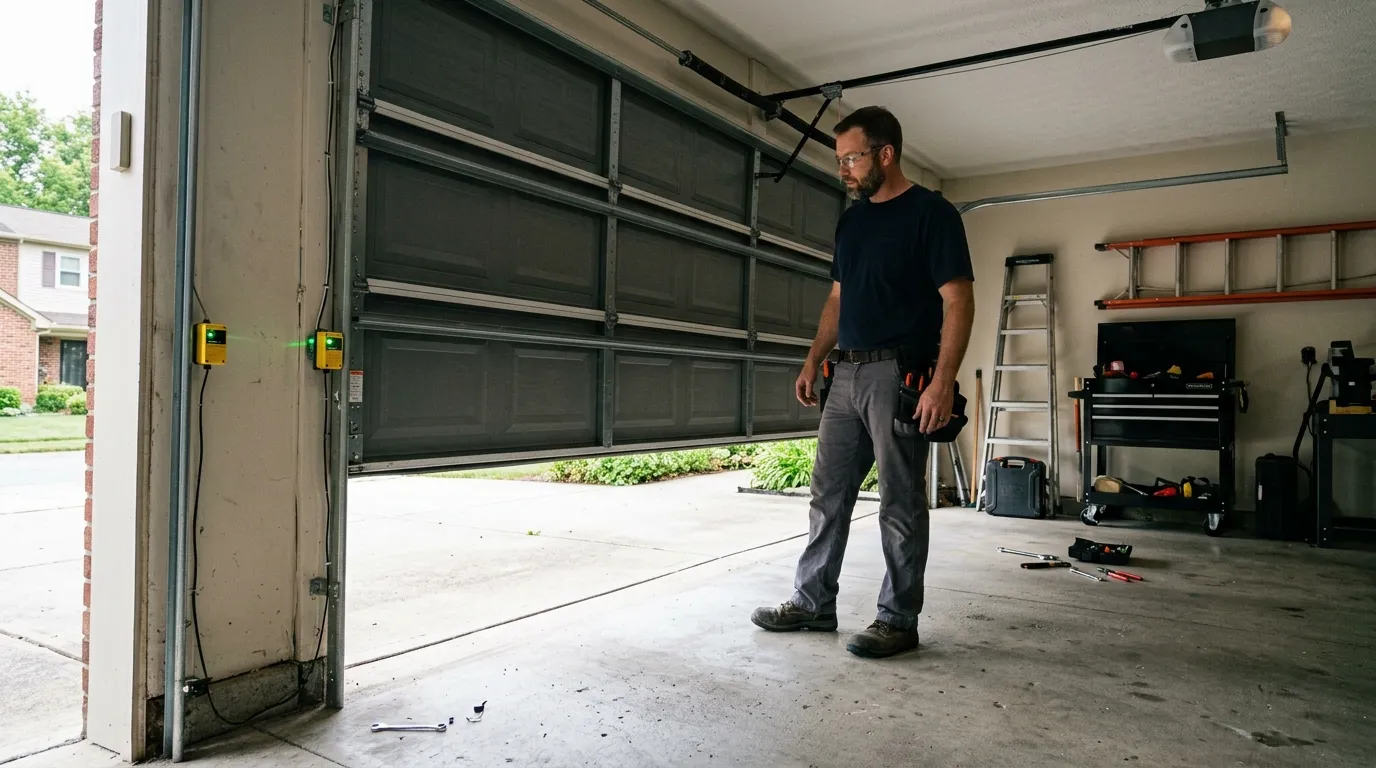
A commercial rolling door under tension is not a DIY spring job. The torsion springs on these older La Mesa units carry more load than a residential door and let go with enough force to break a wrist or worse. What you can safely handle: keeping the tracks clear of debris, checking that photo-eye sensors aren't knocked out of alignment by a forklift or pallet jack, and listening for a chain hoist that's started grinding instead of running smooth.
If your building dates to that 1970-era construction wave that's typical across this part of the service area, assume the operator and springs are original unless someone's already replaced them, and don't try to adjust spring tension or force settings yourself. A commercial door that drops unexpectedly on a loading dock is a liability problem, not just a repair bill. Call it in once you notice a change in sound, speed, or how far the door travels before it stalls.
Why It Happens Here
La Mesa's commercial building stock is part of the same 1967-1992 wave that shaped most of this service area, with a median year built right around 1970 here specifically. That means chain-hoist operators, torsion springs, and rolling steel doors sized to the codes and load expectations of that period, not today's insulated sectional commercial doors.
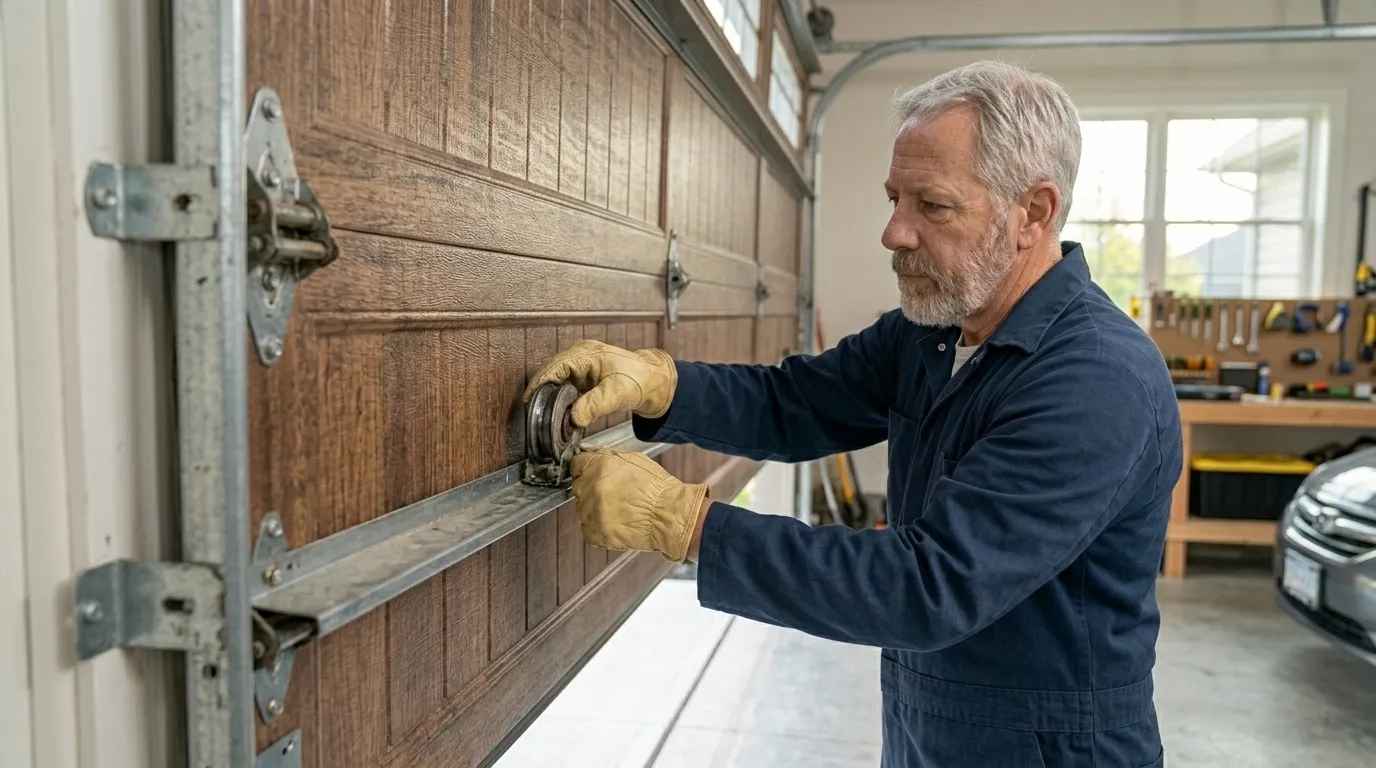
The area runs a mild temperate climate, so we're not chasing the freeze-thaw damage or salt-air corrosion that wears out hardware fast in other parts of the country. What wears these doors out is cycle count and age of the original parts, not weather. A door that's opened forty or fifty times a day for four decades straight has put more wear on its drum, cable, and bearings than the building's age alone would suggest, and a lot of La Mesa's retail and light-industrial tenants run exactly that kind of daily traffic.
Stocked Parts
We carry the torsion springs, cables, rollers, and drums that fit the rolling steel and sectional commercial doors common to buildings from the 1967-1992 construction era across this service area, which covers La Mesa's stock as well. What we don't keep on the truck is a matched replacement operator for every chain-hoist model still running from 1970 - some of those units are long out of production, and if yours needs a full operator swap rather than a repair, that part sometimes has to be ordered rather than installed same-visit.
We'll tell you upfront whether your job is a stocked-parts fix or an order-in job before we start, not after. For a door that's failed at the panel or track level rather than the operator, replacement is often the better call than chasing parts for hardware that's outlived its expected service life anyway.
How to Book
We run La Mesa commercial jobs out of San Diego, 7 miles away, so booking works the same as it does across the rest of the service area: tell us what the door is doing, what kind of operator it has if you know it, and whether it's a single job or one of several units on the same property. Multi-door commercial properties are common enough here that it's worth mentioning if you've got more than one bay acting up, since we can often look at all of them in the same visit.
You can see the areas we cover from the La Mesa service page, and if what you need is broader than a single commercial door - new install across a whole property, for instance - the main commercial garage door page for San Diego covers that scope.