Doing It Yourself
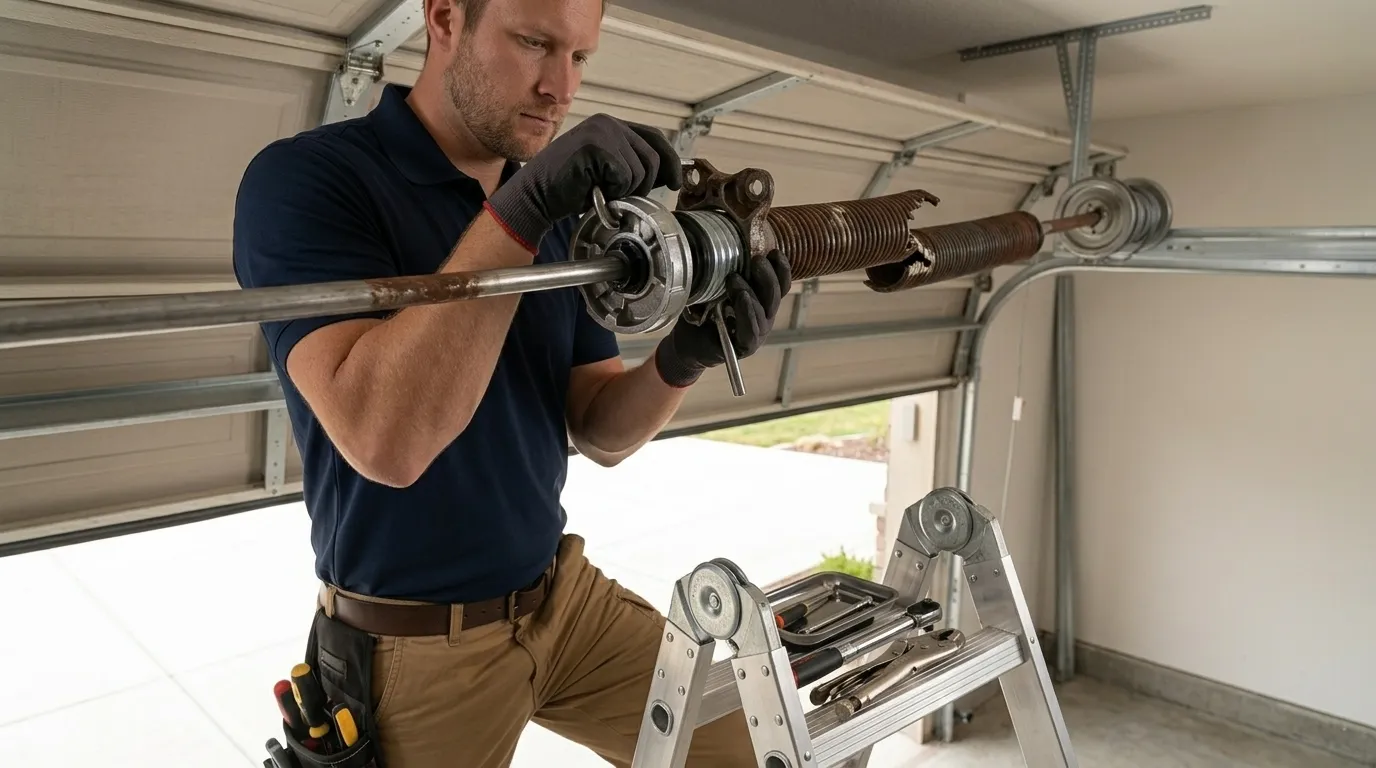
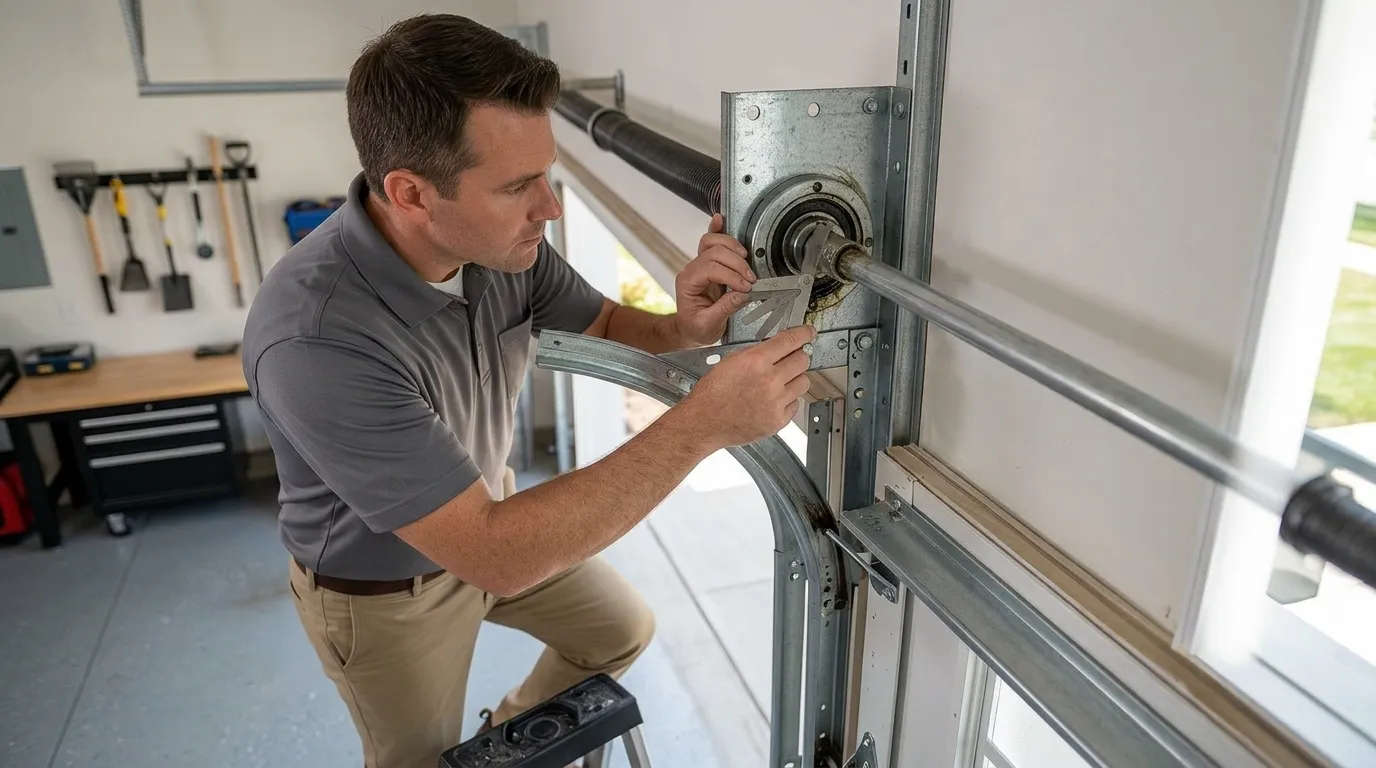
A torsion spring holds a lot of stored energy, and on a door old enough to be original to a 1970-era La Mesa house, the winding cones and end bearing plates are often the original parts too - not sized or torqued the way a 2020s kit assumes. We won't talk anyone through winding a spring over the phone; it's the single fastest way to lose a finger or worse, and it's the one job on this list we don't recommend as a homeowner project regardless of income or budget.
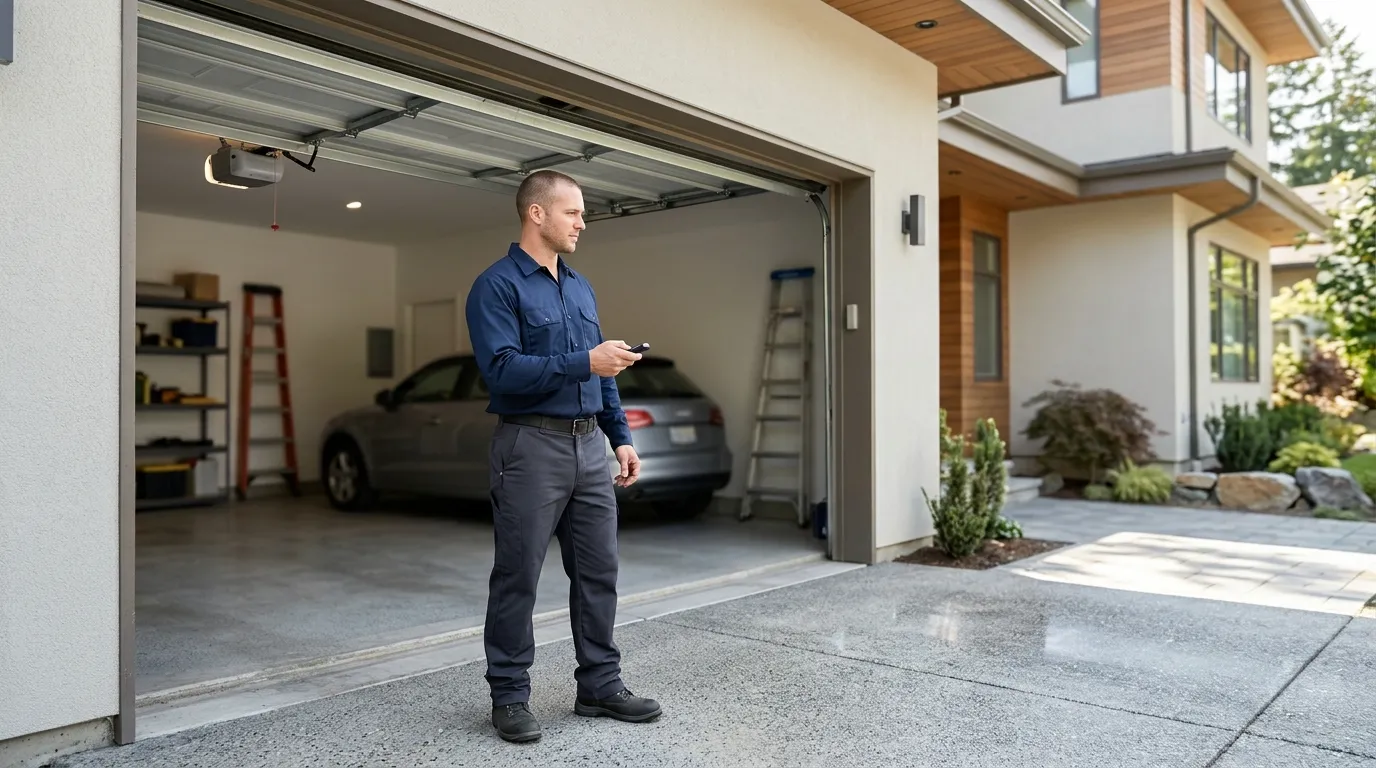
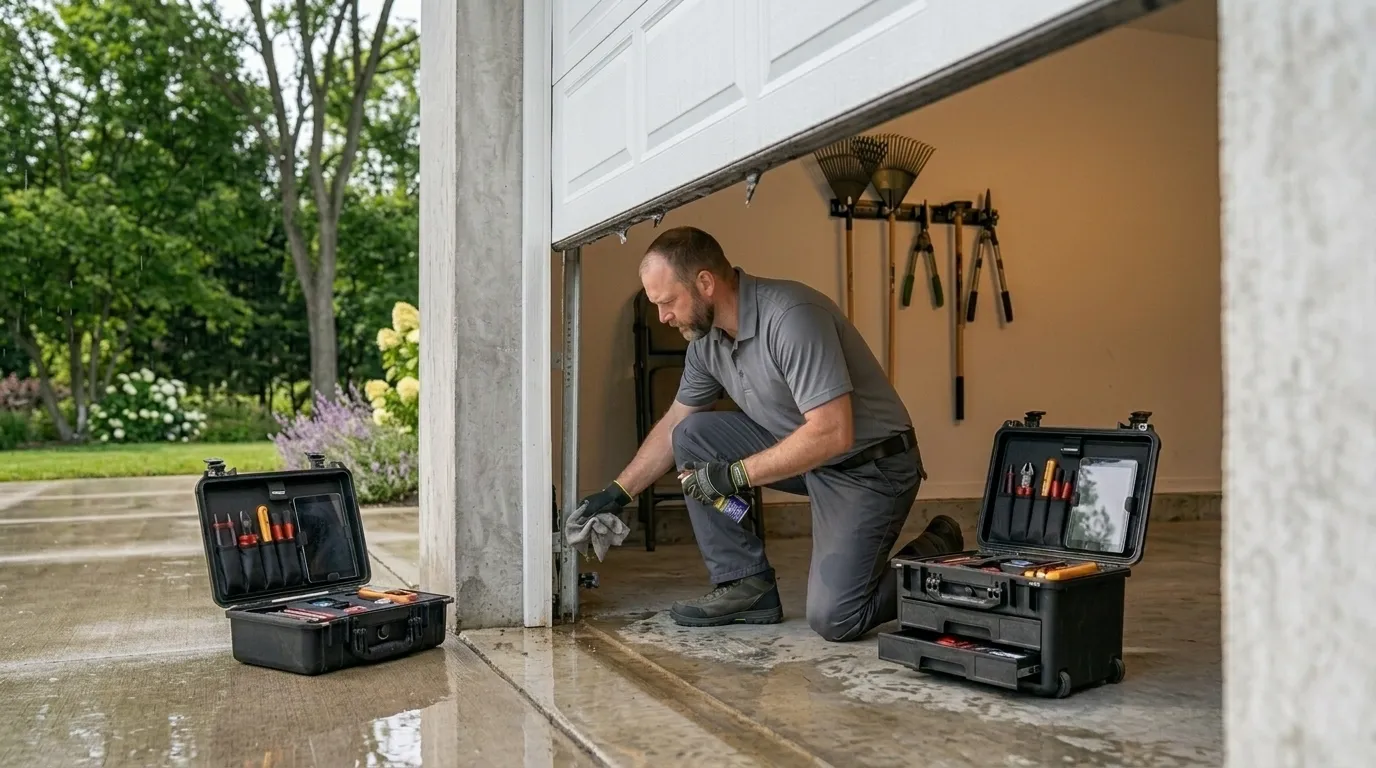
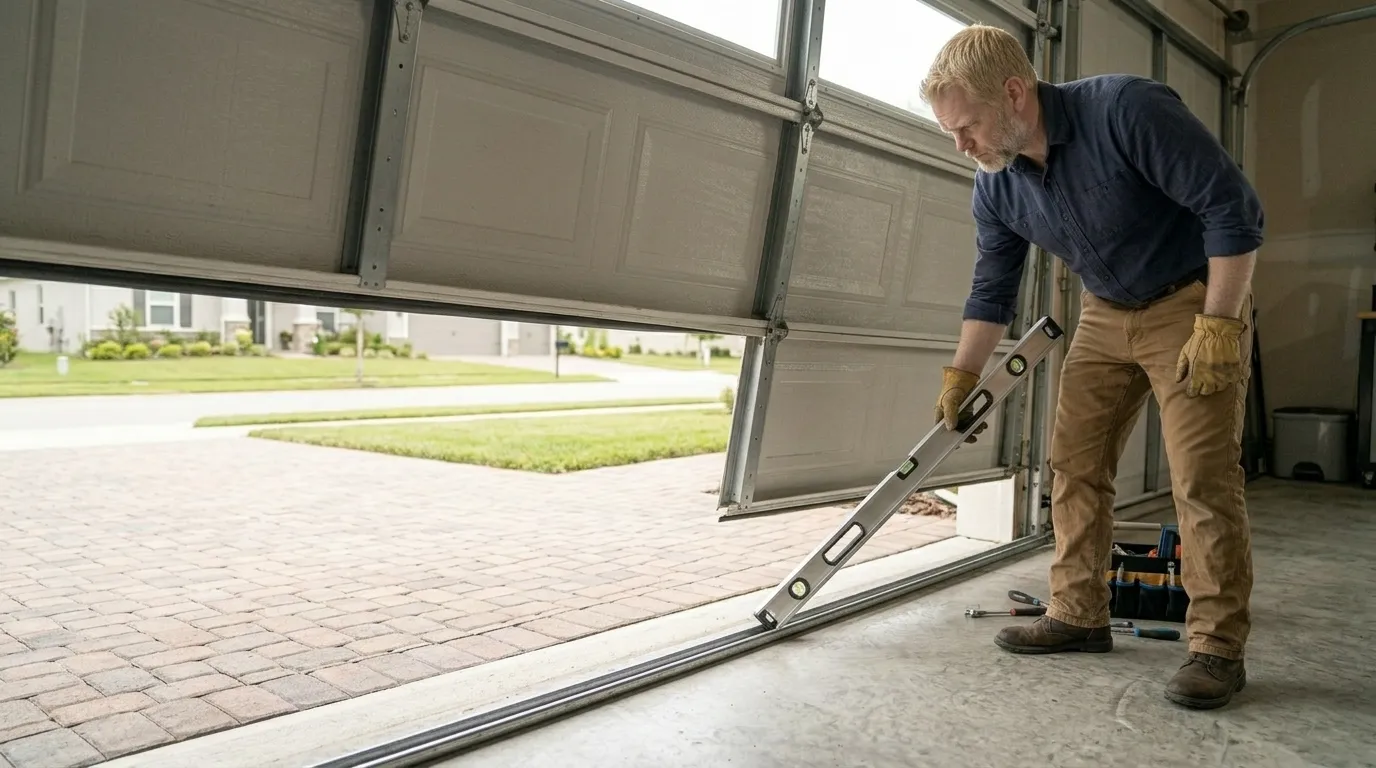
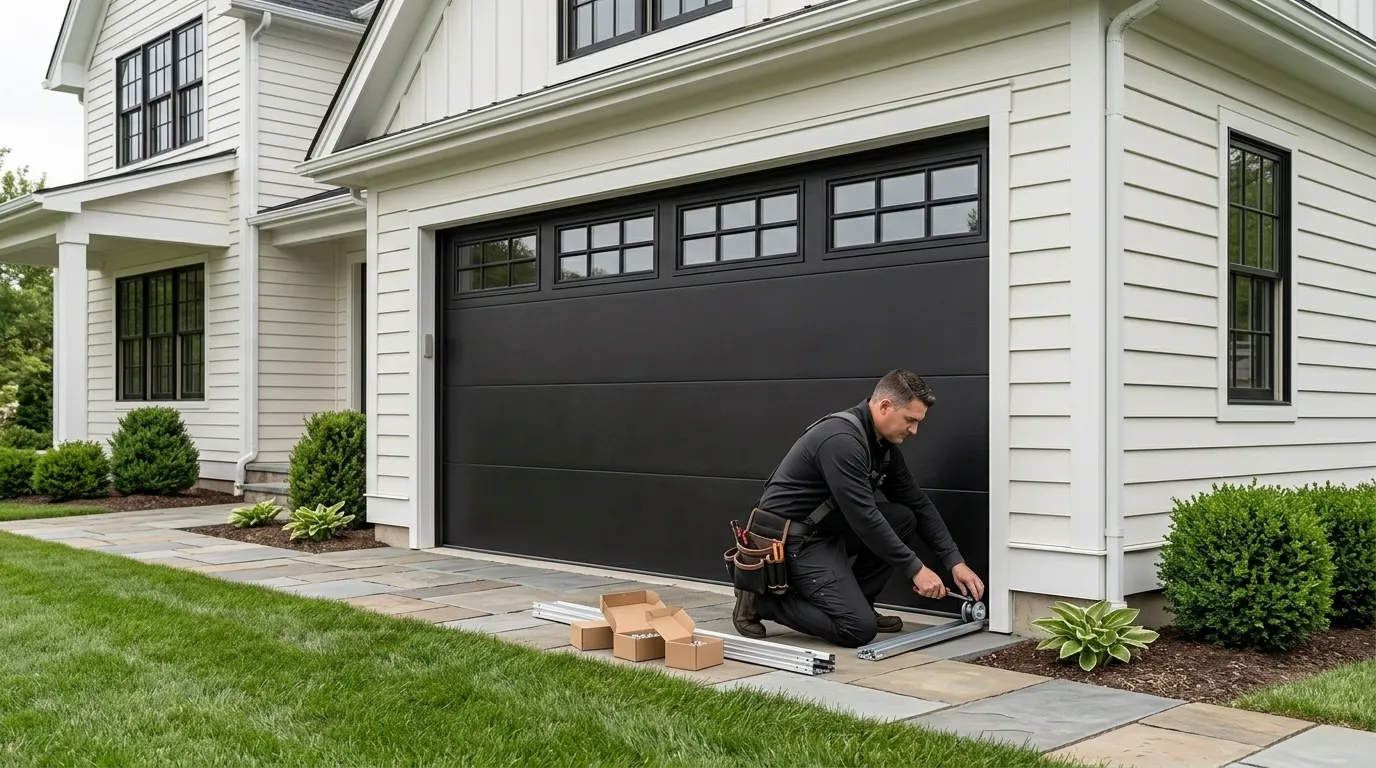
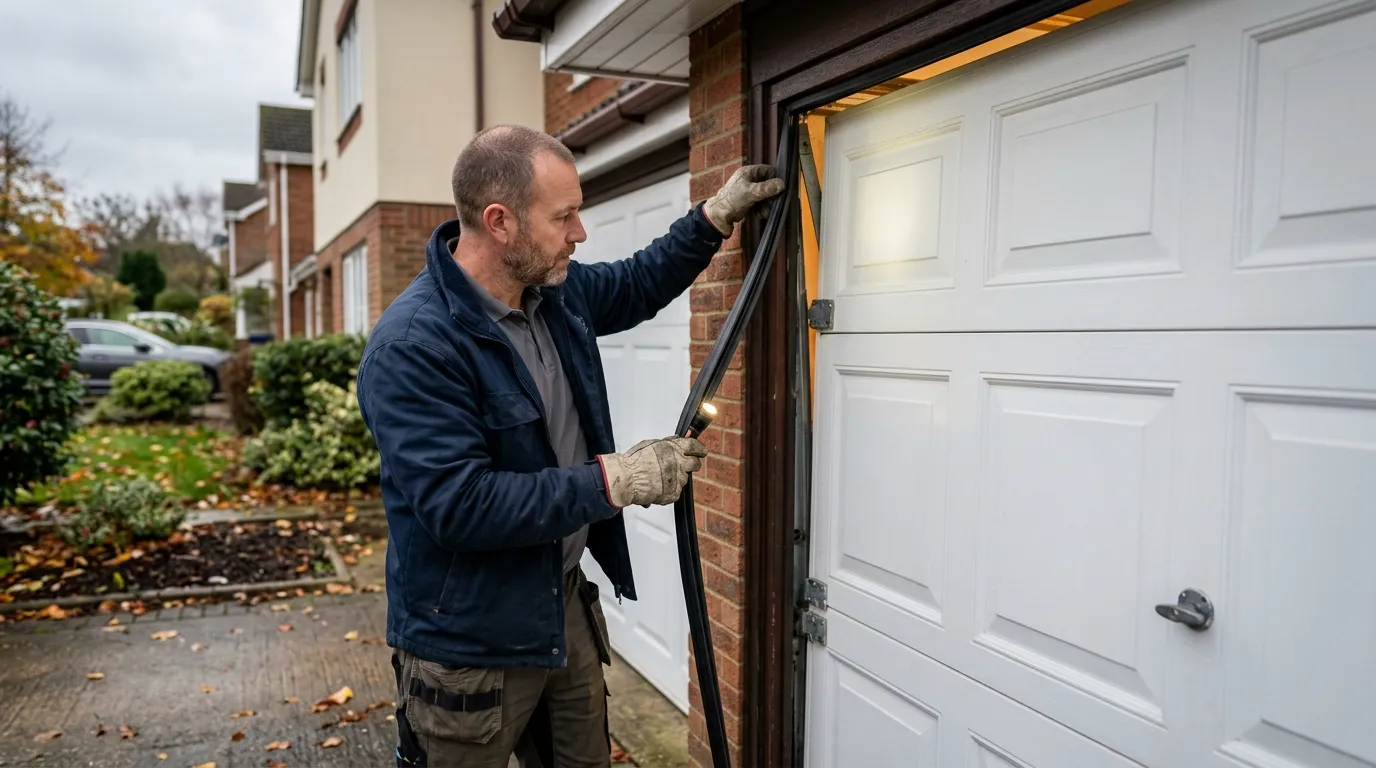
What you can safely check yourself: the photo-eye sensors near the floor (a spider web or dust film blocks them more often than actual wiring faults), the weatherstrip along the bottom panel, and whether the door binds in the same spot on every cycle - that's usually a track alignment issue, not a spring issue, and cheaper to fix. If the door reverses right after touching the floor, that's a sensor or limit setting, not a structural problem, and worth ruling out before you call anyone.
Why It Happens Here
La Mesa's housing stock centers on 1970, which lines up with the broader pattern across this part of the county - most homes here and in the surrounding named areas went up in the 1960s and 70s. Doors and openers from that build era share the same weak points: single-layer steel panels that dent rather than flex, torsion springs rated for a lighter door than whatever's been hung on the track since, and openers with chain drives that have long outlived their intended service life.
The mild temperate climate here means we're not fighting the freeze-thaw cycles that crack panels or seize springs in colder states, and that's worth saying plainly: La Mesa's garage door failures are almost never weather failures. They're age failures - thirty-plus-year-old hardware doing a job it wasn't built to do for this long, on a door that's been opened and closed tens of thousands of times since 1970.
Stocked Parts
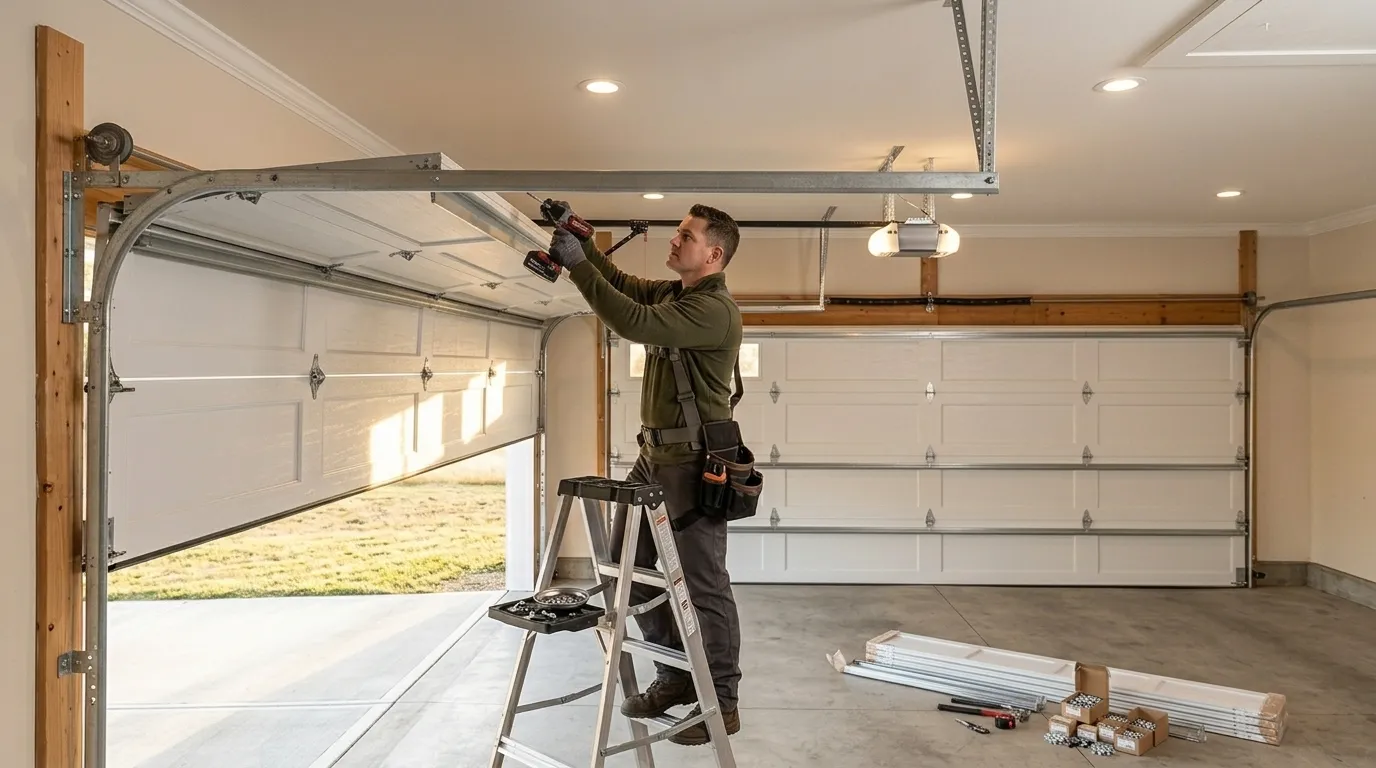
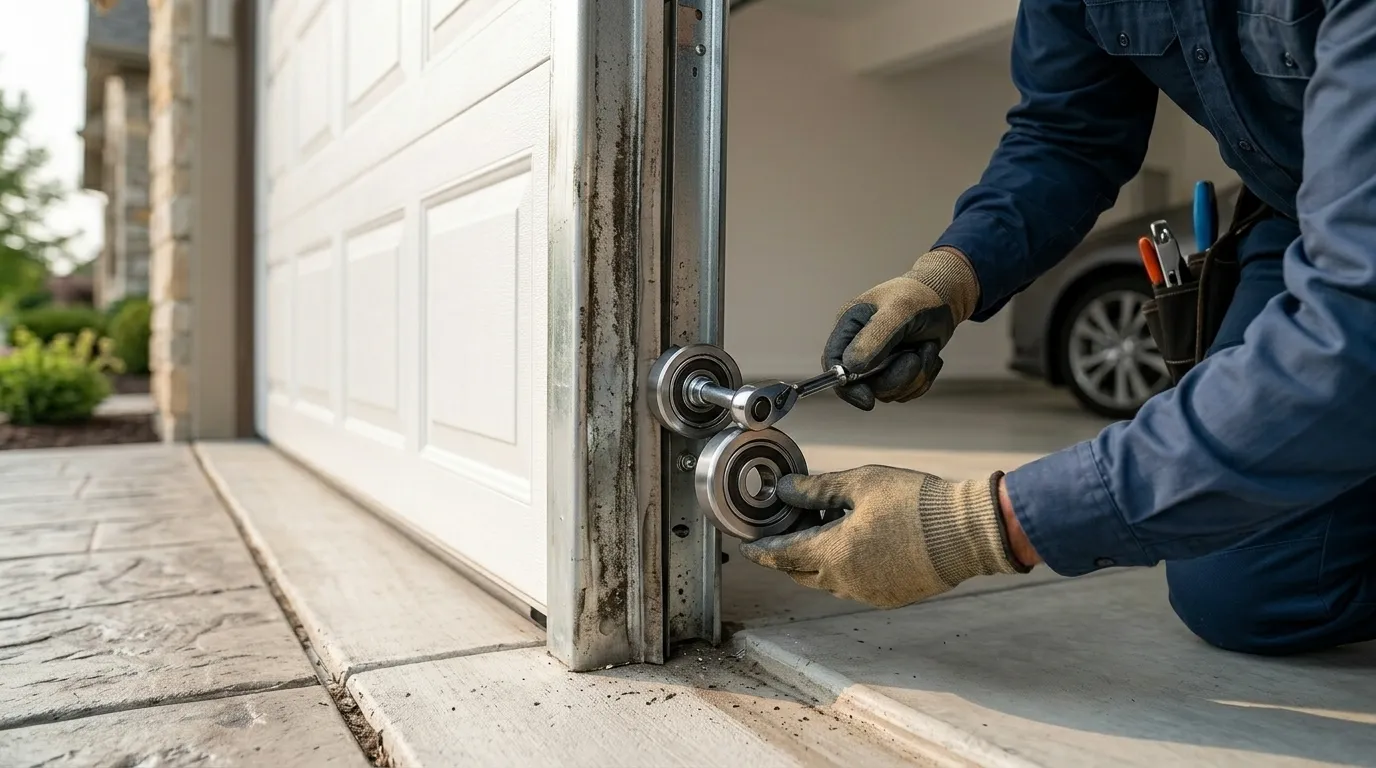
We carry the parts that fail most often on doors from La Mesa's era: torsion springs sized for the heavier single-layer steel panels common on 1960s-70s builds, standard-size rollers and drums, and universal opener boards that cover most chain-drive units still running from that period. What we can't promise is an exact factory match for a discontinued panel design - on a door original to 1970, replacement is sometimes the more practical answer for that specific panel, even when the spring and hardware around it are perfectly repairable.
We travel to La Mesa from San Diego, 7 miles away, so we stock what covers this whole stretch of the service area rather than keeping a satellite inventory local to any one suburb.
How to Book
We come out to La Mesa from San Diego for both repair and full replacement work. Tell us what the door is doing - grinding, sagging, stalling, off-track - and we'll bring the parts most likely to match a house built around 1970 rather than guessing on site. See the La Mesa service area page for what's covered here, or the San Diego garage door service page for the full range of work we do across the area.