Doing It Yourself
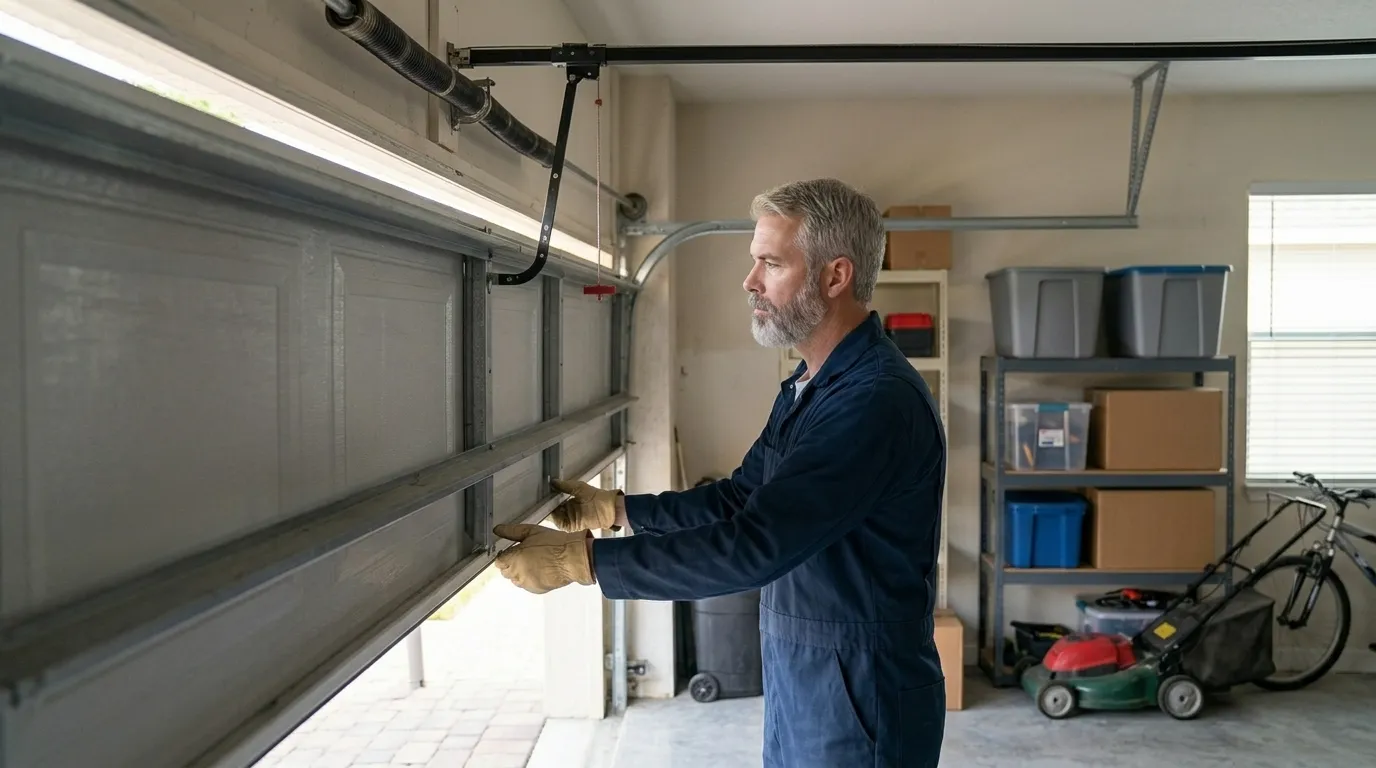
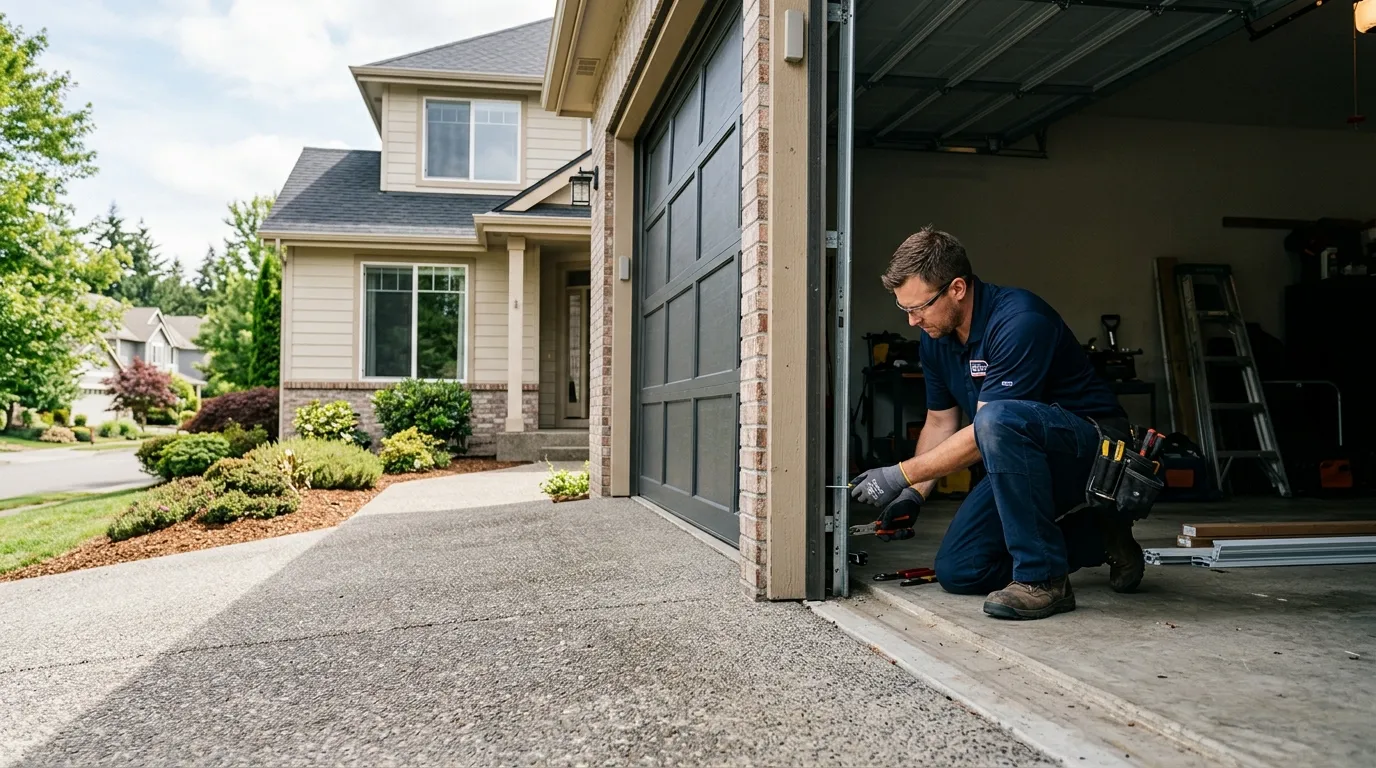
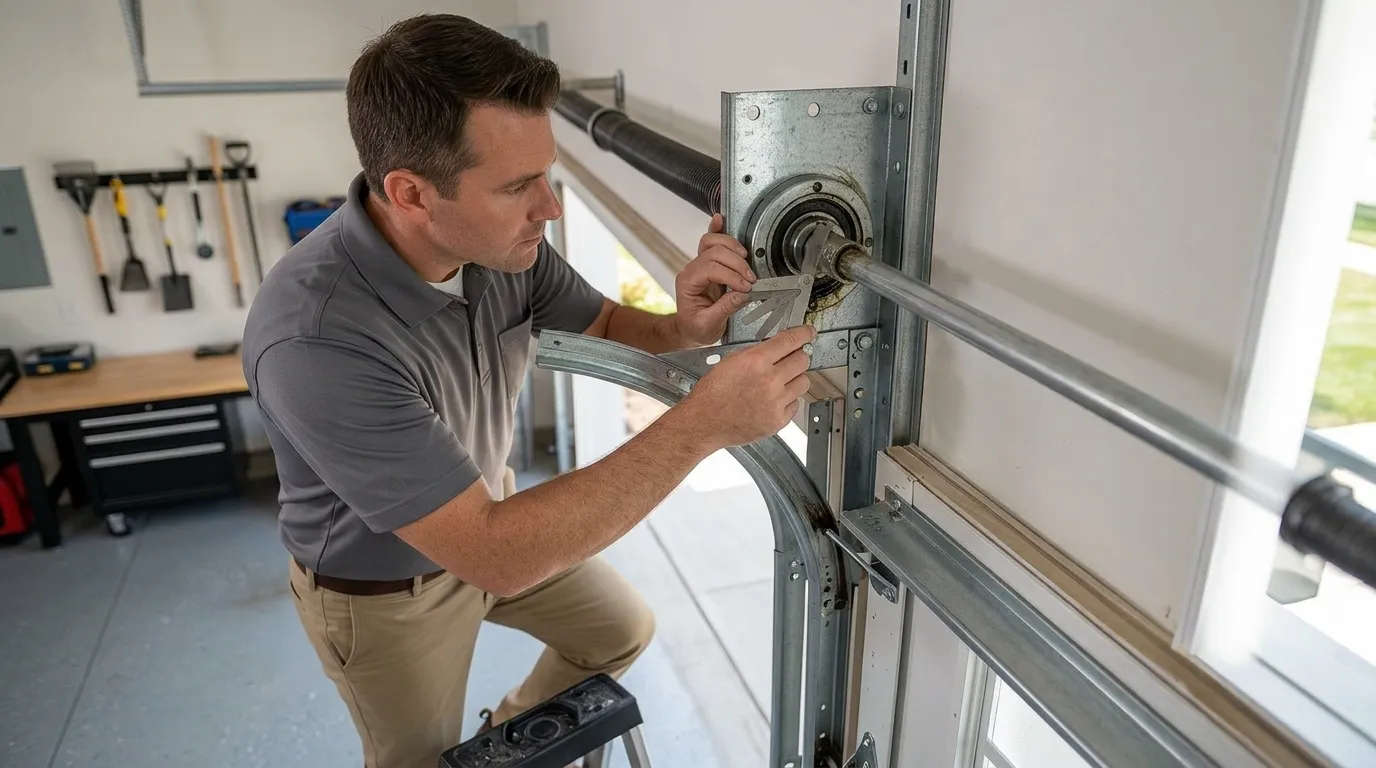
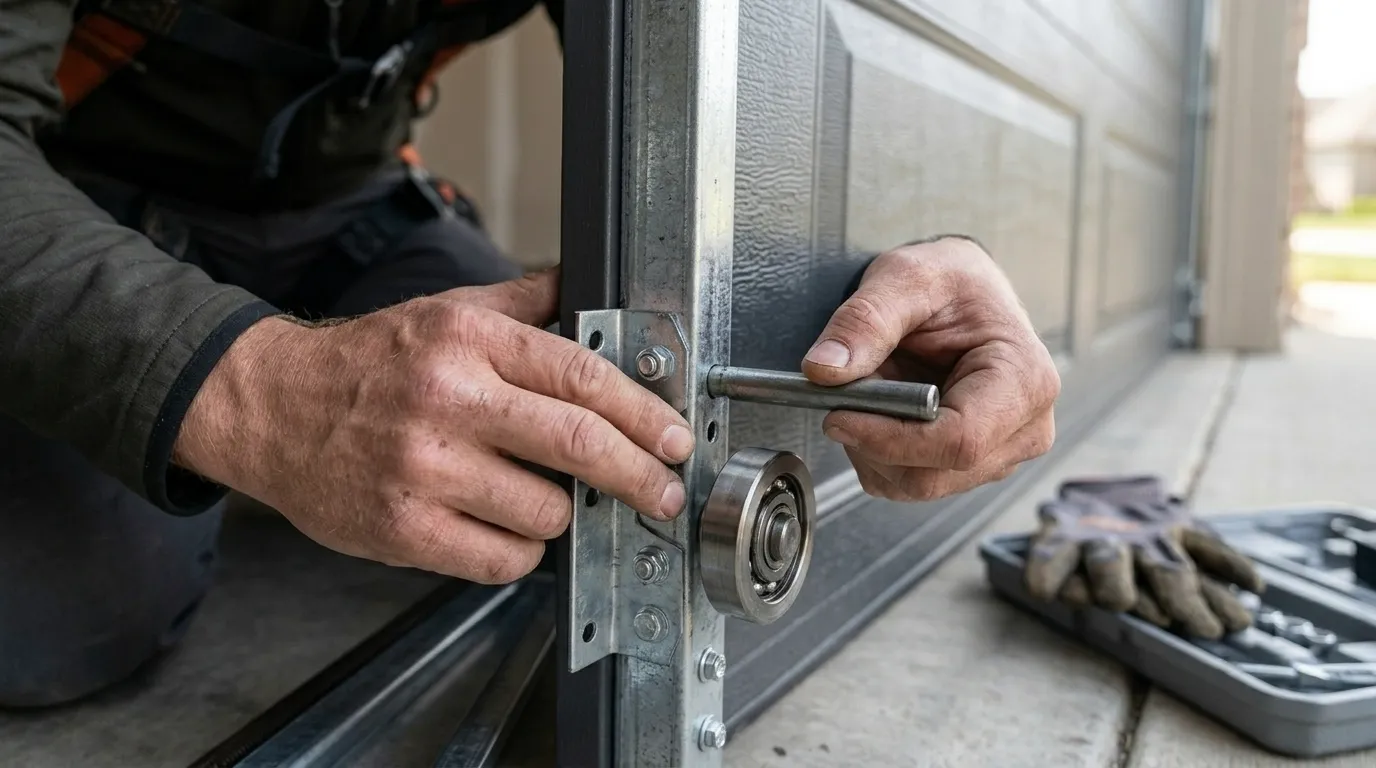
Ordering a replacement steel section for a mid-80s door sounds simple until you're matching color, rib pattern, and panel height to a door nobody made an exact spec sheet for anymore. Get the width wrong by half an inch and the section won't seat in the track. Beyond the part itself, pulling and resetting panels means disconnecting the door from spring tension safely, which is where most DIY jobs go wrong - not on the panel, but on what's holding it. If you've got a single scuffed section and steady hands, swapping it with the door manually supported is doable. Anything involving the bottom section with the cables attached, or a door with more than one damaged panel, we'd rather you call than end up with a torsion spring that lets go while you're under the door.
How Long You Are Without the Door
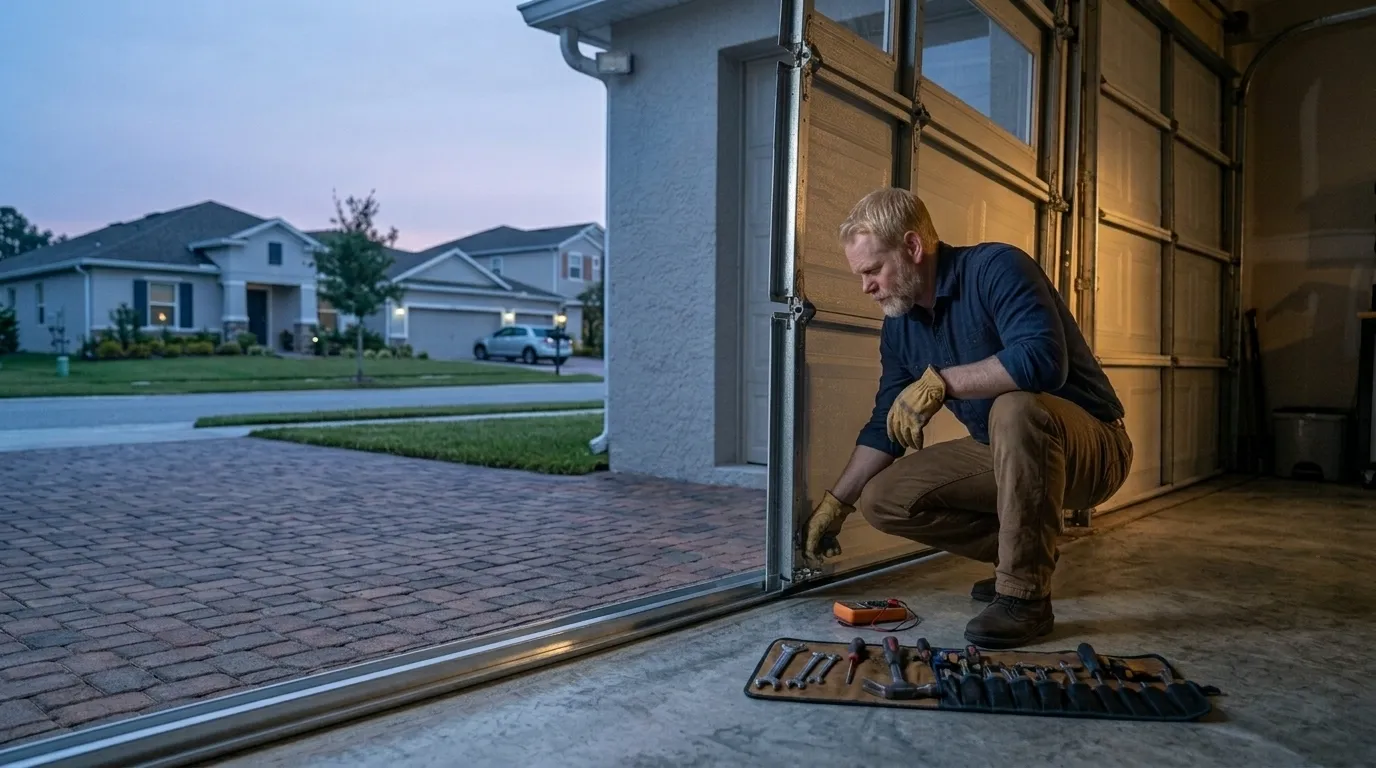
Because we run out of San Diego, about 13 miles from Rancho San Diego, the trip itself adds time you wouldn't have with a job around the corner. Once we're on site, a single-panel swap on a standard steel sectional usually finishes the same visit if we're carrying a matching section. Multi-panel jobs, or anything where the color and rib profile need special ordering, mean the door sits with a temporary brace while the part comes in. We tell you which situation you're in before we leave, not after.
How to Book
Call and tell us the door's approximate age, how many sections look damaged, and whether it still opens and closes at all. That's usually enough for us to bring the right panel stock on the truck instead of guessing. We book the visit out from San Diego, so give us your cross streets in Rancho San Diego when you call - we don't have a local branch here, we're driving in for the job.
How It Shows Up
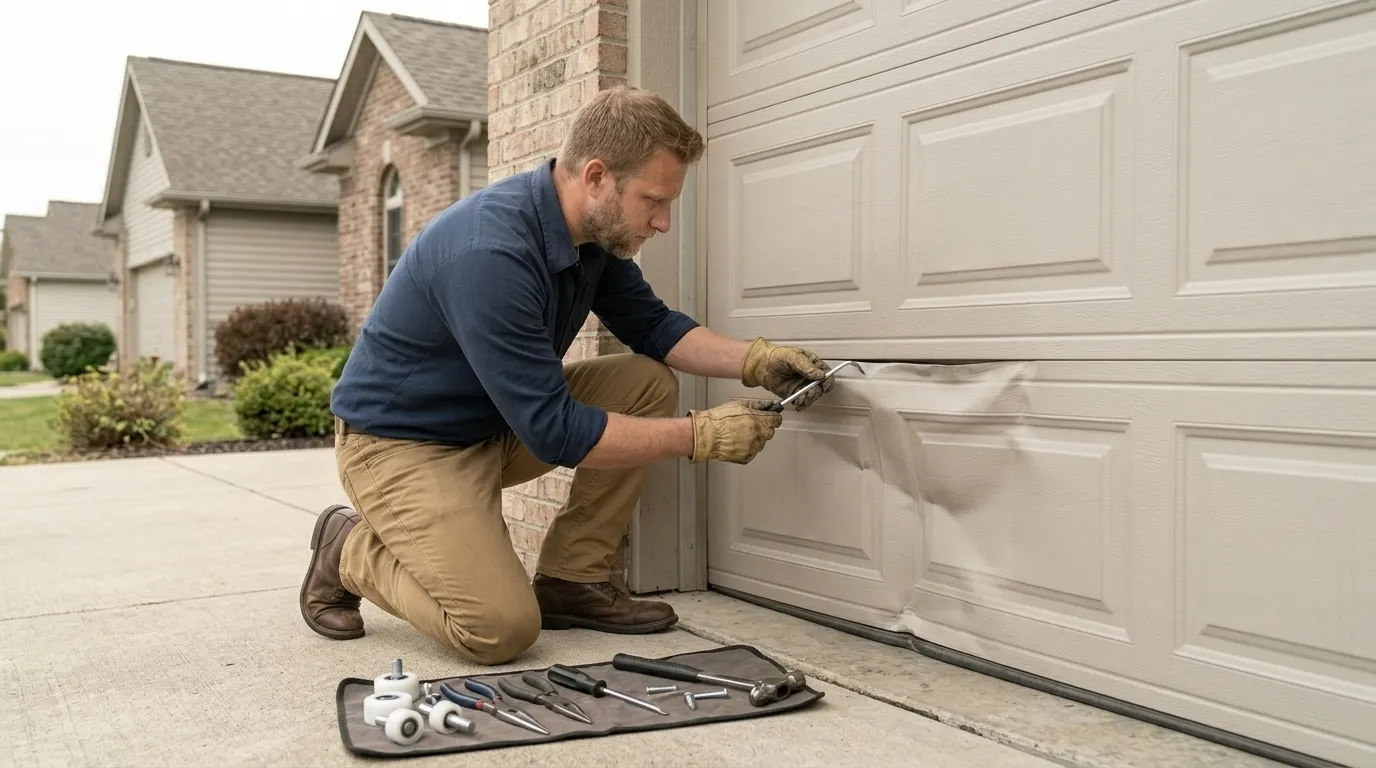
A hit panel on one of these mid-80s steel doors usually shows up as a dent or crease from a backed-into car, or a bottom section cracked from years of curb contact and weather cycling - mild here, but 40 years of expansion and contraction still works on a bottom panel more than the ones above it. Sometimes it's not visible damage at all: a section bowed just enough that the door binds in the track on that side, which reads as an opener problem until you look at the panel itself. If your door drags, scrapes, or won't seal flush at the bottom corner, check that section before assuming the opener's at fault.