Garage doors in Coronado's 1970s-built homes need parts most trucks don't carry. San Diego Garage Door Co travels in for repair, spring, and opener service.
Coronado's median household income sits at $135,056, well above the $118,431 median across the wider service area we cover. That number matters more than it looks like it should, because it changes the math on repair versus replacement. At that income level, a lot of homeowners here don't need to squeeze another five years out of a door built when Nixon was in office - they replace instead of patching, and that's often the cheaper decision over time once you count the labor on hardware that's fifty years old.
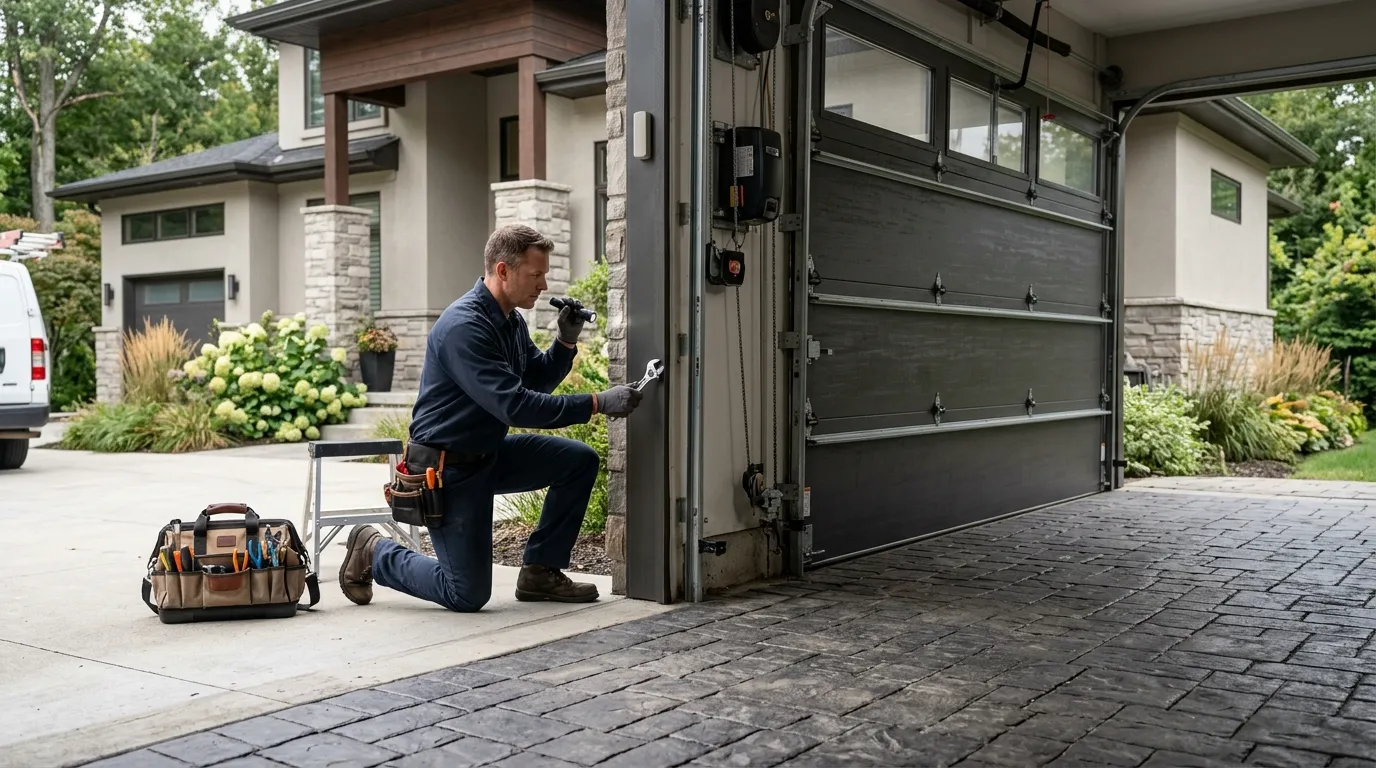
We run out of San Diego, 11 miles away, so there's no local branch and no depot sitting on this side of the bay. That means we don't promise a same-day slot here the way a shop with a truck parked three blocks from your house might. What we can tell you is that we schedule Coronado calls on the same route as the rest of the area, and we're upfront if a part has to be ordered before the job can finish - better to hear that on the phone than have a half-finished door in your driveway for a week.
Stocked Parts
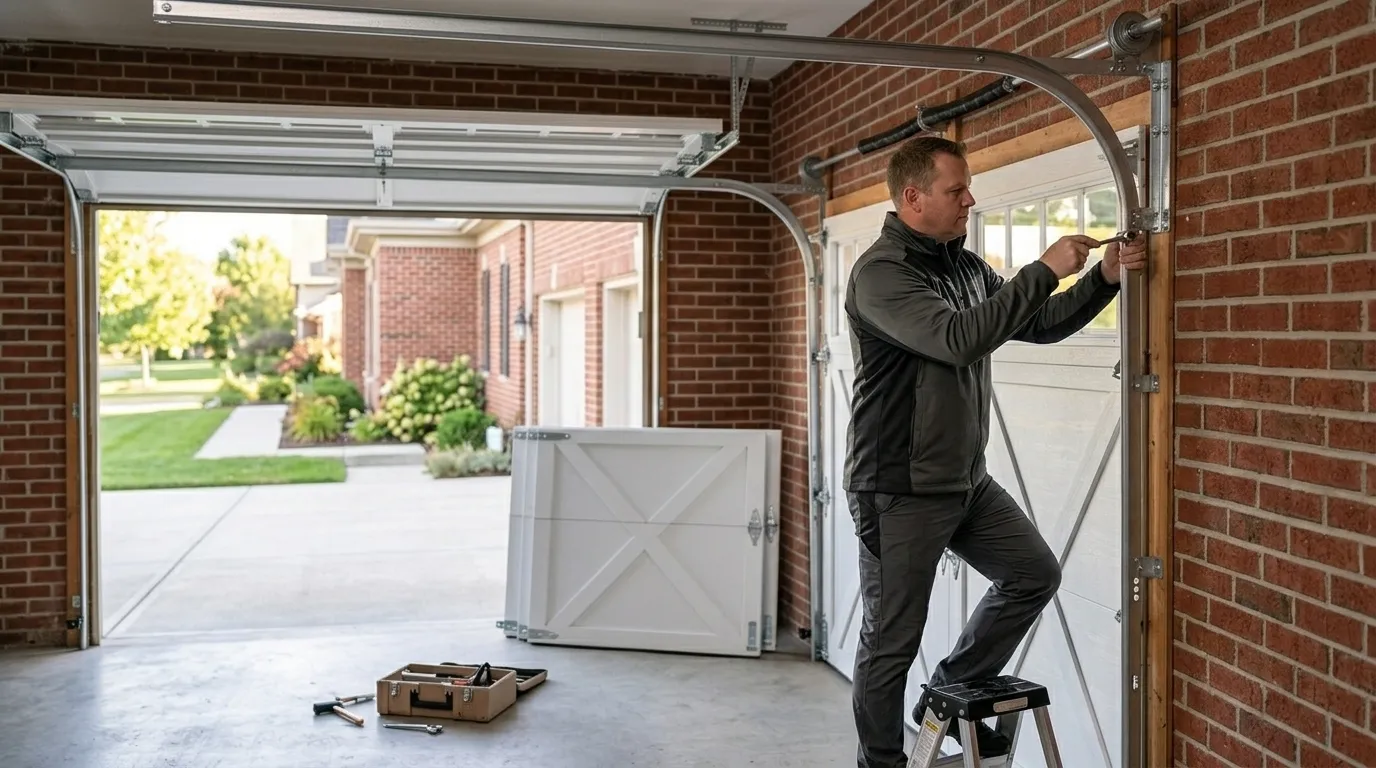
The typical Coronado house dates to around 1974, right in the middle of the 1967-1992 build window that covers most of this region's housing stock. Doors from that era were built for extension springs mounted along the horizontal track, not the torsion springs over the header that almost everything uses now. We carry extension spring sets and the older-style track hardware that this generation of door actually needs, because showing up with only torsion parts on a house like this means a wasted trip.
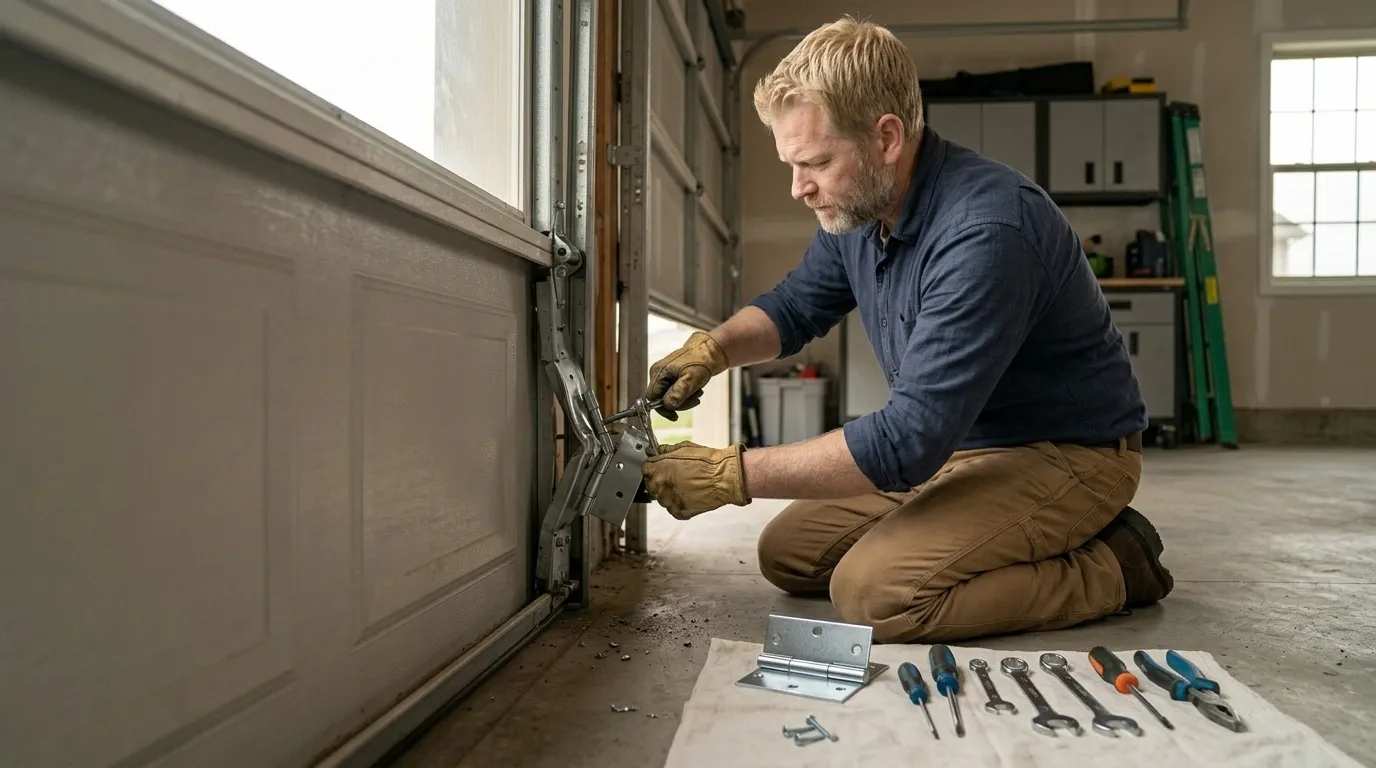
What we don't stock is anything obsolete enough that the manufacturer stopped making it decades ago - some original panel hardware and a few opener drive gears fall into that category. If your door needs one of those, we'll say so on-site and give you the honest choice: wait on a special order, or replace the section instead of chasing a discontinued part. We'd rather tell you that up front than take the job and stall out halfway through.
How to Book
Because we're coming from San Diego rather than a shop already on the island, booking a Coronado call works best when you can describe what the door is doing - grinding on one side, refusing to close, a spring that's visibly separated - so we send the right parts on the truck the first time. You can check current coverage and get in touch through our Coronado service area page, or see the full range of repair and install work we handle across the region on our San Diego garage door service page.
We don't run a call center that quotes a price blind over the phone. Given the age of hardware common in this part of the region, a five-minute look at the spring type and track condition changes the estimate enough that guessing without seeing it would do you a disservice.
Doing It Yourself
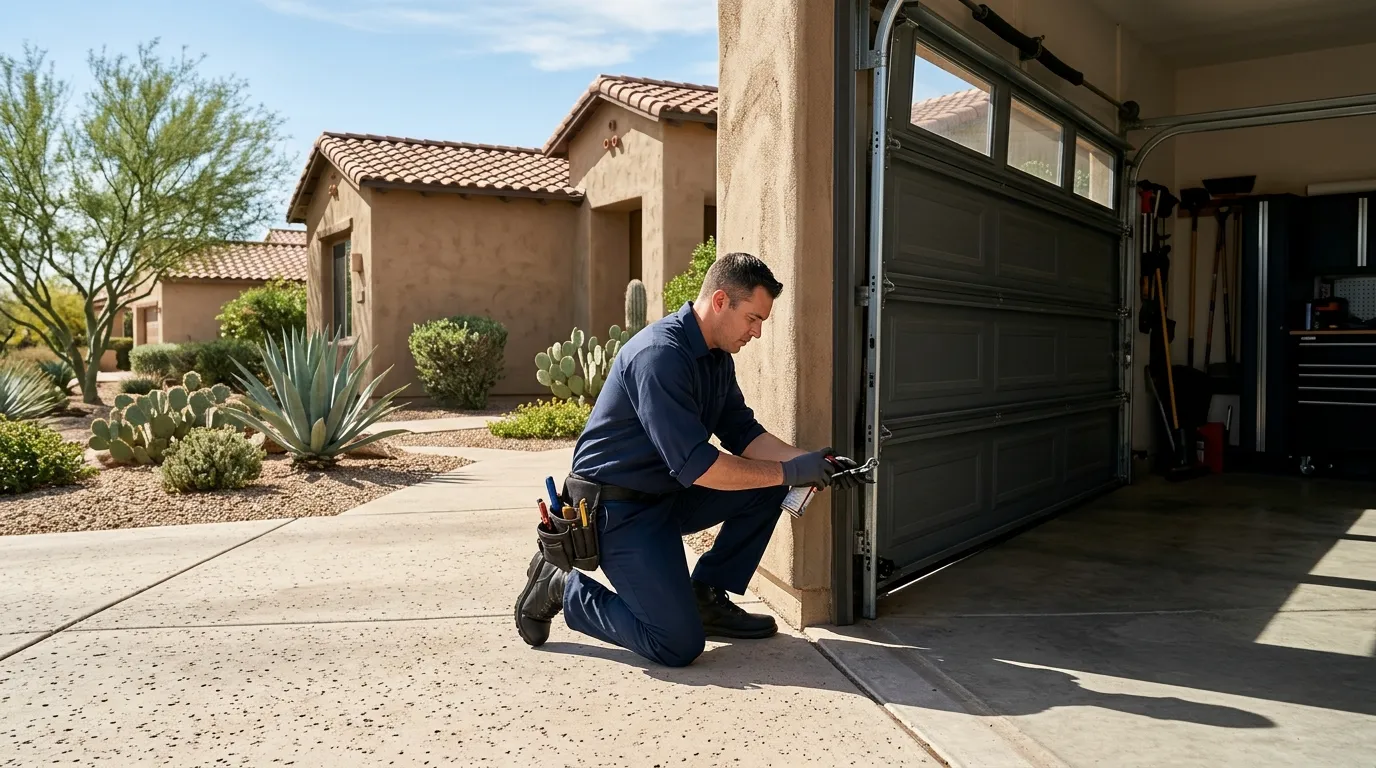
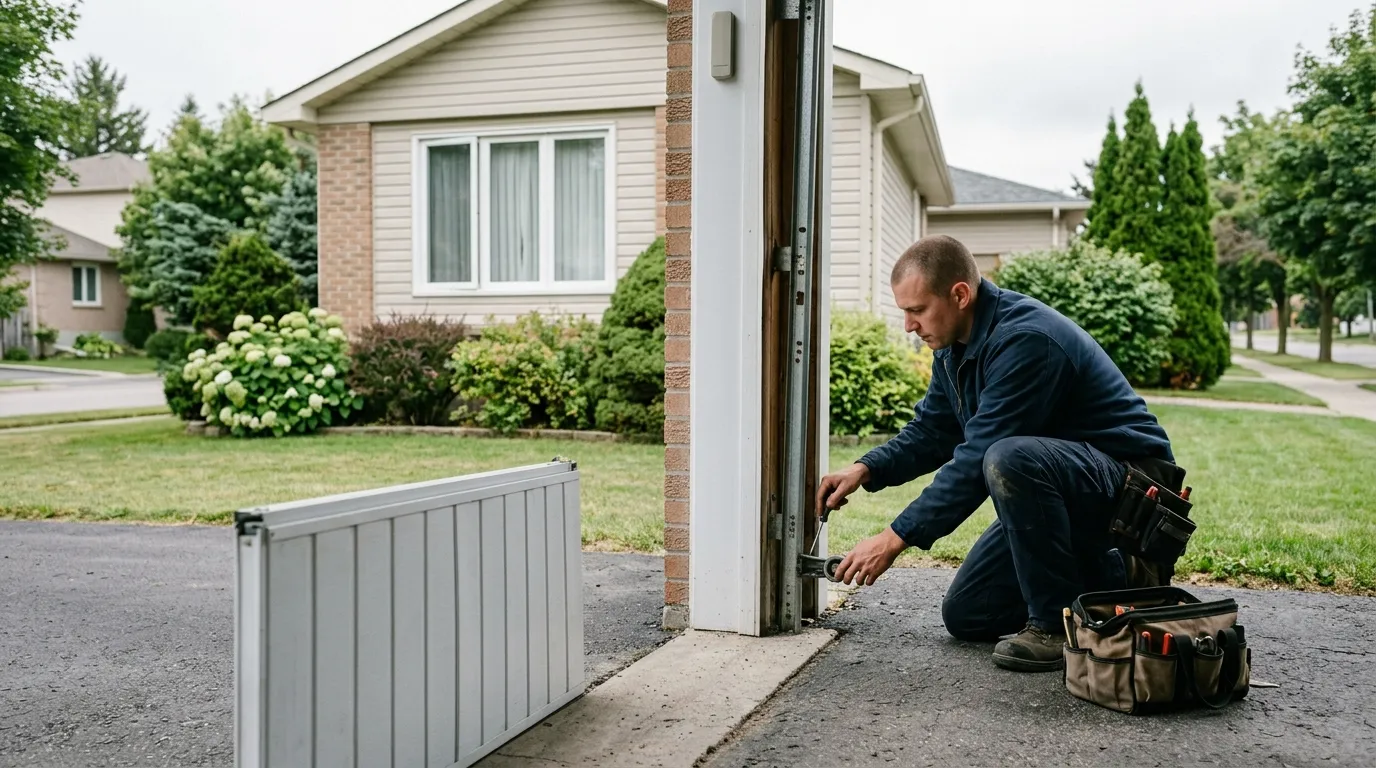
A few things are worth checking before you call anyone. If the door is a 1970s-era model on extension springs, look at the springs themselves - they run along the top of each horizontal track, and a stretched or snapped one is visible without taking anything apart. Don't try to unhook or adjust it yourself; extension springs under tension have put people in the ER, and that's not an exaggeration meant to scare you into calling us, it's just true of the mechanism.
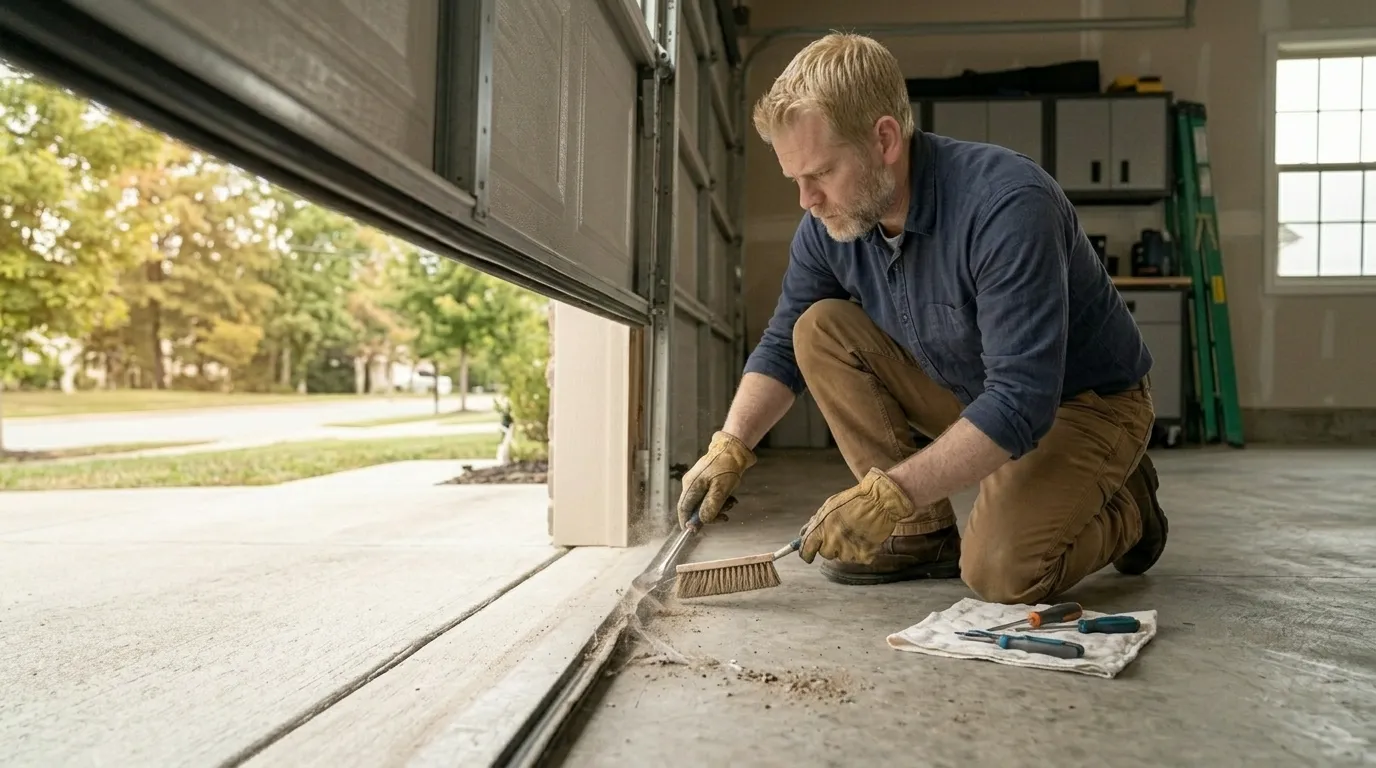
What you can safely do: check that the photo-eye sensors near the bottom of the track aren't knocked out of alignment (a blinking opener light usually means this), and make sure the manual release cord hasn't been pulled, which disconnects the opener from the door entirely. Both are common, both are free to fix yourself, and neither should ever involve you climbing near a loaded spring. If the fix isn't obvious in five minutes, that's the point where a call makes more sense than a trip to the hardware store.
How it works
From “it’s stuck” to “it’s fixed”
1
Tell us what’s wrong
Describe the symptom - won’t open, loud bang, opener runs but the door won’t move.
2
On-site diagnosis
A technician tests the door under power and by hand and finds what actually failed.
3
Clear, up-front plan
You get the fix that’s needed and what drives the cost - before any work starts.
4
Repaired & tested
The repair is done, the door is set true and tested, and the work area left clean.
Serving San Diego, CA - tell us what your door’s doing and we’ll take it from there.
No. We're based in San Diego and travel to Coronado, about 11 miles out, for repair and service calls. There's no depot on the island, so we don't offer the same-day turnaround a locally-based shop might promise - we'll give you a real schedule window when you call, not a guess.
Why does my 1970s door need different parts than a newer house?
Most Coronado homes were built around 1974, when doors used extension springs mounted along the horizontal track instead of the torsion springs over the header that newer doors use. We carry both, but if a crew shows up expecting torsion hardware on an older door, that's a wasted trip and a delay.
Is it cheaper to fix or replace an old door here?
With Coronado's median household income at $135,056, a fair number of homeowners come out ahead replacing rather than repeatedly patching original 1970s hardware, since discontinued parts and labor on old track systems add up. We'll give you both numbers on-site so you can decide, not just push a replacement.
Ready to get your garage door sorted?
Tell us what it’s doing and where you are in San Diego - we’ll take it from there.